Sending Flowers to Menzelinsk? Here Is What to Expect
You are sitting in Saint Petersburg or Moscow, and someone you care about is in Menzelinsk — a quiet town on the Ik River in Tatarstan, far from the nearest big florist. You want the bouquet to arrive looking the way you imagined it, not wilted from a long journey or thrown together at the last minute. This article explains exactly how delivery to Menzelinsk works, what flowers travel best over that distance, and what your recipient can do to keep them beautiful for as long as possible.
Where Menzelinsk Fits on the Delivery Map
Menzelinsk is a small city in the northeast of Tatarstan, roughly 200 kilometres from Kazan and about 1,600 kilometres from Saint Petersburg by road. It sits in a region of cold winters and warm, sometimes humid summers, which matters more than people realise when you are choosing what to send. The town is compact, with a historic centre and residential districts that are easy to navigate once a driver knows the address. Delivery here is not a next-hour sprint the way it is inside Saint Petersburg, but it is entirely predictable when you plan ahead. Orders placed with enough lead time — typically by the evening before the desired date — arrive on schedule. The courier route is planned carefully, and the flowers travel in temperature-controlled conditions so they do not freeze in January or overheat in July. What this means for you as the sender is simple: give a full, correct address including the apartment number and an active phone number for the recipient, and the rest is handled. Menzelinsk is not a remote village; it is a real town with real streets, and deliveries reach it regularly. The key is treating the distance with respect rather than assuming same-day impulse orders are always possible. When you book in advance, the experience for your recipient feels seamless — the doorbell rings, flowers appear, and the distance between you and them disappears completely.
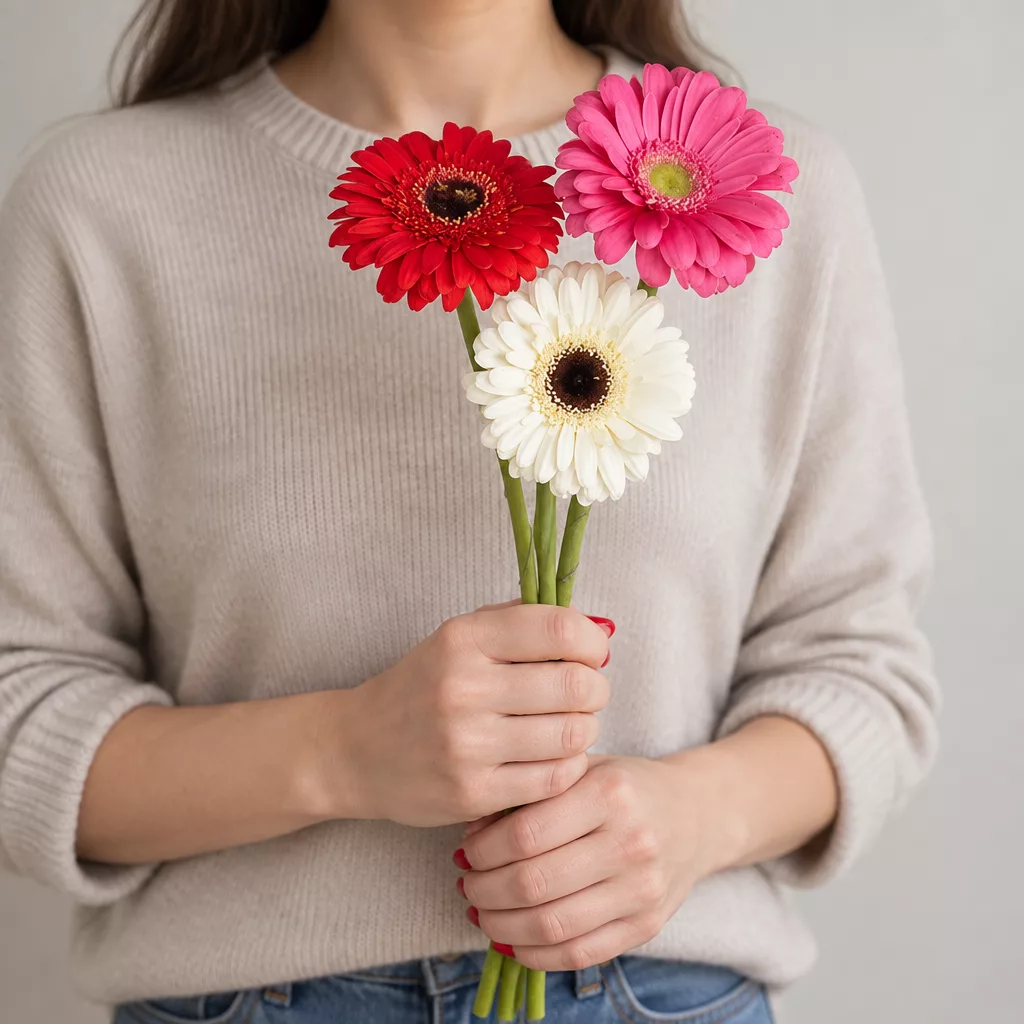
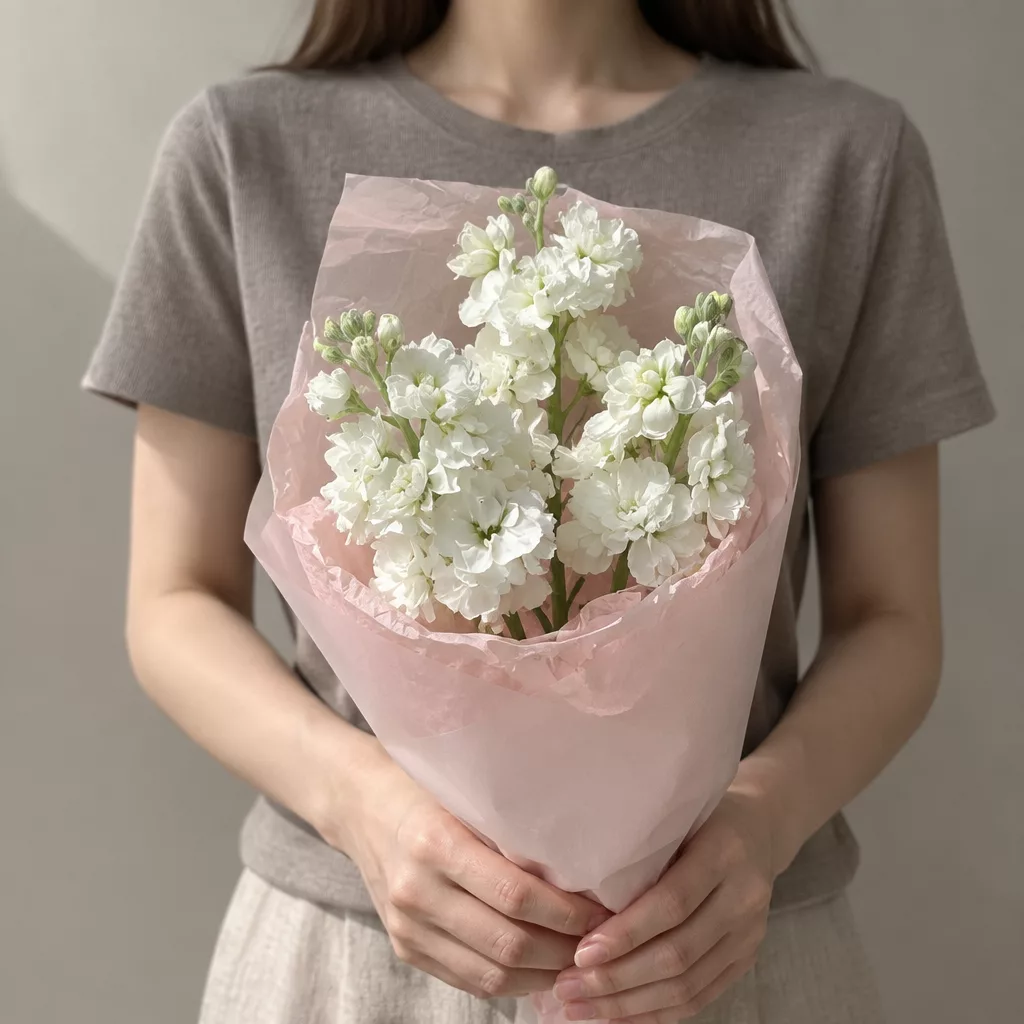
Bouquets we can deliver


Timing Your Order for a Town This Size
The honest answer about timing is that Menzelinsk is not a one-hour delivery zone. That speed is reserved for central Saint Petersburg, where a courier can be on a bicycle. For Menzelinsk, the realistic window is same-day or next-day delivery depending on when you place the order and what you are sending. Think of it the way you would think about any careful, long-distance arrangement: the earlier you order, the more options you have, and the better the flowers look when they arrive. Morning orders placed before noon local time have the best chance of same-day delivery. Evening and overnight orders are prepared fresh and dispatched the following morning. If the occasion is a birthday or anniversary, placing the order one to two days ahead is not excessive — it is sensible. It gives the florist time to source the freshest stems available that day rather than working from whatever is left at the end of a busy afternoon. For holidays like International Women's Day on the eighth of March, which is the single biggest flower day in Russia, ordering three to five days ahead is strongly recommended. Demand across every city and town in the country spikes sharply, and last-minute orders risk disappointment. Menzelinsk recipients celebrate the same occasions as everyone else in Russia, and they deserve flowers that look as though someone thought ahead. A small effort in planning produces a noticeably better result in the vase.
Choosing Flowers That Travel Well Over Distance
Not every flower is equally suited to a long journey. Some blooms are theatrical in a shop but fragile on the road — open garden roses, for example, can bruise easily if packed without care, and some tropical varieties sulk when temperatures drop below ten degrees Celsius. For deliveries to Menzelinsk, the most reliable choices are flowers with sturdy stems and petals that hold their shape during transit. Spray chrysanthemums are a practical favourite: they last ten to fourteen days in a vase, travel without drama, and come in creamy whites, deep burgundies, and soft yellows that work for almost any occasion. Alstroemeria is another strong choice — compact, cheerful, and remarkably long-lived once in water. Standard roses, particularly varieties with tighter buds, make the journey well when the temperature inside the delivery vehicle stays between two and eight degrees Celsius. Lisianthus, sometimes called eustoma, adds a soft, ruffled elegance to a bouquet and holds up beautifully in transit. What to avoid sending in deep winter: fully open peonies, which are already at their peak and will not survive cold air exposure well, and delicate single-petal anemones, which are better suited to a local same-day arrangement. In summer, avoid flowers that wilt quickly in heat, such as open tulips past their prime. A good bouquet for Menzelinsk combines one or two hero flowers — the ones the recipient will notice first — with supporting stems that add volume and greenery, all chosen with the journey in mind.
What the Recipient Will Actually Receive
When the bouquet arrives in Menzelinsk, it will be wrapped and packaged for the journey, not presented as though it just came off a display shelf. This is worth explaining to your recipient in advance if they have not received a delivery before, because the wrapping can look more protective than decorative. Inside that packaging, the flowers are fresh, hydrated, and arranged properly. Once they unwrap the bouquet, the presentation is exactly what you ordered. It helps to send a quick message telling your recipient that flowers are on the way and roughly when to expect them. This matters in a practical sense: if nobody is home, the courier cannot leave flowers outside in freezing temperatures or direct summer sun. In Menzelinsk's climate, winters are genuinely cold — January averages around minus twelve degrees Celsius — and a bouquet left on a doorstep for an hour in that weather will not survive. Ask the recipient to be available or to nominate a neighbour who can accept the delivery. The courier will call ahead, so an answered phone makes everything smooth. If there is a message card attached, it will be placed inside the wrapping so it arrives with the flowers rather than separately. The whole experience, when communication is good between sender, recipient, and courier, feels personal and considered — exactly the impression you want to make when you are sending flowers across hundreds of kilometres to someone who matters to you.
Matching the Bouquet to the Occasion and the Person
Menzelinsk is a town in Tatarstan, a republic with a strong Tatar cultural identity alongside Russian traditions. Flower giving here follows broadly the same customs as elsewhere in Russia, but it is worth knowing a few things if you are sending from outside the country. Odd numbers of flowers are standard for celebratory occasions — a bouquet of seven roses or eleven tulips is the norm. Even numbers are traditionally associated with mourning, so a gift of ten identical stems can feel jarring to a Russian recipient even if it looks balanced to you. For a birthday, warm colours tend to feel celebratory: coral and peach roses, orange gerberas, or a mixed bouquet with sunflowers if it is summer. For a romantic occasion, red roses remain the clearest signal, though a combination of red and white spray roses with eucalyptus feels more contemporary and just as heartfelt. For a new baby, soft pinks and whites with delicate greenery like ruscus or pittosporum read as tender and appropriate. For a professional occasion — a colleague's promotion or a teacher's appreciation — white or cream flowers with structured greenery feel respectful without being overly intimate. When in doubt, a mixed bouquet of seasonal flowers in a harmonious palette is always welcome. The florist's role is to make sure the combination makes sense as a whole, not just as a list of individual stems.
Seasonal Realities and What Is Actually Fresh
Flowers in Russia are imported year-round from the Netherlands, Ecuador, Colombia, and Kenya, which means roses and chrysanthemums are genuinely available in January just as they are in June. However, some flowers are only truly good at certain times of year, and a florist who respects the craft will tell you this. Tulips are at their best from February through April — they are the flower of Russian spring, and they are everywhere around International Women's Day on the eighth of March. Peonies arrive in late May and June and disappear by July; a peony bouquet in August is either from cold storage or not worth having. Sunflowers are a summer and early autumn flower, and they travel beautifully in warm weather. In winter, the reliable stars are roses, alstroemeria, chrysanthemums, and lisianthus — all of which hold up in the cold and look genuinely beautiful when arranged with care. Seasonal greenery matters too: eucalyptus is available year-round and adds a soft, aromatic quality to any bouquet. Gypsophila, the small white filler flower that Russians often call gyps, is a classic addition that gives bouquets a light, airy feel. When you are ordering for Menzelinsk in the depths of winter, lean into what is genuinely fresh rather than requesting something that will look tired by the time it arrives. A florist who knows the supply chain will guide you toward what is excellent that week, and that knowledge makes a real difference to what your recipient unwraps.
Keeping the Flowers Fresh After They Arrive
The bouquet has arrived, the recipient is delighted, and now the question is how to make it last. A few simple steps make a significant difference, and it is worth passing them along when you send your message. The first thing to do is cut the stems at an angle — about two centimetres from the bottom — using scissors or a sharp knife. An angled cut increases the surface area through which the stem draws water, and it also prevents the stem from sitting flat against the bottom of the vase and blocking itself. The vase should be clean and filled with cool, fresh water. Warm water encourages bacteria to grow quickly, which shortens vase life noticeably. Remove any leaves that would sit below the waterline, because submerged foliage rots and clouds the water fast. Change the water every two days and re-cut the stems each time. Keep the bouquet away from direct sunlight, radiators, and fruit bowls — ripening fruit releases ethylene gas, which accelerates the ageing of flowers. In Menzelinsk's heated winter apartments, the air can be very dry, which stresses flowers. A light misting of the petals with clean water once a day helps. With this care, spray chrysanthemums and alstroemeria will last ten to fourteen days. Roses typically give seven to ten days of good vase life. Lisianthus, if well-treated, can last close to two weeks. The effort is small and the reward is a living arrangement that keeps giving pleasure long after the delivery day.
Sending flowers to Menzelinsk is not complicated when you know what to expect from the distance, the season, and the occasion. Order a day or two ahead, choose flowers that travel well, make sure your recipient knows to answer the phone, and pass on the simple care instructions. The result — someone opening a door in a small Tatarstan city and finding a beautiful, fresh bouquet — is exactly what flowers are for, and the distance between you and them stops feeling quite so large.
Frequently asked questions
Can I order flowers to Menzelinsk for same-day delivery?
Same-day delivery to Menzelinsk is possible when you place your order in the morning, before noon. For afternoon or evening occasions, ordering the day before gives the florist time to prepare fresh stems and plan the courier route properly. Last-minute orders are harder to fulfil for a town at this distance, so a little planning goes a long way.
What happens if my recipient is not home when the flowers arrive?
The courier will call the recipient before arriving. If there is no answer and nobody is available, the delivery cannot be left outside — especially in winter when temperatures in Menzelinsk drop well below freezing. Let your recipient know flowers are coming and ask them to keep their phone nearby, or arrange for a neighbour to accept the bouquet on their behalf.
Which flowers are best for a winter delivery to Menzelinsk?
In winter, the most reliable choices are roses with closed buds, spray chrysanthemums, alstroemeria, and lisianthus. These varieties tolerate cold transit well and last well in a vase. Avoid fully open peonies or anemones in winter — they are too delicate for low temperatures and a long journey, and they will not look their best on arrival.
Is it true that I should send an odd number of flowers in Russia?
Yes, this is a genuine and widely observed custom. Odd numbers — five, seven, nine, eleven stems — are for celebrations and gifts. Even numbers are traditionally associated with mourning and feel out of place at a birthday or anniversary. If you are unsure, simply ask for a standard bouquet and the florist will arrange it correctly without you needing to count.
How far in advance should I order for the eighth of March?
International Women's Day on the eighth of March is the busiest flower day in Russia by a significant margin. Demand in every city and town, including Menzelinsk, surges sharply in the days before. Placing your order three to five days ahead is strongly recommended. This ensures your flowers are fresh, your preferred varieties are available, and delivery timing is confirmed without stress.
Ready to send flowers?
Pick the city, choose the bouquet, and a local florist takes it from there.
Choose a city →