Sending Flowers to Mikhaylovsk? Here Is What to Expect
You want someone in Mikhaylovsk to open the door and feel genuinely surprised — not just receive a wrapped bundle that looks tired from a long journey. Ordering flowers across Russia takes a little planning, but when it goes right, the moment is worth every detail you thought through. This guide walks you through timing, what to order for the season, how to keep the bouquet looking its best after delivery, and everything in between.
Where in Mikhaylovsk We Deliver and How Far We Reach
Mikhaylovsk in Stavropol Krai sits at a comfortable size — large enough to have distinct residential districts, small enough that a courier who knows the city can cross it efficiently. We deliver to central addresses, the newer residential quarters on the outskirts, and the private house sectors that surround the urban core. If you are sending to a village or settlement just outside the city boundary, it is always worth checking the exact postcode at checkout, because a few communities nearby carry different delivery windows.
The address format matters more than most people expect. In Russia, the standard order is city, street, building number, apartment number, and entrance code if there is one. A missing entrance code is the single most common reason a delivery slows down at the last hundred metres. If you know the recipient lives in a multi-entrance block, ask them casually beforehand or leave a note in the order comments.
We cover both apartment buildings and private homes equally. For private houses, the gate number or a landmark near the entrance genuinely helps the courier, especially in streets where numbering is not always sequential. A brief description in the comments — something like "green fence, second house from the corner" — can save several minutes and keeps the bouquet arriving at peak freshness rather than sitting in a warm car while the address is confirmed.
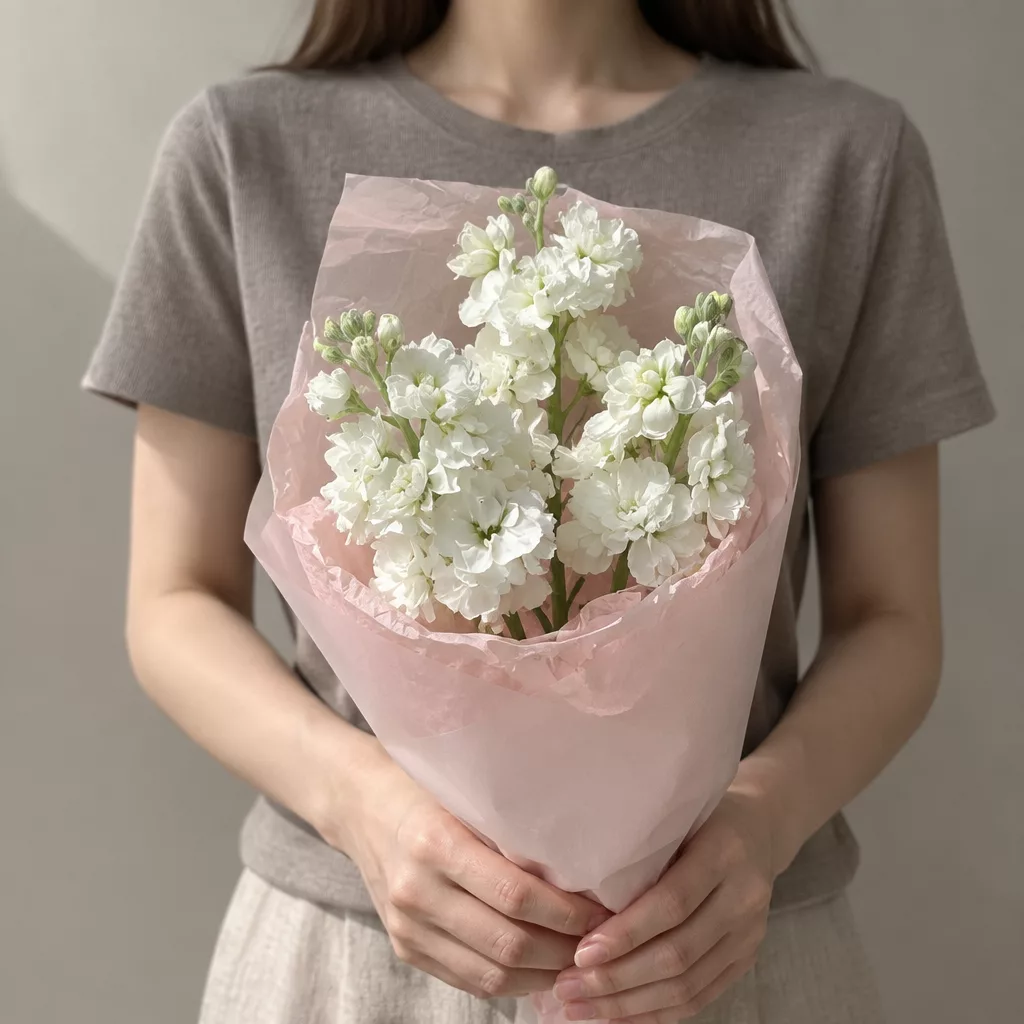
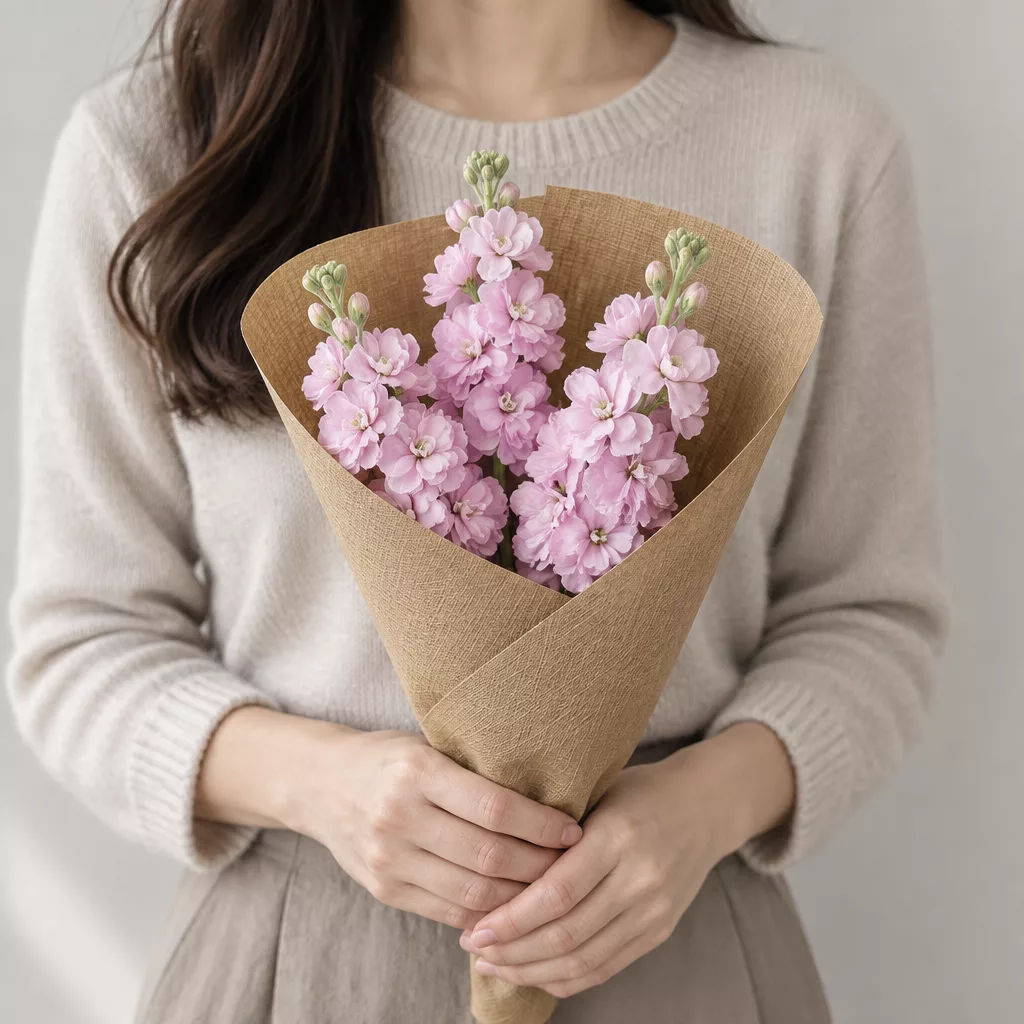
Bouquets we can deliver


Delivery Timing: What One to Two Hours Actually Means
The one-to-two-hour window is measured from the moment your order is confirmed and the bouquet is assembled, not from the second you click the button. Assembly itself usually takes fifteen to twenty minutes for a standard bouquet, a little longer for a large arrangement with conditioning stems that need to be cut and hydrated before wrapping. Once the courier leaves, the drive time depends on where in Mikhaylovsk the address falls.
Morning orders, placed before noon, tend to move fastest because traffic in the city is lighter and florists are working through fresh stock that arrived overnight. Afternoon deliveries between two and five in the evening are also reliable. The period around public holidays — and Russia has several clustered ones, including the long May break and the days around International Women's Day on the eighth of March — sees significantly higher volume, so placing your order a day ahead is genuinely useful rather than just cautious advice.
If you are planning a surprise timed to a specific moment, such as a birthday dinner or a welcome home from a trip, choose a two-hour delivery slot that ends thirty minutes before the event rather than one that ends exactly at the moment. That buffer absorbs any small variable — a traffic light sequence, a brief hold at the gate — and the flowers arrive looking composed rather than rushed. You can also leave a recipient phone number so the courier can call ahead, which most people in Russia expect and appreciate.
Choosing the Right Bouquet for the Occasion and the Person
Start from the person, not the flower. A colleague who keeps a tidy desk and rarely mentions personal life will feel more comfortable with something structured and elegant — think white spray roses arranged with eucalyptus, or a clean bundle of alstroemeria in a single colour. A close friend who fills her home with plants and colour will love something wilder: mixed seasonal blooms, garden-style stems, dahlias in autumn or ranunculus in spring.
For romantic occasions, red roses remain the most understood gesture in Russian culture, but they are far from the only option. Deep burgundy peonies in late spring, blush garden roses in summer, or a rich arrangement of orange and red gerbera in autumn all read as warm and intentional without feeling like a default choice. If the relationship is newer or the occasion is more ambiguous, softer pinks and creams carry affection without overstatement.
For birthdays, the Russian tradition of giving an odd number of flowers is worth knowing. Even numbers are associated with funeral customs, so a bouquet of eleven roses or fifteen tulips fits the occasion naturally, while ten or twelve might feel slightly off to a Russian recipient even if they cannot immediately explain why. You do not need to count every stem in a mixed arrangement — this applies mainly to single-variety bouquets. When in doubt, ask the florist to follow the tradition and they will handle the count automatically.
Seasonal Flowers That Travel Well to Mikhaylovsk
Mikhaylovsk has a continental climate with warm summers and cold winters, which means the recipient's home environment shifts considerably across the year. In July and August, indoor temperatures can climb above twenty-five degrees Celsius, and flowers that are sensitive to heat — hydrangeas, sweet peas, lily of the valley — will show stress within hours if not placed in water immediately. Roses, gerbera, and chrysanthemums handle warm rooms better and are practical choices for summer deliveries.
In winter, the challenge reverses. Flowers moving through cold air below zero need proper wrapping, and stems that freeze even briefly become soft and discoloured once they thaw. We wrap bouquets with insulating paper and protective sleeves during cold months, but the recipient should bring the arrangement indoors without unwrapping it immediately — letting it acclimatise for ten minutes in a cool hallway before removing the paper prevents the thermal shock that causes petals to spot.
Spring is the most generous season for variety. Tulips arrive in dozens of colours from February onward, ranunculus and anemones appear in March and April, and peonies begin in May. These flowers are at their best price and quality during their natural season, which means the bouquet looks more abundant for the same spend. Autumn brings dahlias, lisianthus, and spray chrysanthemums — all long-lasting and visually rich, ideal for a gift that needs to stay beautiful for several days after delivery.
What the Recipient Should Do the Moment the Bouquet Arrives
The first fifteen minutes after a bouquet arrives determine most of its vase life. The single most important step is cutting the stems — about two centimetres off the bottom, at a diagonal angle, using a sharp knife rather than scissors. Scissors compress the stem tissue and reduce water uptake; a clean diagonal cut maximises the surface area drawing water. This applies to almost every flower except succulents and dried arrangements.
Fill the vase with cool, clean water. Not cold from the tap straight away — room temperature or slightly cool is better, because an extreme temperature change after a warm delivery can shock the stems. Remove any leaves that would sit below the waterline, because submerged foliage rots quickly and clouds the water, which then blocks the stems. Change the water every two days and re-cut the stems each time.
Place the vase away from direct sunlight, heating radiators, and fruit bowls. Ripening fruit releases ethylene gas, which accelerates petal drop in roses and tulips noticeably. A north-facing windowsill or a cool interior table is ideal. In summer, a room that stays below twenty-two degrees Celsius will extend vase life by two or three days compared to a warm sunny spot. If the recipient is going out for the day, moving the vase to the coolest room in the flat is a simple habit that makes a real difference over the week.
How to Write a Card That Lands the Way You Intend
A card is not an afterthought — it is often the part the recipient reads first and remembers longest. In Russian gifting culture, the message is expected to be warm and personal rather than formal. A generic printed greeting feels noticeably thinner than a few lines that reference something specific: the occasion, a shared memory, or simply a direct expression of what you want the person to feel.
If you are writing in English for a Russian recipient, keep the language simple and clear. Idioms that feel natural in English can read as strange when translated mentally, and the recipient may share the card with family who read it differently. Direct, warm sentences work better than clever ones across a language gap.
For professional occasions — congratulating a colleague on a promotion or sending flowers to mark a business anniversary — keep the tone respectful and slightly more formal. Avoid overly familiar language that might feel out of place in a work context. For family occasions, especially to grandparents or older relatives, a respectful and affectionate tone is always appreciated; Russian family culture places real value on expressed gratitude and recognition of elders.
If you are unsure what to write, note the occasion and the relationship in the order comments. A working florist can suggest a phrase or two that fits the moment — it is a small thing that takes a minute and makes the whole gift feel considered rather than assembled.
Common Mistakes When Ordering Flowers to an Unfamiliar City
The most frequent mistake is leaving the delivery address incomplete. In Russian address systems, the apartment number, building number, and entrance number are all separate fields, and all of them matter. A building with eight entrances and two hundred apartments will slow a delivery considerably if the courier only has the street and building. Double-check the address before confirming the order, especially if you are sending to someone else's home rather than your own.
Ordering on the day of a major Russian holiday without accounting for demand is the second most common issue. International Women's Day, Valentine's Day, and the May holidays generate volumes that are three to five times normal, and last-minute orders placed on the morning of those dates may not reach the recipient at the intended time. Ordering the evening before is a simple way to avoid this entirely.
A third mistake is choosing flowers based on appearance in a photo without thinking about the recipient's environment. A delicate white orchid arrangement looks stunning but needs consistent humidity and indirect light — conditions that vary enormously between homes. If you are unsure about the recipient's living situation, choose robust varieties like roses, gerbera, or chrysanthemums that perform well across a range of indoor conditions.
Finally, some people forget to include a contact number for the recipient. In Russia, couriers routinely call ahead to confirm they are at the right entrance or to arrange a handoff if no one is home. Without a number, the delivery may need to wait or be rescheduled, which affects freshness.
Sending flowers to Mikhaylovsk is a straightforward process when you know what to plan for — the address details, the seasonal choices, the small care steps that keep a bouquet looking alive for a full week. The occasion and the person always come first: once you are clear on those two things, the rest is just practical detail, and most of it takes less than a minute to sort out at checkout. A well-chosen bouquet arriving on time, in good condition, with a card that says something real — that is the whole job, and it is very much achievable from anywhere in Russia.
Frequently asked questions
Can I order flowers to Mikhaylovsk from another city?
Yes, you can place an order from anywhere in Russia or abroad. You will need the recipient's full address including apartment and entrance number, and a local contact phone number. The order is processed centrally and delivered directly in Mikhaylovsk within the standard one-to-two-hour window from confirmation.
What happens if the recipient is not home when the flowers arrive?
The courier will call the recipient's number before arrival. If there is no answer, they will wait briefly and attempt contact again. If delivery cannot be completed, we will coordinate a new time slot with you. This is why a working recipient phone number is important — it prevents almost every failed delivery situation.
Is it true that I should give an odd number of flowers in Russia?
Yes, for celebratory occasions the tradition is to give an odd number of stems in a single-variety bouquet — eleven roses rather than ten, for example. Even numbers are associated with mourning customs and can feel out of place at a birthday or celebration. For mixed arrangements this is less strictly observed, but our florists follow the tradition automatically.
Which flowers last longest after delivery in a warm home?
Chrysanthemums, alstroemeria, and gerbera are among the most heat-tolerant and longest-lasting cut flowers, typically staying fresh for ten to fourteen days with proper care. Roses last well too, especially in cooler rooms. Hydrangeas and sweet peas are beautiful but more sensitive to warmth and need water immediately after unwrapping.
How far in advance should I order for a holiday like Women's Day?
For major Russian holidays — International Women's Day on March 8th, Valentine's Day, and the May public holidays — we strongly recommend ordering at least one day ahead, ideally the evening before. Demand on those mornings is extremely high and same-day slots fill quickly. An advance order guarantees your preferred delivery time and the best available flowers.
Ready to send flowers?
Pick the city, choose the bouquet, and a local florist takes it from there.
Choose a city →