Flower Delivery in Nakhodka: Timing, Areas and What to Expect
Nakhodka sits on the Pacific coast of Primorsky Krai, and if you have never sent flowers here before, the distance from central Russia can feel daunting. It should not. Whether you are surprising a partner on a birthday, thanking a colleague, or marking a new home, a carefully chosen bouquet travels well when the logistics are handled properly — and that starts with knowing exactly what the delivery process looks like from the moment you place your order.
Which Parts of Nakhodka Receive Same-Day Delivery
Nakhodka stretches along Nakhodka Bay and the Amerikansky Bay, which means the city has an elongated shape rather than a compact centre. Delivery reaches the central districts — Nakhodka proper, the Rybny district, and the residential areas around Nakhodkinsky Avenue — within the standard one-to-two-hour window. The port-adjacent industrial zones and some outlying residential blocks on the hills above the bay may add a small amount of time, so it is worth specifying the exact street and building number when you order.
Nakhodka shares administrative ties with the nearby settlement of Vrangel, and delivery extends there as well, though you should allow for the slightly longer road distance when choosing your delivery window. If you are sending to a workplace, confirm the building entrance and floor number — many of the newer office complexes in the port area have restricted access, and the courier will need a contact phone number to coordinate.
The most important practical step is to provide a working local phone number for the recipient. Nakhodka's street numbering in some older neighbourhoods follows a Soviet-era logic that is not always intuitive for GPS routing, and a quick call from the courier resolves any ambiguity in seconds. A correct address and an active phone number together are the two things that guarantee an on-time arrival, regardless of which district you are sending to.
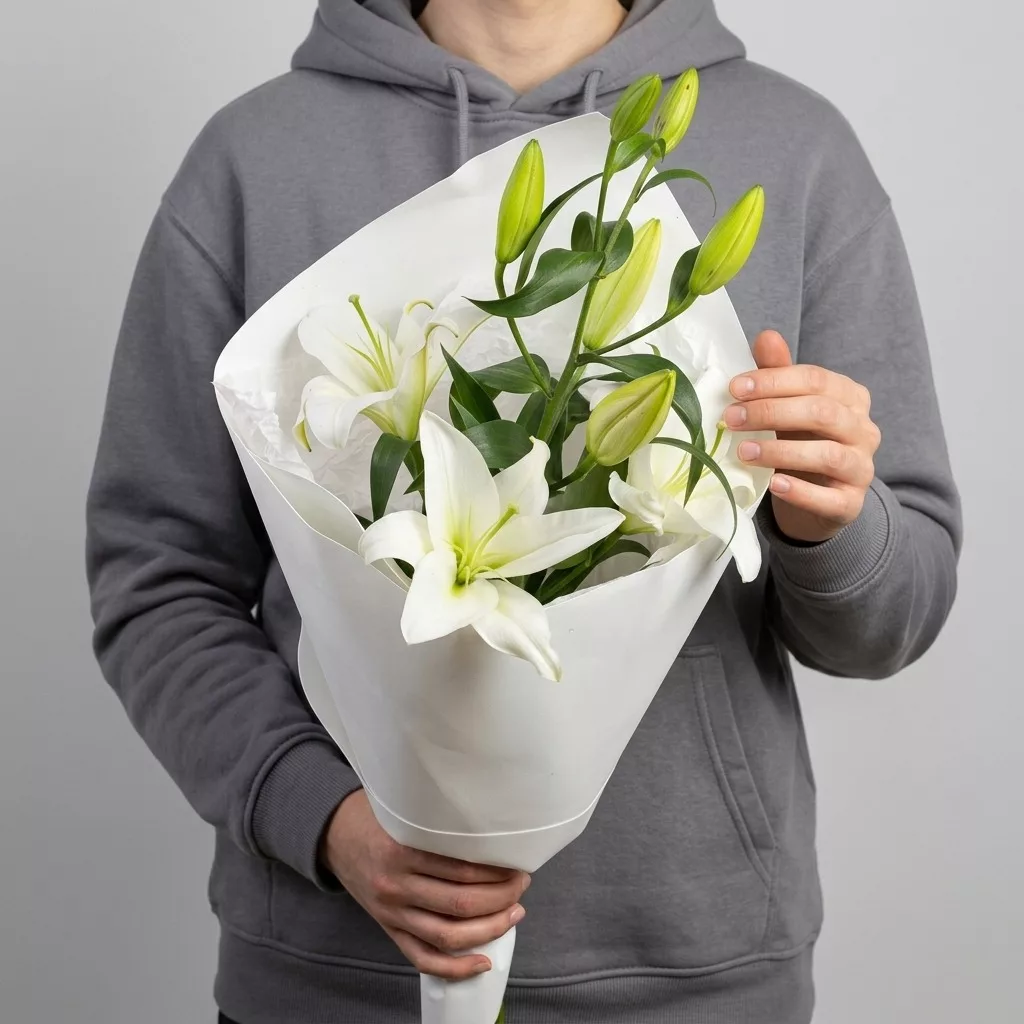
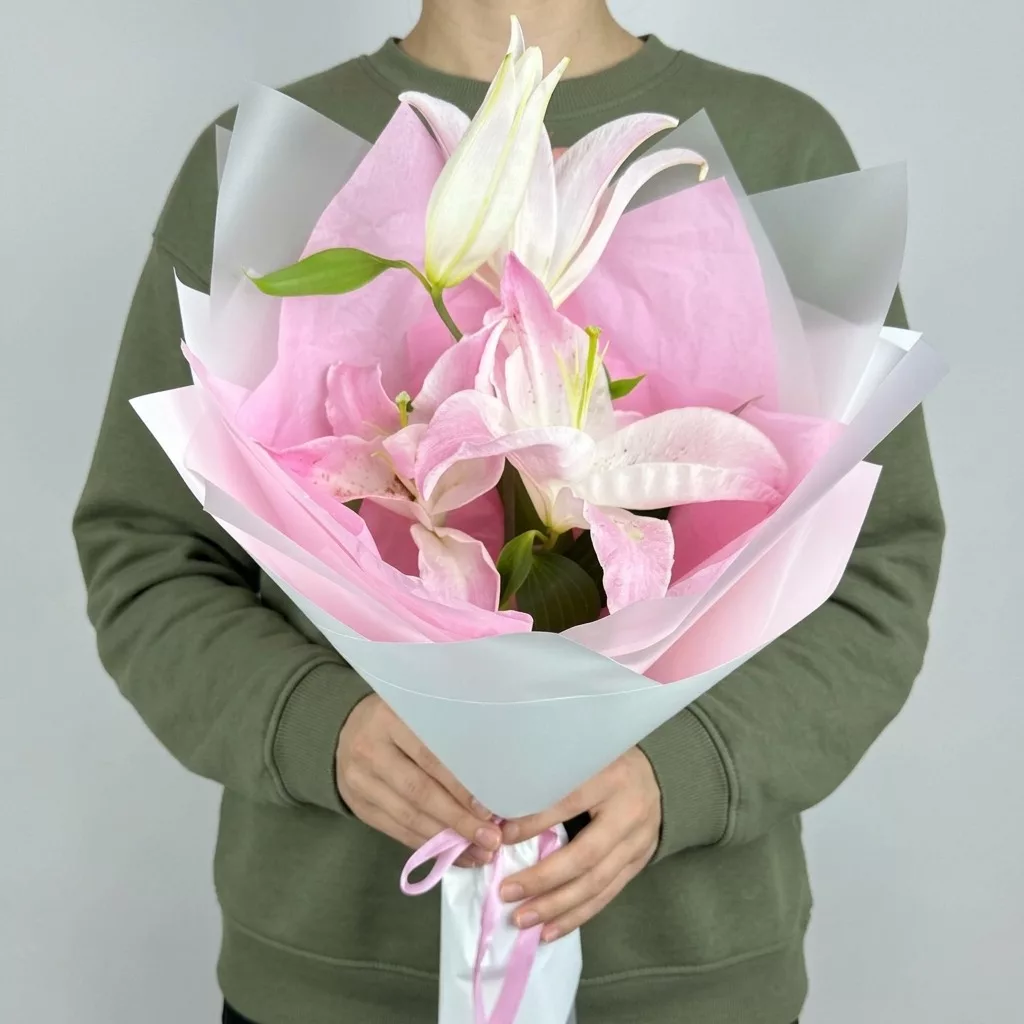
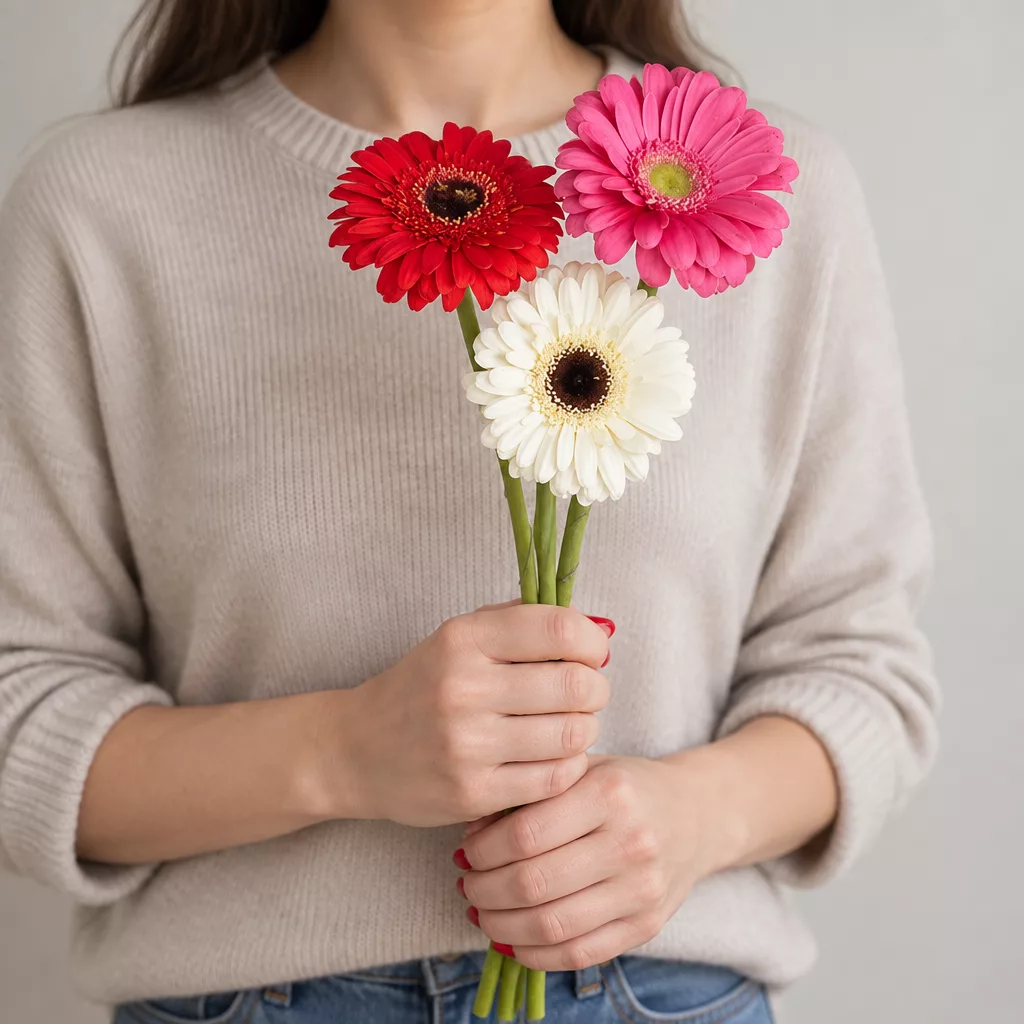
Bouquets we can deliver

Timing Your Order for the Occasion That Matters
The one-to-two-hour delivery promise applies to orders placed during operating hours, and planning around the occasion rather than the last minute makes a real difference to the result. Morning deliveries — arriving between nine and eleven — work beautifully for birthdays, because the recipient starts their day with something unexpected. Midday slots suit office congratulations well, when colleagues are present to share the moment. Evening deliveries, arriving before seven or eight, are ideal for romantic occasions when a partner comes home from work.
For significant dates — March 8th, Valentine's Day, graduation season in late June — demand across Primorsky Krai rises sharply. Placing your order the day before, or even two days ahead, means the florists can source the specific roses or peonies you want rather than working from whatever remains in the cooler. Last-minute orders on peak days are still fulfilled, but choice narrows.
Nakhodka's time zone is UTC plus ten, which is seven hours ahead of Moscow. If you are ordering from the European part of Russia or from abroad, convert the times carefully. An order placed at noon Moscow time arrives at the recipient in Nakhodka in the early evening — which may be exactly what you want, or may be too late for a lunchtime surprise. The order form will show Nakhodka local time, so always read the confirmation carefully and adjust if needed. A small timing detail like this is the difference between a bouquet that lands perfectly and one that misses the moment.
Choosing Flowers That Suit Nakhodka's Climate and Season
Nakhodka has a humid continental climate with strong maritime influence, which means summers are warm and humid while winters are cold and dry with significant wind off the bay. These conditions affect which flowers travel best at different times of year and how long they last once delivered.
In summer, from June through August, humidity is high and temperatures regularly reach twenty-five degrees or above. Roses, lisianthus and chrysanthemums handle this well because they have been conditioned in cool water and arrive in a temperature-controlled vehicle. Delicate garden flowers like sweet peas or ranunculus are more fragile in heat and should be chosen for morning delivery rather than afternoon. Sunflowers are a wonderful summer choice for Nakhodka — they are bold, cheerful and genuinely heat-tolerant.
Winter brings temperatures that can drop to minus fifteen or lower, and this is where packaging matters enormously. Bouquets are wrapped in insulating kraft and placed in thermal sleeves for cold-weather delivery. Tropical flowers such as orchids and anthuriums are more sensitive to cold shock than temperate varieties, so a rose or a spray carnation arrangement is a safer bet in January and February if the recipient lives in an unheated entrance hall where the courier might have to wait.
Spring, particularly April and May, is peony season across Russia, and Nakhodka is no exception. A generous bunch of pink or white peonies is one of the most appreciated gifts you can send during this window. They open slowly over several days, which means the recipient enjoys the bouquet rather than watching it peak and fade within twenty-four hours.
Building a Bouquet for the Person, Not Just the Occasion
The occasion tells you the register — celebratory, romantic, grateful, congratulatory — but the person tells you the details. A woman who keeps a minimalist home will appreciate five long-stemmed white calla lilies far more than a large mixed arrangement with fillers and ribbons. A man receiving flowers for the first time may find a single variety bouquet easier to appreciate than something complex. Thinking about the recipient's personality and living space is the single most useful thing you can do before selecting.
Colour carries meaning in Russian culture, and it is worth knowing a few basics if you are unfamiliar. Red roses signal romantic love clearly and directly. Yellow flowers were once considered unlucky in Soviet tradition, though this is less observed by younger generations in cities like Nakhodka. White flowers are associated with purity and celebration rather than mourning in most contemporary Russian contexts. If you are unsure, a mix of blush pink, soft peach and cream is universally warm and appropriate across almost any occasion.
For a colleague or a teacher — both common gift-giving moments in Russian life — a structured bouquet of alstroemeria, spray roses and eucalyptus branches reads as polished and thoughtful without being overly personal. For a grandmother or an older relative, classic flowers like carnations, gladioli and chrysanthemums remain genuinely beloved rather than old-fashioned. Matching the flower choice to the generation and the relationship is what separates a memorable gift from a generic one. Ask yourself what the recipient keeps on their windowsill, and start there.
What Happens Between Your Order and the Door
Once you confirm your order, the florist begins assembly immediately. Fresh stems are pulled from the cooler, where they have been conditioning in clean water at around four to six degrees Celsius — the temperature that keeps cell walls firm and slows bacterial growth. Assembly typically takes fifteen to twenty-five minutes depending on the complexity of the arrangement. A mono-bouquet of roses is faster to build than a mixed arrangement with structural elements like branches or tropical leaves.
The finished bouquet is wrapped, the greeting card is attached, and the order moves to dispatch. The courier carries the bouquet upright in a purpose-built holder rather than laying it flat, which prevents stem damage and keeps the arrangement intact. For deliveries in cold weather, the outer wrapping goes on last, just before the courier leaves, so the flowers are not sitting in packaging that traps cold air.
On arrival, the courier will call the recipient if there is no immediate answer. If the recipient is genuinely unavailable — at a meeting, for instance — the courier will wait a reasonable time and then coordinate with you as the sender. The bouquet is never left unattended in a corridor or outside a door in cold weather, because even twenty minutes at minus ten degrees can damage tropical stems or cause rose petals to blacken at the edges.
You receive a notification when the order is delivered. If anything about the condition of the flowers is not right on arrival, contact customer service the same day with a photograph — fresh flowers are a perishable product and any quality concern is resolved quickly when reported promptly.
Vase Life and Care Once the Bouquet Arrives in Nakhodka
A bouquet that is cared for correctly after delivery will last significantly longer than one that is unwrapped and placed in a vase without preparation. The single most important step is recutting the stems at a forty-five-degree angle under running water before placing them in a clean vase. This removes the air bubble that forms in the stem during transport and allows the flower to drink again immediately. Use a sharp knife rather than scissors, which can crush the stem tissue.
Fill the vase with cool, clean water — not warm, and not straight from a hot tap. Room temperature water is fine; cold water from the refrigerator is even better for roses and tulips. Remove any leaves that will sit below the waterline, because submerged foliage decays quickly and introduces bacteria that shorten vase life dramatically. Change the water every two days and recut the stems each time.
Nakhodka apartments in winter are often heated to twenty-two or twenty-three degrees, which is warm for cut flowers. Keep the bouquet away from radiators and direct sunlight, and away from fruit bowls — ripening fruit releases ethylene gas, which accelerates petal drop in roses and carnations noticeably. A cool spot near a north-facing window is ideal.
With this care, roses last seven to ten days, alstroemeria and chrysanthemums ten to fourteen days, and lisianthus up to two weeks. Peonies have a shorter vase life of five to seven days but open so dramatically that the display is worth every day. Tropical flowers like anthuriums and bird-of-paradise can last three weeks or longer if kept away from cold draughts.
Making the Gift Feel Personal From a Distance
Sending flowers from another city — or another country — carries a small risk of feeling impersonal if the order is treated purely as a transaction. The details you add are what make it feel like you were there. A handwritten-style card message is the most important element. Write something specific: not just happy birthday, but a sentence that references a shared memory, an inside joke, or something you genuinely admire about the person. The florist prints or handwrites this and attaches it to the bouquet before dispatch.
You can also request specific additions that suit the person. A small box of quality chocolates alongside the bouquet is a classic combination in Russia and is genuinely appreciated rather than seen as excessive. A potted plant — a small orchid phalaenopsis, for instance — can accompany the cut flowers and gives the recipient something that lasts for months rather than weeks. These combinations are worth considering when the occasion is significant.
Timing the delivery to coincide with a specific moment adds another layer of thoughtfulness. If you know the recipient finishes work at six, a delivery window of six-fifteen to six-thirty means they walk in the door to find the courier waiting with flowers. This level of coordination is possible when you communicate clearly at the point of ordering.
Finally, if you are sending to someone who has recently moved to Nakhodka from another city — a common situation in a port town with mobile working populations — a bouquet is a particularly warm way to acknowledge the transition. It says that distance has not changed anything, and that you are thinking of them in their new place.
Nakhodka is a city with its own rhythm — shaped by the sea, the port, and the communities that have built their lives around both. Sending flowers here is not complicated when you understand the geography, the timing and what the person on the other end will actually feel when the door opens. Choose the flowers for the recipient first, the occasion second, and let the rest follow from there. Turboflora handles the distance so that the moment feels close.
Frequently asked questions
Can I schedule a flower delivery to Nakhodka for a specific time slot?
Yes. When placing your order you can select a preferred delivery window — morning, midday or evening. On busy dates like March 8th or Valentine's Day, booking your slot the day before guarantees the time you want. Same-day slots are available but fill up quickly during peak periods, so earlier ordering gives you more flexibility.
How are flowers protected during delivery in Nakhodka's cold winters?
Bouquets are wrapped in insulating kraft paper and placed in thermal sleeves before the courier leaves. The wrapping goes on at the last moment so flowers are not sitting in cold packaging unnecessarily. Couriers carry bouquets upright in holders and never leave them unattended outdoors in freezing temperatures, protecting even delicate petals from cold damage.
Is it possible to deliver flowers to the Vrangel area near Nakhodka?
Yes, delivery extends to Vrangel. The road distance means delivery may take slightly longer than to central Nakhodka districts, so factor this into your chosen window. Providing the exact street address, building number and a working local phone number for the recipient ensures the courier can navigate without delays.
What flowers are most popular for gifts in Nakhodka?
Roses are consistently the most ordered flower year-round. Peonies are extremely popular in spring, particularly April and May. Sunflowers perform well in summer. For professional or formal occasions, chrysanthemums, alstroemeria and lisianthus are widely appreciated. Matching the flower to the recipient's personality and the season produces better results than following trends alone.
What should I do if the bouquet arrives and the flowers do not look fresh?
Contact Turboflora customer service on the same day of delivery and include a clear photograph of the bouquet. Fresh flowers are perishable, and quality concerns are resolved promptly when reported immediately. Do not wait a day or two — the sooner you get in touch, the faster and more straightforward the resolution will be.
Ready to send flowers?
Pick the city, choose the bouquet, and a local florist takes it from there.
Choose a city →