Sending Flowers to Neftekamsk? Here Is What to Expect
Neftekamsk sits in the northwest of Bashkortostan, a working city where people celebrate birthdays, anniversaries and promotions just as warmly as anywhere else in Russia. When you want to send flowers there — from Moscow, Saint Petersburg or from across town — the questions are always the same: will they arrive fresh, will they arrive on time, and will the bouquet actually look the way it does in the photo? This article answers all three, honestly and in plain language.
Which Parts of Neftekamsk We Deliver To
Neftekamsk is a compact city by Russian standards, built largely during the Soviet oil boom, and its residential districts, business centre and newer microrayons are all within a manageable radius. Turboflora delivers across the city proper, including the central streets around Komsomolsky Avenue, the residential areas near the Kama riverbank and the newer housing developments on the outskirts. If your recipient lives in one of the private house sectors — the so-called chastniy sektor — delivery is still possible, but a precise street address and a working phone number for the recipient matter more than anywhere else. GPS navigation in those areas can be unreliable, so a landmark or a gate number in the comments field of your order genuinely helps. For addresses in nearby villages or settlements outside the city boundary, get in touch before ordering so we can confirm coverage. The good rule of thumb: if the address has a Neftekamsk postcode, we almost certainly deliver there. Flowers travel in temperature-controlled packaging, which matters in a city where summer can push above 30 degrees Celsius and winter regularly drops below minus 20. The packaging is not just a box — it is part of the care chain that keeps roses turgid and tulips upright from our workroom to your recipient's door.
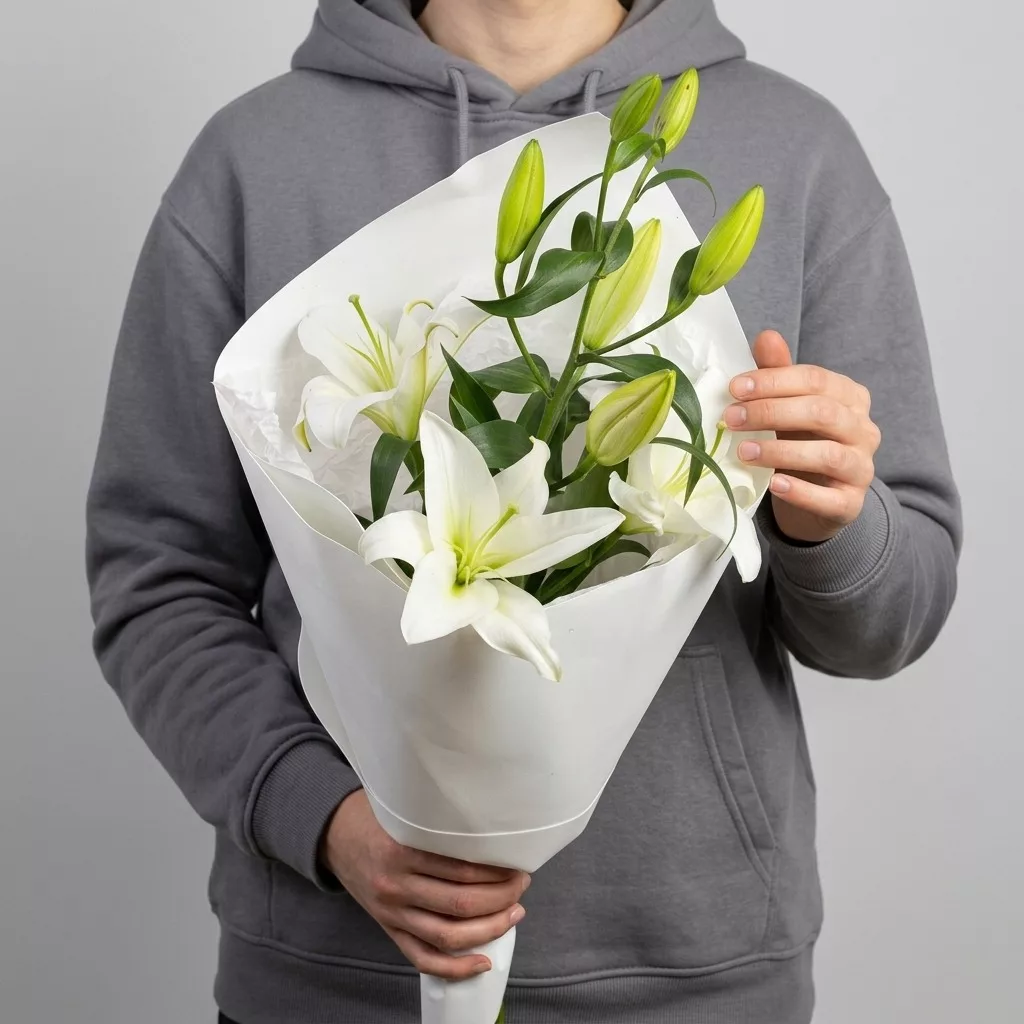
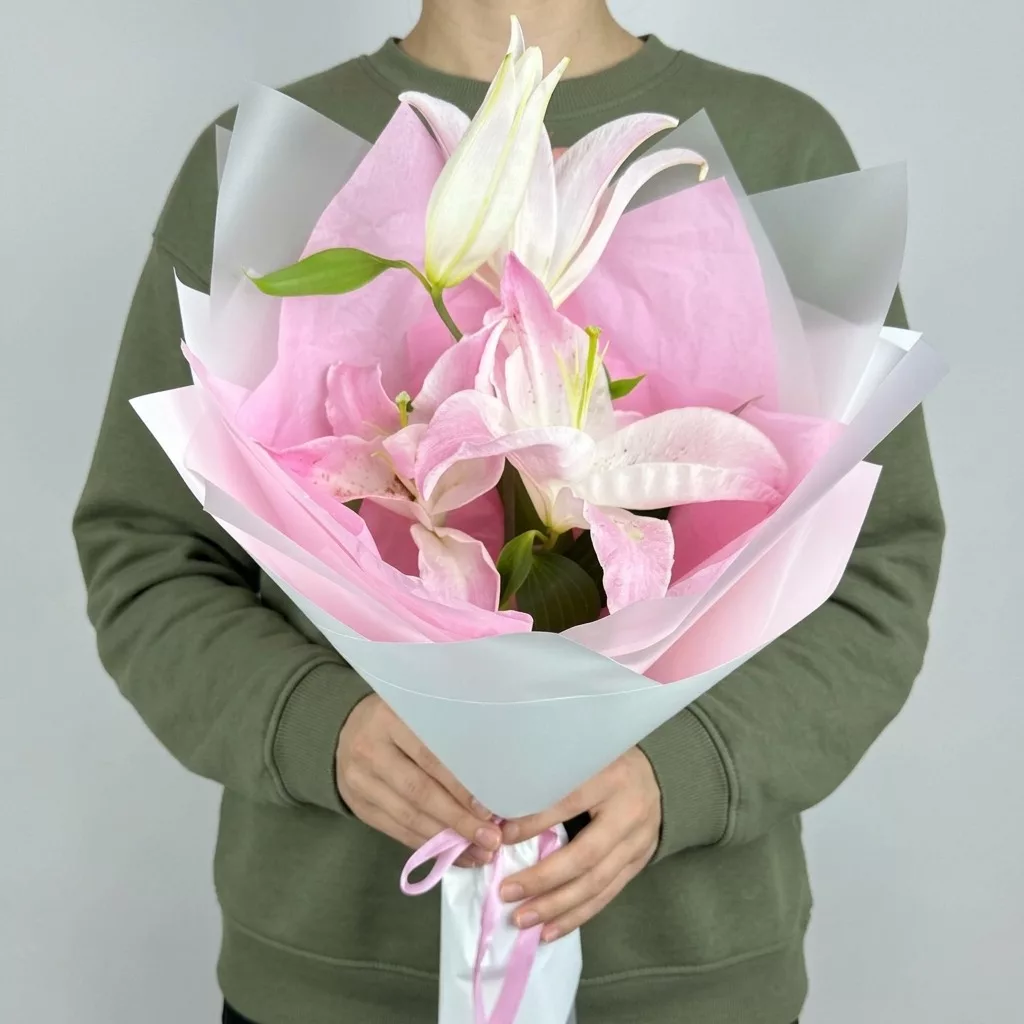
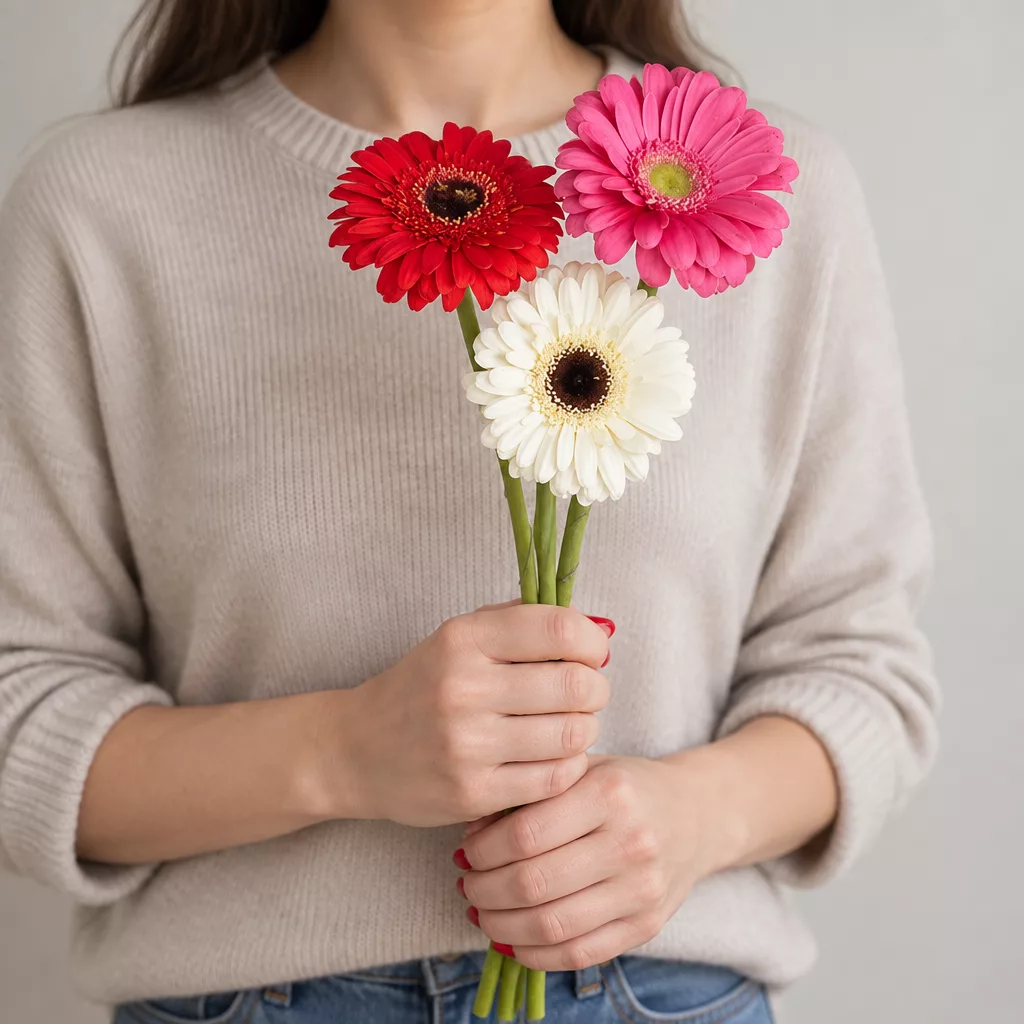
Bouquets we can deliver

Timing: What Same-Day Delivery Actually Means Here
Same-day delivery in Neftekamsk means the bouquet leaves our preparation room, travels to the recipient and arrives within the day you place the order — but the window within that day depends on when you order. Orders placed before noon local time have the widest choice of delivery slots and the most reliable early-afternoon arrivals. Orders placed in the afternoon can still reach the recipient the same evening, though the slot selection narrows. This is not a promise to knock on the door within sixty minutes the way a pizza might arrive; flowers require cutting, conditioning, arranging and wrapping, and each of those steps takes real time if they are done properly. Rushing the conditioning stage — where stems rest in fresh water before arrangement — is one of the most common reasons a bouquet wilts within a day of arrival. We do not skip it. For urgent occasions, a morning order with a flexible two-hour delivery window gives us the best chance of delivering something genuinely beautiful rather than something merely fast. If you need a specific time — say, 18:00 for a birthday dinner — place the order at least four hours in advance and write the preferred time clearly in the comments. We treat time requests seriously and will contact you if something prevents us from meeting them, rather than simply delivering late without warning.
Choosing the Right Flowers for the Occasion
The occasion shapes the bouquet more than the budget does. For a birthday, the recipient's personality matters most: someone who loves bold colour responds to sunflowers, orange gerberas and bright alstroemeria, while someone with quieter taste often prefers a monochrome arrangement of white ranunculus, cream spray roses and eucalyptus. For a work anniversary or a professional milestone, something structured and long-lasting reads as more considered — think garden roses in dusty pink or burgundy, supported by lisianthus and a few stems of waxflower for texture. For a romantic occasion, red roses remain the classic choice in Russia, and there is nothing wrong with a classic if it is executed well: tight buds, clean stems, no filler that distracts from the flower itself. What to avoid: mixed bouquets that try to include every colour available tend to look busy and age unevenly, because different varieties have different vase lives. A bouquet of roses and chrysanthemums, for example, will see the roses fade before the chrysanthemums even begin to open. Better to group flowers with similar lifespans. If you are unsure, tell us the occasion and the recipient's rough age and style in the order comments — a working florist reads those notes and uses them. That brief description is worth more than any filter on a catalogue page.
Budget Ranges and What They Buy in Practice
Flower prices in Neftekamsk, as across Russia, reflect the season and the origin of the stem. Dutch-grown roses cost more in February than in May; local greenhouse tulips are abundant and affordable in March but scarce in August. Rather than quoting fixed prices that change with the market, it helps to think in tiers of generosity. A modest but genuinely attractive bouquet — five to seven stems of a single variety, well-conditioned, with simple wrapping — makes a sincere impression without excess. A mid-range bouquet of fifteen to twenty stems, mixing two or three complementary varieties with some foliage, suits most birthdays and anniversaries. A statement arrangement, the kind that fills a room and announces itself, uses premium varieties like garden roses, peonies in season or large-headed hydrangeas, often in a hat box or a structured design rather than a traditional cone wrap. The mistake people make at every budget level is adding too many varieties to feel they are getting more. Three varieties done well outperform six varieties done indifferently. If you are sending to someone you do not know well — a colleague's wife, a client, a new neighbour — a clean, single-variety bouquet in a neutral colour like white or soft pink is almost never wrong. It reads as thoughtful rather than safe.
How Russian Flower Customs Work, Explained Plainly
If you are sending flowers to Russia for the first time, a few customs are worth knowing so the gesture lands the way you intend it. The most important: always send an odd number of stems. Even numbers of flowers are associated with mourning in Russian tradition, and while younger recipients in cities may not think about it consciously, an even number can create a faint unease. Odd numbers — seven roses, nine tulips, eleven gerberas — are for celebrations and affection. This rule applies regardless of the flower type or the occasion. Second: flowers are typically presented unwrapped at the door, or the recipient unwraps them immediately. The wrapping is part of the presentation but not the gift itself, so beautiful paper and ribbon matter — they frame the moment of receiving. Third: it is common in Russia to bring flowers when visiting someone's home for the first time, and to give them to the host rather than leaving them on a table. If you are sending flowers to accompany a visit, let us know and we can time delivery to arrive before you do. Fourth: white flowers are perfectly appropriate for happy occasions in Russia — they are not reserved for solemn events the way they are in some other cultures. White roses, white peonies and white tulips are all cheerful, celebratory choices here.
Keeping the Bouquet Fresh After Delivery
A bouquet that arrives in good condition can last anywhere from four days to two weeks depending on the variety and how it is cared for after delivery. Roses and lisianthus are among the longer-lasting cut flowers when handled well; tulips and anemones are beautiful but shorter-lived, typically four to six days. The single most important thing the recipient can do is cut the stems at an angle — about two centimetres from the bottom — immediately before placing them in water. This is not decorative; it increases the surface area through which the stem draws water. Use a clean vase, fill it with cool water and add the flower food sachet if one is included. Change the water every two days and recut the stems each time. Keep the bouquet away from direct sunlight, heating radiators and fruit bowls. Ripe fruit releases ethylene gas, which accelerates wilting in cut flowers — this is not folk wisdom, it is plant biology. In Neftekamsk's winters, if the recipient brings the bouquet in from a cold hallway or a car, let the flowers acclimatise at room temperature for thirty minutes before arranging them. Plunging cold stems into warm water causes stress. In summer, the reverse applies: a cool room extends vase life noticeably, so keeping flowers away from south-facing windows in July genuinely makes a difference of a day or two.
What to Write and How to Make the Delivery Feel Personal
The card is not an afterthought. In Russian gift culture, the accompanying message carries real weight — it is often kept long after the flowers have faded. A handwritten card, even a short one, is warmer than a printed label. When you order, write the card text in the order notes exactly as you want it to appear: punctuation, line breaks, the name you want to sign with. We transcribe it faithfully. If you are writing in English for a Russian recipient who may not read English fluently, consider a short message in Russian — we can help if you ask. For anonymous deliveries, which are genuinely popular for romantic gestures, simply note that no sender name should appear. The recipient will know or will wonder, and both outcomes are often the intention. Beyond the card, the presentation details matter: the colour of the wrapping paper, whether you want a ribbon, whether the bouquet should be in a box or a traditional cone. These are not trivial choices — they change how the moment of receiving feels. A bouquet in a kraft paper cone with a simple twine bow reads as artisanal and warm. The same flowers in a matte black box with a satin ribbon read as formal and considered. Tell us the tone you are going for, and we will match the presentation to it. The flowers and the wrapping should tell the same story.
Sending flowers to Neftekamsk is straightforward when you know what to expect: honest timing, the right variety for the season and the occasion, and a few small customs that make the gesture feel considered rather than generic. Order with enough lead time to let us do the work properly, give us a good address and a note about the recipient, and what arrives at the door will be worth the effort of sending it.
Frequently asked questions
Which flowers hold up best during delivery across Neftekamsk in summer heat?
Chrysanthemums, alstroemeria and spray roses travel well in warm weather because their stems are robust and they do not bruise easily. Delicate open peonies or garden roses with many petals are more vulnerable. If you are ordering in July or August, ask for buds that are just beginning to open rather than flowers already in full bloom.
Does the bouquet I see on the website reflect what the recipient in Neftekamsk will actually receive?
The composition and colour palette will match closely, but individual stems vary by what arrived fresh that morning. Turboflora substitutes only within the same colour family and the same style of arrangement. If the photo shows a soft pink and white mix, the recipient will receive a soft pink and white mix, not something that looks entirely different.
What bouquet makes sense for a birthday in one of Neftekamsk's residential mikrorayons where the recipient is a colleague rather than a close friend?
A medium arrangement of seasonal flowers in one clear colour — all yellow, all coral or all white — reads as generous without being overly personal. Sunflowers work well in this context because they are cheerful, recognisable and not freighted with romantic meaning. Add greenery rather than filler blooms to keep it looking intentional.
Can I write the card message in a language other than Russian?
Yes, you can leave the card text in any language you choose and it will be written exactly as you submit it. If the recipient in Neftekamsk reads Bashkir or if you want to write in English for a personal reason, that is not a problem. Just type the message clearly in the order notes field.
How do I help the recipient in Neftekamsk keep the bouquet fresh for as long as possible?
Trim the stems at an angle under running water immediately after unwrapping, remove any leaves that would sit below the waterline and change the vase water every two days. Keeping the bouquet away from direct sunlight and from radiators matters especially in winter when central heating dries the air quickly. Alstroemeria and chrysanthemums can last ten days or more with this basic care.
Ready to send flowers?
Pick the city, choose the bouquet, and a local florist takes it from there.
Choose a city →