Sending Flowers to Nerchinsk? Here Is What to Expect
Nerchinsk sits in the Zabaykalsky Krai, far from the big flower markets of Moscow and Saint Petersburg, but that distance does not mean the person you are sending flowers to should receive anything less than a beautifully fresh bouquet. Whether you are marking a birthday, celebrating a new job, or simply saying that you are thinking of someone, a well-chosen arrangement delivered on time carries the same warmth here as it does anywhere in Russia. This guide walks you through exactly how flower delivery to Nerchinsk works, what to order by season, how to protect your flowers from the cold, and what the person receiving them should do to keep them looking their best.
Where in Nerchinsk We Deliver and How the Coverage Works
Nerchinsk is a compact historic town on the Nercha River, and our delivery coverage reaches across the central residential districts, the area around the railway station, and the surrounding streets that make up the town proper. If you are sending to a specific address, the postcode and street name are enough to confirm whether the address falls within our zone. When in doubt, enter the full address at checkout and the system will verify it immediately.
Delivery here is not a same-day gamble. We plan each route carefully so that the flowers travel in temperature-controlled conditions and arrive within the promised window. For Nerchinsk, the standard delivery window is one to two hours from the moment your order is confirmed, though during peak dates such as the eighth of March or Valentine's Day we recommend ordering at least a day ahead to secure your preferred time slot.
One thing worth knowing: Nerchinsk has a continental climate with significant temperature swings between seasons. In summer the heat can reach above thirty degrees Celsius, and in winter temperatures regularly drop below minus twenty-five. Both extremes affect flowers, and our packaging accounts for this. In summer, insulated wrapping keeps petals from wilting in transit. In winter, the bouquet is wrapped in several layers of thermal material so that roses and tulips do not freeze between the vehicle and the front door. The handoff moment is brief by design.
Bouquets we can deliver

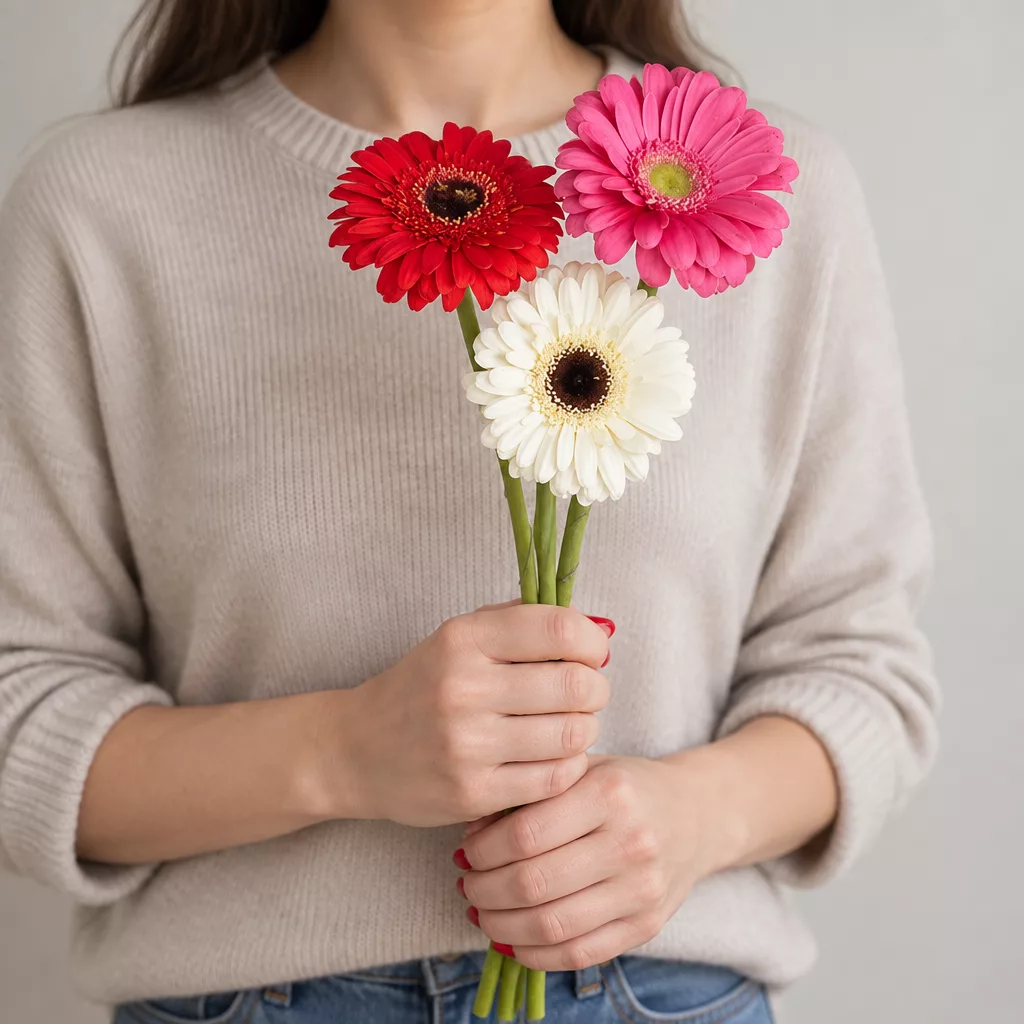
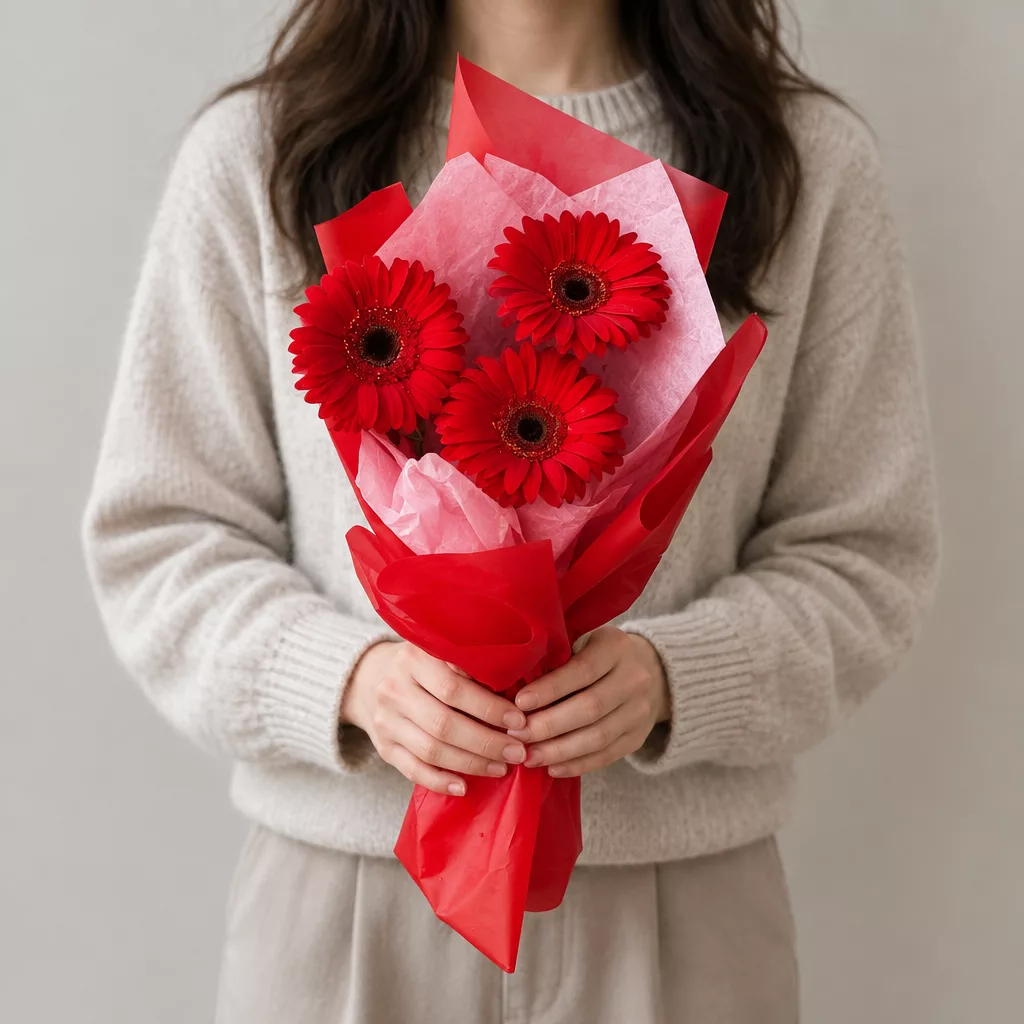
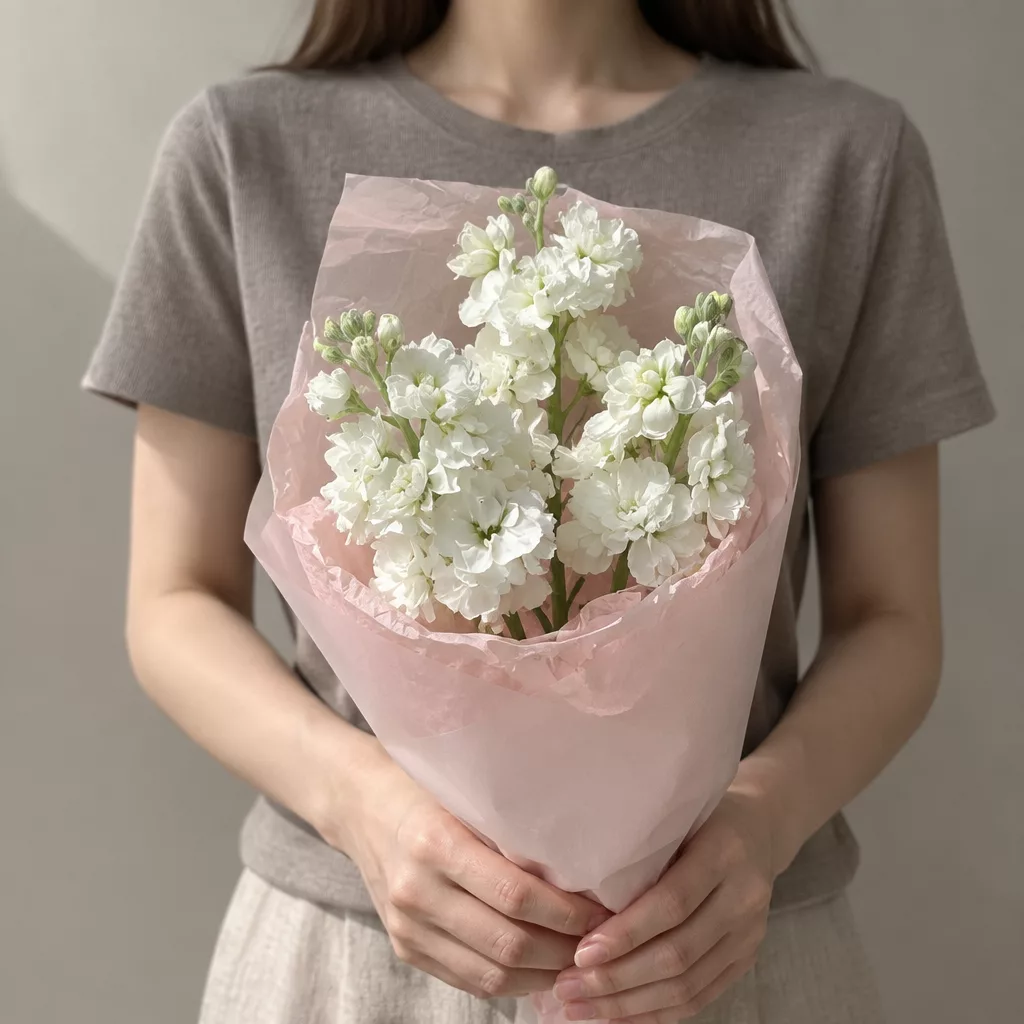
Choosing Flowers for the Person, Not Just the Occasion
Before you click on the most popular bouquet, spend a moment thinking about the recipient rather than the event. A colleague who keeps succulents on her desk probably appreciates structured, architectural flowers — think anthuriums, proteas, or tightly arranged spray chrysanthemums — more than a loose romantic mix of garden roses and gypsophila. A grandmother celebrating a jubilee birthday will almost certainly light up at classic red or coral roses, which carry a warm familiarity in Russian floral tradition.
In Russia, odd numbers of flowers in a bouquet are the standard for celebratory gifts. Even numbers are traditionally associated with mourning, so a bunch of ten stems can feel inadvertently wrong to a recipient who knows this custom. If you are not sure, our florists always compose arrangements in odd counts by default, so you do not need to calculate manually.
Colour matters too. White flowers read as elegant and sincere across most occasions. Yellow flowers, sometimes misread in other cultures as a sign of parting or jealousy, are actually widely appreciated in Russia for their brightness and cheer, particularly sunflowers and yellow tulips in spring. Pink tones work beautifully for younger recipients and for romantic gestures that feel warm rather than intense. If the person you are sending to is reserved or formal, deep burgundy roses or rich purple lisianthus signal thoughtfulness without being overwhelming. A short note in the order comments about the recipient's personality genuinely helps us make a better bouquet.
What the Season Actually Means for Your Order in Nerchinsk
Zabaykalsky Krai has a pronounced continental climate, and that shapes what flowers look their best at any given time of year. In the depths of winter, from December through February, the most reliable choices are roses, alstroemeria, carnations, and chrysanthemums. These varieties travel well in cold and hold their structure even when temperatures outside are severe. Delicate flowers such as anemones or sweet peas are harder to transport safely in those conditions and may arrive bruised.
Spring, roughly from late March through May, is when tulips arrive in their best form. Dutch tulips shipped fresh have a vase life of seven to ten days when properly cared for, and their colours — from soft white through coral to deep purple — suit the optimism of the season. This is also the season of the eighth of March, Russia's most important flower-giving date. Demand is extremely high in the week surrounding it, so ordering three to five days ahead is genuinely necessary, not just a suggestion.
Summer brings more variety. Garden roses, lisianthus, eustoma, and sunflowers are all strong choices. However, summer heat in Nerchinsk means flowers need to move quickly from cool storage to the recipient's hands. We time summer deliveries carefully to avoid the hottest part of the afternoon when possible. Autumn is excellent for dahlias, solidago, and warm-toned chrysanthemums that echo the colours of the Siberian landscape. These are sturdy, long-lasting flowers that handle the cooling temperatures well and look genuinely beautiful arranged together.
Budget Ranges and What They Actually Get You
A smaller budget does not mean a thin or disappointing bouquet — it means a smarter choice of flowers. Single-variety arrangements, such as a generous bunch of spray roses or a bold grouping of alstroemeria stems, often look more intentional and stylish than a mixed bouquet assembled from too many different flowers squeezed into a small spend. If you are working with a modest amount, tell us the number of stems matters more to you than variety, and we will build something that feels full.
A mid-range spend opens up the world of mixed bouquets with a clear focal flower — typically a large-headed rose, a peony in season, or a garden rose — supported by complementary fillers such as waxflower, eucalyptus, or pittosporum. The greenery and texture make the whole arrangement feel considered rather than assembled. This is the range where presentation really starts to shift: the wrapping, the ribbon, and the way the stems are arranged all become part of the gift.
A more generous budget allows for premium varieties that simply cannot be rushed or substituted. Peonies in late spring and early summer, garden roses with their layered petals and fragrance, large-headed hydrangeas in blue or blush, and exotic stems like bird of paradise or protea all sit here. These flowers have shorter availability windows and higher transport costs, but the impact when they arrive is immediate. They also tend to last longer in the vase because they are grown to a higher standard. If the occasion is significant — a major anniversary, a graduation, a heartfelt thank you — this range communicates it clearly.
Packaging That Protects Flowers on a Long Journey
The route from our Saint Petersburg base to Nerchinsk is not short, and the flowers that arrive at your recipient's door have been carefully managed at every stage of that journey. We cut stems at an angle before packing, which maximises water uptake during transit. Each bouquet is placed in aqua packaging — a sealed water reservoir at the base of the stems — that keeps flowers hydrated for the duration of travel without any risk of leaking through the outer wrapping.
The outer layer of packaging is chosen based on the forecast temperature at the destination on the delivery date. In winter, this means dense thermal wrapping, sometimes with an additional insulating sleeve, that prevents the petals from freezing during the brief outdoor exposure between the delivery vehicle and the building entrance. In summer, we use breathable but insulating materials that prevent heat buildup. The goal is that the bouquet arrives at roughly the same temperature as a well-maintained room.
Presentation is part of the packaging too. We do not treat the protective layer as purely functional. Kraft paper, tissue, fabric wrapping, and ribbon are chosen to match the mood of the bouquet — soft and romantic for pink roses, clean and modern for white and green arrangements, warm and earthy for autumn flowers. When the recipient opens the door, the first impression is the wrapping, and it should feel like a gift rather than a parcel. If you have a preference for a particular colour of paper or ribbon, note it in the order comments and we will do our best to match it.
What the Recipient Should Do the Moment Flowers Arrive
The first ten minutes after a bouquet arrives are the most important for its long-term vase life, and most people do not know this. The aqua packaging keeps flowers hydrated in transit, but once the bouquet is unwrapped, the stems need fresh water immediately. The recipient should unwrap the flowers, trim about two centimetres from the base of each stem at a diagonal cut — scissors work, but a sharp knife is better because it does not crush the stem — and place them straight into a clean vase filled with cool, fresh water.
The vase should be genuinely clean. Bacteria left from a previous arrangement will shorten the life of new flowers significantly. A quick rinse with a small amount of white vinegar followed by a thorough rinse with cold water is enough. Some florists recommend adding a small sachet of flower food to the water, and we include one with every bouquet. It contains a mild acidifier, a sugar for nutrition, and a biocide that slows bacterial growth. It makes a measurable difference.
Placement in the room matters more than most people realise. Flowers last longest away from direct sunlight, away from radiators and heating vents, and away from fruit bowls. Ripening fruit releases ethylene gas, which accelerates flower ageing noticeably — roses in particular will drop their petals faster if placed near a bowl of apples. A cool spot in the room, ideally between fifteen and eighteen degrees Celsius, is ideal. In Nerchinsk's warm summer interiors, moving the vase to a cooler room overnight can add two or three extra days of bloom.
How to Make the Delivery Feel Personal Across the Distance
Sending flowers to someone in Nerchinsk when you are in a different city — or a different country — can feel impersonal if the order is treated purely as a transaction. A few small choices turn it into something that feels genuinely thoughtful. The most important is the message card. A handwritten-style card accompanying the bouquet carries far more weight than a generic greeting, and you have full space in the order to write exactly what you want to say. We print it clearly and attach it to the arrangement before delivery.
Timing the delivery to coincide with a specific moment adds another layer of meaning. If the recipient finishes work at six in the evening, a delivery timed for six-fifteen means the flowers are waiting or arriving at exactly the right moment. If it is a surprise birthday delivery, coordinating with someone at the address to ensure the recipient will be home avoids the disappointment of a missed delivery. We can also arrange to leave the bouquet with a neighbour or building concierge if that is more practical.
For repeat occasions — a monthly flower subscription for a parent, a quarterly delivery to a friend — we can note preferences and build on them over time. Knowing that someone dislikes lilies, or that they have a favourite colour, or that their home is minimalist and suits architectural arrangements, allows us to make each delivery feel more considered than the last. The distance between you and the recipient is a fact of geography, but the care in the arrangement and the timing of its arrival are entirely within your control.
Nerchinsk is far from the flower markets of western Russia, but the person receiving your bouquet does not need to feel that distance. With the right variety for the season, packaging designed for Zabaykalsky Krai's climate, and a delivery timed to the moment that matters, fresh flowers arrive looking exactly as they should. The care you put into choosing — the colour, the combination, the message card — is what the recipient actually remembers, and that part is entirely yours to give.
Frequently asked questions
How far in advance should I order flowers for delivery to Nerchinsk?
For standard dates, placing your order the day before or the morning of delivery is usually sufficient to secure your preferred time slot. Around major flower-giving dates such as the eighth of March or Valentine's Day, we strongly recommend ordering three to five days ahead. Demand in those periods is high and time slots fill quickly, particularly for afternoon deliveries.
Will the flowers survive the cold Nerchinsk winter during delivery?
Yes. We use thermal insulating packaging specifically designed for low-temperature delivery. Flowers are wrapped in multiple protective layers so that the brief exposure between the delivery vehicle and the building entrance does not cause frost damage. Roses, carnations, and chrysanthemums are particularly resilient in cold transit and are excellent choices for winter orders.
Can I send flowers to a Nerchinsk address if I am outside Russia?
Absolutely. Our website accepts international orders and the checkout process works in the same way regardless of where you are placing the order from. You will need the recipient's full street address in Nerchinsk, including the apartment number if applicable. The message card can be written in any language and we will print it exactly as you enter it.
What happens if the recipient is not home when the flowers arrive?
Our courier will contact the recipient by phone before arriving. If they are temporarily unavailable, we can arrange to leave the bouquet with a neighbour, a building concierge, or to reschedule for a time that works better. We do not leave flowers unattended outdoors, particularly in winter temperatures, as this would damage the arrangement.
Are there flowers I should avoid ordering for a celebration in Russia?
The main custom to know is that even numbers of stems are traditionally associated with mourning rather than celebration. Our florists always arrange bouquets in odd numbers by default, so you do not need to count. Yellow flowers are perfectly acceptable in Russia and are widely appreciated, unlike in some other cultures where they carry a negative meaning.
Ready to send flowers?
Pick the city, choose the bouquet, and a local florist takes it from there.
Choose a city →