Flower Delivery in Nizhny Tagil: Timing, Choices and What Actually Arrives
You are somewhere else in Russia, or maybe abroad, and you want flowers to reach someone in Nizhny Tagil today. The city sits in the Ural Mountains, the winters are long and genuinely cold, and the person waiting has no idea you are already choosing their bouquet. That gap between your intention and their doorbell ringing is exactly what this article closes.
What Nizhny Tagil Looks Like as a Delivery City
Nizhny Tagil is a large industrial city in Sverdlovsk Oblast, spread across hilly terrain along the Tagil River. It is not a compact centre — residential districts stretch outward from the historic core, and some addresses sit in areas that require careful routing. Understanding this geography matters because a bouquet promised for a birthday needs to arrive before the cake is cut, not an hour after.
The city has clearly defined districts: the central area around Lenin Square, the Vagonka district in the north where many families live, the Vyia and Salda areas to the south, and pockets of newer residential development on the outskirts. Each of these zones is reachable, but the distances between them are real. A delivery from one end of the city to the other is not a five-minute drive.
For the recipient, what this means is simple: the earlier the order is placed, the more precisely the arrival time can be kept. Orders placed before noon local time give the most comfortable delivery window. Evening deliveries are possible but depend on the specific district and the day of the week. Weekends and public holidays, particularly around International Women's Day on March 8th — the single busiest flower day in Russia — require orders placed at least a day ahead. Nizhny Tagil residents celebrate that date with full seriousness, and florists across the country feel it equally.
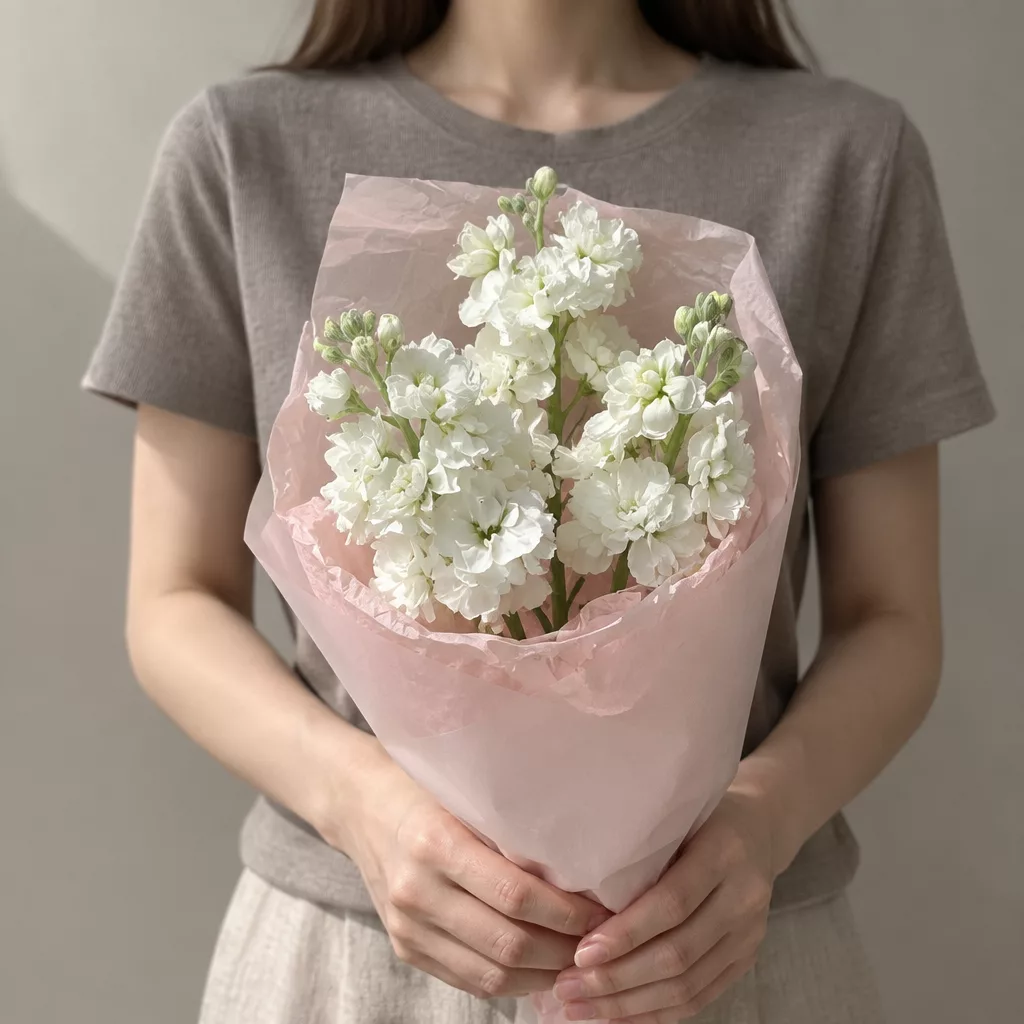
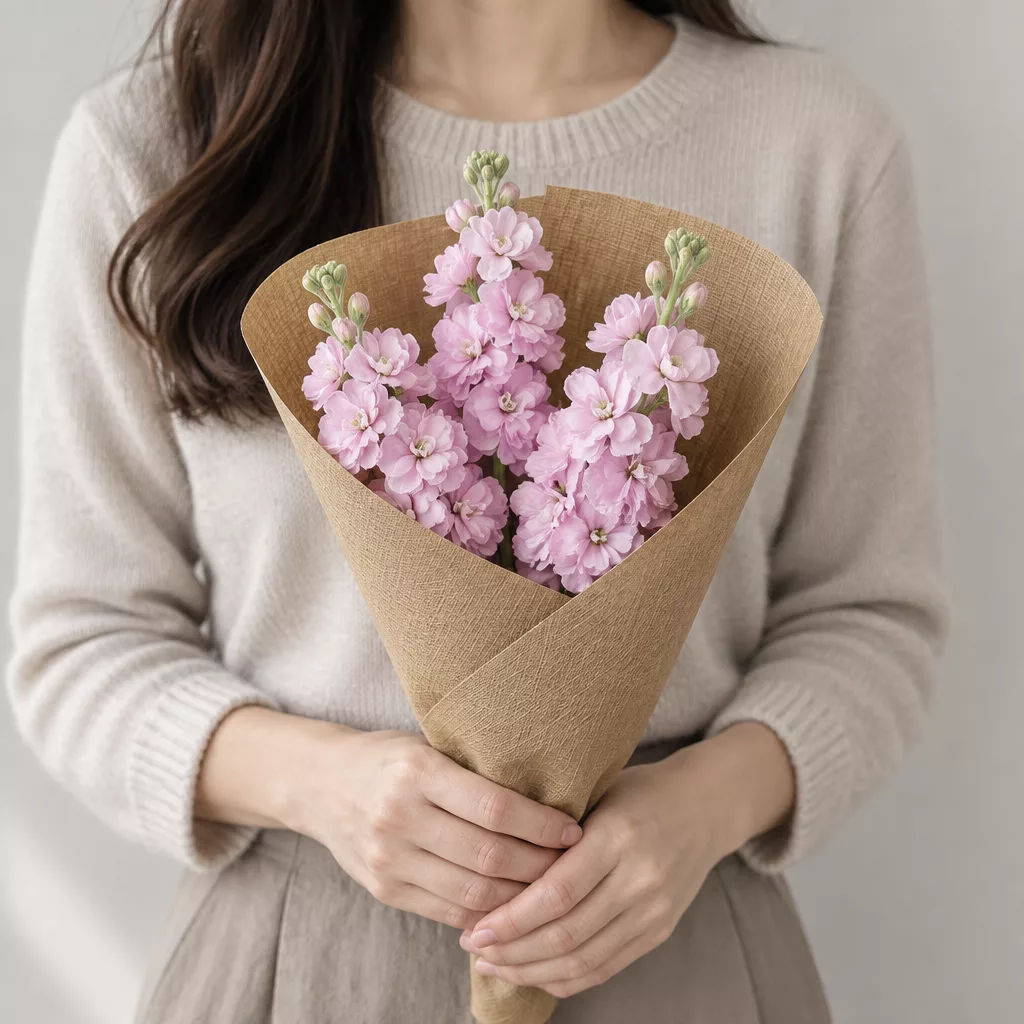
Bouquets we can deliver


Timing Your Order for the Moment That Counts
The promise of one-to-two-hour delivery depends on one honest condition: the order needs to reach us while the day is still open. For Nizhny Tagil, the practical cutoff for same-day delivery is mid-afternoon. Orders confirmed by early afternoon give us time to assemble the bouquet, condition the stems properly and route the courier through the city without rushing.
Rushing is the enemy of a good bouquet. When a courier drives too fast or a florist wraps stems without letting them drink first, the flowers arrive stressed. Roses that have been shaken in a warm car for forty minutes without water will droop within hours, no matter how fresh they were at the start. We condition stems in cool water before they leave the workroom, and bouquets travel in water-retaining wrapping that keeps the cut ends hydrated on the road.
For surprise deliveries, timing carries extra weight. If you want the bouquet to arrive while the recipient is at home and not at work, you need to think about their schedule, not just yours. A Saturday morning delivery to a Vagonka address is a different logistical picture than a Tuesday afternoon delivery to the city centre. When you place the order, you can specify a preferred time window, and we will do everything possible to honour it. The more lead time you give, the more confidently we can commit to a specific hour rather than a range.
Choosing Flowers for the Ural Climate
Nizhny Tagil has a continental climate with cold winters that regularly drop below minus twenty Celsius and warm but short summers. This matters for flowers in two ways: what survives the journey in winter, and what feels right for the season.
In deep winter, delicate tropical varieties like anthurium or bird of paradise can suffer cold shock if exposed to outdoor air even briefly during transfer from car to doorway. Roses, tulips, alstroemeria and chrysanthemums handle the cold transit far better because their cell structure is more resilient. Tulips in particular are excellent winter bouquets — they continue to open after delivery, which means the recipient watches the bouquet come alive over two or three days.
Spring in the Urals arrives later than in Moscow or Saint Petersburg. By late April the city feels the thaw, and at that point hyacinths, ranunculus and freesia become wonderful choices. Their fragrance fills a room quickly, which makes them memorable in a way that a purely visual bouquet sometimes is not. Summer allows for peonies, which are enormously popular in Russia and carry a lush, generous feeling that suits celebrations of all kinds.
Autumn is the season of dahlias, solidago and spray chrysanthemums in warm amber and burgundy tones. These combinations photograph beautifully and last well in a heated apartment, which is where most Nizhny Tagil residents spend their evenings from September onward. Matching the bouquet to the actual season outside the window is one of the simplest ways to make it feel considered rather than generic.
Bouquets for Different Occasions and Recipients
In Russia, flowers are given far more freely than in many Western countries. A man bringing flowers to a woman he is visiting for dinner is completely normal. Teachers receive bouquets from students on Knowledge Day in September and at the end of the school year. Colleagues give flowers to mark promotions, retirements and birthdays. If you are sending flowers to someone in Nizhny Tagil and you are not familiar with Russian customs, the short version is: almost any positive occasion justifies flowers, and almost any recipient will receive them warmly.
For a birthday, a mono-bouquet of roses or peonies reads as classic and respectful. Choose a number that feels generous — single stems are less common for birthdays, and large round bouquets of fifteen or twenty-five roses are genuinely appreciated. In Russian tradition, even numbers of flowers are associated with mourning, so bouquets are assembled in odd numbers: eleven roses, fifteen tulips, twenty-three mixed stems.
For a romantic gesture, combination bouquets work better than single-variety arrangements. Roses paired with lisianthus and eucalyptus feel sophisticated. Tulips mixed with muscari create a garden-like softness that is hard to resist. For a new mother, soft pinks and whites with ranunculus or garden roses feel tender without being clichéd. For a colleague or teacher, a mixed seasonal bouquet in neutral tones — creams, corals, soft yellows — is universally appropriate and avoids any impression of being too personal.
Bouquets by Budget: What Each Level Looks Like
Budget shapes a bouquet more than most people realise, and being honest about what different spending levels produce helps you choose with confidence rather than guessing.
At the entry level, you are working with three to five stems of a single variety, typically tulips, spray roses or alstroemeria, with minimal greenery. This is a sincere gesture, not a grand one. It suits a spontaneous thank-you or a small token for a neighbour. The flowers are fresh and the presentation is clean, but the visual impact is modest.
At a mid-range level, the bouquet opens up considerably. You can have a mixed arrangement of seven to eleven stems combining, for example, garden roses with waxflower and ruscus, or ranunculus with lisianthus and soft fern. This is the level where the bouquet starts to feel genuinely generous and where presentation — the wrapping, the ribbon, the way stems are arranged in a spiral — becomes visible to the recipient.
At a higher budget, the bouquet becomes an event in itself. Large-headed peonies or garden roses as the focal flower, supported by secondary flowers like sweet peas or scabiosa and finished with textural greenery like eucalyptus or pittosporum. These arrangements photograph well, fill a room with fragrance and last longer because the variety of stems means that as one flower fades, another is still fully open. For a significant birthday, an anniversary or a thank-you that needs to land with real weight, this level is worth the step up.
Care Instructions the Recipient Will Actually Use
A bouquet that arrives in perfect condition and wilts within twenty-four hours is a disappointment, and it is almost always preventable. The care card that travels with every delivery carries instructions, but explaining them here means the person ordering can also pass them along.
The first step is always water. Cut one to two centimetres from each stem at a forty-five-degree angle immediately before placing them in a vase. The diagonal cut increases the surface area absorbing water and prevents the flat bottom of a straight cut from sealing against the vase floor. Use clean, cool water — not cold, not warm. Tap water at room temperature is fine.
Keep the vase away from direct sunlight, radiators and draughts. In a Nizhny Tagil apartment in January, the radiator is running at full capacity, and placing a bouquet on a windowsill above a heating unit is one of the most common mistakes. The flowers experience heat from below and cold from the glass above, which stresses them significantly. A table in the middle of the room, away from both the window and the radiator, is the right spot.
Change the water every two days and re-cut the stems each time. Remove any leaves that fall below the waterline, as they rot quickly and cloud the water with bacteria that shortens the life of all the stems. Roses typically last seven to ten days with this care. Tulips last five to seven days. Alstroemeria can reach twelve to fourteen days, which makes it an excellent choice when you want the gesture to last through a busy week.
What Happens When Something Goes Wrong
Flowers are living things, and delivery involves real-world variables: traffic on Sadovaya Street, a recipient who stepped out for thirty minutes, a building with an intercom that does not connect. Knowing what to expect when something does not go smoothly makes the experience less stressful for everyone involved.
If the recipient is not home at the agreed time, the courier will call the number provided. In most cases, a short wait or a rescheduled drop-off resolves the situation. If the recipient is unexpectedly unreachable, we will contact the person who placed the order to discuss options. Leaving flowers unattended outside a door in winter is not something we do — a bouquet exposed to minus fifteen Celsius for an hour is not a bouquet anymore.
If a flower arrives damaged or the bouquet does not match what was ordered, the right response is to contact us with a photograph taken at the moment of receipt. We take quality seriously, and a genuine problem is something we resolve, not deflect. Photographs taken hours later, after the flowers have been in a warm room without water, are harder to assess fairly, so the moment of opening the packaging is the right time to check.
For orders placed well in advance — a week or more ahead — it is worth confirming the delivery address and recipient phone number the day before. Nizhny Tagil is a city where people move between districts, and an address that was correct two weeks ago occasionally changes. A quick confirmation costs nothing and prevents the kind of missed delivery that is genuinely nobody's fault.
Sending flowers to Nizhny Tagil is a straightforward act with a real impact on the other end. The city is reachable, the seasons shape what works best, and the customs around giving flowers here are generous and warm. Order with enough lead time, choose for the person and the moment rather than defaulting to the first option, and pass along the care instructions. The bouquet will do the rest.
Frequently asked questions
Can I order flowers for delivery in Nizhny Tagil if I am in another city?
Yes, entirely. You place the order online, specify the recipient's address and phone number in Nizhny Tagil, and we handle everything from there. You do not need to be in the same city or even the same time zone. The recipient receives the bouquet and, if you choose, a personal message card written in any language you prefer.
What is the latest time I can order for same-day delivery in Nizhny Tagil?
Orders placed by early to mid-afternoon local Nizhny Tagil time have the best chance of same-day delivery. The exact cutoff varies slightly by day and district, so if you are close to the limit, it is worth contacting us directly to confirm. For guaranteed same-day delivery, earlier is always safer, particularly for distant districts like Vagonka or Vyia.
Which flowers survive the cold Nizhny Tagil winters best during delivery?
Roses, tulips, alstroemeria and chrysanthemums handle winter transit reliably. We wrap bouquets to protect stems from cold air during the brief outdoor transfer. Delicate tropical varieties like anthurium are more vulnerable to cold shock. In January and February, we recommend these hardier varieties and will always advise you honestly if a specific flower is risky for the current temperature.
Why do bouquets in Russia always have an odd number of flowers?
Even numbers of flowers are traditionally associated with mourning in Russian culture and are brought to funerals. For any celebration — birthday, anniversary, congratulations — bouquets are assembled in odd numbers: five, seven, eleven, fifteen and so on. If you order a specific number and it is even, we will gently suggest adjusting to the nearest odd count.
How long will the flowers last after delivery in Nizhny Tagil?
With proper care, roses last seven to ten days, tulips five to seven days and alstroemeria up to fourteen days. The key steps are cutting stems diagonally before placing in cool water, changing the water every two days and keeping the vase away from radiators and direct sunlight. Nizhny Tagil apartments are well heated in winter, so distance from radiators is especially important there.
Ready to send flowers?
Pick the city, choose the bouquet, and a local florist takes it from there.
Choose a city →