Sending Flowers to Obninsk? Here Is Everything You Need to Know
Obninsk is a compact, thoughtful city — the kind of place where a bouquet arriving at the right moment says everything words cannot. Whether you are surprising someone at their apartment on Lenina Prospekt or sending congratulations to an office near the science campus, getting fresh flowers there quickly is entirely possible. This guide walks you through timing, what to order for the season, how to make your bouquet last, and what to keep in mind so nothing goes wrong on the day.
Which Areas of Obninsk We Deliver To
Obninsk is one of Russia's most walkable science cities, and its relatively contained layout works in your favour when you need flowers delivered fast. We cover the central districts around Lenina Prospekt and Pobedy Square, the residential neighbourhoods along Trefoleva and Koroleva streets, and the areas closer to the Protva river on the city's quieter edges. Business addresses near the research institutes and the Obninsk State Technical University for Nuclear Power Engineering are also within our standard delivery zone.
If you are sending to a private apartment, it helps to include the building entrance number and floor in the delivery notes. Russian apartment buildings often have several entrances, and a courier arriving at the wrong one can cost ten or fifteen minutes. That detail sounds small, but in summer heat or a January frost, it matters for the flowers as much as for the timing.
For deliveries to gated residential complexes or office buildings with security, leave the recipient's phone number in the order so our courier can call ahead. Most security desks in Obninsk will allow a florist through without difficulty, but a quick call from the recipient smooths everything. We do not need anything else from you — just an accurate address and a person who will be available to receive the order.
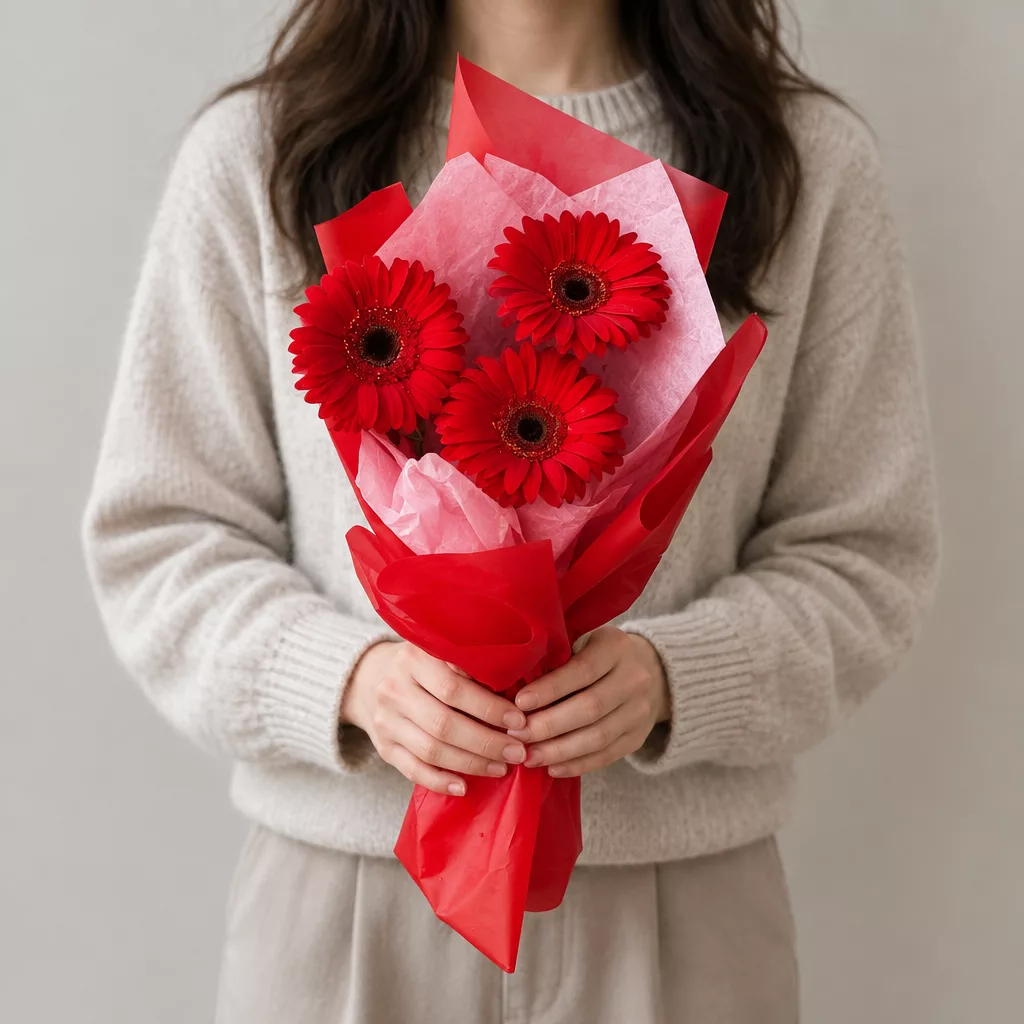
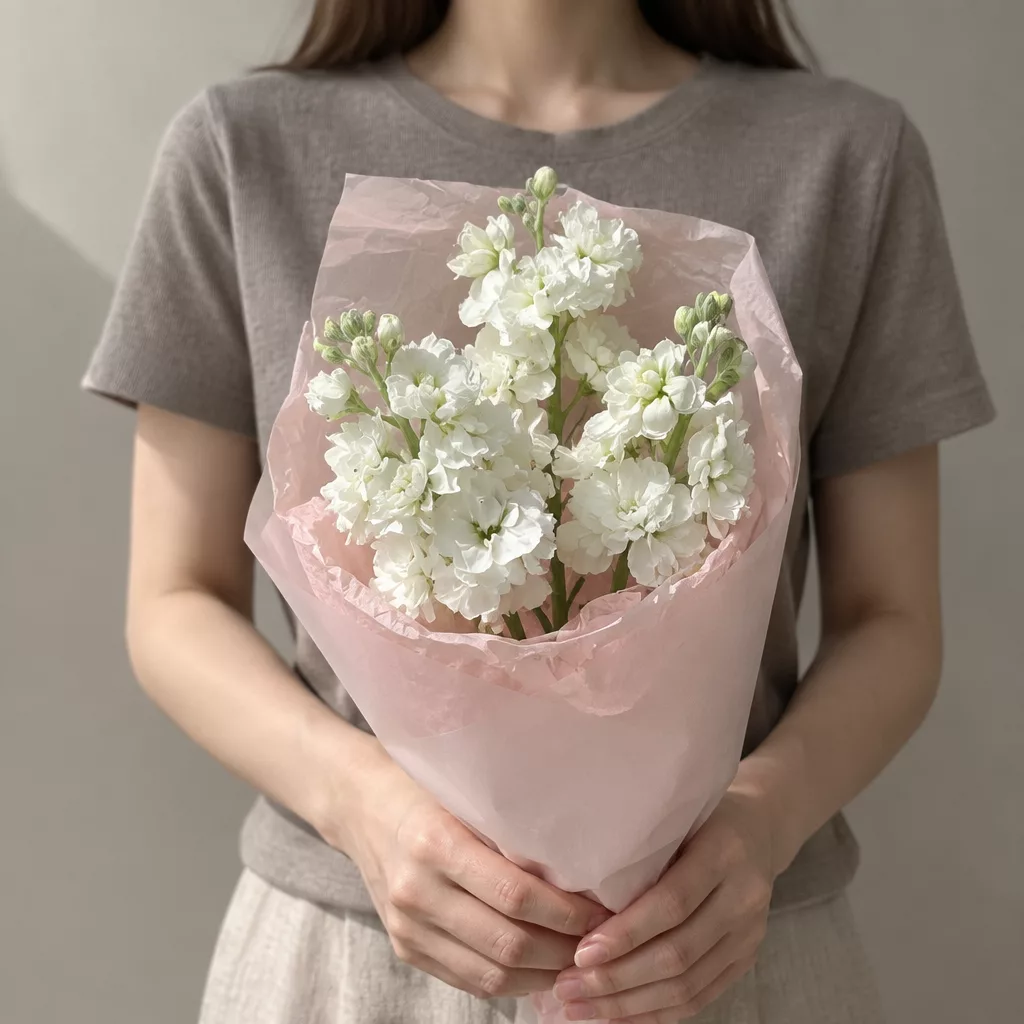
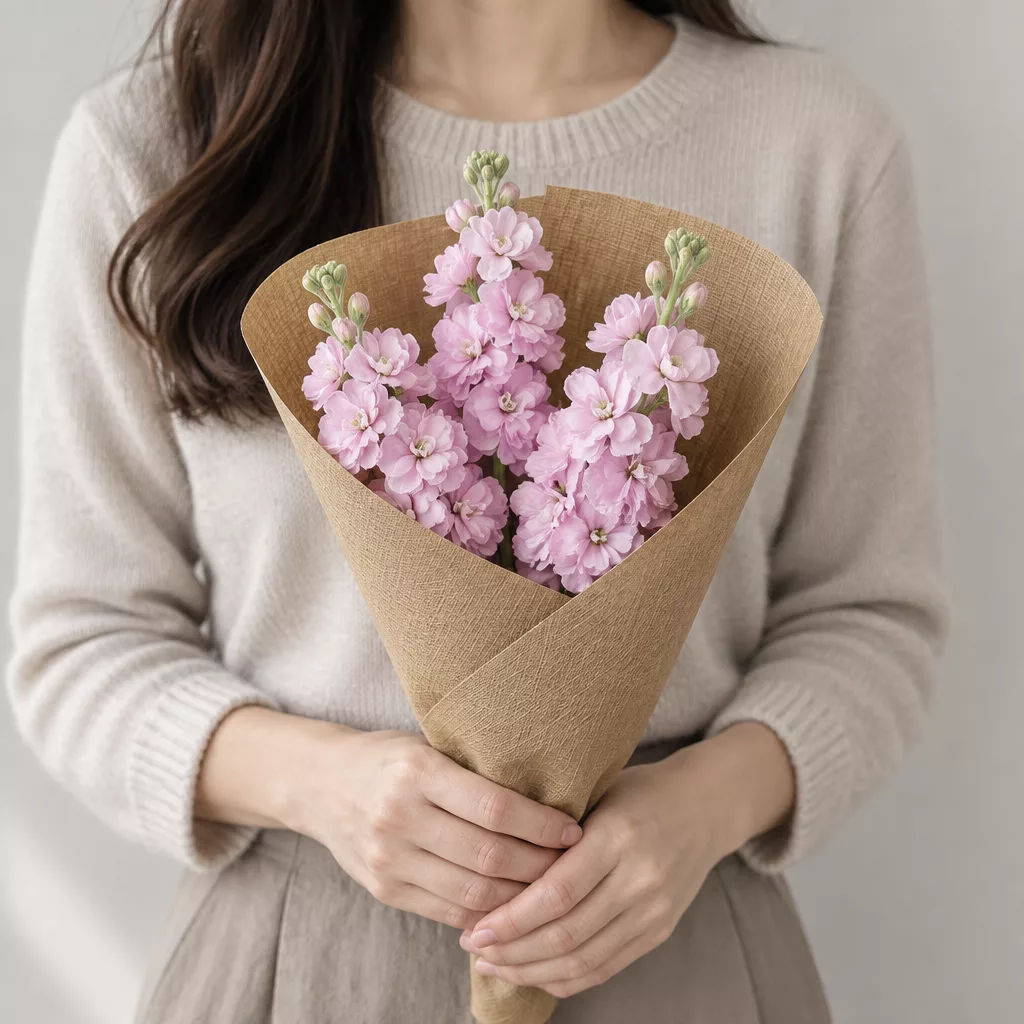
Bouquets we can deliver

Timing Your Delivery: What One to Two Hours Really Means
When we say one to two hours, we mean from the moment your order is confirmed to the moment the bouquet reaches the door. That window accounts for the florist assembling the arrangement, conditioning the stems, wrapping the bouquet, and the courier travelling to the address. In Obninsk, where distances between districts are short, deliveries often land closer to the one-hour mark than the two.
The one variable that can stretch that window is traffic on the Kievskoye Shosse, the main road connecting the Moscow region to Obninsk. During morning and evening rush hours — roughly 08:00 to 10:00 and 17:30 to 19:30 — journey times can increase. If you are planning a delivery for a specific moment, such as the start of a birthday dinner or the end of a graduation ceremony, place your order at least two and a half hours in advance during peak periods.
Late evening deliveries, typically after 21:00, are worth confirming when you place the order. It is also worth thinking about whether the recipient will actually be home. A bouquet left in a building entrance in summer can wilt within an hour. In winter, frost can damage delicate petals like those of garden roses or ranunculus in under twenty minutes if the flowers are left outside. Choosing a delivery window when someone is definitely present is the single most practical step you can take to protect your gift.
Choosing Flowers for the Occasion, Not Just the Season
The occasion shapes the bouquet far more than most people realise when they are browsing online. For a birthday, you want something with presence — tall stems, strong colour, a mix of textures. Think garden roses combined with lisianthus and eucalyptus, or sunflowers with solidago and a few stems of burgundy alstroemeria. These combinations photograph well and feel generous without being overwhelming in a home setting.
For a romantic gesture, single-variety bouquets often land better than mixed arrangements. A hand-tied bundle of peony roses in blush or cream, or a clean arrangement of white or lilac spray roses, reads as considered rather than generic. If you are not sure of the recipient's taste, white and soft pink are almost universally well received and work in any interior.
For professional occasions — a colleague's promotion, a teacher's farewell, a thank-you to a doctor — keep the palette calm and the scale moderate. A compact arrangement of chrysanthemums, freesia and greenery is appropriate without being impersonal. Avoid anything too heavily perfumed for an office environment; freesia is lightly scented and safe, while oriental lilies can be overpowering in a small room.
In Russia it is a firm custom to give flowers in odd numbers. This applies to bouquets of three, five, seven, nine and so on. Even numbers are associated with mourning and will be noticed immediately by any Russian recipient. If you are ordering from outside Russia and were not aware of this, now you are — and our florists always follow this rule automatically.
What to Order by Budget Without Compromising on Impression
A bouquet does not need to be large to feel meaningful. What matters is that the stems are fresh, the combination is intentional, and the wrapping is clean. A modest arrangement of five or seven alstroemeria stems with a few sprigs of pistache greenery and kraft paper wrapping looks far better than a large bunch of tired carnations, however generously sized.
At a modest budget, single-variety bouquets work best. Spray roses, alstroemeria, and chrysanthemums are all reliable choices that hold their shape well during transport and last seven to ten days with basic care. These are not second-choice flowers — spray roses in particular have become genuinely fashionable in Russian florist culture over the last few years, and a well-chosen colour can feel as elegant as anything more expensive.
In the mid range, mixing one hero flower with two supporting varieties creates depth. A bouquet built around garden roses, with lisianthus and ruscus as supporting elements, looks designed rather than assembled. At this level, you can also request specific colours or ask for seasonal additions — in spring, a few stems of muscari or ranunculus change the whole mood of an arrangement.
At a higher budget, the options open up considerably: peonies in season, David Austin roses, protea, or large-headed hydrangea. These flowers are statement pieces and work best when the florist keeps the surrounding elements simple so the hero variety can breathe. Resist the urge to add too many varieties at this level — restraint is what makes a premium bouquet look premium.
How Obninsk's Climate Affects Your Flowers in Transit
Obninsk sits in the Kaluga Oblast, about 100 kilometres southwest of Moscow, and its climate is genuinely continental. Winters are cold, with January temperatures regularly dropping to minus 15 or minus 20 degrees Celsius. Summers are warm, sometimes reaching 30 degrees in July and August. Both extremes create specific risks for cut flowers in transit that are worth understanding before you order.
In winter, the main danger is cold shock. Delicate petals — particularly those of garden roses, ranunculus, and anemones — can bruise or turn translucent when exposed to freezing air, even briefly. Our couriers use insulated packaging during cold months, but the moment of transfer at the door is still a vulnerable point. Ask the recipient to bring the bouquet indoors immediately and not to leave it in a cold hallway or entrance area to thaw slowly.
In summer, heat is the enemy. Cut flowers lose moisture rapidly above 25 degrees, and a bouquet sitting in a warm car for thirty minutes will arrive visibly stressed. We cut stems and condition flowers in cool water before every delivery, and our vehicles are temperature-managed. Even so, summer deliveries benefit from being placed in water within the first fifteen minutes of arrival. If the recipient is not home, even a shaded doorstep is significantly better than a south-facing one.
Spring and autumn in Obninsk are mild and actually ideal for flower delivery. Temperatures between 8 and 18 degrees are close to perfect for cut flowers, and you will generally find that bouquets delivered in April, May, September or October arrive in the best condition of the year.
Caring for the Bouquet After It Arrives
The way a bouquet is treated in the first hour after delivery determines how long it will last. The single most important step is cutting the stems. Use a sharp knife or scissors at a 45-degree angle, removing about two centimetres from each stem. The diagonal cut increases the surface area through which the flower draws water. Do this under running water or immediately before placing the stems into a vase — exposure to air for even a few seconds begins to block the cut end.
Fill the vase with cool, clean water. Warm water encourages bacteria to grow and shortens vase life noticeably. Remove any leaves that will sit below the waterline, as submerged foliage rots quickly and clouds the water. Change the water every two days, re-cutting the stems each time. This routine alone can add three to five days to a bouquet's life.
Keep the arrangement away from direct sunlight, radiators, and fruit bowls. Ripening fruit releases ethylene gas, which accelerates the ageing of cut flowers — even a bowl of apples on the same table will shorten the life of roses or tulips by a day or two. A cool room, ideally between 16 and 20 degrees, is ideal.
Different varieties have different lifespans. Alstroemeria and chrysanthemums regularly last ten to fourteen days with good care. Garden roses typically give you seven to ten days. Tulips and ranunculus are shorter-lived at five to seven days but are so beautiful at their peak that the trade-off is worth it. Knowing this in advance helps set realistic expectations for the recipient.
Small Details That Make the Delivery Feel Special
The flowers themselves are only part of what the recipient experiences. The way a bouquet arrives — how it is wrapped, whether there is a card, how the courier presents it — shapes the whole impression. A few small choices on your part can make the difference between a delivery that feels transactional and one that feels genuinely thoughtful.
A handwritten card or a personal message printed on a card is worth adding every time. In Russian culture, the accompanying note carries real weight, particularly for significant occasions like anniversaries or the birth of a child. Keep the message warm and specific — a single sentence that references a shared memory or a genuine wish is more moving than a formal greeting.
If the recipient lives alone or you know they will be at work when the bouquet arrives, consider timing the delivery to coincide with their return rather than their absence. A bouquet discovered waiting at a door is charming in a film; in reality, an hour in a warm hallway can wilt alstroemeria and open roses faster than you would expect.
For milestone occasions — a significant birthday, a graduation, a new job — consider ordering a larger arrangement and pairing it with something that complements the flowers without competing with them. A candle, a box of chocolates, or a small plant alongside a bouquet creates a moment rather than just a gift. These additions can usually be included in the same order and arrive together, making the delivery feel curated rather than assembled in a hurry.
Obninsk is a city that appreciates care and precision — qualities that happen to matter just as much in flower delivery as in any other craft. Choosing the right variety for the occasion, timing the delivery to when someone is actually home, and passing along a few simple care tips to the recipient will make your bouquet last and your gesture land the way you intended. Fresh flowers sent thoughtfully are one of the most direct ways to tell someone they were worth the effort.
Frequently asked questions
Can I schedule a flower delivery in Obninsk for a specific time?
Yes. When placing your order, you can specify a preferred delivery window. For time-sensitive occasions such as the start of a birthday dinner or a surprise arrival, we recommend ordering at least two to three hours in advance. During morning and evening rush hours on the Kievskoye Shosse, allow a little extra time to be safe.
What happens if the recipient is not home when the flowers arrive?
Our courier will call the recipient before arriving. If there is no answer, we will contact you as the sender to decide next steps — whether to leave the bouquet with a neighbour, wait briefly, or reschedule. In summer especially, we do not leave flowers unattended in warm conditions, as even thirty minutes of heat can visibly affect delicate blooms.
Is it true that flowers must be given in odd numbers in Russia?
Yes, this is a genuine and widely observed custom. Even numbers of flowers are associated with mourning and will be immediately noticed by Russian recipients. All bouquets we prepare follow this rule automatically, so you do not need to count or specify — we handle it as a matter of course on every order.
Which flowers last longest in a vase and are best for delivery to Obninsk?
Alstroemeria and chrysanthemums are the most durable cut flowers, regularly lasting ten to fourteen days with proper care. Spray roses and lisianthus also hold well for seven to ten days. Tulips and ranunculus are shorter-lived but arrive beautifully. For recipients who travel or are often away from home, alstroemeria is the most forgiving choice.
Can I order flowers for delivery in Obninsk from another city?
Absolutely. Many of our orders come from people in Moscow, Saint Petersburg, or abroad who want to send flowers to someone in Obninsk. You only need the recipient's address and phone number. Payment is made online, and we handle everything from assembly to delivery. The one to two hour window applies from the moment your order is confirmed.
Ready to send flowers?
Pick the city, choose the bouquet, and a local florist takes it from there.
Choose a city →