Sending Flowers to Pallasovka? Here Is What to Expect
Pallasovka sits deep in the Volgograd region, a town where a bouquet arriving at the door still feels like a genuine event. Whether you are marking a birthday from across the country or surprising someone who did not expect flowers today, the details matter — which blooms travel well on a long route, how to time the order, and what the recipient will actually see when the door opens. This article walks through all of it, plainly and practically.
Where Pallasovka Sits and Why Distance Shapes the Delivery
Pallasovka is a small city in the eastern part of the Volgograd region, close to the border with Kazakhstan. The surrounding steppe landscape means hot, dry summers and cold winters, and that climate matters more than most people realise when sending flowers. A bouquet that handles a Moscow summer without trouble may arrive wilted if it spends too long in a vehicle crossing an unshaded road in July heat.
The route from Saint Petersburg to Pallasovka covers a significant stretch of Russia, which is why Turboflora plans each delivery with temperature and travel time in mind. Flowers are packed in insulated wrapping during warm months and protected from freezing during the colder season, roughly October through March. These are not decorative gestures — they are the difference between a bouquet that looks fresh on arrival and one that does not.
Understanding the geography also helps you set realistic expectations for the recipient. Pallasovka is not a major hub, so the delivery experience feels more personal and considered than an urban drop-off. The person receiving the flowers will often know the bouquet has come a long way, and that journey itself adds meaning to the gesture. Choosing the right varieties for that journey, and ordering with enough lead time, is the foundation of a successful delivery here.
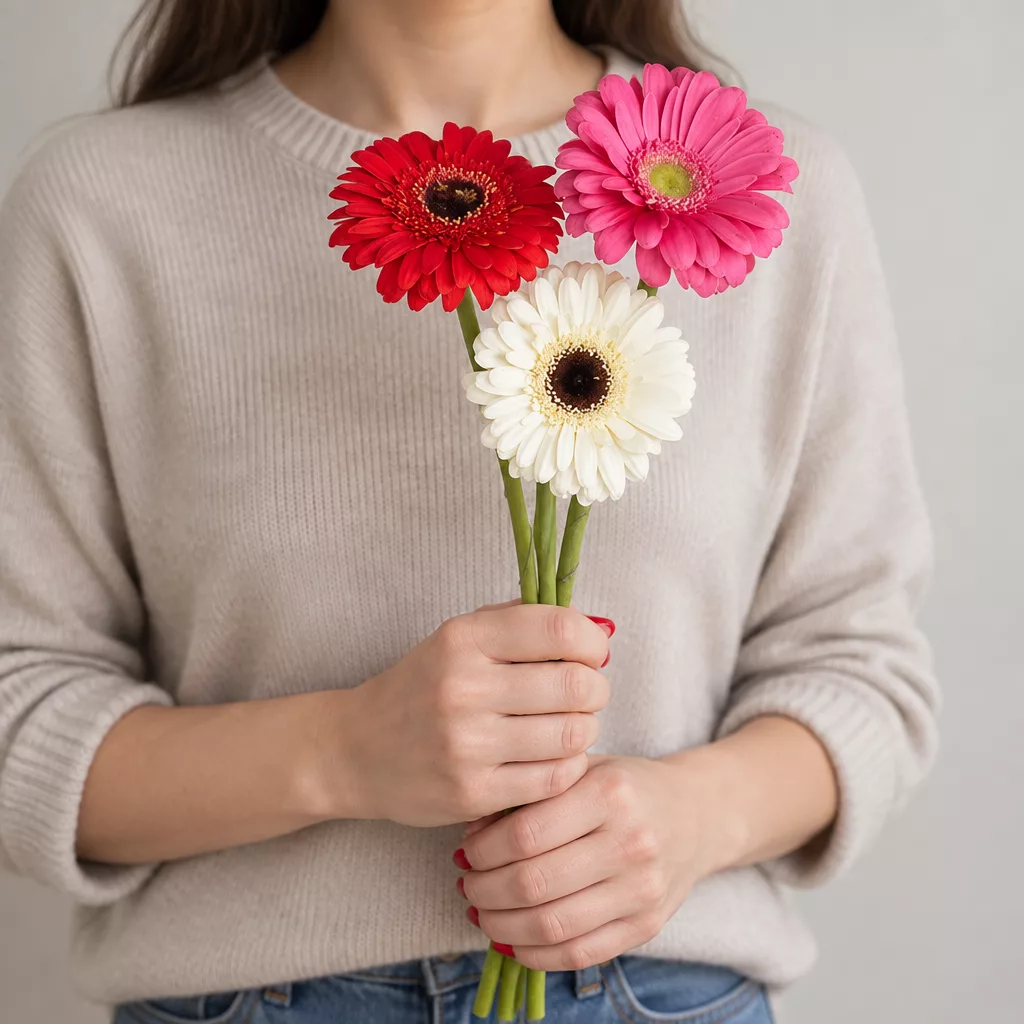
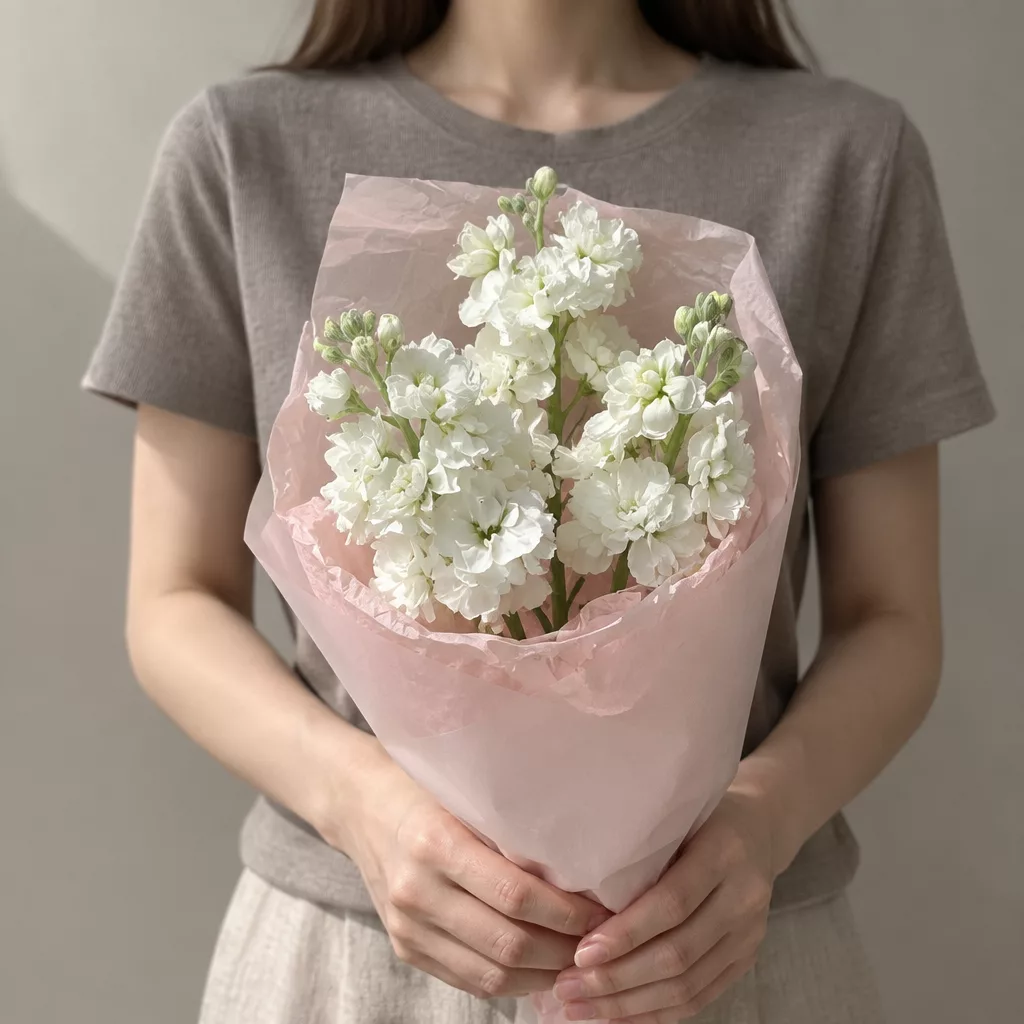
Bouquets we can deliver


Timing Your Order: When to Place It and What Lead Time Looks Like
The one-to-two-hour delivery window that works in central Saint Petersburg does not apply to Pallasovka. Deliveries to smaller cities in the Volgograd region require more planning, and the honest answer is that same-day delivery depends entirely on when you place the order and what the logistics allow on that specific date. The safest approach is to order at least one day in advance, and for significant occasions like anniversaries or major birthdays, two days ahead removes almost all uncertainty.
Morning orders placed before noon local time generally have the best chance of reaching the recipient the same day if the route and volume allow it. Evening orders for a next-day delivery are very reliable and give the florist time to select the freshest stems available for the journey. If you have a specific time window in mind — say, before a family dinner or before the recipient leaves for work — mention it clearly in the order notes.
Russian name-day celebrations and national holidays create spikes in demand that affect the entire country, not just big cities. March 8th, which is International Women's Day, is the single busiest flower date in Russia and is treated as a major occasion by almost everyone. Ordering four to five days ahead for that date is not excessive — it is simply practical. February 14th and February 23rd, the Defender of the Fatherland Day, also see sharp increases. Planning around these dates protects both the freshness of the flowers and your peace of mind.
Choosing Flowers That Travel Well to the Volgograd Region
Not every flower is built for a long delivery. Delicate varieties like sweet peas, anemones, and garden ranunculus are stunning in a local shop but lose their composure quickly when moved over distance, especially in heat. For Pallasovka deliveries, the most reliable choices are roses, chrysanthemums, spray carnations, alstroemeria, and lisianthus. These varieties hold their structure and colour through transit and still look intentional when they arrive.
Roses are the most universally understood flower in Russia, and a well-chosen rose bouquet reads clearly across generations and occasions. Ecuadorian roses with their large heads and long stems are particularly good travellers because the petals are dense and slow to bruise. For a softer, more romantic look, lisianthus mixed with white or blush spray roses creates a combination that photographs beautifully and stays fresh for several days after arrival.
Chrysanthemums deserve more credit than they often receive. In Russia they are associated with autumn and used widely in seasonal arrangements, and their vase life of ten days or more makes them a genuinely practical choice for a recipient who lives alone or travels often. Alstroemeria, sometimes called Peruvian lily, is another strong option — its multiple blooms open gradually, so the recipient gets a bouquet that evolves over nearly two weeks. Combining alstroemeria with eucalyptus branches gives the arrangement a modern, structured look that works in any interior.
What the Recipient in Pallasovka Will Actually Experience
In smaller Russian cities, a flower delivery at the door is still a notable event. The recipient is unlikely to be indifferent, even if they are someone who does not usually think about flowers. Knowing this helps you choose the presentation thoughtfully — a beautifully wrapped bouquet with a handwritten card carries a different weight than a bare bunch, and in a town like Pallasovka that presentation is remembered.
Turboflora wraps bouquets in paper or fabric that protects the stems during transit while still looking considered when unwrapped. The card message is printed clearly and placed where it will be seen immediately. If you want the note to feel personal, write it in your own words rather than choosing a generic phrase — recipients in any city notice the difference, and in a small city it matters even more.
The delivery itself is handled with care at the door. In Russia it is common for the recipient to invite the delivery person in briefly, particularly in colder months, so the handover tends to be warm rather than transactional. If you are sending flowers as a surprise, it helps to confirm the recipient's address carefully — building numbers and apartment numbers in Russian cities follow a consistent system, but small errors cause delays. Double-check the flat number and any entry code for the building, as many residential blocks in Russian cities use a code panel at the entrance.
Seasonal Considerations: Summer Heat and Winter Cold in the Steppe
The Volgograd region experiences some of the most extreme temperature swings in European Russia. Summer temperatures in Pallasovka regularly exceed 35 degrees Celsius, and the steppe wind accelerates moisture loss in cut flowers. Winter drops well below minus 15 degrees Celsius for weeks at a time. Both extremes require specific handling, and ignoring them is the most common reason a bouquet disappoints on arrival.
In summer, the priority is keeping flowers cool and hydrated throughout transit. Stems are cut fresh, placed in water-retaining gel sachets or damp wrapping, and packed in insulated materials. Varieties with waxy petals, like roses and carnations, handle heat significantly better than thin-petalled flowers. If you are ordering in July or August, it is worth choosing a bouquet that leans on these sturdier varieties rather than insisting on something more fragile.
In winter, the risk shifts to freezing. Exposed petals can sustain damage in under ten minutes at minus 15, and even brief exposure during a handover on a cold doorstep can leave marks on roses. Turboflora uses thermal wrapping in cold months and times deliveries to minimise the time flowers spend in unheated spaces. As a sender, you can help by making sure someone will actually be home to receive the bouquet — a bouquet left outside in a Russian winter, even briefly, is a bouquet at risk. Communicating the delivery window to the recipient in advance is a small step that protects the whole gesture.
Occasions That Suit a Delivered Bouquet in a Smaller City
Flowers sent to Pallasovka carry a particular kind of meaning because the act of sending them from a distance is itself part of the message. You are saying that the occasion mattered enough to arrange something thoughtful across hundreds of kilometres. That context shapes which occasions work best and how the bouquet should be composed.
Birthdays are the most common reason people send flowers to smaller cities, and they work beautifully precisely because the surprise element is easy to preserve. A bright arrangement of orange and yellow roses with green button chrysanthemums reads as celebratory and energetic — appropriate for almost any age and relationship. For a more elegant birthday arrangement, white lisianthus with pale pink spray roses and silver-green eucalyptus creates something that feels curated rather than generic.
Anniversaries call for something with more weight. Deep red roses remain the classic choice in Russia, and a full arrangement of thirty or more stems makes an impression that a mixed bouquet simply cannot replicate. If the couple has a favourite flower from their wedding or a meaningful colour, incorporating it into the arrangement adds a layer of personal attention that the recipient will notice.
New baby congratulations are another occasion that travels well. Soft pastel arrangements — blush carnations, white alstroemeria, pale lavender lisianthus — communicate warmth without overwhelming a household that is already adjusting to new rhythms. Avoiding strongly scented flowers like lilies is considerate when a newborn is in the home, since intense fragrance can be uncomfortable in a small room.
Caring for the Bouquet After It Arrives: Advice for the Recipient
A flower that has travelled to Pallasovka deserves a good start in its new home. The first thing the recipient should do is re-cut the stems at an angle, about two centimetres from the bottom, using a clean knife or sharp scissors. This opens up the stem's water channels, which may have sealed slightly during transit. Doing this under running water or in a bowl prevents air from entering the cut immediately.
The vase should be clean and filled with fresh, cool water at room temperature. Adding the sachet of flower food that comes with the bouquet makes a real difference — it contains a mild acidifier, sugar, and a biocide that together extend vase life by several days. If the sachet is not available, a small pinch of sugar and a drop of bleach in the water achieves a similar effect, though the commercial sachets are more precisely balanced.
Placement matters as much as water chemistry. Flowers last longest away from direct sunlight, heating vents, and fruit bowls — ripening fruit releases ethylene gas, which accelerates ageing in cut flowers. A cool room, ideally between 16 and 20 degrees Celsius, is ideal. Changing the water every two days and re-cutting the stems each time adds another three to four days of vase life for most varieties. Roses and chrysanthemums managed this way can last ten days or more, which means the gesture continues to be visible long after the delivery day.
Sending flowers to Pallasovka is a meaningful act that asks a little more planning than a local delivery, but that planning is entirely manageable when you know what to account for. Order with enough lead time, choose varieties that travel well in the current season, write a card message in your own words, and make sure someone will be home to receive the bouquet. The recipient on the other end will feel the care that went into the decision, and that feeling is exactly what flowers are for.
Frequently asked questions
Can I send flowers to Pallasovka the same day I order?
Same-day delivery to Pallasovka is possible for orders placed in the morning, but it depends on the date and current logistics. For guaranteed delivery at a specific time, ordering one to two days in advance is strongly recommended. During major holidays like March 8th, plan four to five days ahead to be safe.
Which flowers hold up best on a long delivery to the Volgograd region?
Roses, spray carnations, chrysanthemums, alstroemeria, and lisianthus are the most reliable choices for longer routes. They have dense petals or strong stems that resist bruising and moisture loss during transit. Avoid requesting delicate varieties like anemones or sweet peas for deliveries to Pallasovka, especially in summer.
How should the recipient care for the bouquet when it arrives?
Re-cut the stems at an angle, place them in a clean vase with fresh cool water, and add the flower food sachet included with the bouquet. Keep the arrangement away from direct sunlight, heating vents, and fruit bowls. Changing the water every two days and re-trimming stems will extend vase life significantly.
Does extreme heat or cold in Pallasovka affect the flowers?
Yes, significantly. In summer, flowers are packed in insulated, moisture-retaining wrapping to handle temperatures above 35 degrees Celsius. In winter, thermal protection is used to prevent petal damage from frost. Ensuring someone is home to receive the bouquet promptly is especially important during cold months.
Is it necessary to include a card message, and how personal can it be?
A card is not required but makes a real difference, particularly in smaller cities where a delivered bouquet is a notable gesture. You can write anything from a short warm phrase to a longer personal note. Handwritten-style messages feel more genuine than generic greetings, and recipients in Pallasovka will notice and appreciate the difference.
Ready to send flowers?
Pick the city, choose the bouquet, and a local florist takes it from there.
Choose a city →