Flower Delivery in Plavsk: Timing, Choices and What Arrives at the Door
Plavsk is a quiet town in Tula Oblast, and when you want to send flowers there — for a birthday, an anniversary, or simply because someone deserves them — the distance from Saint Petersburg should not mean a compromise on freshness or presentation. This guide walks you through exactly what to expect: how long delivery takes, which flowers travel well, how to match a bouquet to the person and the moment, and how the recipient can keep the arrangement looking beautiful for as long as possible.
Who Are You Sending These Flowers For, and What Should They Feel?
Before you think about colour or flower variety, think about the person opening the door. A colleague celebrating a promotion needs something confident and polished — think architectural stems like gladioli, anthuriums or bold spray roses in white and terracotta. A grandmother on her birthday responds to warmth and familiarity: soft pink peonies when in season, garden-style dahlias, or a generous wrap of alstroemeria mixed with eucalyptus that smells of a summer garden.
For a romantic gesture, the conversation is different again. Red roses carry a clear message, but a monochromatic arrangement of blush garden roses, white lisianthus and pale ranunculus says something more nuanced — affection that is considered rather than impulsive. If the recipient is someone who decorates with care and has a particular style, a single-variety bouquet of tulips or anemones in one strong colour often lands better than a mixed arrangement.
The occasion shapes the palette as much as the relationship does. Congratulations on a new home or a new job call for bright, energetic combinations: sunflowers with orange gerberas, or yellow solidago alongside deep burgundy chrysanthemums. A thank-you bouquet tends to work best in soft, neutral tones that feel gracious rather than dramatic. When you order, include a note about who the recipient is — a good florist uses that information to make decisions you might not think to make yourself.
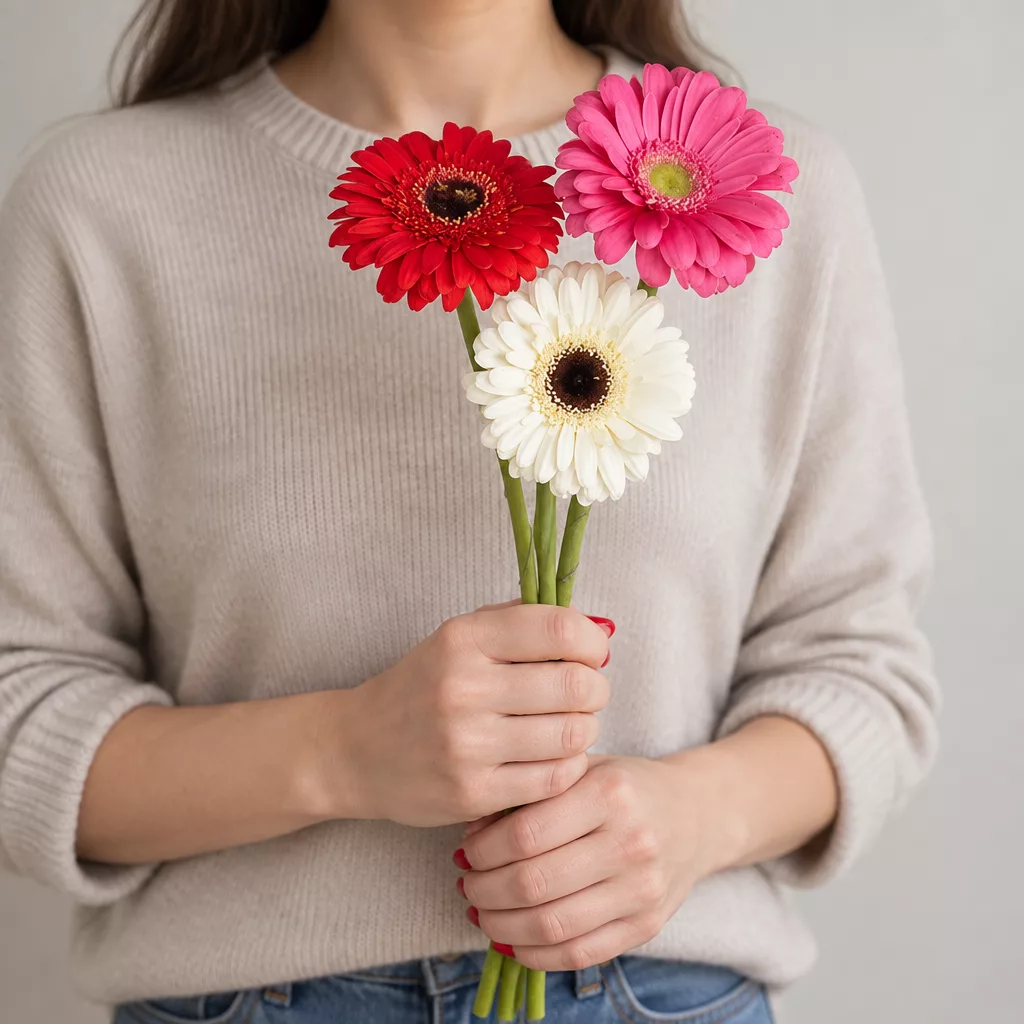
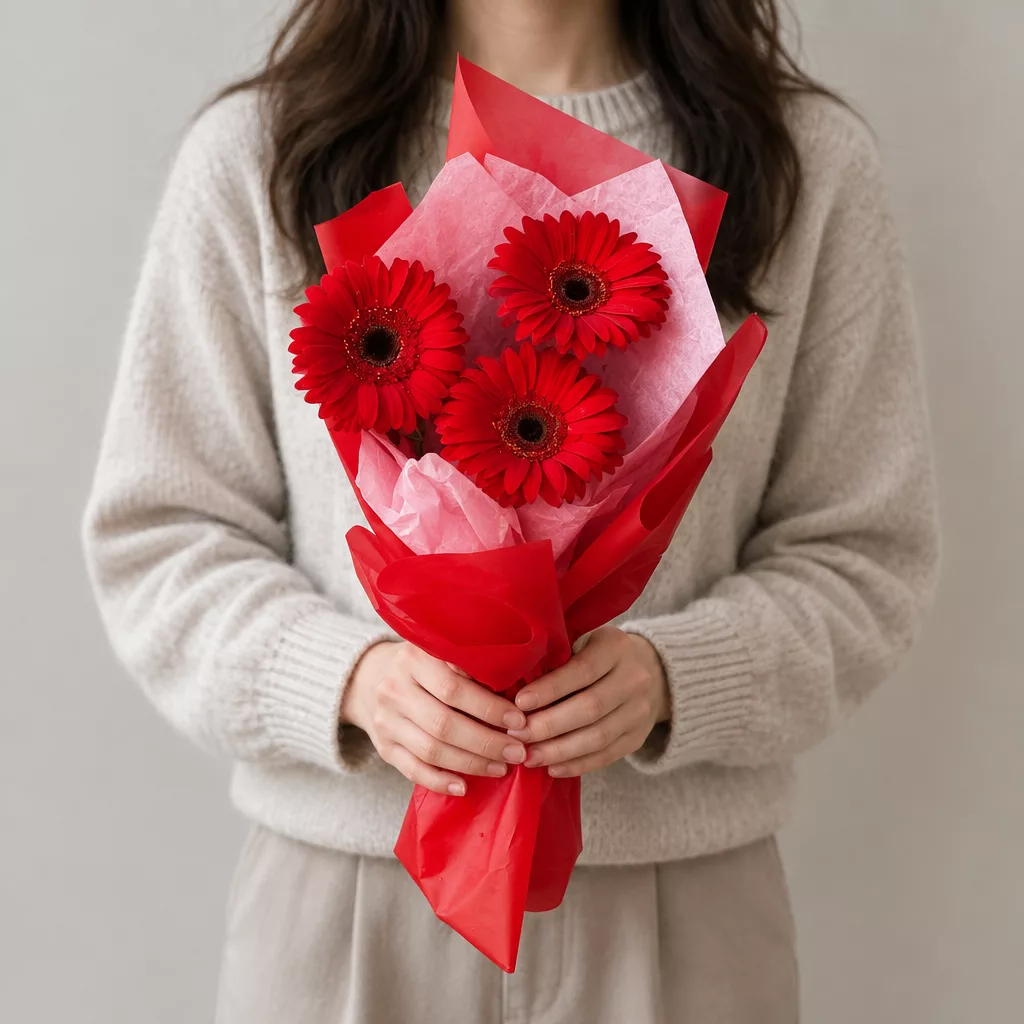
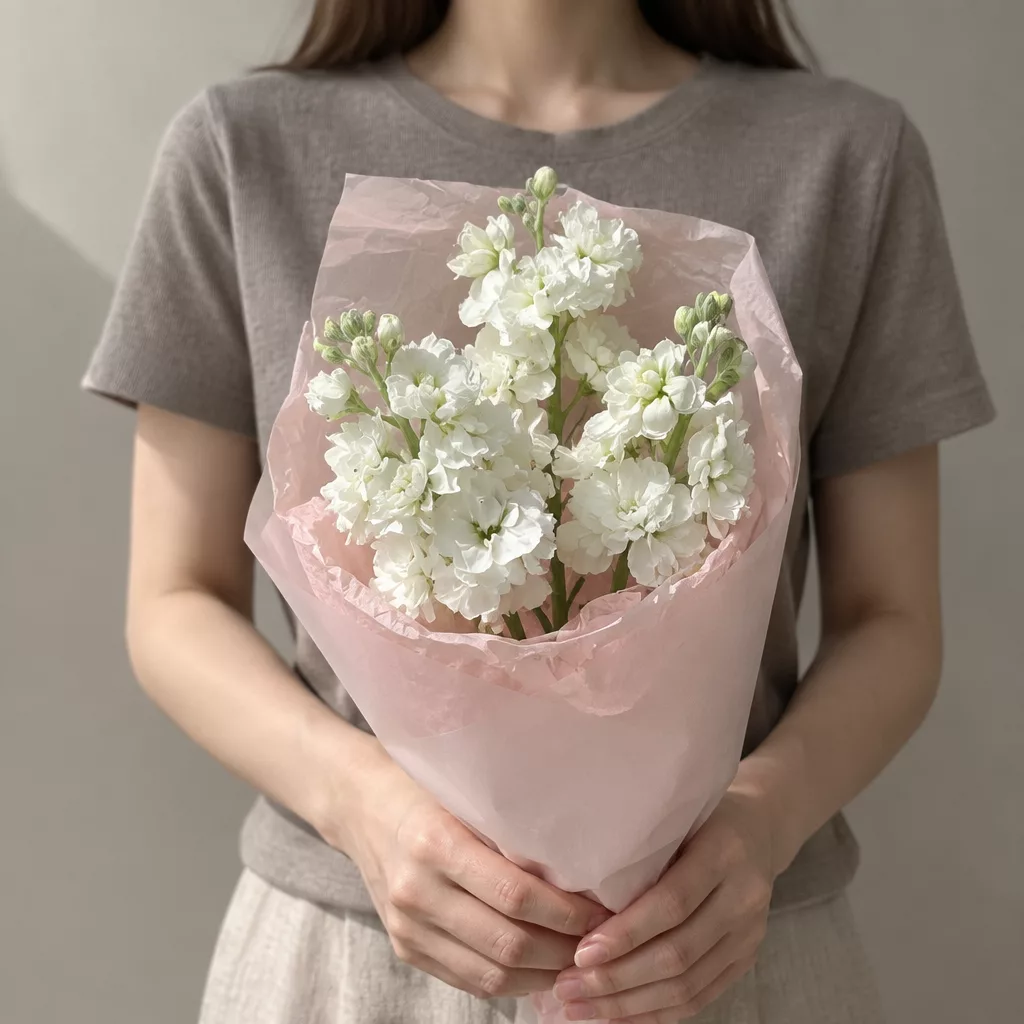
Bouquets we can deliver

The Journey from Saint Petersburg to Plavsk: Realistic Timing
Plavsk sits roughly 300 kilometres south of Moscow, which puts it at a meaningful distance from our base in Saint Petersburg. Delivery to Plavsk is not a same-day sprint — it is a carefully managed long-distance route, and understanding that timeline helps you plan with confidence rather than anxiety.
Orders placed in the morning with sufficient lead time are prepared the same day and dispatched so they arrive within the agreed window. For Plavsk specifically, we recommend placing your order at least 24 hours before the occasion, and 48 hours is even better for complex arrangements or large orders. This is not a limitation of the flowers — it is respect for the logistics of keeping a bouquet in peak condition across several hundred kilometres.
Temperature is the critical variable on any long delivery. In summer, when Tula Oblast can see temperatures above 30 degrees Celsius, flowers are packed with cooling inserts and wrapped in insulating kraft paper that reflects heat. In January or February, the same flowers need protection from frost — lisianthus and ranunculus are particularly sensitive to freezing, and even a few minutes of exposure below minus five degrees can cause petal edges to go translucent and then collapse. Our drivers are briefed on these risks. The packaging you receive is functional, not decorative — it is doing real work for the stems inside.
When you receive a confirmation window for your delivery, treat it as accurate. We do not pad our estimates.
Choosing the Right Bouquet for the Season in Plavsk
Plavsk follows a continental climate with cold winters and warm summers, and the season genuinely matters when you are choosing flowers. Matching the bouquet to what is growing and available locally — even if the flowers themselves come from our Saint Petersburg workshop — creates an arrangement that feels right for the time of year rather than oddly out of place.
In late winter and early spring, tulips are the obvious choice: they are at their peak quality, the stems are strong, and they come in enough colour variation to suit almost any recipient. Pair them with muscari for a soft, seasonal combination that feels genuinely spring-like. From May onward, peonies arrive and they are worth ordering when available — their vase life is shorter than roses, but the fullness of a peony arrangement is unmatched for birthdays and celebrations.
Summer in Plavsk means the recipient will likely have the bouquet in a warm room, which shortens vase life for delicate varieties. Chrysanthemums, spray roses, and alstroemeria all handle warmth better than, say, sweet peas or anemones. If you are ordering in July or August, lean toward these hardier varieties and ask for conditioning water in the packaging — stems that arrive already hydrated last significantly longer than those that have been dry for the journey.
Autumn is an underrated season for flowers. Dahlias, sunflowers, and hypericum berries create arrangements with real visual weight and a warmth that matches the season. Deep orange, rust, and plum tones feel genuinely autumnal rather than forced, and they photograph beautifully in the low light of an October afternoon.
Budget and What It Means for the Bouquet
A smaller budget does not mean a small impression — it means making smarter choices about which flowers carry the arrangement. The mistake most people make is spreading a modest budget across too many different varieties, which produces a bouquet that looks busy but thin. A better approach is to anchor the arrangement in one generous quantity of a single flower and use a small amount of greenery or a filler variety to give it structure.
At a modest budget, spray roses are your best ally. A full bunch of white or pale peach spray roses, wrapped simply with a ribbon of ruscus or a few stems of eucalyptus, looks considered and fresh. Chrysanthemums are similarly generous — one large-headed chrysanthemum variety in a bold colour like deep violet or bright yellow makes a statement without requiring volume.
In a mid-range budget, you can begin mixing. Roses and lisianthus are a classic pairing because lisianthus has the visual weight of a luxury flower without the price of a garden rose — and it lasts exceptionally well in a vase, often ten days or more with proper care. Add two or three stems of a textural element like sea holly, waxflower, or dried-look grasses and the bouquet immediately looks designed rather than assembled.
At a higher budget, the conversation shifts to premium single-variety arrangements — a full bouquet of David Austin-style garden roses, or a structured arrangement of calla lilies with steel grass — or to size, where the sheer generosity of a large mixed seasonal arrangement does the talking. For Plavsk deliveries, we always recommend putting more budget into flower quality than into packaging extras.
What the Recipient Should Do the Moment the Bouquet Arrives
The first fifteen minutes after a bouquet arrives are the most important for its long-term vase life. Most recipients do not know this, and the flowers suffer for it. If you are sending flowers to someone in Plavsk who may not be experienced with fresh arrangements, include a short note with these steps — it is one of the most practical things you can do.
First, the stems should be cut at an angle, about two centimetres from the bottom, using a sharp knife rather than scissors. Scissors crush the vascular tissue that draws water up the stem; a clean diagonal cut maximises the surface area for water uptake. Do this under running water or while the stems are submerged — even a second of air exposure can allow a tiny air bubble to block the stem.
Second, remove any leaves that would sit below the waterline in the vase. Submerged foliage rots quickly and introduces bacteria into the water, which is the primary reason flowers die earlier than they should. A clean vase with fresh, cool water is the foundation everything else rests on.
Third, keep the bouquet away from direct sunlight, radiators, and fruit bowls. Ripening fruit releases ethylene gas, which accelerates the ageing of flowers — roses and tulips are particularly sensitive to it. A cool room with indirect light and good air circulation is ideal. Change the water every two days, re-cut the stems each time, and the arrangement will reward that small effort with several extra days of life.
Tulips will continue to grow in the vase and will lean toward the light, which is part of their charm rather than a flaw.
Common Mistakes When Ordering Long-Distance Flower Delivery
The most frequent mistake is leaving the order too late. People assume that because flowers are perishable, florists can always produce an arrangement at short notice — and for local delivery, that is often true. For Plavsk, the distance means the order needs time built into it. An order placed at four in the afternoon for a birthday the following morning is cutting the margin too fine, particularly in summer when temperature management during transit requires extra preparation time.
The second mistake is being vague about the delivery address. Plavsk is a relatively small town, but incomplete addresses — missing apartment numbers, incorrect street names, or no contact phone number for the recipient — cause delays that leave a driver waiting outside while flowers sit in a warm vehicle. Always include the full address with postcode, the recipient's first name, and a working mobile number. If the recipient is at work rather than home, include that address instead.
A third mistake is choosing flowers based on appearance in a photograph without considering the season or the journey. Hydrangeas look spectacular in a studio image, but they are among the most demanding flowers to transport over long distances in warm weather — they wilt fast if they lose hydration for even a short period. If you have your heart set on hydrangeas for a summer delivery, mention it when ordering so we can advise on whether conditions support it that day.
Finally, do not forget the card. A bouquet without a message can create genuine confusion — particularly if the recipient is not expecting flowers and cannot identify the sender. A handwritten note, even a brief one, transforms a delivery into a moment.
Russian Flower Customs Worth Knowing Before You Order
If you are not familiar with Russian customs around flowers, a few details are worth knowing before you finalise your order — not because the rules are strict, but because getting them right shows care and avoids an awkward moment for the recipient.
The most widely observed custom is the odd-number rule. In Russia, even numbers of flowers are traditionally associated with mourning and are brought to funerals. A bouquet of twelve roses or ten tulips can create an unintended association for a Russian recipient. Odd numbers — seven, nine, eleven, fifteen — are the norm for celebratory occasions, and a good florist counts carefully. When you order, you do not need to specify this; we follow it automatically. But if you are assembling a gift yourself and adding a few stems from a market, keep the count in mind.
Colour also carries meaning in a way that differs from Western European conventions. Yellow flowers are sometimes associated with separation or the end of a relationship in Russian popular culture, though this association is generational and fading among younger recipients. If you are sending to someone older or more traditional, a fully yellow arrangement might be worth reconsidering — or you can mix yellow with white or orange to soften the association entirely.
White flowers are widely positive in Russia — they represent purity and celebration, not mourning as they might in some East Asian traditions. A white rose or white lisianthus arrangement is a safe and elegant choice for almost any occasion and any recipient age group. When in doubt, white and soft pink together is a combination that reads as warm and celebratory across generations and regions.
Sending flowers to Plavsk from Saint Petersburg is a genuine act of care — the distance involved means the arrangement has been looked after every step of the way before it reaches the person you are thinking of. Choose varieties that suit the season, order with enough lead time, and give the recipient a few simple care instructions alongside the card. The result is a bouquet that arrives looking as though it came from around the corner, carrying exactly the message you intended.
Frequently asked questions
How far in advance should I order flowers for delivery to Plavsk?
We recommend placing your order at least 24 hours before the occasion, and 48 hours ahead for larger or more complex arrangements. Plavsk is a long-distance delivery, and building in that time allows us to prepare the bouquet properly, manage temperature during transit, and confirm the delivery window with you before the day.
Which flowers travel best to Plavsk in summer heat?
Chrysanthemums, spray roses, alstroemeria, and lisianthus all handle warm transit conditions better than more delicate varieties. We pack summer deliveries with cooling inserts and insulating wrap, but choosing hardier stems from the start gives the bouquet the best chance of arriving in full condition.
Is the odd-number rule for flowers really important in Russia?
It is genuinely observed, particularly by recipients over forty. Even numbers of flowers carry a funeral association in Russian tradition. We count all our bouquets to odd numbers automatically for celebratory orders, so you do not need to request it — but it is good to know if you are ever adding stems yourself.
Can I send flowers to a recipient's workplace address in Plavsk?
Yes, and it is often a lovely surprise. Include the full workplace address, the recipient's full name, and a mobile number so the driver can call on arrival. It helps to note any access details — if the building has a reception or a gate, mentioning that in the order comments avoids delays.
How long will the bouquet last once it arrives in Plavsk?
With proper care — a clean vase, fresh water changed every two days, stems re-cut at an angle, and a cool position away from sunlight and fruit — most arrangements last seven to ten days. Lisianthus and chrysanthemums are among the longest-lasting. Peonies and tulips are shorter-lived but exceptionally beautiful while they last.
Ready to send flowers?
Pick the city, choose the bouquet, and a local florist takes it from there.
Choose a city →