Flower Delivery in Saransk: What to Expect and How to Get It Right
Saransk is a city that surprises people who have never visited — compact, tidy, and genuinely warm in the way its residents receive gestures of care. When you send flowers here, whether you are in Saint Petersburg, Moscow, or anywhere else in Russia, you want the bouquet to arrive looking the way you imagined it when you chose it. That means understanding how delivery works in this city, which neighbourhoods are reachable, what timing is realistic, and which flowers actually survive the journey in good shape. This article walks you through all of that, from the first click to the moment someone opens the door.
Which Parts of Saransk Receive Flower Delivery
Saransk covers a modest but well-structured area, and the city is laid out in a way that makes delivery routing straightforward once you know the districts. The central part of the city — around Sovetskaya Square, Lenina Avenue, and the area near the Mordovia State University — is the easiest zone to reach and typically sees the fastest delivery windows. These are dense residential and commercial streets where a courier can move efficiently.
The residential districts that stretch outward, including Yugo-Zapad, Promzona-adjacent neighbourhoods, and the newer housing estates near the Saransk ring road, are all within reach. If the address you are sending to is in one of these areas, expect the courier to need a little extra time compared to the city centre — usually fifteen to twenty minutes more, not an hour.
One thing worth knowing: Saransk has a number of gated residential compounds and newer multi-storey developments where entry requires a code or intercom access. When you place your order, include as much address detail as possible — building number, entrance number, floor, and any access code if the recipient has shared one with you. A courier who cannot reach the front door will call ahead, but a clear address prevents any delay from the start. Industrial zones and areas immediately outside the city boundary are outside the standard delivery area, so if the address feels rural or suburban, confirm it in the order notes.
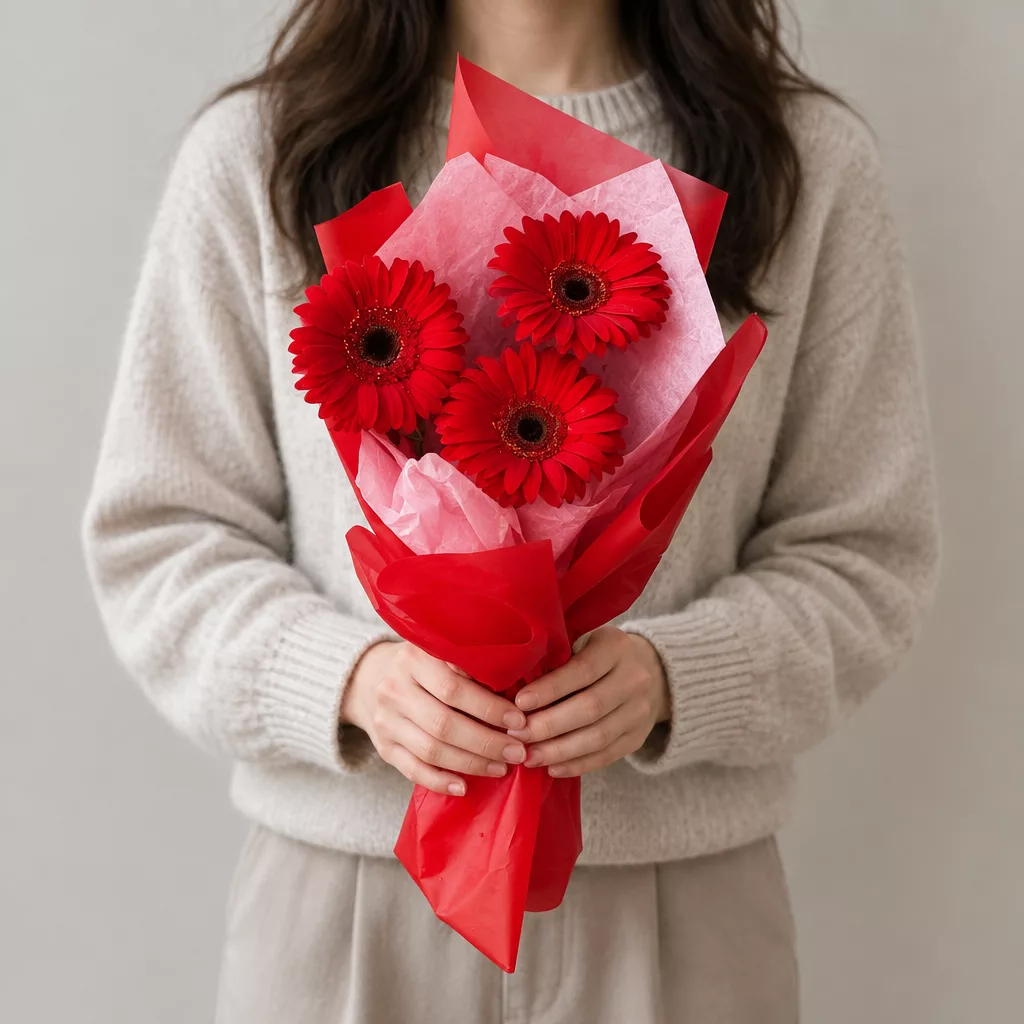
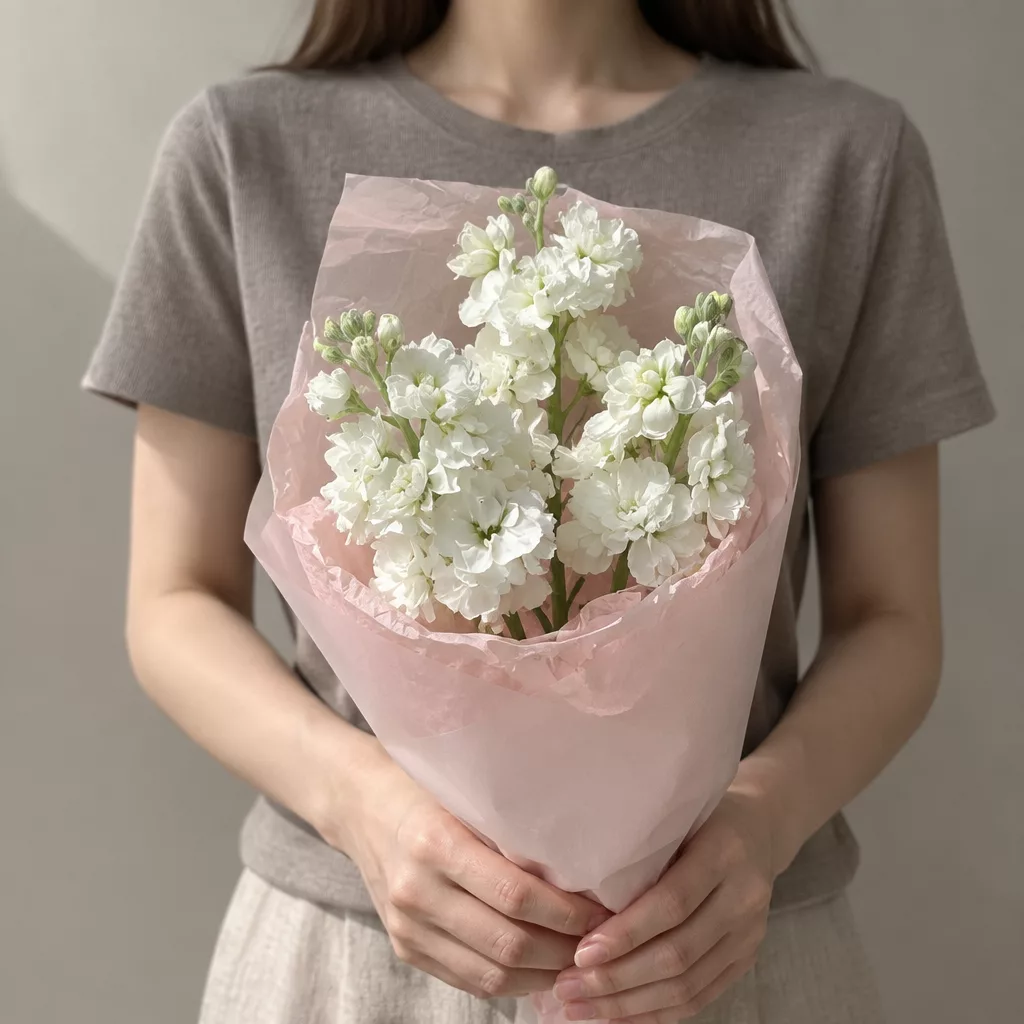
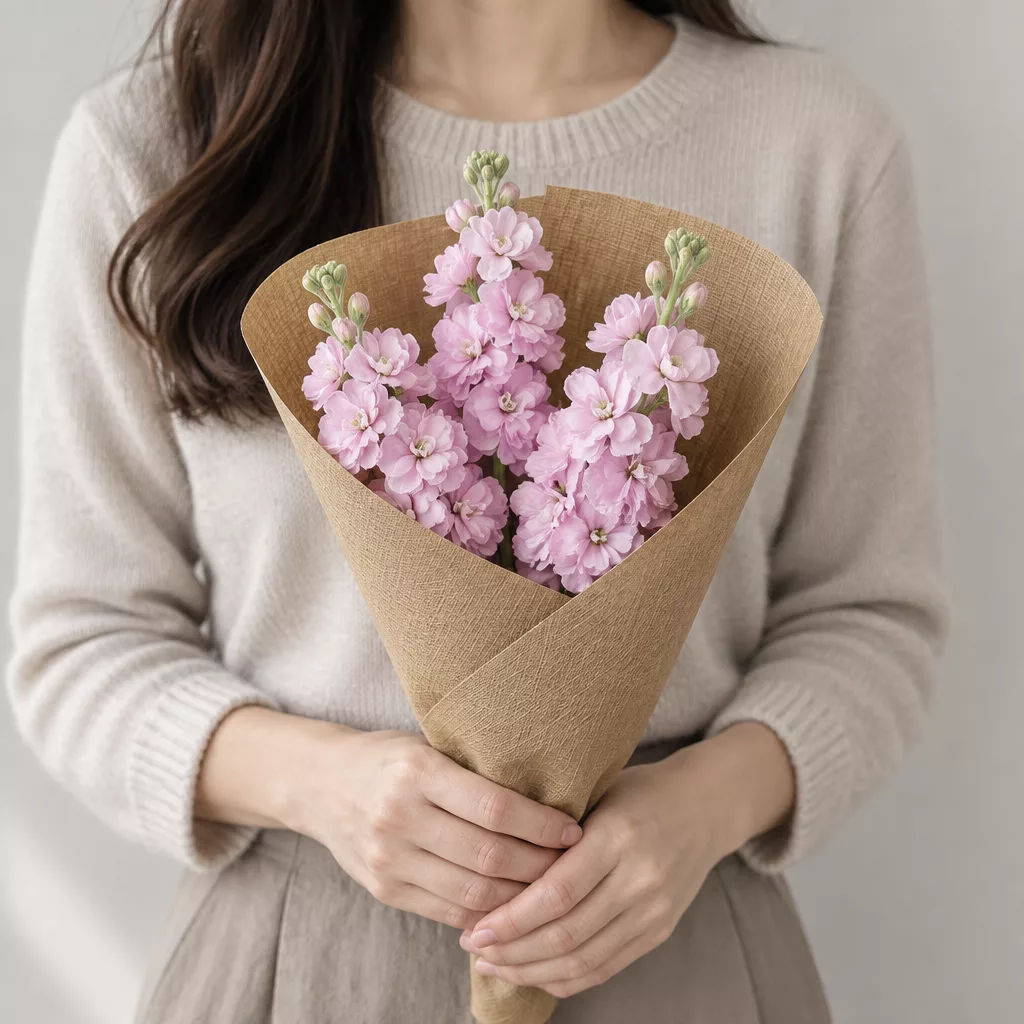
Bouquets we can deliver

Timing Your Order: When Flowers Arrive in Saransk
Turboflora operates on a one-to-two-hour delivery window, and that window applies to Saransk just as it does to other cities where the service runs. What this means in practice is that if you place an order at noon, the bouquet should be at the door by two in the afternoon at the latest, and often considerably sooner. The key variable is not distance but order volume at that particular hour — midday on a Tuesday is different from the evening of the eighth of March.
For date-sensitive occasions — birthdays, anniversaries, the first day of school in September — place your order at least three hours ahead of the moment you want the flowers to arrive. This gives the team time to assemble the bouquet correctly rather than rushing the wrapping, and it gives the courier a comfortable window to navigate Saransk traffic, which, while not heavy by large-city standards, does slow around school closing times and evening rush.
Same-day delivery is the standard offering, and it works well for spontaneous decisions. If you wake up and remember a friend's birthday, an order placed before eleven in the morning will almost always arrive before lunch. Evening deliveries, requested for after seven, are possible but should be confirmed at the time of ordering. One practical note: if the recipient works in an office, it is worth checking whether they will still be there — an empty office is a wasted trip for everyone, and flowers left in a lobby can wilt before they are collected.
Choosing Flowers for the Saransk Climate
Saransk sits in the Volga Federal District, and its climate follows a continental pattern — cold winters that can drop well below minus twenty Celsius, warm summers, and unpredictable shoulder seasons in March and October. Temperature matters enormously for cut flowers, and knowing the season when you order helps you choose varieties that will arrive in good condition and last well once they are in a vase.
In winter, roses are the most reliable choice. The varieties used in professional floristry — Ecuador-grown large-head roses, spray roses, and garden roses with dense petals — are bred to handle cold chain logistics. They travel well when properly wrapped and do not show cold damage the way thinner-petalled flowers can. Chrysanthemums are another solid winter option: hardy, long-lasting, and available in a wide range of colours from white and cream through deep burgundy.
Spring and early summer open up the palette considerably. Tulips arrive in enormous variety from late February onward and suit almost every occasion. Alstroemeria, with its delicate lily-like blooms, is excellent for mixed bouquets because it holds its shape well even when temperatures fluctuate during delivery. Peonies appear from May and are deeply loved in Russian gift culture — if you are sending flowers to someone who grew up here, a peony bouquet in season carries a particular warmth that crosses all age groups.
In summer, sunflowers are popular and cheerful, but they need water quickly after arrival. Autumn brings lisianthus and dahlias into their best season — rich, full flowers that photograph beautifully and last ten days or more in a vase.
Reading the Occasion: Who Is Receiving These Flowers
In Russian culture, flowers are given more frequently and for a wider range of occasions than in many Western countries. It is entirely normal to bring flowers to a teacher, a doctor, a colleague on their last day, or a friend you are visiting for the first time. If you are not from Russia and you are sending flowers to someone here, this context is useful: your gesture will be received warmly and will not seem excessive or unusual.
For a woman receiving flowers, colour and composition tend to matter more than pure size. A thoughtfully arranged bouquet of fifteen stems in complementary shades will make a stronger impression than a large bundle of a single colour that looks like it was grabbed from a supermarket shelf. Think about what she wears, what her home looks like if you know it, and what mood you want to create — celebratory, romantic, gentle, or playful.
For a man, plants and succulents are increasingly popular as gifts, but cut flower bouquets work well when the occasion is significant — a major birthday, a professional achievement, a thank-you. Keep the palette cooler: white, cream, green, deep red, or blue-toned flowers feel appropriate. Avoid very soft pastels if you are unsure of the recipient's taste.
For children, bright and simple is best. Sunflowers, gerberas, and single-variety bouquets in bold colours read as joyful rather than formal. A bouquet that looks like a celebration is exactly right for a school performance, a sports win, or a birthday where you want the child to feel genuinely seen.
Presentation and Packaging: What the Bouquet Looks Like at the Door
The moment the door opens is the moment that matters most. A bouquet that has been assembled with care but arrives in crushed wrapping or with drooping stems undoes all the effort that went into choosing it. This is why packaging for delivery is treated as seriously as the floristry itself.
For Saransk deliveries, bouquets travel in structured wrapping that protects the blooms from pressure and from temperature changes during transit. In winter, this means an additional insulating layer around cold-sensitive flowers like tulips and hydrangeas, which can bruise at the tips if exposed to freezing air even briefly. The stems sit in a water-retaining base for longer journeys so they arrive hydrated rather than thirsty.
Presentation options matter when you are giving flowers as a gift rather than buying them for yourself. A bouquet can be wrapped in kraft paper for a natural, artisan look; in matte or glossy florist paper for something more formal; or in a box, which has become increasingly popular in Russian floristry over the past several years. Box arrangements travel particularly well because the flowers are held in place rather than shifting in a cone of paper, and they look striking when the lid is lifted.
If you are adding a card message, keep it warm and specific. Generic messages feel impersonal. A message that references the occasion, the relationship, or even a small shared memory transforms a beautiful bouquet into something the recipient will think about long after the flowers have faded. The florist team can print or handwrite the card — specify your preference when ordering.
Vase Life and Care After Delivery in Saransk
Once the flowers arrive, their lifespan depends almost entirely on how they are cared for in the first hour. This is true everywhere, but it is especially relevant in a city with Saransk's seasonal extremes. A bouquet that has been in a cold courier bag in February needs a few minutes to adjust to room temperature before it is unwrapped and trimmed — rushing this step can cause condensation damage to petals.
The single most important step is a fresh cut on the stems. Use a sharp knife or scissors and cut at an angle, removing about two centimetres from the bottom of each stem. An angled cut increases the surface area through which the flower drinks. Do this under running water or while the stems are submerged if possible, as it prevents air bubbles from blocking the stem channels.
Vase water should be cool and clean. Change it every two days. Keep the bouquet away from direct sunlight, radiators, and fruit bowls — ripening fruit releases ethylene gas, which accelerates the ageing of cut flowers noticeably. This is a common mistake in Russian homes where a fruit bowl often sits on the kitchen table next to where flowers are placed.
Expected vase life by variety: roses seven to twelve days, chrysanthemums ten to fourteen days, tulips five to seven days, alstroemeria ten to fourteen days, peonies five to seven days, lisianthus ten to fourteen days. Sunflowers are shorter at five to seven days but look so vivid while they last that the brevity rarely disappoints. Removing any leaves that fall below the waterline prevents bacterial growth that shortens vase life for every variety.
Making the Order Go Smoothly: Practical Details
A few practical points make the difference between a delivery that goes seamlessly and one that requires follow-up calls and rescheduling. The most common source of delay is an incomplete address. Saransk, like many Russian cities, uses a building and entrance numbering system that can confuse people who are ordering from abroad or from another region. The address should include the street, the building number, the corpus or stroenie if there is one, the entrance number, the floor, and the flat number. If the building has a door code or intercom, include that too.
If the delivery is a surprise, think about whether the recipient will actually be at that address at the time you have chosen. A surprise that arrives when the person is at work, at the gym, or out shopping creates a logistical problem rather than a lovely moment. If you are not certain of their schedule, a small message asking when they will be home — framed as something unrelated — is worth the effort.
Payment is completed online at the time of ordering, so there is nothing for the recipient to handle at the door. The courier will not ask for any additional sum. This is worth knowing if the person receiving the flowers is elderly or unfamiliar with online shopping — they sometimes worry that they will need to pay or sign something complicated.
For corporate orders — flowers for an office, a team, or a client — place the order with a note specifying the reception desk or office manager as the point of contact. Large offices in Saransk's business district often have controlled access, and naming a contact person speeds up the handover considerably.
Saransk is a city where a bouquet of fresh flowers lands with genuine warmth, whether you are sending them from across Russia or from just a few streets away. The delivery window is short, the city is navigable, and the right choice of flowers for the season and the person makes all the difference between a nice gesture and a memorable one. Take a moment with the address details, think about who is opening that door and what you want them to feel, and the rest follows naturally.
Frequently asked questions
Can I order flowers for delivery in Saransk if I am in another city?
Yes, you can place an order from anywhere in Russia or abroad through turboflora.com. You pay online, provide the recipient's address in Saransk, and the bouquet is assembled and delivered locally. The only thing to confirm is that the recipient will be at the address during the delivery window you select.
What happens if the recipient is not home when the courier arrives?
The courier will call the recipient before arriving. If there is no answer and no access to the building, the courier will contact the number provided in the order — either the recipient or the sender. A new delivery slot can be arranged. Leaving flowers unattended outside a door is not standard practice, as it risks damage to the bouquet.
Which flowers are best to send in winter in Saransk given the cold temperatures?
Roses and chrysanthemums are the most reliable winter choices because they tolerate cold chain transport well. Tulips are popular from February onward but need careful insulating packaging. Avoid hydrangeas in very cold weather unless the florist confirms appropriate wrapping, as their petals bruise easily when exposed to freezing temperatures even briefly during transit.
Is it acceptable to send flowers to a man in Russian culture?
Absolutely. In Russia, flowers are given to men for significant occasions — milestone birthdays, professional achievements, or as a heartfelt thank-you. The palette tends toward cooler, stronger tones: white, deep red, green, or cream. A well-composed bouquet is a respected and appreciated gesture without any awkwardness attached to it.
How long will the flowers last after delivery, and what is the most important care step?
Most bouquets last seven to fourteen days depending on the variety. The single most important step is cutting two centimetres from the stems at an angle immediately after delivery, then placing them in clean cool water. Change the water every two days and keep the bouquet away from radiators, direct sunlight, and fruit bowls, which release ethylene gas that shortens flower life.
Ready to send flowers?
Pick the city, choose the bouquet, and a local florist takes it from there.
Choose a city →