Flower Delivery in Serov: Timing, Varieties and What Arrives at the Door
Serov sits in the northern Urals, and ordering flowers here from Saint Petersburg might feel like a leap of faith — will they arrive fresh, on time, and looking the way they did in the photo? The honest answer is yes, when the order is placed correctly and the right varieties are chosen for the season. This article walks you through everything: which flowers travel well to Serov, when to order, how cold weather affects the bouquet, and what the person receiving it will actually experience when the courier rings the bell.
Why Serov Is a Real Delivery Destination, Not an Afterthought
Serov is an industrial city of around 95,000 people in Sverdlovsk Oblast, roughly 350 kilometres north of Yekaterinburg. It has a working population, a university campus, and families who mark birthdays, anniversaries and professional milestones just as enthusiastically as people in any large Russian city. The assumption that flower delivery is only for Moscow or Saint Petersburg is simply outdated.
Turboflora delivers to Serov as a full destination, meaning the bouquet is assembled with the same care as any order going across town. The courier carries the flowers in a temperature-controlled environment, and the packaging is designed to protect stems and petals through the journey rather than just look attractive in a photograph.
What this means for you as the sender is simple: you are not ordering a compromise. You are ordering a real bouquet for a real person, and the logistics are handled so that the flowers arrive looking as though they were arranged that morning — because, in most cases, they were. The freshness window for cut flowers is long enough when the cold chain is respected, and respecting it is exactly what Turboflora's delivery process is built around.
If you have never sent flowers to someone in a smaller Russian city before, the main thing to understand is that the recipient will be just as moved as anyone in a capital. Perhaps more so, because unexpected deliveries feel even more special when they are less routine.
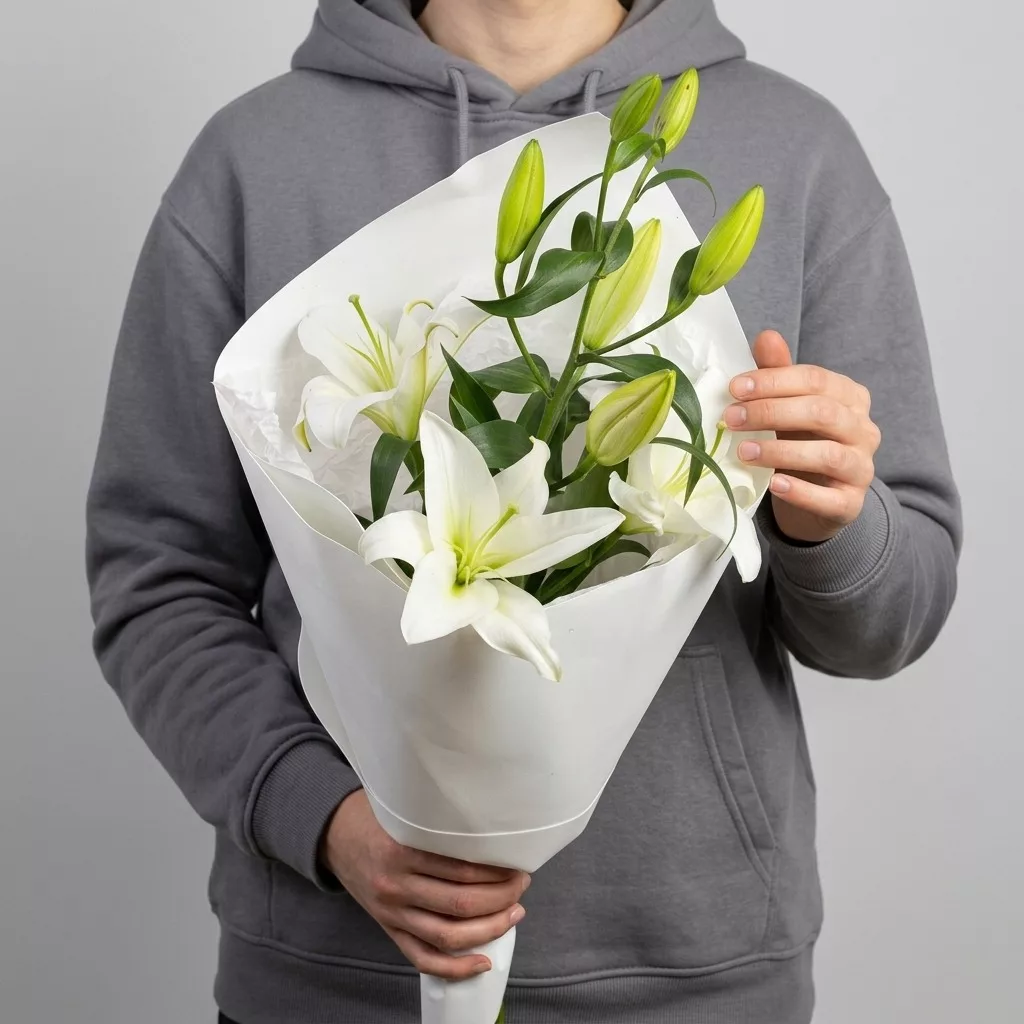
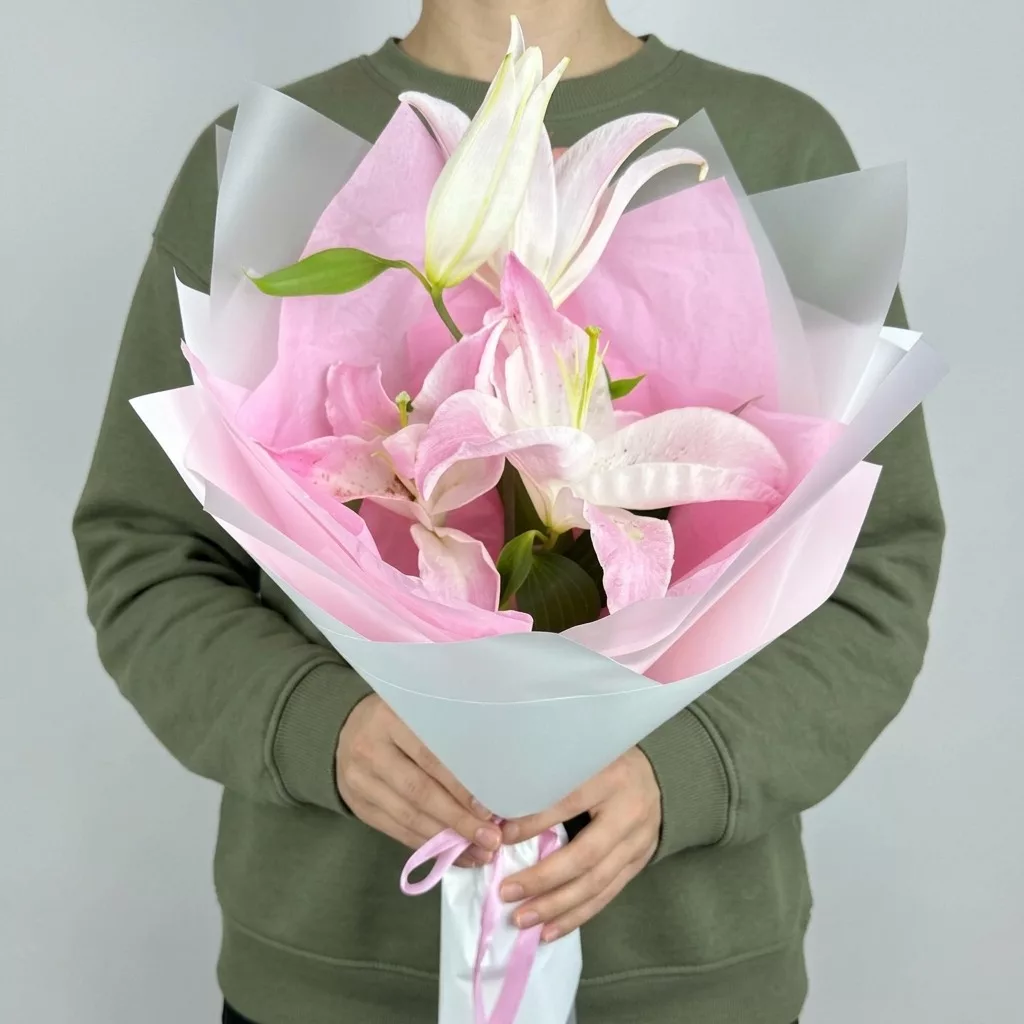
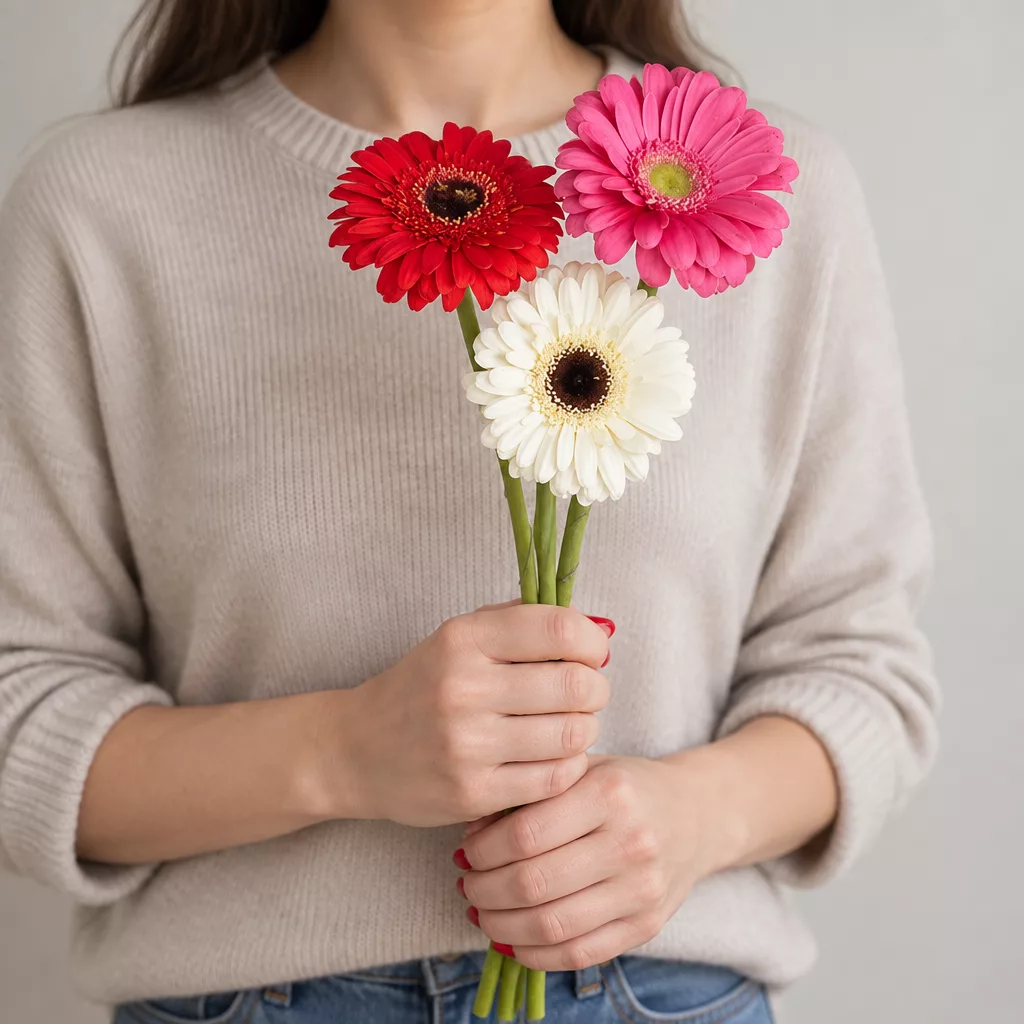
Bouquets we can deliver

Choosing Flowers for the Occasion Before Thinking About the Budget
The most useful question to ask yourself first is not how much to spend but what the recipient will feel when they open the door. A single person living alone in a small apartment may be overwhelmed by a massive arrangement and quietly unsure where to put it. A family celebrating a mother's birthday will love something generous and layered, with roses as the anchor and seasonal fillers giving it depth.
For romantic occasions — anniversaries, Valentine's Day, early-relationship gestures — red and deep pink roses remain the clearest choice in Russian culture. They are not a cliché here; they carry genuine emotional weight. Pairing them with eucalyptus or ruscus keeps the bouquet from looking stiff and adds a softness that photographs beautifully.
For professional milestones, promotions or teacher appreciation, white and cream tones work across genders and ages. Chrysanthemums, alstroemeria and spray roses in neutral palettes look generous without being overly intimate. Alstroemeria in particular holds up exceptionally well in transit, which makes it a practical choice for longer deliveries.
For birthdays, colour is your friend. Gerberas, tulips when in season, and mixed garden-style bouquets with ranunculus and lisianthus feel celebratory without requiring the recipient to know anything about flowers. The mix of textures — round blooms, ruffled petals, fine stems — does the emotional work automatically.
Choose the emotion first, then the palette, then the specific flowers. Budget shapes the size and density of the bouquet, not the feeling it creates.
Timing Your Order: When to Place It for Same-Day or Next-Day Arrival
Serov is not a next-block delivery. The journey from the point of assembly to the recipient's address takes time, and that time needs to be built into your planning. As a general rule, orders placed before noon have the strongest chance of same-day delivery. Orders placed in the afternoon will typically arrive the following morning, which is often a better outcome anyway — a bouquet arriving at ten in the morning on a birthday feels more ceremonial than one arriving at eight in the evening.
If the occasion has a fixed time — a corporate event, a graduation ceremony, a surprise party — state that time clearly in the order notes. The delivery team will work backwards from it. Vague instructions like "sometime in the afternoon" create unnecessary risk for both the sender and the recipient.
Russian name days and major holidays require earlier planning. March 8th, known as International Women's Day, is the single busiest flower day in Russia by a considerable margin. On that date, the entire country buys flowers simultaneously. Orders placed on March 7th or earlier are handled with much greater precision than last-minute requests on the day itself.
New Year's Eve, February 14th and May 9th (Victory Day, when people bring flowers to veterans) are also high-demand windows. If you are unfamiliar with the Russian holiday calendar, it is worth noting these dates and ordering two to three days ahead. The flowers will be no less fresh for arriving slightly early, and the certainty of delivery is worth the small adjustment.
What the Ural Climate Does to Flowers in Transit
Serov experiences a genuine continental climate. Winters are long and cold, with temperatures regularly dropping below minus twenty Celsius between November and March. Summers are warm but short. This matters directly for flower delivery because temperature extremes affect cut flowers in very specific ways.
In winter, the primary risk is freezing. Roses are particularly vulnerable — their petals bruise and turn translucent when exposed to frost even briefly. Tulips collapse almost immediately in severe cold. Turboflora's packaging for winter deliveries uses insulated wrapping and, where needed, heated courier bags to keep the bouquet above zero during the final leg of the journey. If you are ordering in January or February, trust the packaging rather than asking for minimal wrapping to make the bouquet look more open on arrival.
In summer, the risk reverses. Heat above twenty-five degrees accelerates wilting and encourages bacteria in the stem water. Flowers that are harvested and arranged in a cool environment but then sit in a warm car for an extended period will age faster. This is why summer orders benefit from early-morning delivery windows — the streets are cooler and the flowers arrive before the heat of the day.
Spring and autumn are the most forgiving seasons for transit. Temperatures in the five-to-fifteen degree range are close to ideal for most cut flowers. If you have flexibility about when to send a gift, a mild-weather delivery is always the most reliable option, and the bouquet will look its best when it arrives.
What the Recipient Experiences When the Bouquet Arrives
In Russia, receiving flowers at the door is a meaningful gesture regardless of the occasion. The courier will ring the bell, present the bouquet, and in most cases hand over a card if one was included with the order. The recipient does not need to sign anything elaborate — a simple confirmation of receipt is standard.
If the recipient is not home, the courier will attempt to reach them by phone using the number provided at checkout. This is why a correct and current phone number for the recipient is genuinely important, not just a formality. A missed delivery is frustrating for everyone, and it is almost always caused by an incorrect number or an unexpected change in the recipient's schedule.
The bouquet will arrive wrapped and protected, which means the recipient will unwrap it themselves. This is actually part of the experience — the moment of opening, the scent, the colour revealed gradually. It is worth noting in your card message that the flowers should be unwrapped carefully and placed in water within the first thirty minutes of arrival.
If you are sending flowers as a surprise, you do not need to warn the recipient in advance. The courier will handle the interaction professionally and warmly. Many people in Serov, as elsewhere in Russia, have never received a surprise flower delivery before, and the reaction is almost always one of genuine delight. The unexpectedness is part of the gift.
Care After Arrival: Making the Bouquet Last as Long as Possible
Cut flowers need three things immediately after arrival: clean water, a clean vase, and a trim. The stems should be cut at an angle of about forty-five degrees, removing roughly two centimetres from the bottom. An angled cut increases the surface area through which the stem draws water, and it prevents the cut end from sitting flat against the vase bottom and blocking absorption.
The water should be cool and clean, changed every two days. Tap water in most Russian cities is fine for flowers, but letting it stand for thirty minutes before use allows chlorine to dissipate slightly. Do not add sugar, aspirin or coins to the water — these are common folk remedies that do more harm than good in most cases. A small sachet of flower food, which Turboflora includes with orders, is the only additive that consistently extends vase life.
Roses typically last seven to ten days in good conditions. Alstroemeria and chrysanthemums can last two weeks or longer. Tulips are shorter-lived, usually five to seven days, but they continue to grow and move after cutting, which many people find charming. Gerberas are sensitive to bacteria and benefit most from frequent water changes.
Keep the vase away from direct sunlight, radiators and fruit bowls. Ripening fruit releases ethylene gas, which accelerates aging in cut flowers. A cool room — around eighteen degrees — will extend the life of almost any bouquet by several days compared to a warm one. These small adjustments make a real difference to how long the gift lasts.
What to Write on the Card: A Few Words That Make the Difference
The card message is the part of the order that most people rush through, and it is also the part the recipient will remember longest. A bouquet of roses is beautiful for a week. A card that says exactly the right thing is kept in a drawer for years.
In Russian culture, directness in emotional expression is valued more than elaborate flourishes. A simple, warm sentence carries more weight than a lengthy poem copied from the internet. If you are writing in English for a recipient who reads English, be specific: mention the occasion, mention the person's name, say what you appreciate about them. If you need the message translated into Russian, note this in the order comments and it will be handled.
For professional occasions, keep the tone warm but measured. Acknowledging a colleague's achievement or thanking a teacher for their work is best done in a few clear sentences rather than effusive praise that can feel impersonal when over-written.
For romantic occasions, do not overthink it. The flowers themselves are already saying something significant. Your words just need to confirm it — who the flowers are from, and why today felt like the right day to send them. Even two sentences written honestly will mean more to the recipient than a paragraph assembled from greeting-card templates.
If you are sending flowers to someone who does not know you are thinking of them — a long-distance friend, a relative you have not spoken to in a while — the card is the entire message. Make it count. Write it last, after you have chosen the flowers, and you will find the words come more naturally.
Sending flowers to Serov is a straightforward act of care that travels well when the details are right: the right flowers for the season, the order placed with enough lead time, and a card message that says something true. The recipient in Serov will feel exactly what you intend them to feel — surprised, appreciated, remembered. That is the whole point of flowers, and it works just as well at the foot of the Urals as it does anywhere else.
Frequently asked questions
Can I order flowers for delivery to Serov on the same day?
Same-day delivery to Serov is available for orders placed before noon. Orders placed later in the day are typically scheduled for the following morning, which often works better for surprise deliveries. If you have a specific time requirement, include it clearly in the order notes and the delivery team will plan around it.
Which flowers hold up best during a long delivery to Serov in winter?
Alstroemeria, chrysanthemums and spray roses are the most resilient in cold-weather transit. Standard roses travel well when properly insulated but are more sensitive to frost exposure. Tulips and gerberas are more vulnerable in extreme cold and benefit most from Turboflora's insulated winter packaging during the final delivery leg.
What happens if the recipient is not at home when the courier arrives?
The courier will call the recipient using the phone number provided at checkout. This is why an accurate, current number is essential. If the recipient cannot be reached, the delivery will be rescheduled. Providing a secondary contact or a note about the recipient's schedule in the order comments helps avoid missed deliveries entirely.
Do I need to know Russian to send flowers to someone in Serov?
No. You can place your order and write your card message in English. If you would like the card translated into Russian for the recipient, note this in the order comments and it will be arranged. The delivery process itself does not require any involvement from you once the order is confirmed.
How long will the bouquet stay fresh after it arrives in Serov?
Most bouquets last seven to ten days with basic care: fresh water every two days, stems trimmed at an angle on arrival, and placement away from direct sun and heat sources. Alstroemeria and chrysanthemums often last two weeks. The flower food sachet included with the order makes a measurable difference to vase life.
Ready to send flowers?
Pick the city, choose the bouquet, and a local florist takes it from there.
Choose a city →