Sending Flowers to Seversk? Here Is What to Expect
Seversk is a closed administrative city in Tomsk Oblast, and that single fact changes almost everything about how flower delivery works there. If you are planning to send roses, peonies or a mixed seasonal bouquet to someone who lives or works inside the city, you need to know a few things before you order — about access, timing, and how to make sure the flowers arrive looking exactly as they should.
What Makes Seversk Different From a Typical Delivery Address
Seversk holds the status of a closed administrative-territorial formation, which means it operates under restricted entry rules. Visitors and couriers without a pass cannot simply drive through the checkpoint and ring a doorbell. This is not a bureaucratic inconvenience — it is a genuine logistical boundary that shapes every step of the delivery process, from route planning to handover method.
When you place an order for Seversk, the recipient's location matters in a specific way. Flowers can be delivered to a meeting point near the checkpoint, or the recipient can arrange to receive them at the boundary if they have the flexibility to do so. In either case, communication with the recipient ahead of time is strongly recommended. A surprise is still entirely possible — you simply coordinate timing rather than the exact moment of the knock on the door.
The good news is that Seversk sits close to Tomsk, which means the supply chain for fresh flowers is well-established in the region. Varieties that reach Tomsk in good condition — spray roses, alstroemeria, lisianthus, chrysanthemums, and seasonal tulips — are exactly what you can expect to find available for a Seversk order. The key is choosing robust stems that travel well and hold their shape even after a slightly longer handover window than a standard city delivery.
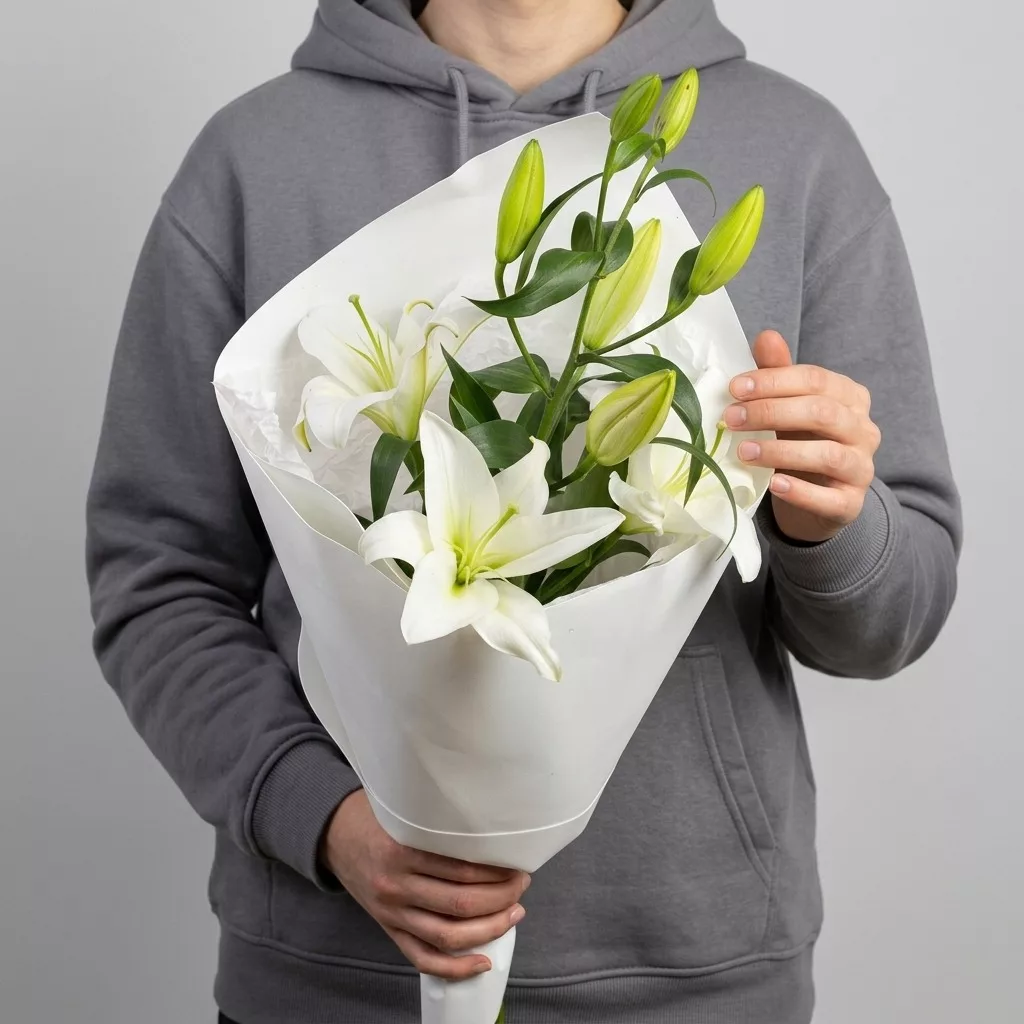
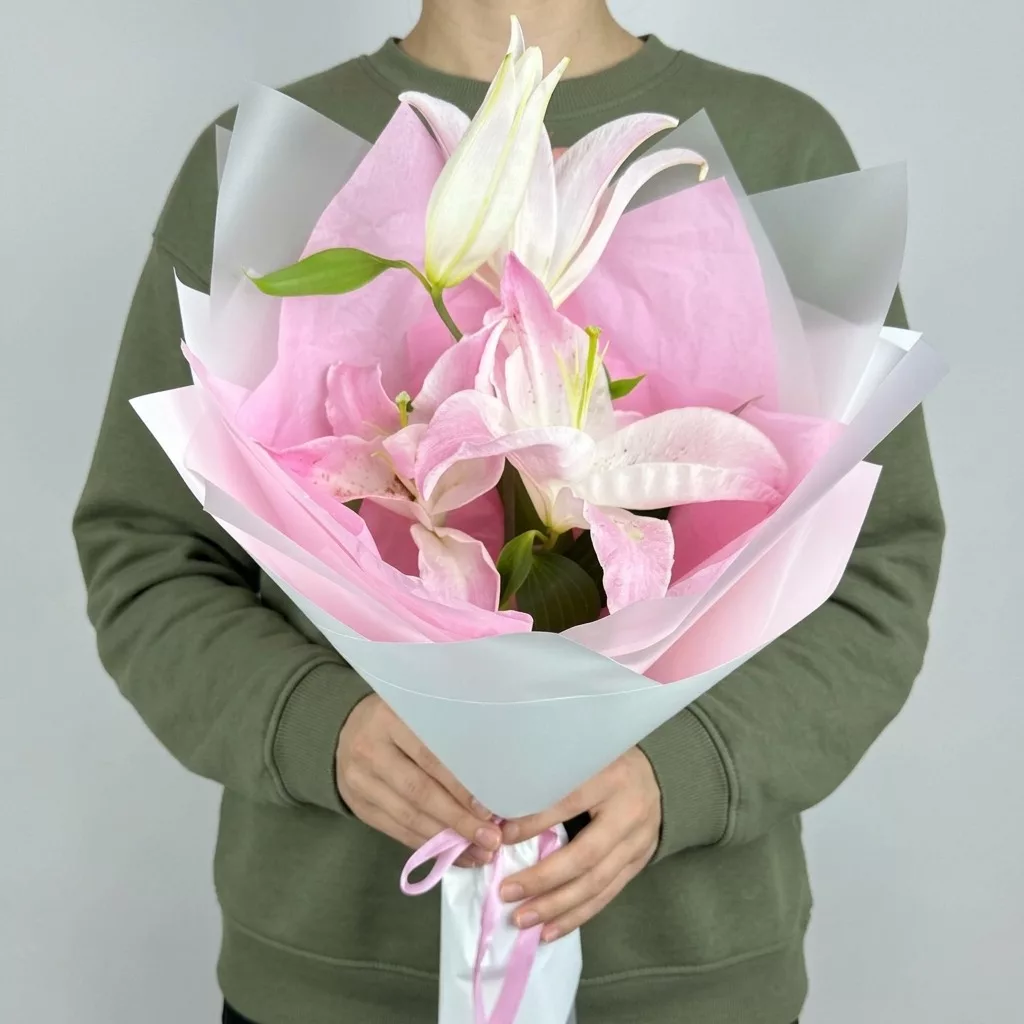
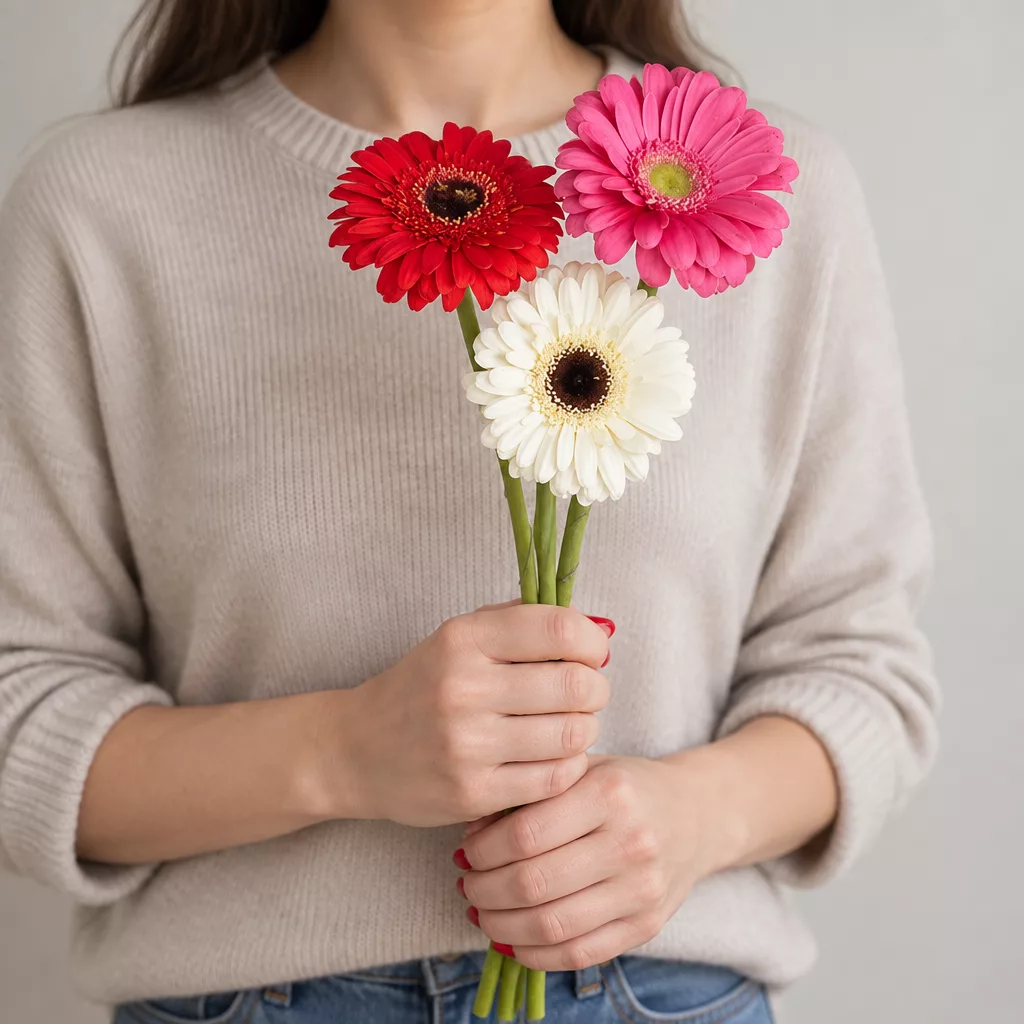
Bouquets we can deliver

Timing Your Order: When to Place It and What to Plan For
Turboflora delivers fresh flowers across Russia within one to two hours in standard urban conditions. For Seversk, the honest answer is that the timeline extends slightly beyond that window, and knowing this in advance helps you plan rather than worry. The checkpoint geography adds a coordination step, so placing your order at least three to four hours before the moment you want the flowers in someone's hands is a sensible baseline.
Morning orders placed before noon tend to work most smoothly. Florists have full access to the day's fresh stock, assembly time is unhurried, and coordination with the recipient can happen over a regular phone call without anyone rushing. Evening deliveries are possible but require earlier planning — do not assume that a 9 p.m. order will reach Seversk by 10 p.m. the same night.
Seasonal timing matters too. In winter, when temperatures in the Tomsk region regularly drop below minus fifteen degrees Celsius, flowers need proper thermal packaging. Roses and ranunculus are particularly sensitive to cold shock; even ten minutes of exposure to severe frost can cause petal edges to brown and stems to go limp. Summer heat brings the opposite problem — direct sun through a car window can wilt delicate blooms within minutes. Mentioning the season and current weather when you order is not unnecessary detail; it helps the florist choose packaging and route timing that protect the bouquet all the way to handover.
Choosing the Right Flowers for the Person, Not Just the Occasion
Before you think about which flowers look beautiful in a photograph, think about the person receiving them. A colleague celebrating a work anniversary has different tastes than a grandmother marking a birthday or a friend who just moved into a new flat. Starting from the recipient rather than a generic occasion list almost always produces a better result.
For someone who keeps a tidy home and appreciates order, a monobouquet of white or blush spray roses with minimal greenery reads as elegant and considered. For someone expressive and warm, a mixed arrangement combining sunflowers, orange gerberas and eucalyptus branches gives a feeling of abundance without looking chaotic. For a romantic gesture, deep red garden roses or burgundy ranunculus carry emotional weight that catalogue tulips simply cannot match.
If you genuinely do not know the recipient's preferences, lean toward pale or neutral tones — cream, soft pink, white — and choose varieties with a long vase life. Alstroemeria is an excellent choice here: it opens gradually over ten to fourteen days, meaning the recipient enjoys the bouquet through several stages rather than watching it peak and fade in two days. Chrysanthemums are similarly long-lasting and underrated. Avoid very delicate varieties like sweet peas or anemones for Seversk orders specifically, since the extended handover process adds stress that hardier stems handle far better.
Budgeting for a Seversk Order: What Your Money Actually Buys
Flower budgets work differently than most people expect. A smaller, carefully composed bouquet of three or five stems in a complementary palette almost always looks more intentional than a large mixed arrangement assembled without a clear color story. The size of the spend matters less than how it is directed.
At a modest budget, single-variety bouquets shine. Five or seven stems of a quality rose — something like a garden-style variety with layered petals rather than a standard commercial rose — wrapped in kraft paper with a ribbon and a handwritten card creates a genuinely warm impression. The simplicity reads as confidence, not economy.
A mid-range budget opens the door to combinations. Think of pairing textures: smooth tulip petals against the feathery softness of wax flower, or the bold face of a gerbera against trailing eucalyptus. These pairings work because they create visual movement that a single variety cannot provide. The florist's skill is in making the combination feel natural rather than assembled.
At a higher budget, the difference shows in stem count, vase-ready presentation and the inclusion of complementary elements — a small potted succulent alongside cut flowers, a box of chocolates, or a candle. For Seversk specifically, a gift that includes something lasting alongside the flowers is worth considering: the recipient may not have immediate access to a florist shop to replace the bouquet once it fades, so a small plant or preserved element extends the feeling of being remembered.
How Russian Flower Customs Read to an Outside Eye
If you are not familiar with Russian gifting traditions, a few customs around flowers are worth knowing so that your order lands exactly as you intend it. The most important one is the number of stems. In Russia, an even number of flowers is traditionally associated with mourning and funerals. When sending flowers for any celebratory or affectionate occasion — a birthday, an anniversary, a congratulation, a simple gesture of warmth — always choose an odd number of stems: three, five, seven, nine, eleven or more.
This is not a superstition that only older generations follow. It is genuinely observed across age groups and regions, including Seversk. A bouquet of ten roses, however beautiful, will register as an odd choice to most Russian recipients. Your florist will automatically apply this rule, but if you are specifying stem count yourself, keep it odd.
Color meaning is less rigidly codified than in some other cultures, but a few associations are broadly recognized. Yellow flowers have historically been linked to separation or farewell in Russian popular culture, though this association is softening among younger urban recipients. If you are unsure and want to play it safe, warm whites, pinks, reds and purples carry no ambiguous meaning and read universally as positive and warm. Red roses remain the clearest signal of romantic feeling, which is worth knowing if you are sending them to a colleague rather than a partner — in that context, a mixed bouquet with red as one element rather than the sole variety is a more comfortable choice.
Keeping Flowers Fresh After They Arrive: Practical Advice for the Recipient
Even a perfectly assembled bouquet can fade quickly if it is not cared for in the first hour after arrival. Sharing a few simple care instructions with the recipient — either in the card message or in a quick text — makes a real difference to how long they enjoy the flowers.
The first step is always a fresh cut. Stems should be trimmed at an angle, about two centimetres from the base, using a sharp knife rather than scissors. Scissors compress the stem tissue and reduce water uptake. If the recipient does not have a knife handy, even scissors are better than no cut at all — but the angle matters because it increases the surface area in contact with water.
Water temperature is frequently misunderstood. Most cut flowers prefer cool or room-temperature water, not cold. The exception is tulips, which benefit from cold water to slow their growth and keep them upright. Roses and alstroemeria do best in water at around fifteen to eighteen degrees Celsius. Changing the water every two days and re-cutting the stems each time will noticeably extend vase life.
Remove any leaves that sit below the waterline — they rot quickly and introduce bacteria that cloud the water and shorten stem life. Keep the vase away from direct sunlight, radiators, and fruit bowls. Ripening fruit releases ethylene gas, which accelerates wilting in cut flowers. A cool room, indirect light, and clean water are the three things that matter most. With these basics in place, roses typically last seven to ten days, alstroemeria ten to fourteen, and chrysanthemums up to two weeks.
Making the Order Feel Personal: Cards, Timing and Small Details
The flowers themselves carry the visual impact, but the details around them carry the feeling. A handwritten card — even a short one — transforms a bouquet from a transaction into a message. When ordering online, the card text field is worth taking seriously. A single specific sentence lands better than a generic phrase: not 'Happy Birthday' but 'I remembered you love peonies, so here they are' creates a moment that the recipient will think about after the flowers have faded.
Timing the delivery to coincide with a specific moment adds another layer. If the recipient finishes work at six in the evening and you arrange for flowers to be waiting at the checkpoint handover point at five-fifty, the gesture feels planned and attentive rather than approximate. For a Seversk order, coordinating with the recipient or a trusted person on their end makes this kind of precision possible.
If you want the delivery to be a genuine surprise for someone in Seversk, consider looping in a family member or close friend who can facilitate the handover without revealing the source. The flowers arrive as a surprise; the coordination happens invisibly. This approach works particularly well for milestone moments — a promotion, an exam result, a recovery from illness — where the emotional timing of the gift matters as much as the flowers themselves.
Small additions to the order can reinforce the personal note. A specific color of ribbon, a particular wrapping paper, or a request to include a sprig of the recipient's favorite herb alongside the main stems all signal that the order was thought through rather than clicked through.
Flower delivery to Seversk asks a little more planning than a standard city order, but the result — a fresh, carefully chosen bouquet reaching someone in a place that does not often receive this kind of gesture — is worth every extra step. Think first about the person, then about the occasion, then about the practical details of timing and packaging. When those three things align, the flowers do the rest.
Frequently asked questions
Can flowers actually be delivered inside Seversk, or only to the checkpoint?
Because Seversk is a closed city with restricted entry, couriers without a pass cannot enter freely. Delivery is coordinated to a handover point near the checkpoint. The recipient collects the bouquet there, or a trusted person on their side facilitates the handover. We recommend contacting the recipient in advance to arrange the timing smoothly.
How far in advance should I place a Seversk flower order?
Plan for at least three to four hours between placing your order and the moment you want the flowers handed over. Morning orders before noon work most reliably. For same-day evening delivery, order no later than mid-afternoon. The extra lead time accounts for assembly, packaging suited to current temperatures, and checkpoint coordination.
Why does the number of stems matter in Russia?
In Russian tradition, an even number of flowers is associated with mourning. For any positive occasion — birthday, anniversary, congratulation or simply a warm gesture — always choose an odd number of stems: three, five, seven, nine and so on. This applies across generations and regions. Your florist applies this rule automatically, but it is good to know if you are specifying the count yourself.
Which flowers travel best for a Seversk delivery in winter?
Choose hardy varieties: spray roses, alstroemeria, chrysanthemums and lisianthus all handle cold transit well when properly packaged. Avoid delicate varieties like sweet peas, anemones or open garden roses in severe frost. We use thermal packaging in winter, but starting with a robust stem gives the bouquet the best chance of arriving in perfect condition.
Can I include a gift alongside the flowers for a Seversk order?
Yes, and for Seversk it is especially worth considering. Since the recipient may not have easy access to a florist shop to replace the bouquet once it fades, adding something lasting — a small potted plant, a candle or chocolates — extends the feeling of the gesture. Mention what you have in mind when placing your order and we will advise on what pairs well with your chosen flowers.
Ready to send flowers?
Pick the city, choose the bouquet, and a local florist takes it from there.
Choose a city →