Sending Flowers to Sterlitamak? Here Is What to Expect
Sterlitamak is one of the largest cities in Bashkortostan, and whether you are sending a bouquet to a colleague on a work anniversary, surprising a partner on a quiet Tuesday, or celebrating a new baby with family across the country, the question is always the same: will the flowers actually arrive looking the way you imagined them? This guide walks you through everything — from how delivery works in Sterlitamak to which flowers travel best in different seasons, and how to make sure the person receiving them feels exactly what you hoped they would.
Which Parts of Sterlitamak We Deliver To
Sterlitamak is a compact but well-structured city, and we cover it fully — from the central districts around Oktyabrskaya Square and the main shopping corridors to the residential neighbourhoods further out, including Yuzhny, Severny, and the areas near the industrial zones where many people live and work. If you are sending to a hospital, a school, or a business address, those are all straightforward. Apartment buildings with intercoms and coded entrances are very common in Russian cities, so when you place an order, it genuinely helps to include the intercom code or a note that the recipient should be called before the courier arrives. This small detail prevents the most common delivery frustration. Sterlitamak sits about 130 kilometres south of Ufa, and its grid-like street layout makes navigation predictable. Our couriers know the city well, which means we do not run into the guesswork that can slow deliveries in less familiar towns. If you are sending to a private house rather than an apartment block, just include the full address with the district or neighbourhood name — Russian addresses sometimes omit details that matter for routing. We also deliver to offices and coworking spaces. If the recipient works in a building with a reception desk, let us know so the courier can hand the bouquet directly rather than leaving it at a front desk where it might sit for an hour in a warm lobby.
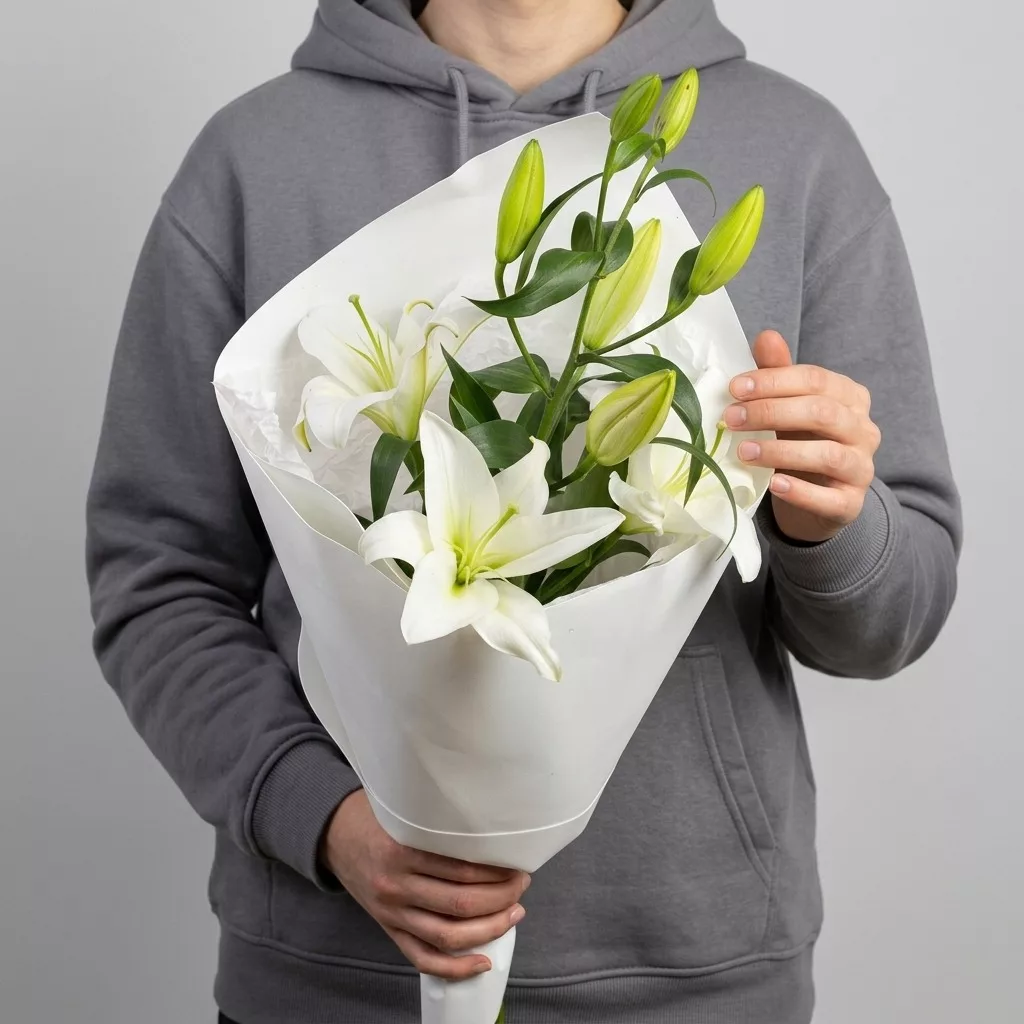
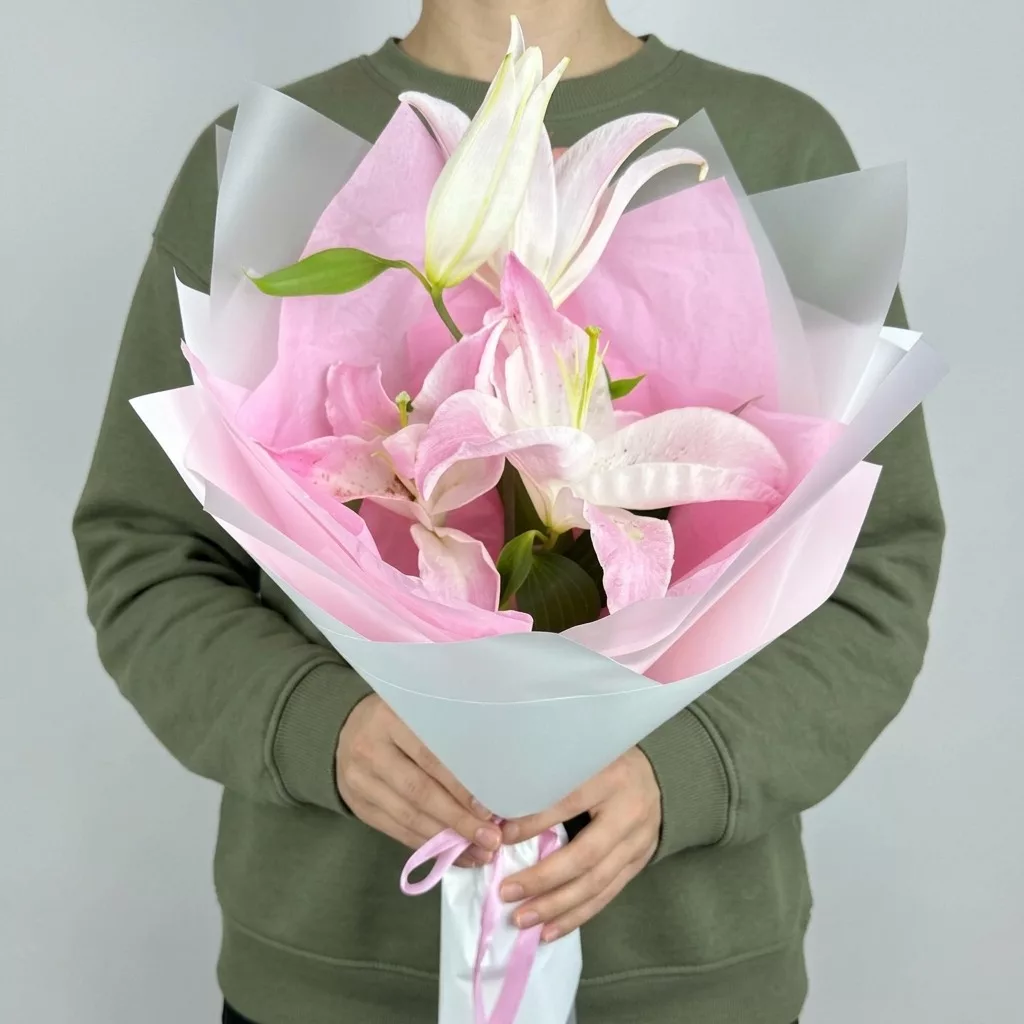
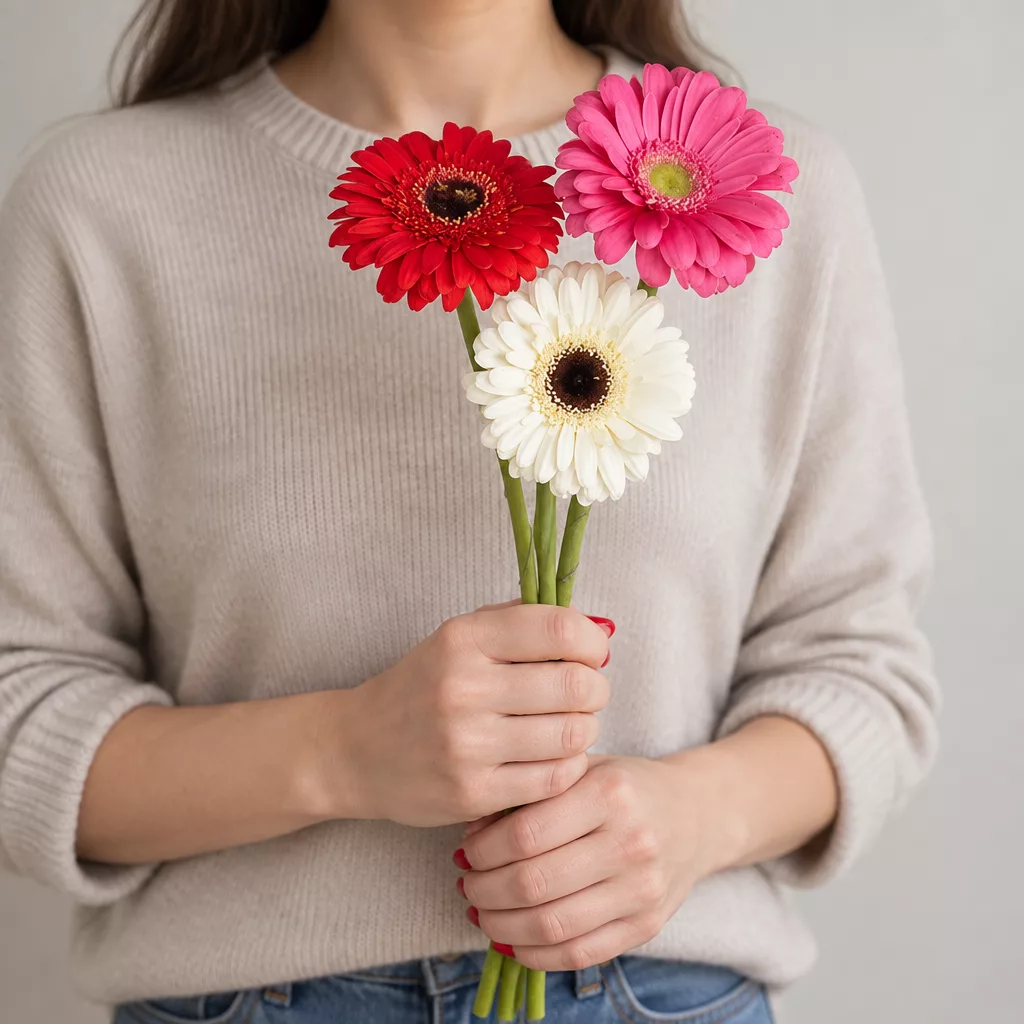
Bouquets we can deliver

Timing: What One to Two Hours Actually Means
When we say delivery within one to two hours, that window starts from the moment your order is confirmed — not from when you first visit the website. Confirmation happens quickly, usually within a few minutes of placing the order, once our team has checked availability and prepared the bouquet. The actual transit time within Sterlitamak is typically under an hour given the city's size, which means most recipients get their flowers while they are still at peak freshness. That said, a few things can affect timing. Rush hours in Sterlitamak, particularly in the late afternoon between 17:00 and 19:00, can slow road traffic near the central market area and along Lenina Avenue. If you are sending for a specific moment — the start of a dinner, the end of a meeting, a birthday breakfast — it is worth placing the order with a small buffer rather than cutting it exactly to the minute. Seasonal weather matters too. Sterlitamak winters are genuine — temperatures regularly drop below minus 15 Celsius between December and February, and sometimes lower. In that cold, flowers need to be wrapped carefully to protect them from frost damage during even a short walk from a vehicle to a door. We handle that wrapping as part of our process, but it does mean the courier moves with a little more care, and that can add a few minutes. Summer heat, on the other hand, is the enemy of delicate blooms like garden roses and sweet peas, so we use insulated packaging during the warmer months to keep petals from wilting before they arrive.
Choosing Flowers for the Person, Not Just the Occasion
The occasion tells you the mood; the person tells you the flower. For someone who keeps a tidy, minimal home, a single-variety bouquet of white tulips or cream freesias in a clean wrap will feel more considered than a large mixed arrangement. For someone who loves abundance and colour — and many people in Russia genuinely do — a full bouquet of garden roses in coral and peach tones, mixed with eucalyptus and ranunculus, will feel generous and celebratory in exactly the right way. Think about where the flowers will go. In a typical Sterlitamak apartment, the kitchen table or a windowsill is the most likely spot, and that space is usually modest. A tall, architectural arrangement with bear grass and anthuriums looks stunning in a restaurant but can feel awkward in a small flat. A round, lush bouquet at medium height — peonies in season, spray roses, or double tulips — works beautifully in everyday home settings. If you are sending to a workplace, consider that the recipient will carry the bouquet home on public transport or in a taxi. Compact arrangements travel better than wide, fragile ones. Chrysanthemums and alstroemeria are underrated for exactly this reason — they hold their shape under movement, look generous, and last well without water for the time it takes to get from an office to a front door. Colour is also a cultural signal worth knowing: red is romantic and passionate in Russian tradition, yellow carries mixed associations depending on the region and the person, and white is clean and elegant rather than sorrowful in everyday gifting contexts.
Bouquets by Budget: Getting the Most from Each Range
A smaller budget does not mean a small impression — it means choosing varieties that are naturally generous in form. Spray chrysanthemums, for example, have multiple blooms on a single stem and fill a bouquet quickly. Carnations, which have an unfair reputation in some countries, are beloved in Russia and come in rich, saturated colours that photograph beautifully and last for ten days or more. A tight cluster of carnations in deep burgundy with some dark foliage is genuinely striking. In a mid-range budget, you gain access to roses in better grades — longer stems, fuller heads, more petals per bloom — and seasonal flowers that add character. Spring is the time to use tulips, ranunculus, and anemones. Summer brings lisianthus and peonies. Autumn is wonderful for dahlias and late-season roses. Winter calls for amaryllis, hypericum berries, and eucalyptus, which all travel well in the cold. At a more generous budget, the difference is in the layering. You can combine a focal flower like garden roses or peonies with supporting mid-blooms like waxflower or astrantia, then add texture through foliage — ruscus, pittosporum, or olive branches. This layering is what makes a bouquet look designed rather than assembled. It also means the arrangement holds its shape as individual flowers open at different rates over the following days, so the recipient gets a different but equally beautiful bouquet on day one and day four.
What Happens When the Recipient Is Not Home
In Russia, it is common for deliveries to be made to people who live alone or who have irregular schedules, and it is also common to send flowers as a surprise, which means the recipient does not know to be home. We handle this thoughtfully. When our courier arrives and the recipient does not answer, the first step is a phone call. Most people are simply in another room, in the shower, or have their phone on silent. If there is no answer after a reasonable wait, we will contact you as the sender to decide how to proceed — whether to try again, to leave the bouquet with a trusted neighbour if that has been arranged, or to redeliver at a different time. We do not leave flowers unattended outside a door in Sterlitamak, especially in winter, because a bouquet left in minus-ten temperatures for even twenty minutes can suffer real damage. If you know the recipient has an unpredictable schedule, the most reliable approach is to give us a mobile number for them and let us call ahead — framed as a delivery notification rather than a spoiler, if you want to keep the surprise. Alternatively, sending to a workplace address where someone is reliably present is often the smoothest option for surprise gifts. The bouquet arrives, the colleague or receptionist accepts it, and the moment of surprise happens when the recipient walks in.
Keeping Flowers Fresh After Delivery: Practical Advice
The first hour after a bouquet arrives is the most important for its long-term vase life. Flowers that have been in transit need water as soon as possible, and they need it correctly. Fill a clean vase with cool, fresh water — not ice cold, not warm. Cut each stem at an angle of about forty-five degrees using a sharp knife or scissors, and do this while holding the stem under running water if you can, which prevents an air bubble from forming in the cut and blocking water uptake. Remove any leaves that will sit below the waterline, because submerged foliage rots quickly and clouds the water, which shortens the life of everything in the vase. In Sterlitamak, apartments are often well-heated in winter — central heating systems in Russian cities run warm, and the air indoors can be very dry. This is hard on flowers. Keep the vase away from radiators and from direct sunlight through windows. A cool spot, perhaps near a window that is not in direct sun, will add days to the arrangement. Change the water every two days and re-cut the stems each time. Roses and tulips benefit from being moved to a cool room overnight — even a hallway or an unheated corridor — if the main living space is very warm. Chrysanthemums and alstroemeria are the most forgiving and will last ten to fourteen days with basic care. Peonies and garden roses are more demanding but reward attention with extraordinary blooms as they open fully over three to five days.
Making the Moment Feel Personal: Notes, Timing, and Presentation
A bouquet without a message is just flowers. A bouquet with even a short, honest note becomes a memory. When you write a card message, resist the urge to be formal — in Russian gifting culture, warmth is valued over eloquence, and a simple sentence that says something true about the person or the moment will land better than a polished phrase that could apply to anyone. If you are sending across a distance and cannot be there in person, the note is doing a lot of emotional work, so give it a few minutes of thought. Timing a delivery to coincide with a specific moment adds real impact. A bouquet that arrives at the start of a birthday morning feels different from one that arrives in the evening. If the recipient has a lunch break at a predictable time and works in an office, that can be a lovely window — they get the flowers, their colleagues see them, and the whole day shifts. For romantic occasions, evening delivery can feel more intimate, especially if the person will be home and relaxed. Presentation matters too. We wrap bouquets in a way that protects them during transit, but when the recipient unwraps them, the first impression is the arrangement itself. If you are sending a bouquet that will be placed in a vase immediately, a classic round wrap works well. If you want something that looks more like a gift — perhaps for a colleague or a host — ask about kraft paper wrapping with a ribbon, which travels well and looks considered when handed over in a professional setting.
Sending flowers to Sterlitamak from anywhere in Russia is genuinely straightforward when you know what to plan for — the timing, the season, the person's home or workplace, and the small details that turn a delivery into a moment. The flowers themselves do the most important work, but the choices around them are what make the difference between something that feels thoughtful and something that feels truly personal. Turboflora handles the logistics so that what arrives at the door is fresh, well-presented, and exactly what you chose.
Frequently asked questions
Can I schedule a flower delivery in Sterlitamak for a specific time?
Yes. When you place your order, you can choose a preferred delivery window. We recommend building in a small buffer of fifteen to twenty minutes around the exact moment you have in mind, particularly during busy periods or in winter when careful handling of cold-sensitive flowers adds a little time to each delivery.
What flowers hold up best during winter delivery in Sterlitamak?
Chrysanthemums, carnations, alstroemeria, and roses in tight bud are the most resilient in cold temperatures. We wrap all bouquets to protect against frost, but choosing varieties with sturdy petals gives the arrangement extra insurance during the walk from the courier's vehicle to the recipient's door in minus-fifteen weather.
Is it possible to send a bouquet as a surprise without the recipient knowing in advance?
Absolutely. Provide the recipient's mobile number so our courier can call on arrival rather than waiting silently at the door. If you prefer the delivery to feel like a complete surprise, a workplace address is often the most reliable option — someone is there to accept the bouquet and the recipient discovers it when they walk in.
Do you deliver to addresses outside the city centre of Sterlitamak?
We cover all residential districts of Sterlitamak, including neighbourhoods further from the centre. For private houses and addresses in outer areas, including the full street name, district, and a contact number for the recipient helps our courier navigate accurately and avoids any delay in finding the right building.
How long will the flowers last after delivery?
With basic care — fresh water, angled stem cuts, and a spot away from radiators and direct sunlight — most bouquets last five to seven days. Chrysanthemums and alstroemeria regularly reach ten to fourteen days. Peonies and garden roses are shorter-lived but open beautifully over three to five days, which many people find worth it.
Ready to send flowers?
Pick the city, choose the bouquet, and a local florist takes it from there.
Choose a city →