Sending Flowers to Syktyvkar? Here Is What to Expect
Syktyvkar sits deep in the Komi Republic, roughly 1,300 kilometres northeast of Moscow, and its winters are long, its springs dramatic, and the people there genuinely appreciate a well-chosen bouquet arriving at the door. If you are ordering from another city — or even from across town — you want to know that the flowers will arrive fresh, on time, and looking the way you imagined them when you pressed the button. This guide walks you through everything: the areas we cover, the timing that actually works, what the northern climate does to flowers in transit, and how to pick an arrangement that suits the person waiting on the other side.
Which Parts of Syktyvkar We Reach and Why It Matters
Syktyvkar is a compact city by Russian standards, but its layout matters when you are planning a delivery. The central districts — around Stepan Razin Street, the main market area, and Kommunisticheskaya Street — are the easiest to serve quickly. Residential mikrorayons further out, including Kochpom, Ezhva, and the areas near the airport, are all within our delivery zone, though timing can shift by thirty to forty minutes depending on traffic and season.
Ezhva deserves a special mention because it sits across the Sysola River and is administratively a separate settlement merged into the city. Routes there can be longer in spring when roads soften after the freeze. We plan for this and adjust our dispatch window accordingly, so the flowers are not sitting in a warm van while the driver waits for a bridge to clear.
If you are sending to a workplace — one of the government buildings near the central square, a hospital on the outskirts, or a university campus — it helps to include the building entrance number and a contact phone. Syktyvkar addresses sometimes list the same street number for a large complex, and a florist arriving at the wrong wing wastes time that costs the bouquet its freshness. A quick note in the order comments saves everyone the trouble and keeps the roses looking the way they should when the door opens.
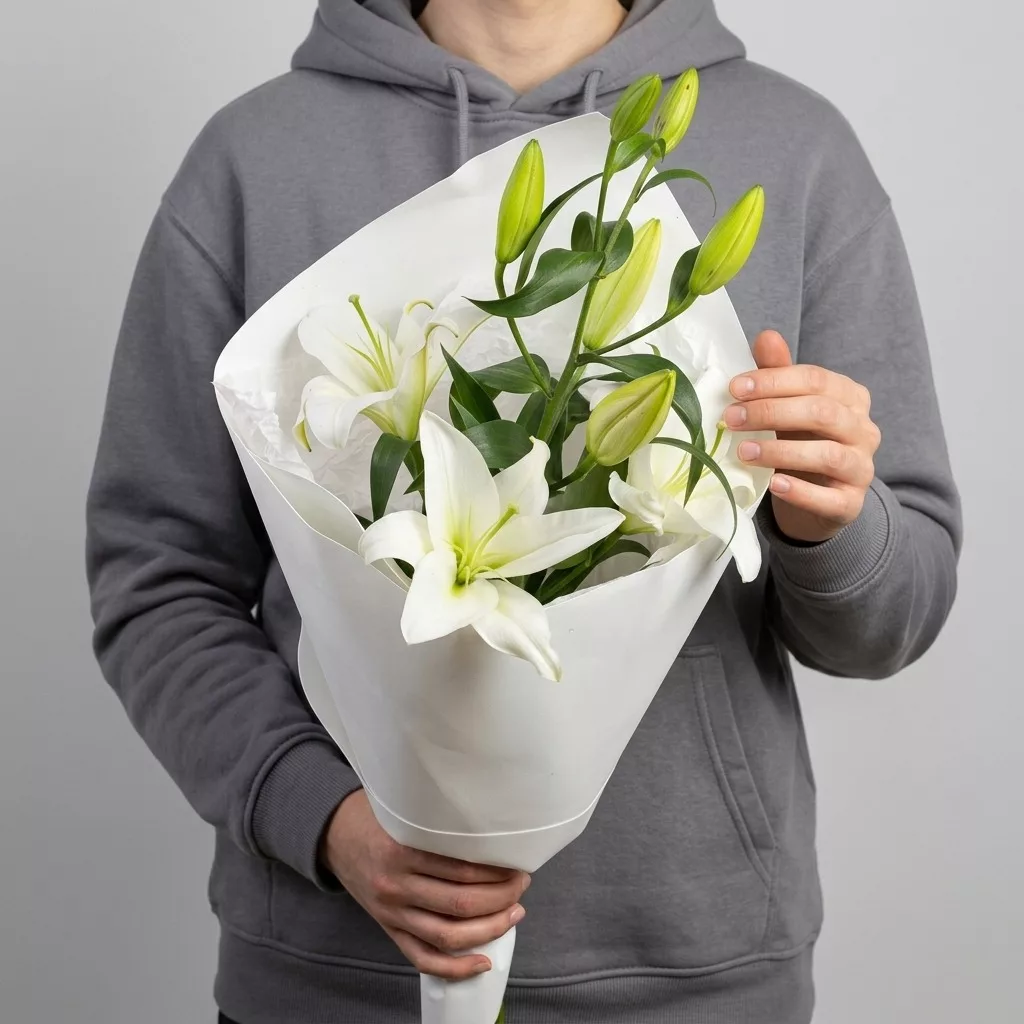
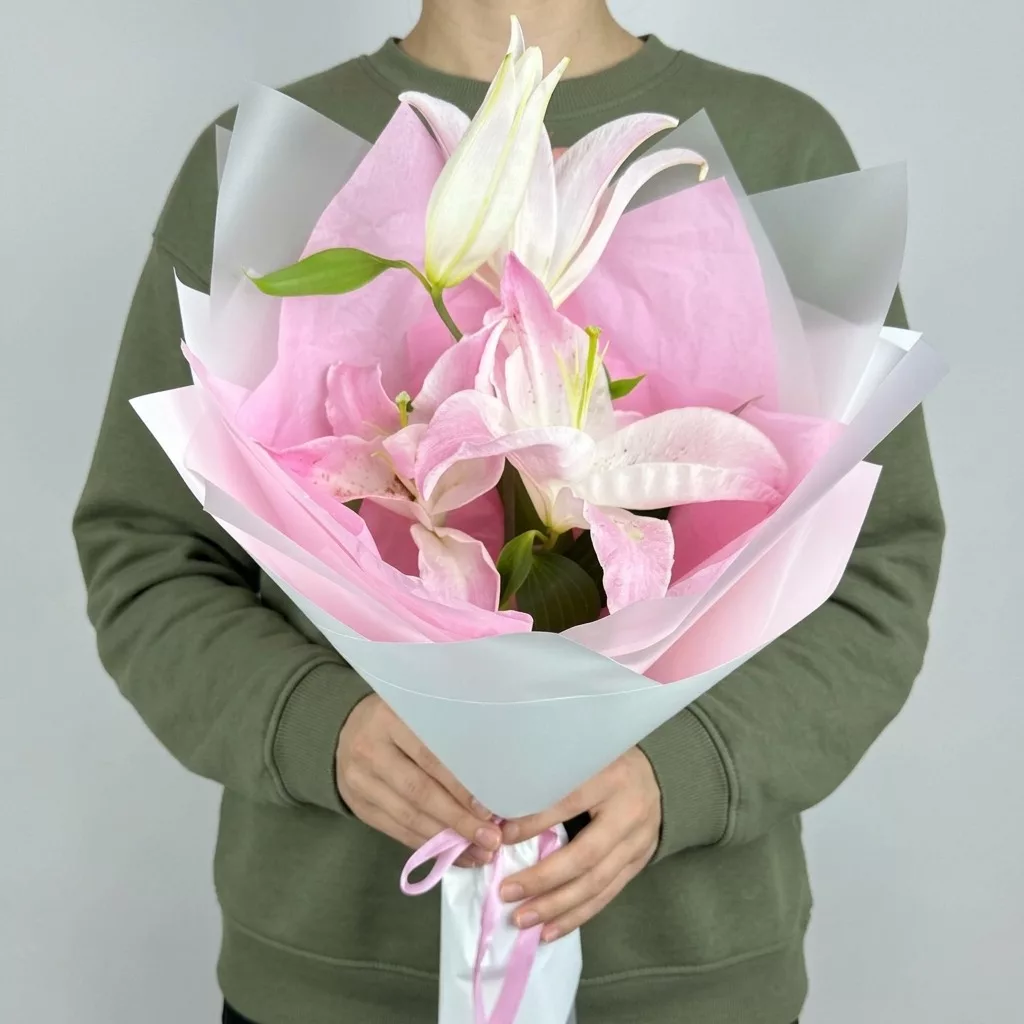
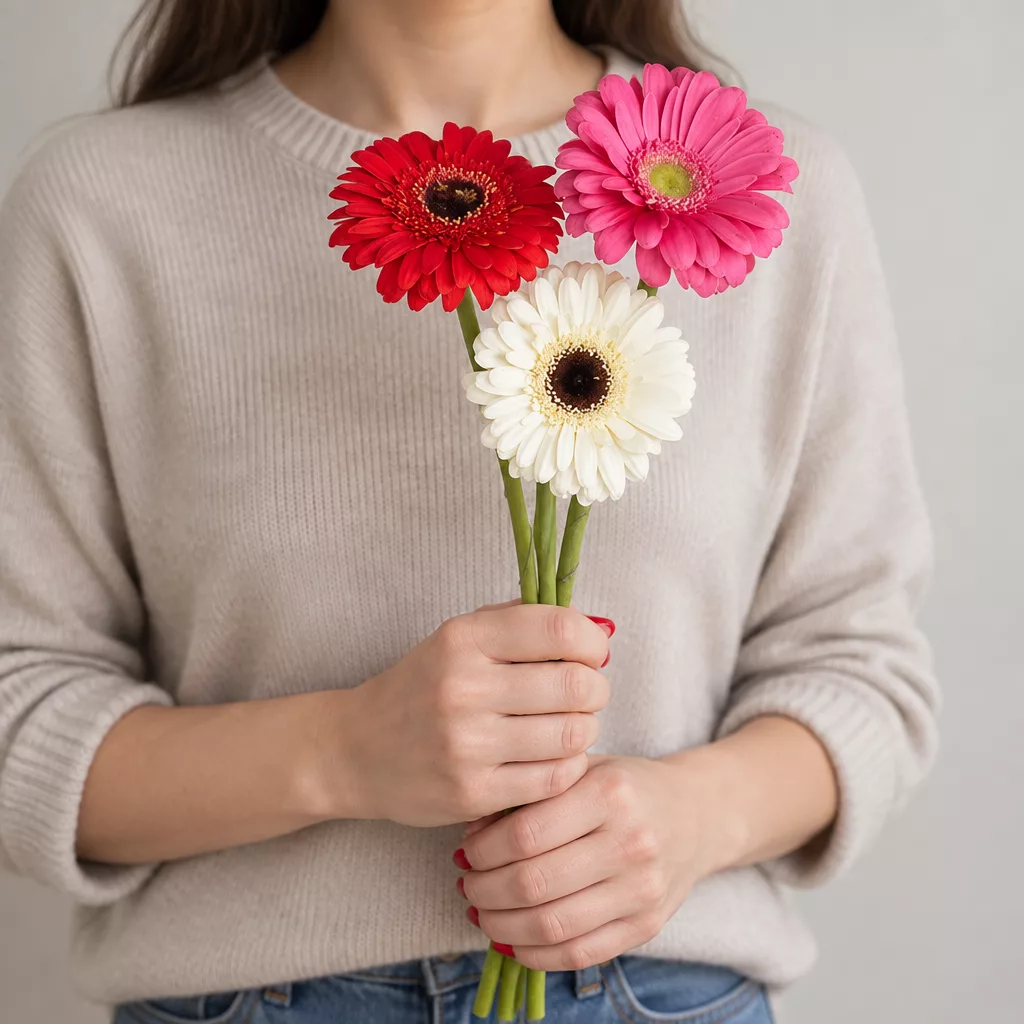
Bouquets we can deliver

Timing Your Order: When to Book for a Same-Day Arrival
The standard delivery window in Syktyvkar is one to two hours from the moment your order is confirmed. That window assumes you are ordering during working hours and that the recipient is reachable. If you are aiming for a specific moment — a birthday breakfast, an anniversary dinner, a surprise at the office before a meeting — book at least three to four hours ahead to give the team time to assemble the bouquet and dispatch it without rushing.
Evening deliveries up to around nine in the evening are available, and they are popular for anniversaries when the couple is home together. Morning deliveries from around eight are possible too, and a bouquet of garden roses or alstroemeria waiting by the door when someone leaves for work is a genuinely lovely gesture. The flowers are cut and conditioned the same day, so an eight o'clock delivery is not a leftover from the night before.
The one timing mistake people make most often is ordering on the day of a major Russian public holiday — March 8th, Valentine's Day, or New Year's Eve — without accounting for the surge in demand. On those dates, same-day slots fill by midday or earlier. Order the evening before, choose your delivery window for the morning of the occasion, and the bouquet arrives while the excitement is still fresh. Waiting until the afternoon of March 8th and hoping for a two-hour turnaround is the most common way a celebration becomes a near-miss.
What the Syktyvkar Climate Does to Flowers in Transit
Syktyvkar's climate is genuinely continental subarctic. January averages around minus fifteen Celsius, and temperatures below minus twenty-five are not unusual in February. This is not a detail to gloss over — cold of that severity can damage flowers in transit within minutes if they are not protected properly.
We wrap bouquets in insulating sleeves and use thermal packaging during the cold months. Roses and tulips are the most vulnerable: their petals bruise and blacken at the edges when exposed to hard frost, even briefly. Chrysanthemums, spray carnations, and alstroemeria handle cold considerably better, which is one reason they appear so often in winter arrangements heading to northern cities.
The transition from cold outside air to a warm interior is its own challenge. A bouquet that goes from minus twenty to a heated apartment in seconds needs a moment to adjust. We advise recipients not to unwrap flowers immediately in a very warm room — let them sit in the hallway or a cooler spot for five to ten minutes first. This prevents condensation from forming inside the wrapping and pressing against the petals.
Summer in Syktyvkar brings the opposite problem. July temperatures can reach twenty-five to thirty Celsius, and a bouquet sitting in a warm vehicle loses moisture quickly. We cut delivery times tighter in summer heat and use water-retaining gel packs in the stems. Peonies, which peak in June and are enormously popular, are especially sensitive and need to move from cooler to recipient as fast as possible to arrive with their heads still firm and full.
Choosing the Right Flowers for the Person and the Moment
The occasion shapes the choice more than anything else, but the person shapes it even more. A birthday bouquet for a colleague you do not know well calls for something cheerful and neutral — a mix of spray roses, waxflower, and eucalyptus reads as generous without being overly intimate. A bouquet for a close friend or partner can go further: garden roses in a single colour, sweet peas in season, or ranunculus with their layered petals that feel genuinely special rather than generic.
For a housewarming — a common occasion in Russia when someone moves into a new flat — potted plants or arrangements in low vases work better than tall bouquets, because the recipient is likely surrounded by boxes and has no vase to hand. A low arrangement of gerbera or a compact potted kalanchoe is practical and pretty at the same time.
In Russian tradition, bouquets are given in odd numbers — one, three, five, seven stems — and this is worth knowing if you want the gesture to land naturally. Even numbers are associated with mourning, and while younger recipients may not think twice about it, older family members will notice. Florists here follow this instinctively, but if you are building a custom order online, keep it in mind.
Colour matters too. White flowers are elegant and work beautifully for birthdays and congratulations. Red roses carry the obvious romantic weight. Yellow flowers have a complicated reputation in Russian culture — some people associate them with separation — so unless you know the recipient is indifferent to this, mixing yellow with other colours rather than sending a purely yellow bouquet is the safer and more interesting choice.
Arrangements by Budget: Getting the Most from Every Order
A smaller budget does not mean a forgettable bouquet — it means being smarter about what you choose and how it is put together. Single-variety arrangements almost always look more considered than mixed bunches assembled without a clear idea. Five stems of white lisianthus, which has the frilled look of a peony at a fraction of the cost, arranged with a little greenery and a clean ribbon, lands better than a random assortment of whatever is cheapest that day.
Mid-range orders open up the most interesting combinations. Dutch roses paired with Italian ruscus and a few stems of waxflower create depth and texture. Garden roses — varieties like David Austin types with their cupped, layered heads — cost more per stem but need fewer of them to fill a bouquet beautifully. Three garden roses with foliage and a single stem of eucalyptus can look more generous than a dozen standard roses with no supporting elements.
For a larger occasion — an anniversary, a significant birthday, a thank-you that needs to make a real impression — consider scale and drama. A tall arrangement of white oriental lilies, which open slowly over several days and fill a room with scent, is a gift that keeps developing after it arrives. Tall stems of delphinium in blue or violet are striking and unusual; they photograph beautifully and last well in a cool room. Whatever the budget, the principle is the same: choose with the recipient's home and personality in mind, not just the price point, and the bouquet will feel right when it arrives.
How to Care for Flowers Once They Arrive in Syktyvkar
The first thirty minutes after a bouquet arrives determine most of its vase life. The single most important step is a clean diagonal cut — about two centimetres from the bottom of each stem — made with a sharp knife rather than scissors. Scissors crush the stem tissue and reduce water uptake. A diagonal cut increases the surface area exposed to water and makes an immediate difference.
Water temperature matters more than most people expect. Lukewarm water, not cold, is the right choice for most cut flowers. Cold water slows absorption, and flowers that have been in transit need to drink quickly. Change the water every two days and re-cut the stems each time. Remove any leaves that fall below the waterline — they rot fast and cloud the water, which introduces bacteria that shorten vase life significantly.
In Syktyvkar's heated interiors — Russian central heating runs hot and dry from October through April — keep flowers away from radiators and direct sunlight. A cool corner or a north-facing windowsill extends vase life noticeably. Tulips will continue to grow in the vase and lean toward light, which is charming but means they need rotating every day or two to stay upright.
Roses that arrive with their heads slightly soft — which can happen in very cold transit — can often be revived by cutting the stems and standing the entire bouquet in deep, cool water for a few hours. Wrap the heads loosely in newspaper to support them while they drink. This technique works reliably for roses and gerbera and is worth trying before giving up on a bouquet that looks tired after a cold journey.
Making the Delivery Feel Personal: Notes, Timing and Small Details
A bouquet arriving without a card is a missed opportunity. In Russia, a handwritten note — even a short one — adds warmth that the flowers alone cannot carry. You do not need to write much: a name, a single sentence, and your name at the end is enough to make the moment feel complete. We print the message on a card and place it with the bouquet, so it arrives as part of the presentation rather than as an afterthought.
Timing the delivery to a specific moment takes a little coordination but pays off. If you know the recipient finishes work at six and walks home, a delivery arriving at six-thirty feels considered. If they are working from home and you want it to be a surprise, a morning delivery before nine means it is there when they open the door for the first time that day. Share what you know about their schedule in the order notes and we work around it.
Presentation choices matter too. A bouquet in kraft paper with a simple ribbon is classic and suits almost any occasion. A bouquet in a hat box travels well and feels like a gift rather than a bunch of flowers. If the recipient has a particular style — minimalist, maximalist, loves colour or prefers white and green — mentioning it in the order comments gives the florist room to make choices that feel tailored rather than standard.
Finally, if you are sending flowers to someone who lives alone or is elderly, consider adding a care card with the bouquet — a small printed note explaining how to cut the stems and change the water. It is a practical kindness, and it means the flowers last longer, which extends the feeling of being remembered.
Syktyvkar is a city where a well-timed, well-chosen bouquet genuinely lands. The climate demands care, the distances require planning, and the person waiting at the door deserves flowers that look as good on arrival as they did in the photograph. Order with the occasion and the recipient in mind, give us the details that help us get there at the right moment, and the rest takes care of itself. Fresh flowers, delivered properly, do something that a message or a gift card simply cannot — they make the room feel different the moment they walk in.
Frequently asked questions
Can you deliver flowers to Ezhva, the district across the river from central Syktyvkar?
Yes, Ezhva is within our delivery zone. Because it sits across the Sysola River, routes there can take slightly longer, especially in spring when road conditions change. We factor this into the delivery window when you select that address, so the flowers still arrive fresh and on schedule.
How do you protect flowers from Syktyvkar's extreme winter cold during delivery?
We use insulating sleeves and thermal packaging for cold-weather deliveries. Flowers like roses and tulips are most vulnerable to frost damage, so we wrap them carefully and keep transit time as short as possible. We also advise recipients to let the bouquet adjust in a cooler hallway for a few minutes before unwrapping in a warm room.
Is it true that flowers should be given in odd numbers in Russia?
Yes, this is a genuine and widely observed tradition. Odd numbers — one, three, five, seven stems — are for celebrations and gifts. Even numbers are associated with mourning occasions. If you are building a custom order, keeping to an odd count ensures the bouquet feels right to Russian recipients of all generations.
What flowers last longest in Syktyvkar's dry, centrally heated apartments in winter?
Chrysanthemums, alstroemeria, and spray carnations are the most resilient in dry heated air. Lisianthus also holds well. Keep them away from radiators, change the water every two days, and re-cut the stems each time. A cool spot — away from direct heat and sunlight — can add three to five days to vase life.
How far in advance should I order for a delivery on March 8th, International Women's Day?
March 8th is the busiest single day of the year for flower delivery across Russia. Same-day slots in Syktyvkar fill well before midday on the day itself. We strongly recommend ordering the evening of March 7th and selecting a morning delivery window for the 8th. This guarantees freshness and avoids the mid-day rush entirely.
Ready to send flowers?
Pick the city, choose the bouquet, and a local florist takes it from there.
Choose a city →