Sending Flowers to Trubchevsk? Here Is What to Expect
Trubchevsk sits quietly on the Desna river in the Bryansk region, a town where a well-chosen bouquet still feels like a genuine event. Whether you are sending flowers to a relative you have not seen in months or marking a birthday for someone who lives far from the big cities, getting the delivery right matters more than the price tag. This guide walks you through timing, seasonal choices, presentation and the small details that turn a flower order into something the recipient will actually remember.
Where We Deliver in and Around Trubchevsk
Trubchevsk is a compact town, and that works in your favour. Most addresses in the central districts, the residential streets near the river embankment and the older neighbourhoods closer to the kremlin hill are all reachable within a single delivery window. If you are sending to a village just outside the town boundary, let us know the exact address at the time of order so we can confirm coverage without delay.
The Bryansk region has a spread-out geography, and Trubchevsk is one of the more southern points in the oblast. Roads here can be affected by heavy snow in January and February or by spring mud in March when the Desna floods its lower banks. We factor seasonal road conditions into our timing estimates, so the delivery window you see at checkout already accounts for those realities rather than assuming ideal conditions.
For apartment buildings, it helps to include the entrance number and floor. Many blocks in Russian towns like Trubchevsk were built in the Soviet era and share a single street address across several entrances. A missing entrance number is the single most common reason a courier has to call ahead and lose ten minutes outside in the cold, which is hard on both the courier and the flowers.
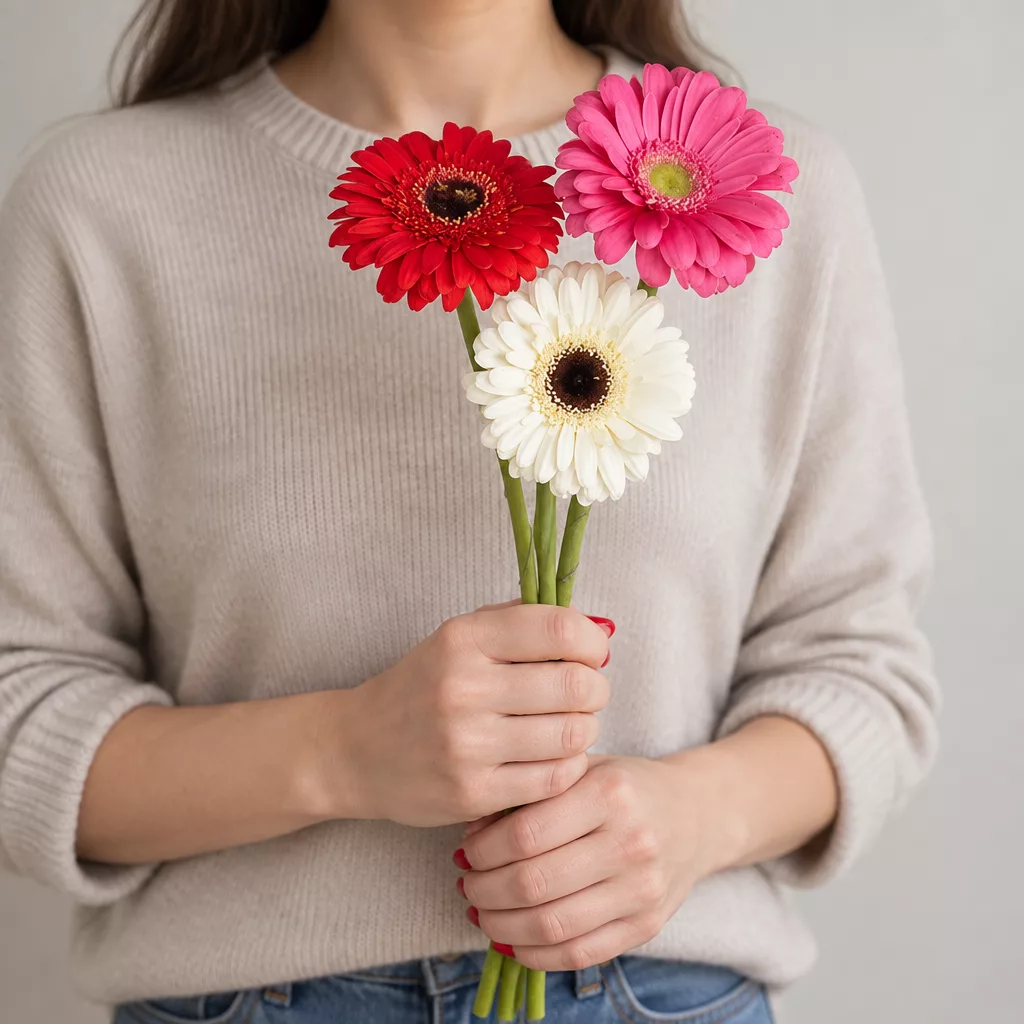
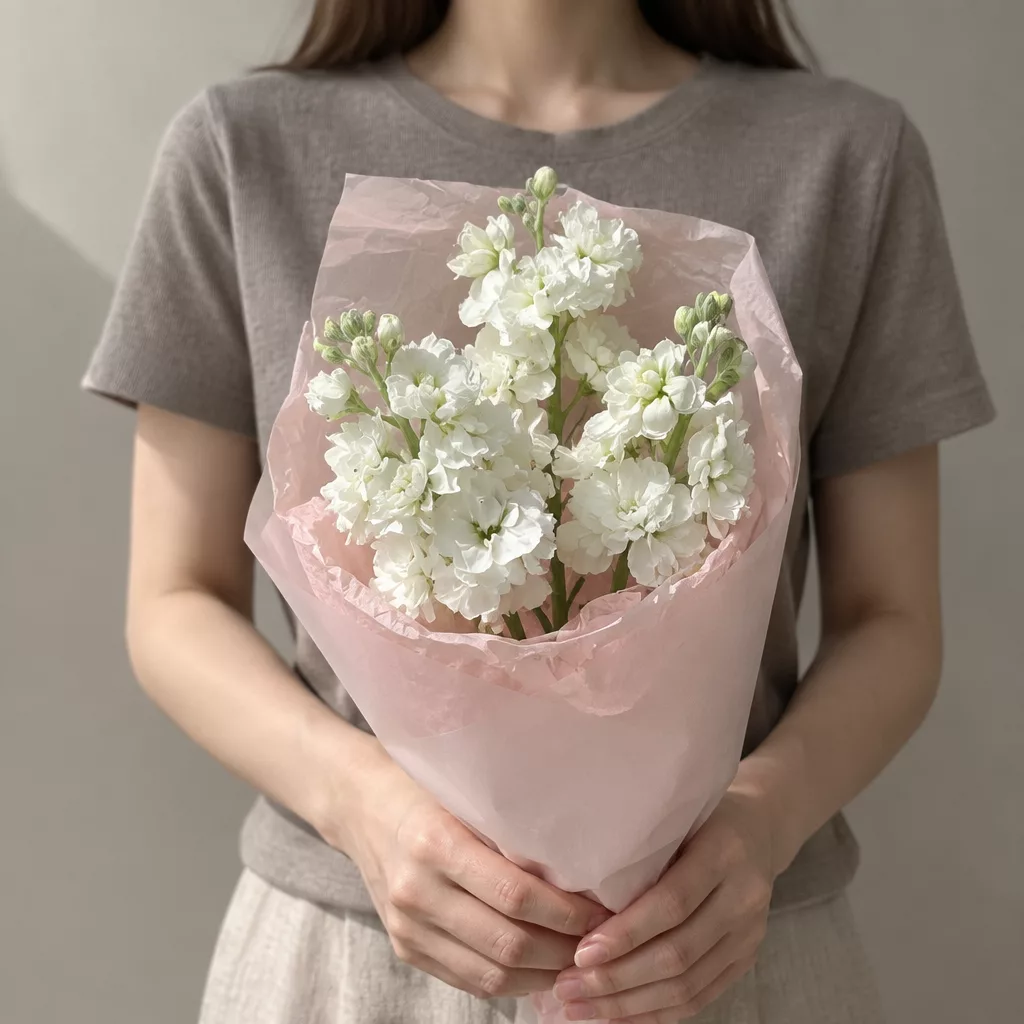
Bouquets we can deliver


Timing Your Order for the Moment That Counts
Turboflora works on a one-to-two hour delivery window from the moment your order is confirmed. For Trubchevsk, the practical advice is to place the order at least ninety minutes before you want the flowers to arrive, and to add a small buffer if the occasion is time-sensitive, such as a birthday dinner starting at seven in the evening.
Morning deliveries, roughly between nine and noon, tend to land well for workplace surprises and school celebrations. Afternoon slots work for home deliveries when someone is reliably in. If you are not certain the recipient will be home, a quick message to them saying a parcel is coming, without spoiling the surprise, is a reasonable middle ground. Flowers left in an unheated entrance hall in winter can suffer within an hour.
Russian name-day celebrations, called imeniny, often catch people off guard because the date follows the Orthodox calendar rather than a fixed birthday. If you know the recipient observes this tradition, plan the delivery for the morning of the name day rather than the evening, when family gatherings are already underway and the door may be answered by a crowd. A bouquet arriving at the start of the day sets the tone for everything that follows rather than arriving as an afterthought at the end of it.
Choosing Flowers for the Season and the Person
The Bryansk region has a proper continental climate. Winters are cold and grey, summers are warm and occasionally humid, and the transition seasons, particularly May and September, are genuinely beautiful. Matching your flower choice to the season is not just an aesthetic decision; it is a practical one, because flowers that travel well in cool autumn air may wilt faster in July heat.
In winter, spray roses, alstroemeria and chrysanthemums are reliable choices. They hold their structure in cold air and do not drop petals during transit. For Valentine's Day in February, red roses remain the expected choice in Russia, and single-variety bouquets of fifteen or twenty-one stems read as more intentional than mixed arrangements. Odd numbers are traditional in Russian gifting culture; even numbers are reserved for mourning, so always order an odd count.
In spring, tulips arrive in volume from March onward and feel genuinely seasonal rather than forced. Ranunculus and freesia add fragrance and layered texture without overpowering a room. By June, sunflowers and lisianthus come into their own. For a summer birthday, a combination of lisianthus in white or deep purple with eucalyptus and a few garden roses feels personal and unhurried rather than like a standard florist arrangement. Autumn calls for warm tones, dahlias when available, and the structural interest of dried grasses or cotton stems if the recipient has a more contemporary home.
Bouquet Sizes, Presentation and What Reads as Generous
In Russian gifting culture, the visual impression of a bouquet matters as much as the flowers themselves. A tightly wrapped, voluminous arrangement reads as a serious gift. A small bunch of five stems, however lovely individually, can feel understated at a significant occasion like a graduation, a teacher's day gift or a significant anniversary.
For everyday appreciation, a medium bouquet of eleven to fifteen stems in two or three complementary varieties is a strong default. Pair a focal flower, something with visual weight like a garden rose or a peony when in season, with a lighter filler such as waxflower or gypsophila, and add a single foliage element for structure. That three-part logic produces a bouquet that looks considered without requiring the sender to know florist terminology.
For larger occasions, think about what the recipient's home can actually accommodate. A towering arrangement of thirty stems sounds impressive but requires a very large vase and a table with space for it. If you know the person lives in a compact apartment, a structured hand-tied bouquet of twenty stems in a water-retaining wrap travels better and sits more comfortably on a windowsill or kitchen counter. Packaging matters in transit too: flowers delivered in winter should arrive in insulated wrapping that protects the blooms from frost between the van and the front door, which is something we handle on our end without you needing to request it.
What Happens Between the Florist and the Front Door
Once your order is confirmed, the bouquet is assembled fresh. We do not pull pre-made arrangements from cold storage and re-wrap them. The stems are cut, conditioned in clean water, arranged and wrapped for travel, all within the same preparation window. This is why the one-to-two hour window exists: it is not logistics time alone, it is also production time.
The courier carries flowers in a way that keeps them upright or at the correct angle depending on the variety. Roses and tulips, for example, are sensitive to being laid flat for extended periods because their heads become heavy and can crease the petals against the wrapping. Upright transit in a temperature-controlled vehicle makes a visible difference to how the bouquet looks when the paper comes off.
If the recipient is not home at the moment of delivery, we will call the number you provided. If there is no answer, we will also try the recipient's number if you have shared it. We do not leave flowers unattended outside a door in cold weather or direct sunlight. It is worth including a note at checkout about a neighbour who can accept the delivery, or a building manager, as a backup option. That one line of instruction has saved many a bouquet from an unhappy outcome on a winter afternoon in a town where temperatures can drop to minus fifteen by January.
Caring for the Flowers After Delivery: Advice for the Recipient
A fresh bouquet arriving in Trubchevsk in good condition still needs the right first hour to reach its full vase life. The most common mistake is placing flowers directly into a vase without re-cutting the stems. Even if the stems look fine, they seal over during transit. A clean diagonal cut of about two centimetres with a sharp knife, not scissors, opens the stem tissue properly and allows water uptake to resume immediately.
The water in the vase should be cool and clean. Tap water in most Russian towns is fine, but changing it every two days extends vase life noticeably. Remove any leaves that fall below the waterline, because submerged foliage decays quickly and introduces bacteria that shorten the life of the whole bouquet. Most of our bouquets include a small sachet of flower food, which contains a mild acidifier and a sugar source; dissolve the whole sachet in the water at the start rather than splitting it.
Keep the vase away from radiators, which are often running at full capacity in Trubchevsk homes from October through April. Central heating dries the air significantly, and flowers placed near a radiator or on top of a television can lose moisture faster than the stems can replace it. A cool windowsill in a room that is not overheated is the best position. At night, moving the vase to a cooler room, even a hallway, can add a day or two to the life of roses and chrysanthemums in particular.
Making the Message Land: Notes, Timing and Small Touches
A bouquet without a card is a missed opportunity. In Russian tradition, the gesture of giving flowers is understood, but words written in a card carry weight that the flowers alone cannot. Keep the message specific rather than generic. A note that references a shared memory, a running joke or the exact reason you are sending flowers will be kept and re-read. A note that says only Happy Birthday will be read once.
If you are sending flowers from abroad to someone in Trubchevsk, consider the time difference when scheduling delivery. Moscow time is UTC plus three, and Trubchevsk follows Moscow time. A delivery scheduled for nine in the morning Moscow time arrives at a reasonable hour; one scheduled for what feels like mid-afternoon in your time zone might arrive at ten in the evening local time, which is less ideal for a surprise.
For celebrations that involve children, such as a first day of school on September first, which is a major occasion in Russia with flowers given to teachers by students, simpler and more colourful arrangements work better than sophisticated monochrome bouquets. Gladioli have been the traditional September first flower for generations in Russia and remain widely recognised as appropriate for that day. If you are sending for a teacher's day gift later in October, a mixed seasonal arrangement with warm tones feels more personal than a single-variety bunch and acknowledges the season visually.
Trubchevsk may be a small town, but the people there receive flowers with the same warmth and attention as anywhere else in Russia, perhaps more so. Getting the timing right, choosing varieties that suit the season, and adding a personal note are the three things that separate a forgettable delivery from one that gets talked about. Turboflora handles the logistics and the freshness; the thought behind the order is yours to bring.
Frequently asked questions
Can I schedule a flower delivery to Trubchevsk for a specific time of day?
Yes. When placing your order, you can specify a preferred delivery window. We recommend choosing a slot at least ninety minutes ahead and confirming that the recipient will be home. For morning deliveries to workplaces or schools, placing the order the evening before gives us the most flexibility to prepare and dispatch on time.
Why do Russian bouquets always have an odd number of flowers?
Odd numbers are a longstanding tradition in Russian gifting culture and are associated with celebration and good wishes. Even numbers are reserved for mourning occasions. If you are ordering for a birthday, anniversary or any joyful event, always choose an odd stem count: eleven, fifteen, twenty-one. We apply this automatically to our standard arrangements.
What flowers hold up best during winter delivery in the Bryansk region?
Spray roses, chrysanthemums, alstroemeria and carnations are the most cold-tolerant cut flowers and travel well in low temperatures. Tulips and ranunculus are also reliable in winter but need to arrive in insulated packaging. We wrap all cold-weather deliveries appropriately, but these varieties give you the best margin if there is any delay.
What if the recipient is not at home when the flowers arrive?
Our courier will call the sender first, then the recipient if you have provided their number. We do not leave bouquets outside unattended in winter or in direct sun. Adding a note at checkout naming a neighbour or building manager who can accept the delivery is the simplest backup plan and prevents any risk to the flowers.
How long will the flowers last after delivery in Trubchevsk?
Most fresh bouquets last seven to ten days with basic care: re-cut stems on arrival, change the water every two days, use the included flower food sachet and keep the vase away from radiators. Chrysanthemums and alstroemeria often last closer to twelve days. Tulips and ranunculus are shorter-lived but peak beautifully in the first four to five days.
Ready to send flowers?
Pick the city, choose the bouquet, and a local florist takes it from there.
Choose a city →