Sending Flowers to Tsimlyansk? Here Is What to Expect
Tsimlyansk sits on the Tsimlyansk Reservoir in the Rostov region, a city where a well-chosen bouquet can feel like a genuine event — because beautiful fresh flowers are not always easy to find locally. Whether you are marking a birthday, celebrating a new home or simply telling someone you are thinking of them, having flowers delivered from a serious florist changes the whole experience. This is everything you need to know before you place your order.
Who Receives Flowers in Tsimlyansk and What They Expect
Tsimlyansk is a compact city with a warm, southern character. People here notice presentation — a loosely wrapped bouquet in kraft paper tied with ribbon lands very differently than flowers handed over in a plastic sleeve. If you are sending to a woman for her birthday or name day, size and colour saturation matter enormously. Bright reds, deep purples and rich pinks read as celebratory and generous in this part of Russia, where understated minimalism is less common than in Moscow or Saint Petersburg.
For a colleague or teacher, white and cream tones with greenery feel respectful without being cold. Spray roses, lisianthus and alstroemeria hold their shape well in transit and look composed when they arrive. If you are sending to a grandmother or older relative, garden-style arrangements with peonies in season, or soft garden roses mixed with eucalyptus, tend to be received with the most warmth.
Russian gifting culture has one rule that surprises many people ordering from abroad: always send an odd number of flowers. Even numbers are reserved for mourning occasions, so a bouquet of eleven roses or fifteen tulips is the right instinct. Your florist will already know this, but it is worth understanding so you can count what arrives in the photo and feel confident everything is correct.
Finally, a small card with a handwritten-style message matters here. In a city where many people know each other, the personal touch of a note transforms a delivery from a transaction into a real gesture.
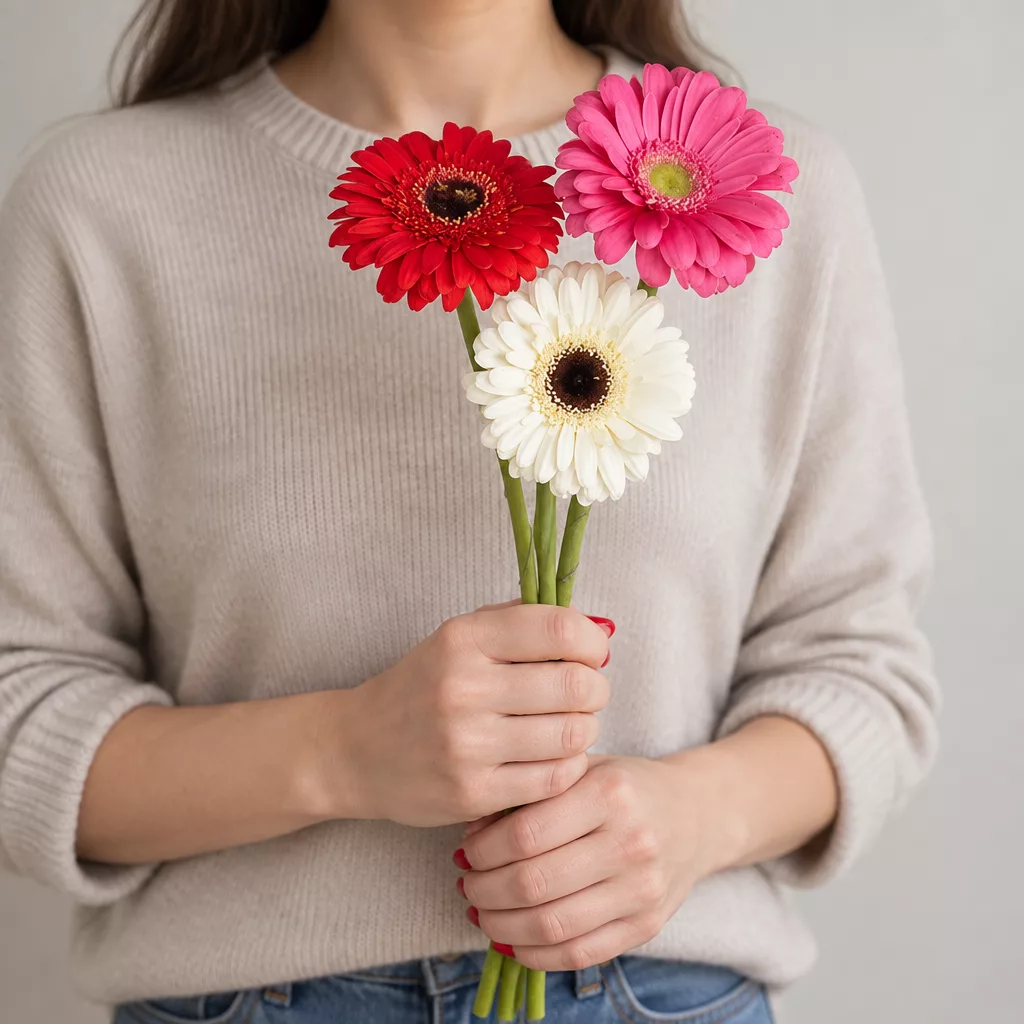
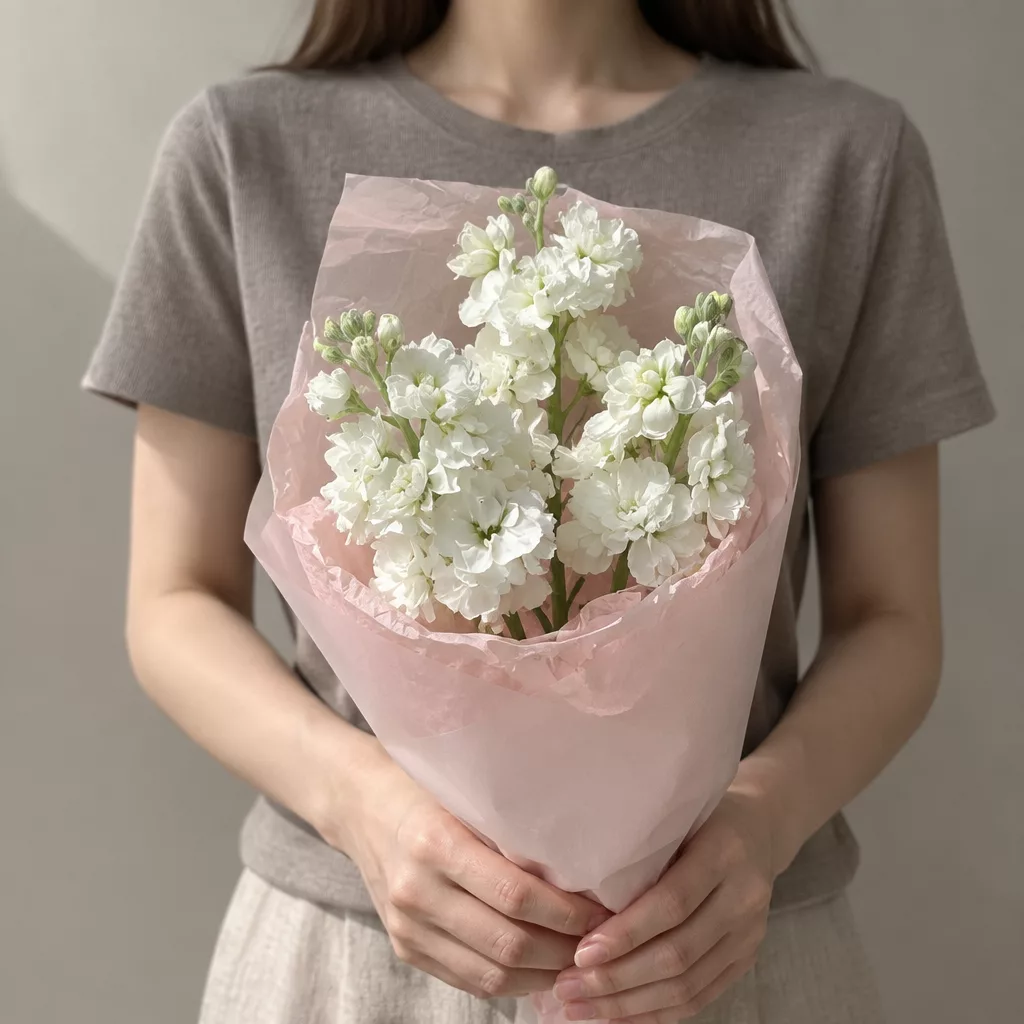
Bouquets we can deliver


Delivery Timing: What the Distance Actually Means
Tsimlyansk is located in the Rostov region, roughly 1,100 kilometres south of Saint Petersburg. That distance shapes how your order is handled from the very first step. Flowers are not stored and shipped on demand — they are assembled fresh and dispatched in temperature-controlled conditions designed to preserve them through the journey. The transit time to Tsimlyansk is typically within one to two days depending on the route and the time of day your order is placed.
For same-day delivery, placing your order in the morning gives the best result. Orders placed before noon local Saint Petersburg time have the highest chance of arriving the same day. Orders placed in the afternoon may be scheduled for the following morning, which is often the smarter choice — flowers that arrive at a calm moment rather than late in the evening make a better impression.
Temperature is a real factor in the Rostov region. In summer, daytime temperatures in Tsimlyansk regularly exceed 30 degrees Celsius. This means the delivery window matters: a bouquet sitting in a warm car or on a doorstep for two hours in July will not look the same as one delivered directly into someone's hands. When placing your order, try to include a phone number for the recipient so the courier can coordinate a handoff time rather than leaving flowers unattended.
In winter, the concern reverses. Roses and tropical varieties like strelitzia can suffer cold shock below minus five. Proper wrapping in insulating paper is standard practice, but knowing this helps you understand why packaging sometimes looks more elaborate in colder months.
Choosing Flowers for the Occasion, Not Just the Season
The occasion should lead your choice more than the calendar. A birthday in January calls for something bold and alive — think red or coral roses, orange gerberas or burgundy chrysanthemums. These varieties travel well and open beautifully within 24 hours of arrival, which means the recipient gets to watch the bouquet bloom rather than receiving something already fully open and past its peak.
For a romantic gesture, long-stemmed roses remain the clearest signal in Russian culture. A single variety in one colour — all red, all white, all blush — reads as more intentional and elegant than a mixed arrangement. If you want something a little less conventional, garden roses with their layered petals and soft fragrance feel luxurious without being showy. Pair them with eucalyptus or ruscus for a combination that holds well in transit.
For celebrations that are not romantic — a promotion, a graduation, a housewarming — mixed seasonal arrangements give you more room to be playful. Sunflowers combined with chamomile and green bell pepper (the ornamental variety, used in floristry for its texture) make a cheerful, abundant-looking bouquet that photographs well and fills a room. Lisianthus is an underrated choice here: it resembles a peony at a fraction of the price, lasts ten to fourteen days in water and travels without bruising.
For a new mother or a hospital visit, soft pastels and white flowers feel appropriate. Avoid strongly scented varieties like lilies in enclosed spaces — the fragrance can be overwhelming rather than pleasant. Spray roses, freesia and alstroemeria offer colour without intensity.
Budget and What It Gets You at Each Level
Thinking about budget before you browse saves time and sets realistic expectations. At the entry level, you are typically looking at a compact hand-tied bouquet of five to seven stems — a small bunch of spray roses, a few stems of alstroemeria and some greenery. This is a perfectly respectable gift for a colleague or a casual occasion, and it will arrive looking neat and intentional if assembled well.
Step up to a mid-range budget and the bouquet opens up considerably. Fifteen stems of roses with eucalyptus, or a mixed arrangement of peonies and lisianthus in season, moves from a polite gesture to something genuinely impressive. At this level you can also start thinking about presentation: a hatbox arrangement or flowers in a kraft-wrapped bundle tied with velvet ribbon adds perceived value without necessarily adding more stems.
At the higher end, you are working with volume, variety and often a signature style. Fifty roses in a round dome shape, or a large garden-style arrangement with hydrangeas, garden roses, ranunculus and trailing greenery, makes an entrance when it arrives. These arrangements are appropriate for significant birthdays — especially round numbers like 50 or 60 — for anniversaries and for moments when you want the recipient to feel genuinely celebrated.
One practical note: adding a small gift alongside the flowers — a box of chocolates, a candle or a small potted succulent — can sometimes make a modest bouquet feel more generous. This works particularly well when you are sending to someone you do not know extremely well and want the overall gesture to feel warm and considered rather than token.
What Arrives and How to Read the Condition of the Flowers
Fresh flowers delivered after a long journey will often look slightly tired when they first arrive. This is completely normal and not a sign of poor quality. The stems have been out of water during transit, the blooms may be partially closed and the outer petals of roses — called guard petals — are sometimes slightly bruised or papery. These outer petals exist precisely to protect the inner bloom during handling, and they should be gently removed before putting the flowers in a vase.
Roses and peonies in particular are often sent in bud form intentionally. A bud that opens over two or three days in the recipient's home gives a longer experience of the flowers and arrives in better condition than a bloom that was already fully open when packed. If a recipient messages you to say the flowers look closed or small, reassure them — by the following morning, the difference is usually dramatic.
Hydrangeas are the most sensitive variety in transit. They drink through their petals as well as their stems, so if they arrive looking limp, submerging the entire head in cool water for 30 minutes will usually revive them completely. This is a florist trick worth sharing with the recipient when hydrangeas are part of the arrangement.
The packaging itself tells you something about care. Flowers wrapped in moisture-retaining tissue at the stem ends, with the bouquet secured so stems do not shift during transport, have been packed by someone who understands what the journey does to flowers. When packaging is done correctly, even a 24-hour transit should produce a bouquet that looks fresh and lasts well.
Vase Life and Care After Delivery in a Southern Climate
Tsimlyansk's warm summers mean that vase life in this city is shorter than in cooler parts of Russia unless the recipient takes a few simple steps. The single most important thing is water temperature and freshness. Cool water changed every two days, with a clean diagonal cut on the stems each time, will extend the life of almost any bouquet by three to five days compared to flowers left in the same water without maintenance.
Keep flowers away from direct sunlight, which is intense in the Rostov region from May through September, and away from fruit bowls. Ripening fruit releases ethylene gas, which accelerates the ageing of flowers — especially roses and carnations. A shaded spot in a cool room, away from windows and kitchen counters, is the best location.
For specific varieties: tulips continue to grow after cutting and will lean toward light sources, so rotate the vase daily if you want them to stay upright. Gerberas prefer shallow water — no more than five centimetres — because their stems can rot if submerged too deeply. Chrysanthemums are among the most resilient varieties and will often last two weeks with basic care, making them an excellent choice for recipients who travel or are not at home every day.
A small sachet of flower food is often included with a delivery. It is worth using — it contains a sugar source for energy, a pH adjuster to help water uptake and a mild antibacterial agent. If the sachet is lost or forgotten, a small pinch of sugar and a drop of bleach in the water does a similar job. These small steps make a real difference in a warm climate where bacteria multiply faster in the vase water.
Making the Order Go Smoothly From Start to Finish
The details you provide at checkout have a direct effect on how the delivery goes. A full address including the apartment number, entry code and floor takes less than a minute to type and prevents a courier from standing outside a locked building trying to reach someone by phone. In Tsimlyansk, as in many smaller Russian cities, building entry systems vary — some require a code, some require a call button, some have a concierge. Including all of this information saves time and protects the flowers from sitting in heat while the courier waits.
If the delivery is a surprise, say so clearly in the order notes. The courier will avoid calling the recipient in advance and will coordinate with you instead. If the recipient will not be home, it is worth specifying a neighbour, a building administrator or a specific time window when they will be available. Leaving flowers at a door in summer heat is a last resort, not a plan.
The message card is something many people underestimate. A short, warm message — even two sentences — transforms the experience of receiving flowers. In Russian culture, the card is often kept long after the flowers are gone. Take a moment with it.
Finally, if you are ordering for a significant date — a birthday, an anniversary, the eighth of March or the twenty-third of February — place your order at least 24 hours in advance. These dates see high demand across Russia, and ordering early means your arrangement is assembled with full attention rather than in a rush. Early orders also give more flexibility if you want to request a specific colour palette or add a personal touch to the presentation.
Sending flowers to Tsimlyansk from Saint Petersburg is a straightforward process when you understand what the distance involves and what the recipient will experience on their end. Choose for the occasion and the person first, think about timing and temperature, and give the courier the information they need to make the handoff smooth. A well-chosen bouquet, assembled fresh and delivered with care, is one of the simplest ways to make someone in a city far away feel genuinely seen.
Frequently asked questions
Can I order flowers for delivery to Tsimlyansk on the same day?
Same-day delivery to Tsimlyansk is possible when orders are placed in the morning. Orders received before noon Saint Petersburg time have the best chance of arriving the same day. For afternoon orders, scheduling delivery for the following morning is often the more reliable choice and ensures the flowers arrive in the best possible condition.
What flowers travel best over long distances in warm weather?
Spray roses, alstroemeria, chrysanthemums and lisianthus are among the most resilient varieties for long-distance delivery. They hold their structure well, are not easily bruised and continue to open after arrival. Avoid requesting fully open peonies or hydrangeas for summer deliveries — buds travel far better and give the recipient the pleasure of watching them bloom.
Why does the bouquet sometimes look smaller or more closed than in the photo?
Bouquets are often assembled with partially open or budded blooms specifically so they survive transit and last longer once received. Within 24 to 48 hours in water at room temperature, most flowers open fully and the arrangement fills out considerably. Guard petals on roses — the slightly papery outer ones — should be removed gently to reveal the fresh inner bloom.
Is it important to send an odd number of flowers when ordering for Russia?
Yes. In Russian tradition, even numbers of flowers are associated with mourning and are brought to funerals. For any celebratory or personal occasion, an odd number — seven, eleven, fifteen, twenty-one — is the correct choice. Florists assembling bouquets for Russian delivery already follow this convention, but it is useful to know when you are counting stems yourself.
How do I keep flowers fresh longer in Tsimlyansk's summer heat?
Change the water every two days and recut the stems diagonally each time. Keep the bouquet away from direct sunlight and fruit. Gerberas prefer shallow water; tulips should be rotated daily to stay upright. Use the flower food sachet included with delivery — it genuinely extends vase life by several days, which matters more in a warm southern climate than in cooler regions.
Ready to send flowers?
Pick the city, choose the bouquet, and a local florist takes it from there.
Choose a city →