Flower Delivery in Winter Russia: What Happens to Bouquets in the Cold
In January in Saint Petersburg the temperature outside can sit at minus fifteen, sometimes lower. A bouquet of roses leaving a warm florist studio and stepping into that air has about as much time to adjust as you do when you walk outside without a coat. Understanding what actually happens to flowers in that cold — and what to do the moment they come through the door — means the person receiving them gets to enjoy them fully, not just salvage them.
What Extreme Cold Actually Does to Cut Flowers
Cut flowers are mostly water. Petals, stems, and leaves carry a high moisture content, and when that moisture meets temperatures well below zero it begins to freeze from the outside in. The process is faster than most people expect. At minus ten degrees Celsius, exposed rose petals can show damage within three to four minutes. The cell walls rupture as ice crystals form inside them, and when the flower warms back up those cells collapse. The petal turns translucent, then brown, and no amount of fresh water or warm room will reverse that.
The damage is not always obvious at first glance. A bouquet that has been briefly chilled may look perfect when it arrives and only reveal bruised petals twelve hours later as the tissue breaks down. This delayed reaction is one of the most common sources of confusion for recipients who assume the flowers were already old when they were sent.
Some varieties are far more vulnerable than others. Tropical flowers — anthuriums, orchid stems cut from arrangements, birds of paradise — suffer fastest because they have evolved for warmth and humidity. Thin-petalled flowers like anemones and ranunculus are also fragile in transit cold. Sturdier varieties such as chrysanthemums, carnations, and alstroemeria tolerate brief cold exposure better, though none of them are immune. Knowing this helps you choose the right flowers for a winter gift, especially when the recipient lives somewhere the courier will need extra time to reach.
Bouquets we can deliver



How Bouquets Are Wrapped and Protected During Transit
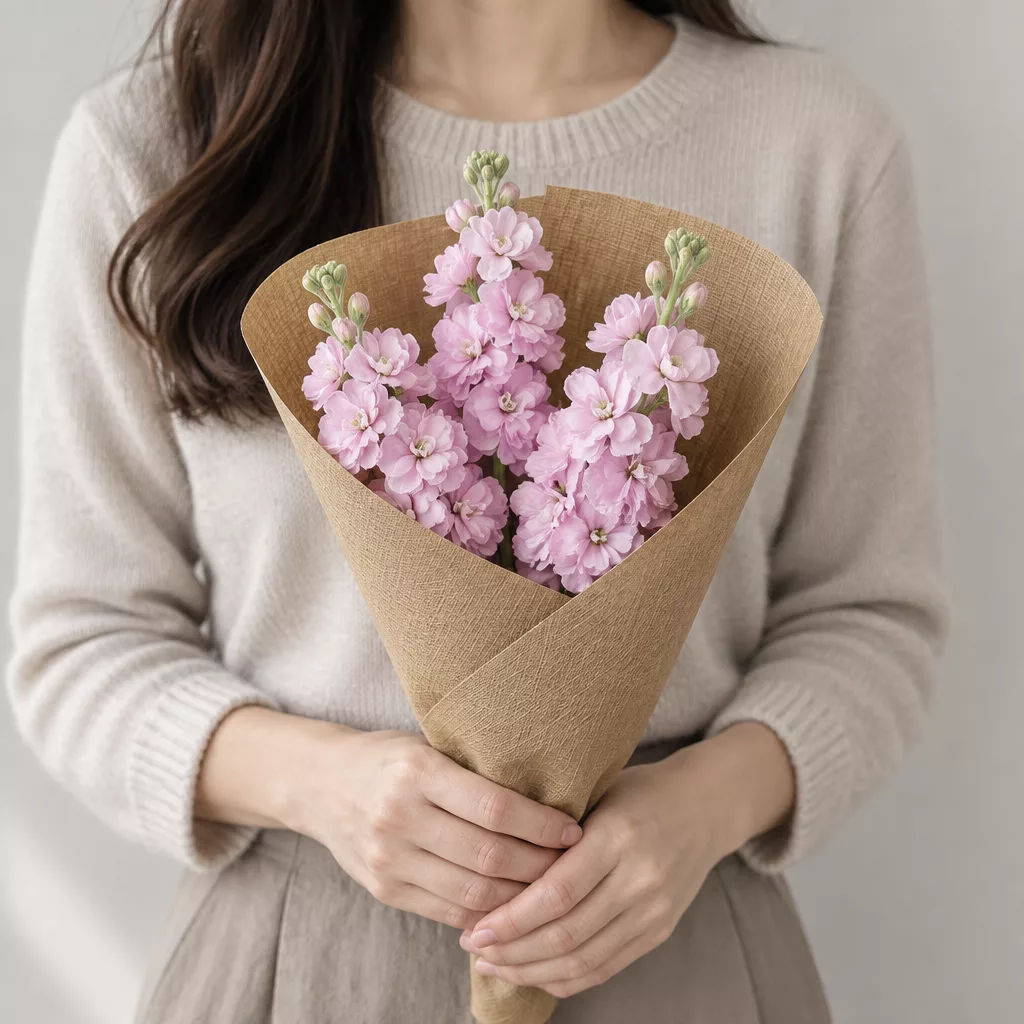
Professional wrapping for winter delivery is not just about appearance. The layers of craft paper or non-woven fabric around a bouquet create a buffer zone that slows the rate at which cold air reaches the flowers. A well-wrapped bouquet can tolerate five to seven minutes in minus fifteen degree air without significant damage, whereas an unwrapped stem would begin to suffer in under two minutes. The wrapping also prevents wind chill, which accelerates moisture loss from petals even when the temperature alone would not cause freezing.
The courier's bag or insulated box adds another layer. When flowers travel inside a vehicle the temperature inside the delivery compartment matters enormously. A car that has been idling and is properly heated keeps the interior air around zero to plus five during transit, which is cold enough to slow bacterial growth in the stems but warm enough to prevent freezing. The problem arises during the handover moment — when the bouquet moves from the vehicle to the recipient's hands at the doorstep. That transition, even if it lasts only thirty seconds, is often where the most cold exposure happens.
For very long routes or deliveries to cities with extreme winter conditions, flowers are sometimes placed in water tubes at the stem ends to maintain hydration during transit. This matters most for flowers with soft, fast-wilting stems like gerberas and tulips, which lose turgidity quickly when they cannot drink. A hydrated stem handles cold stress better than a dry one because the cells are already full and have slightly more structural resistance to ice formation.
Which Flowers Travel Best Through a Russian Winter
If you are choosing a bouquet that needs to travel far or will spend more time outside than usual, variety selection makes a real difference. Roses are the most popular choice year-round, and they handle winter transit reasonably well when the buds are still closed. A tight bud has fewer exposed cell layers than an open bloom, so it loses less moisture and has more structural protection. Garden roses with many petals packed together are more resilient than single-layer spray varieties.
Carnations are genuinely excellent winter flowers. They have waxy petals that resist moisture loss, tight calyx structures that protect the bloom, and long vase lives that mean even a little transit stress does not noticeably shorten how long they last at home. A carnation bouquet combined with eucalyptus or waxflower travels through cold better than almost any other combination and still looks full and generous when it arrives.
Chrysanthemums, alstroemeria, and hypericum berries are similarly robust. Hypericum in particular adds texture and warmth to winter arrangements and is practically indifferent to cold transit. Lisianthus is a good middle-ground choice — more delicate than a carnation but sturdier than a ranunculus, and its layered petals give it some natural insulation.
Flowers to approach carefully in winter are open peonies, garden anemones, sweet peas, and any orchid stem. These are not impossible to send in winter, but they require shorter transit times and careful wrapping. If the recipient is nearby and delivery is within the hour, they remain beautiful options. For longer distances in deep winter, lean toward the sturdier varieties and compensate with exceptional presentation.
The Critical First Ten Minutes After the Bouquet Arrives Indoors
This is where most winter flower mistakes happen, and it is entirely preventable once you know what to do. When a cold bouquet comes inside from minus fifteen into a heated apartment at twenty degrees, the temperature difference is thirty-five degrees. If you unwrap it immediately and place it in a warm room, the rapid warming causes condensation on the petals and can trigger the same cell damage that the cold began. The transition needs to be gradual.
Leave the bouquet wrapped and place it in a cool room or hallway for ten to fifteen minutes before unwrapping. In a Russian apartment this is often the entrance corridor, which tends to be cooler than the main living space. This intermediate step allows the flowers to acclimatize slowly. It feels counterintuitive when you want to see the bouquet, but those few minutes protect the petals significantly.
Once you unwrap, cut one to two centimetres from the base of each stem at a diagonal angle, using a sharp knife rather than scissors. Scissors compress the stem tissue and reduce water uptake. Make the cut under running water or while the stem is submerged in a bowl if possible, so an air bubble does not immediately enter the cut end. Place the stems immediately into a clean vase with fresh, cool water — not warm, not cold from the tap, but room temperature water that has been allowed to sit for a few minutes.
Remove any leaves that would sit below the waterline. Leaves decomposing in water create bacteria that block the stem and shorten vase life dramatically. This single step, often skipped, makes a noticeable difference in how long the arrangement lasts.
Choosing the Right Spot in the Apartment for Winter Bouquets
Russian apartments in winter are heated intensely. Central heating systems in Saint Petersburg and across the country run at full power from October through April, and interior temperatures often reach twenty-two to twenty-four degrees, sometimes higher near radiators. This warmth is the opposite of what cut flowers prefer. Most cut flowers last longest at fifteen to eighteen degrees, which in a Russian winter home means finding the cooler spots deliberately.
Keep the vase away from radiators and heating units. Even a metre of distance makes a difference because radiators dry the air immediately around them, and low humidity pulls moisture from petals faster than the stem can replace it. A windowsill in winter seems like a cool spot, but the glass conducts cold and the temperature directly against the window can drop below zero at night, which would damage the flowers from the other direction. Position the vase on a table or sideboard away from both the window and the heating source.
Direct sunlight in winter is less intense than in summer, but it still warms the water in the vase and accelerates bacterial growth. A bright room without direct sun hitting the vase is the ideal environment. Kitchens are often poor choices because the temperature fluctuates with cooking and ethylene gas from ripening fruit accelerates petal drop in many varieties, particularly roses and carnations.
At night, if there is a cooler room available, moving the vase there for the sleeping hours can meaningfully extend vase life. Florists often refrigerate their own flowers overnight for exactly this reason. You do not need a florist's refrigerator — a cool hallway or an unheated spare room works well enough to give the flowers several extra days.
How to Revive a Bouquet That Has Been Chilled in Transit
Sometimes, despite best efforts, a bouquet arrives with petals that look limp, slightly translucent, or beginning to droop. This does not always mean the flowers are finished. If the damage is from dehydration rather than true freezing, there is a good chance of recovery, and the two conditions can look similar at first.
Fill a deep container — a bucket or a tall jug — with cool water and submerge the stems up to the base of the blooms, keeping the flowers upright. Recut the stems first. Leave them in this deep water for one to two hours in a cool spot. Many flowers that look wilted after transit will recover their turgidity as the stems drink. Roses in particular have a strong capacity to rehydrate from a wilted state if the cell damage is not too severe.
If the petals have turned brown at the edges or have a waterlogged, translucent look, that is true frost damage and it will not reverse. In this case, remove the affected outer petals carefully. Rose and peony buds often have one or two outer guard petals that absorb cold damage while protecting the inner bloom. Removing these guard petals can reveal a healthy flower underneath that will open beautifully.
For tulips, which are especially prone to drooping after cold transit, wrapping the entire bouquet tightly in newspaper and standing it upright in deep cool water for two hours is a florist's standard revival method. The newspaper holds the stems straight and supports the heads while the flowers rehydrate. After the recovery period, unwrap and arrange as normal. Tulips that have been through this process often open more evenly and last longer than they would have without it.
Making the Bouquet Last: Day-by-Day Care Through the Winter Weeks
The first three days are the most important for establishing how long a winter bouquet will last. Change the water every day or every second day, and rinse the vase when you do. Bacteria accumulate quickly in vase water, especially in a warm apartment, and they block the stem ends more effectively than almost anything else. A clean vase and fresh water cost nothing and add days to the arrangement's life.
Recut the stems every two to three days, removing just a few millimetres each time. As the stem end sits in water, it begins to seal over with a layer of plant material and bacteria. A fresh cut reopens the water channels. Over a week of daily recuttings you will lose several centimetres of stem length, so start with the flowers in a tall vase and move to a shorter one as the stems shorten — this keeps the proportions looking intentional rather than accidental.
Flower food sachets, often included with a delivered bouquet, contain a mild biocide and a small amount of sugar. They genuinely extend vase life when used at the correct dilution, which is printed on the sachet. Do not double the dose thinking it will help more — too much sugar feeds bacteria rather than the flower.
In a warm Russian apartment, roses typically last seven to ten days with good care, carnations and chrysanthemums can reach fourteen days, and alstroemeria often lasts two weeks or more. Tulips are shorter-lived at five to seven days but open dramatically and change the character of a room as they do. Removing individual stems as they fade rather than replacing the whole arrangement at once keeps the bouquet looking cared-for and extends the enjoyment of the remaining flowers well past the first week.
A winter bouquet in Russia travels through conditions that would challenge any living thing, and the fact that flowers arrive beautiful is a combination of careful wrapping, fast delivery, and a few simple steps on the receiving end. The cold is not the enemy if you know how to work with it — gradual warming, a clean vase, a cool spot away from the radiator, and fresh water every other day will carry almost any well-chosen arrangement through two weeks of a Russian winter. The flowers were grown to be given and seen, and with a little attention they will be exactly that.
Frequently asked questions
Can flowers really freeze during delivery in a Russian winter?
Yes, exposed petals can begin to freeze within three to four minutes at minus ten degrees Celsius. Professional wrapping and a heated delivery vehicle reduce this risk significantly, but the handover moment at the door is always the most vulnerable point. Receiving the bouquet quickly and bringing it inside without unwrapping immediately helps protect the flowers during that transition.
Which flowers should I avoid ordering in deep winter if delivery takes a long time?
Tropical flowers like anthuriums, open peonies, anemones, sweet peas, and orchid stems are the most cold-sensitive and suffer fastest in transit. For longer delivery distances in January or February, carnations, chrysanthemums, alstroemeria, and closed rose buds are much safer choices and will arrive in better condition even if transit takes longer than expected.
My bouquet arrived looking droopy. Is it ruined?
Not necessarily. Drooping after cold transit is often dehydration rather than frost damage. Recut the stems at a diagonal angle and place them in deep cool water for one to two hours in a cool room. Many flowers, especially roses and tulips, recover well from this treatment. True frost damage shows as brown, translucent petals that do not firm up after rehydration, in which case removing the outer damaged petals may reveal healthy blooms underneath.
Where is the best place to keep a vase of flowers in a Russian apartment in winter?
Away from radiators, which dry the air and shorten petal life, and away from windowsills, where night temperatures near the glass can drop below zero. A table or sideboard in a bright room without direct sunlight hitting the vase is ideal. Moving the flowers to a cooler hallway overnight can add several days to their vase life, since most cut flowers prefer fifteen to eighteen degrees rather than the twenty-two to twenty-four degrees typical of a heated Russian apartment.
Does winter cold affect how long flowers last once they are indoors?
Cold transit that does not cause freezing can actually slow bacterial growth in the stems and arrive with flowers in good condition. The challenge indoors is the opposite: intense central heating shortens vase life faster than in summer. Changing the water every one to two days, recutting stems regularly, and keeping the vase away from heat sources will help the flowers last as long as they would in any other season.
Ready to send flowers?
Pick the city, choose the bouquet, and a local florist takes it from there.
Choose a city →