Sending Flowers to Yasnogorsk? Here Is What to Expect
Yasnogorsk sits about 60 kilometres south of Tula, a quiet industrial town where a bouquet of fresh flowers still feels like a genuine event. Whether you are sending roses to a colleague's birthday or surprising a relative you haven't seen in months, the distance between you and the recipient doesn't have to show in the freshness of the flowers. Here is everything you need to know before you order.
Which Areas of Yasnogorsk We Deliver To
Yasnogorsk is a compact town, and that works in your favour. Our delivery covers the central residential streets, the districts around the main railway station, and the newer housing blocks on the town's edges. If your recipient lives in any of the standard residential zones — including the areas along Lenina Street and the surrounding mikrorayons — the order reaches them without complications.
For addresses slightly outside the town boundary, such as private houses in the surrounding villages or dachas along the Oka river basin, it is worth contacting us before placing the order. We will confirm coverage and give you an honest answer rather than let the bouquet sit in transit too long.
One thing that matters here: always provide the full address including the apartment number and the building entrance code if there is one. Russian residential blocks often have locked entrance doors, and a florist standing outside with a bouquet of peonies in July heat or January frost is not the experience anyone wants. A working phone number for the recipient is equally important — not to spoil the surprise, but so our courier can coordinate the handoff smoothly without calling you repeatedly while you are at work.
Bouquets we can deliver

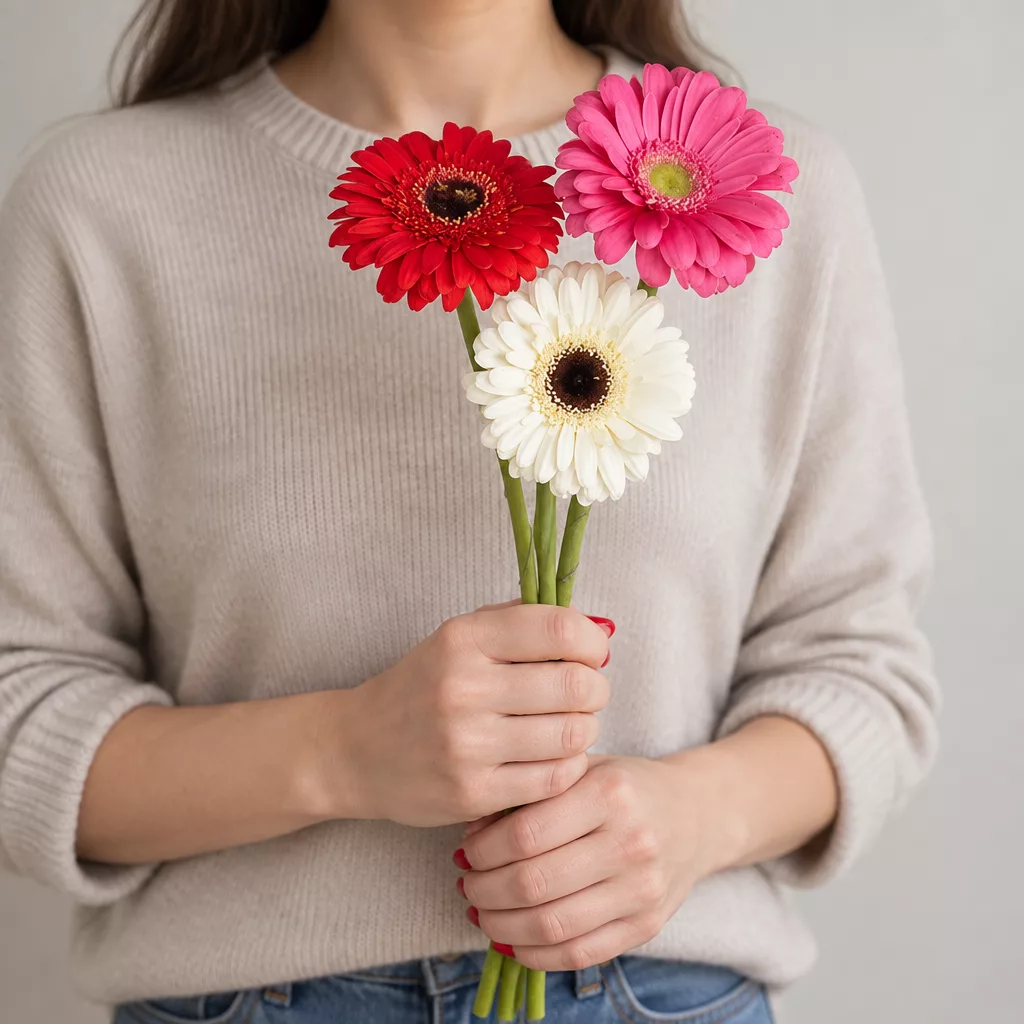
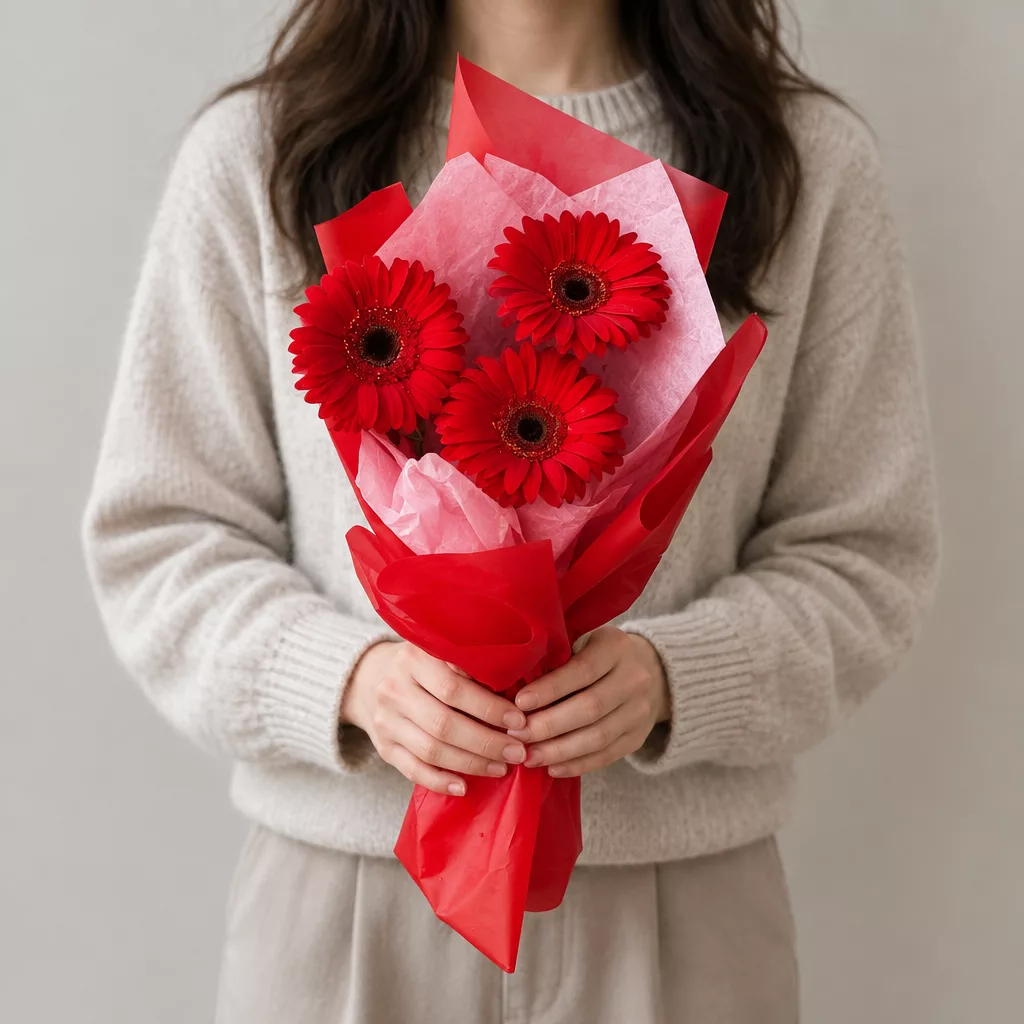
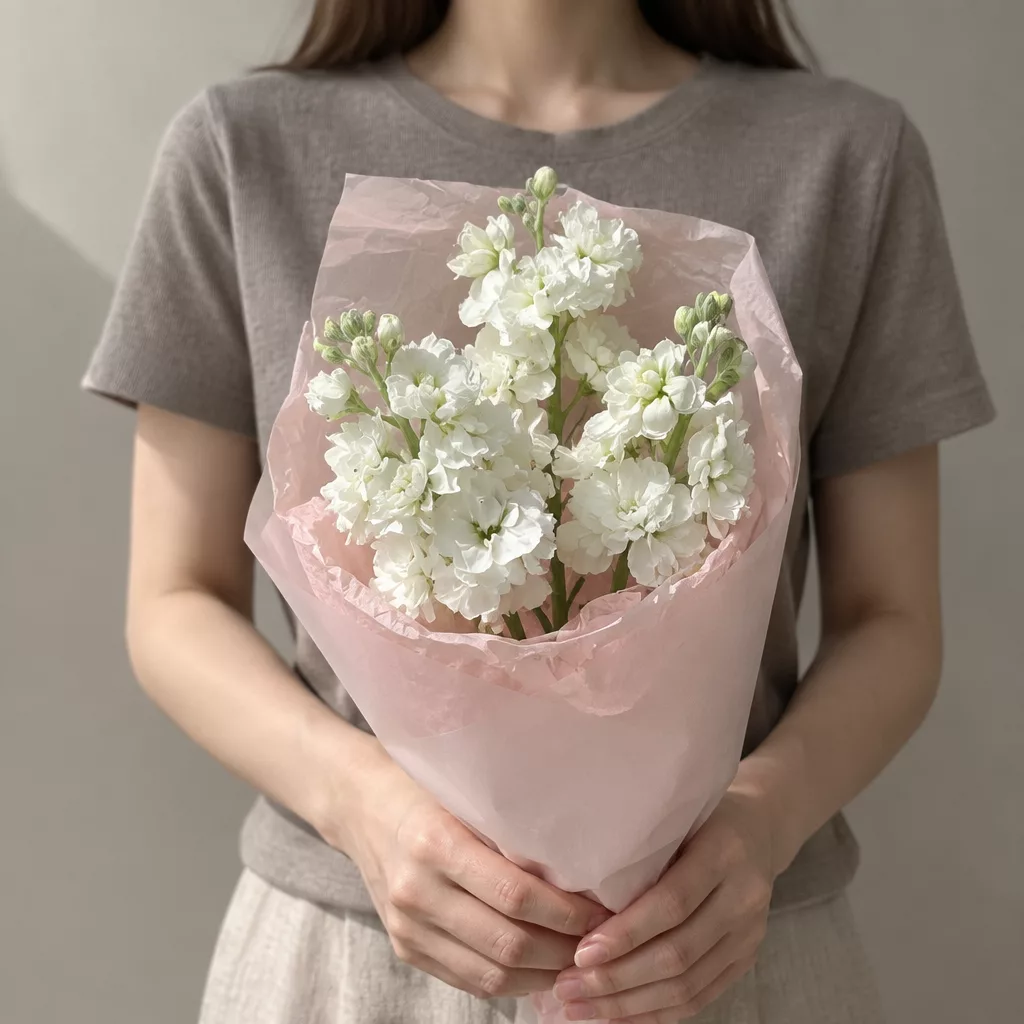
Delivery Timing and What the Journey Actually Looks Like
Orders placed before midday typically arrive the same day within the afternoon window. Orders placed in the afternoon can be scheduled for early evening delivery or the following morning, depending on what works for the recipient's schedule. We do not promise a specific minute, but we do commit to a two-hour delivery window that we confirm with you at checkout.
The route from our Saint Petersburg preparation facility to Yasnogorsk uses temperature-controlled transport. This matters more than most people realise. Roses and tulips are sensitive to temperature swings — anything above 25 degrees Celsius accelerates wilting, and anything below zero damages the petals within minutes. Our packaging is designed to buffer the flowers against both extremes during transit.
For same-day orders, the cut-off time is usually early afternoon. If you are sending flowers for a birthday dinner that starts at seven in the evening, placing the order by noon gives the most comfortable margin. Rush orders are sometimes possible — contact us directly to check availability rather than assuming the website's standard window applies. The earlier you order, the more bouquet options remain available, since some arrangements are prepared in limited quantities each day based on what arrived fresh from the growers that morning.
Choosing Flowers for the Person, Not Just the Occasion
The most common mistake people make when ordering remotely is picking whatever looks impressive in a photograph rather than thinking about who will receive it. A dramatic arrangement of dark-red garden roses and eucalyptus branches looks stunning in a studio shot, but if your recipient keeps a small apartment with limited counter space, a tighter, rounder bouquet of spray roses and lisianthus will actually make them happier.
For a woman receiving flowers at home in Yasnogorsk, ranunculus and garden roses in soft peach or blush tones are consistently well-received regardless of the season. They feel personal rather than generic. For a man — and yes, men in Russia do receive flowers, particularly for professional milestones and anniversaries — a structured bouquet with anthuriums, tropical greenery, or a single-variety arrangement of white chrysanthemums reads as considered rather than fussy.
If the recipient is a teacher or a colleague you know only professionally, alstroemeria and carnations are not the cliché they are sometimes dismissed as — they last exceptionally well, which is a practical gift when someone is receiving many bouquets on the same day and needs them to survive the week. Think about what the person will do with the flowers after the first hour of excitement, not only how they will look in the photograph at the door.
Seasonal Flowers and What Is Actually Fresh in Each Month
Yasnogorsk's climate follows the central Russian pattern: cold winters with reliable snow, a short but vivid spring, warm summers, and a golden autumn that arrives quickly. The seasons genuinely affect what is worth ordering, because freshness at the source translates directly into vase life at the destination.
In January and February, Dutch tulips and hyacinths are at their peak availability and travel beautifully. Roses are available year-round from greenhouse growers, but in winter the Ecuadorian and Kenyan varieties with their long stems and dense heads are the most reliable choice. Avoid delicate open-faced varieties like garden roses in deep winter if the delivery involves any outdoor exposure time.
May and June bring lilac, peonies, and the first irises — these are the months when a bouquet can genuinely feel like the season itself. Peonies in particular are beloved in Russian tradition and make an immediate impression. However, they have a short vase life of five to seven days even under ideal conditions, so pairing them with longer-lasting flowers like lisianthus or waxflower gives the arrangement more staying power.
In September and October, dahlias, sunflowers, and solidago capture the autumn mood without looking mournful. These months are also when chrysanthemums are at their most vibrant — not the small spray types but the large-headed single-stem varieties that last two to three weeks in a clean vase.
Bouquet Combinations That Work Well as Gifts
A single-variety bouquet — thirty tulips, or fifteen peonies, or a dozen roses — always reads as intentional and generous. It requires confidence to send, and the recipient notices that. If you are not sure about colour preference, a monochromatic arrangement in one hue with varied textures is safer than a multicolour mix that can look accidental.
For mixed bouquets, the combinations that hold up best in transit and in the vase are those built around one structural flower and two supporting elements. Roses with eucalyptus and waxflower. Lisianthus with freesia and ruscus. Sunflowers with solidago and pittosporum. These combinations look considered rather than assembled, and the different stem thicknesses mean the bouquet holds its shape during transport without the florist needing to wire everything stiffly.
Presentation wrapping matters more for a delivery gift than for something bought in person, because the recipient's first impression is entirely about the unwrapping. Kraft paper with a satin ribbon communicates warmth and craft. Transparent cellophane wrapping can look beautiful but shows every imperfection in transit. For winter deliveries especially, we wrap the flower heads in tissue inside the outer paper to protect them from cold air exposure during the final handoff at the door.
If you want to add a card message, write something specific rather than just a name. Even one concrete sentence — mentioning a shared memory or what the occasion means to you — makes the gift feel genuinely personal rather than purchased in two minutes online.
How to Help Your Recipient Care for the Flowers
Most flowers arrive having spent several hours in transit, which means they are thirsty. The single most important thing your recipient can do in the first ten minutes is cut the stems at an angle under running water and place the bouquet in a clean vase with fresh, cool water. Not warm water — cool water slows bacterial growth and keeps the stems firm longer.
Strip any leaves that would sit below the waterline. Leaves rotting in water produce bacteria that block the stem's ability to draw up moisture, which is the most common reason bouquets wilt faster than expected. This applies to roses, tulips, and lisianthus equally — it is not a complicated task but it makes a visible difference within 24 hours.
Keep the vase away from direct sunlight, radiators, and fruit bowls. Ripening fruit releases ethylene gas, which accelerates petal drop in roses and carnations noticeably. In a Yasnogorsk apartment in winter, the area near a radiator can reach 30 degrees Celsius even when the room feels comfortable — that warmth is the enemy of cut flowers.
Change the water every two days and re-cut the stems each time. With this routine, roses should last seven to ten days, lisianthus ten to fourteen days, and chrysanthemums up to three weeks. Tulips will always be shorter-lived — five to seven days is realistic and normal, not a sign of poor quality. They are simply built for a different rhythm than roses.
Russian Flower-Giving Customs Worth Knowing Before You Order
If you are sending flowers from outside Russia or are simply unfamiliar with local customs, a few details are worth knowing so the gift lands exactly as intended. The most widely known tradition is the odd-number rule: bouquets for celebratory occasions are given in odd numbers — one, three, five, seven, eleven, fifteen stems — because even numbers are associated with memorial occasions. This is not a rigid superstition but it is genuinely observed, and most Russian recipients will notice.
Red roses carry romantic meaning, which is appropriate for a partner but can feel too personal for a colleague or a teacher. White flowers are beautiful and widely appreciated but in some older Russian families carry associations with more solemn occasions. If you are unsure, pink, peach, coral, or yellow tones are universally safe and read as warm and celebratory.
Flowers are given for a wide range of occasions that might not be standard in other cultures: the first day of school in September, International Women's Day on March 8th (one of the busiest days in the Russian flower calendar), professional anniversaries, and the completion of a university degree. If you are sending flowers for March 8th specifically, order several days in advance — demand across Russia on that date is extremely high and same-day availability becomes limited by the morning.
Finally, it is perfectly acceptable — and quite common — to send flowers with no occasion at all. A spontaneous bouquet sent just to say you are thinking of someone is understood and appreciated in Russian culture without needing explanation.
Ordering flowers for someone in Yasnogorsk from a distance is less complicated than it might seem, and the result — a fresh, well-packaged bouquet arriving at the right door at the right time — is one of the more reliable ways to make a person feel genuinely thought of. The key is to plan a few hours ahead, choose varieties that suit the season and the recipient rather than just the photograph, and pass along the simple care instructions so the flowers last as long as they should. We handle everything between the grower and the door; your only job is to decide what the person means to you and let that guide the choice.
Frequently asked questions
How far in advance should I order flowers for delivery in Yasnogorsk?
For same-day delivery, placing your order before midday gives the most reliable result. For important dates like birthdays or March 8th, ordering one to two days ahead is strongly recommended. This ensures your preferred bouquet and a comfortable delivery window rather than whatever remains available at the last minute.
Can I send flowers to a private house or dacha address outside the town centre?
Addresses within Yasnogorsk's main residential zones are covered as standard. For private houses on the outskirts or dacha settlements in the surrounding area, contact us before ordering so we can confirm coverage. We will give you a clear answer rather than accept the order and disappoint you later.
Why does the bouquet need to be in odd numbers of stems?
In Russian tradition, even numbers of flowers are associated with memorial occasions rather than celebrations. Giving an odd number — three, five, seven, eleven stems — signals a celebratory or affectionate intent. Most recipients will notice the difference, so we follow this convention automatically when preparing bouquets for delivery across Russia.
What flowers travel best in cold winter conditions to Yasnogorsk?
Roses with dense, closed heads — particularly Ecuadorian long-stem varieties — handle cold transit well. Dutch tulips and hyacinths are also excellent in winter. Delicate open-faced flowers like garden roses or open peonies are more vulnerable to frost exposure during the final outdoor handoff, so we adjust packaging accordingly in cold months.
How long should the flowers last after delivery?
With basic care — stems cut at an angle, clean cool water, away from heat and fruit — roses last seven to ten days, lisianthus ten to fourteen days, and chrysanthemums up to three weeks. Tulips are naturally shorter-lived at five to seven days. Changing the water every two days and re-cutting stems each time makes a significant difference to vase life.
Ready to send flowers?
Pick the city, choose the bouquet, and a local florist takes it from there.
Choose a city →