Flower Delivery in Yekaterinburg: Fresh Blooms at Your Door in Hours
Yekaterinburg sits almost exactly in the middle of Russia, straddling Europe and Asia, and its residents take celebrations seriously. Whether you are sending roses to a colleague in the city centre or peonies to a friend in a residential district on the eastern edge of town, understanding how flower delivery actually works here will save you stress and make sure the bouquet arrives looking exactly as it should. This guide walks you through every practical detail — coverage zones, timing windows, how Ural winters affect fresh flowers, and the small cultural touches that make a delivery feel genuinely thoughtful.
Which Areas of Yekaterinburg We Cover
Yekaterinburg is the fourth-largest city in Russia and spreads across a wide footprint, so knowing which districts fall within our delivery zone matters before you place an order. We deliver throughout the central districts — Leninsky, Verkh-Isetsky and Zheleznodorozhny — as well as the major residential areas further out, including Chkalovsky, Oktyabrsky and Kirovsky. The newer residential clusters that have grown up around the EKAD ring road, such as Akademichesky and Botanichesky, are fully covered too.
For addresses inside the city limits, our standard window is one to two hours from the moment you confirm your order. For locations on the outer edge of the city or in the nearest suburban settlements directly adjacent to Yekaterinburg, we ask for a slightly longer lead time, so placing your order at least three hours before the desired delivery moment is wise.
One practical tip: Yekaterinburg addresses sometimes omit the district name and rely on street numbers alone, which can cause confusion in a city this size. When you fill in the address field, always include the full street name, building number, apartment or office number, and any entry code for the front door. If the recipient lives in a large residential complex with multiple entrances, note the entrance number explicitly. This single step prevents the most common delay we see, which is a courier waiting at the wrong entrance of an identical-looking building while the flowers sit in a cold stairwell.
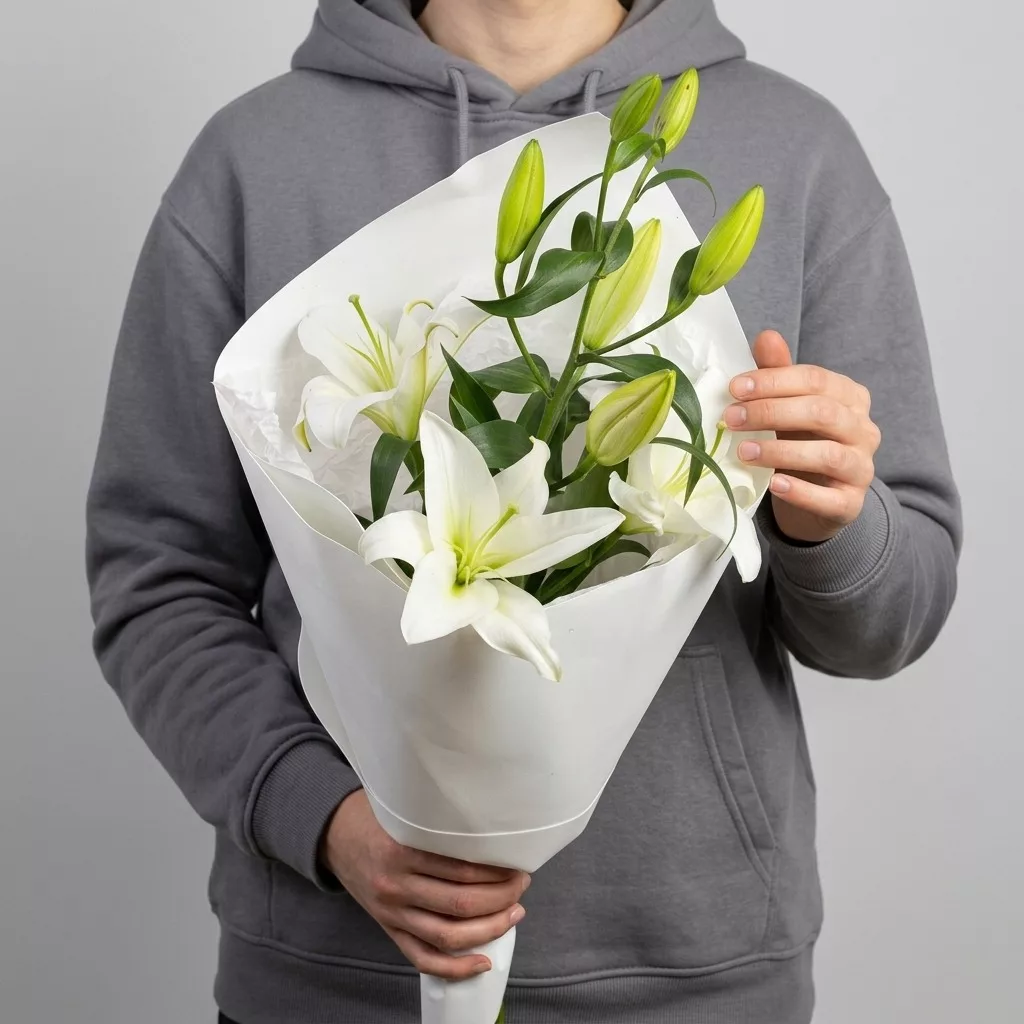
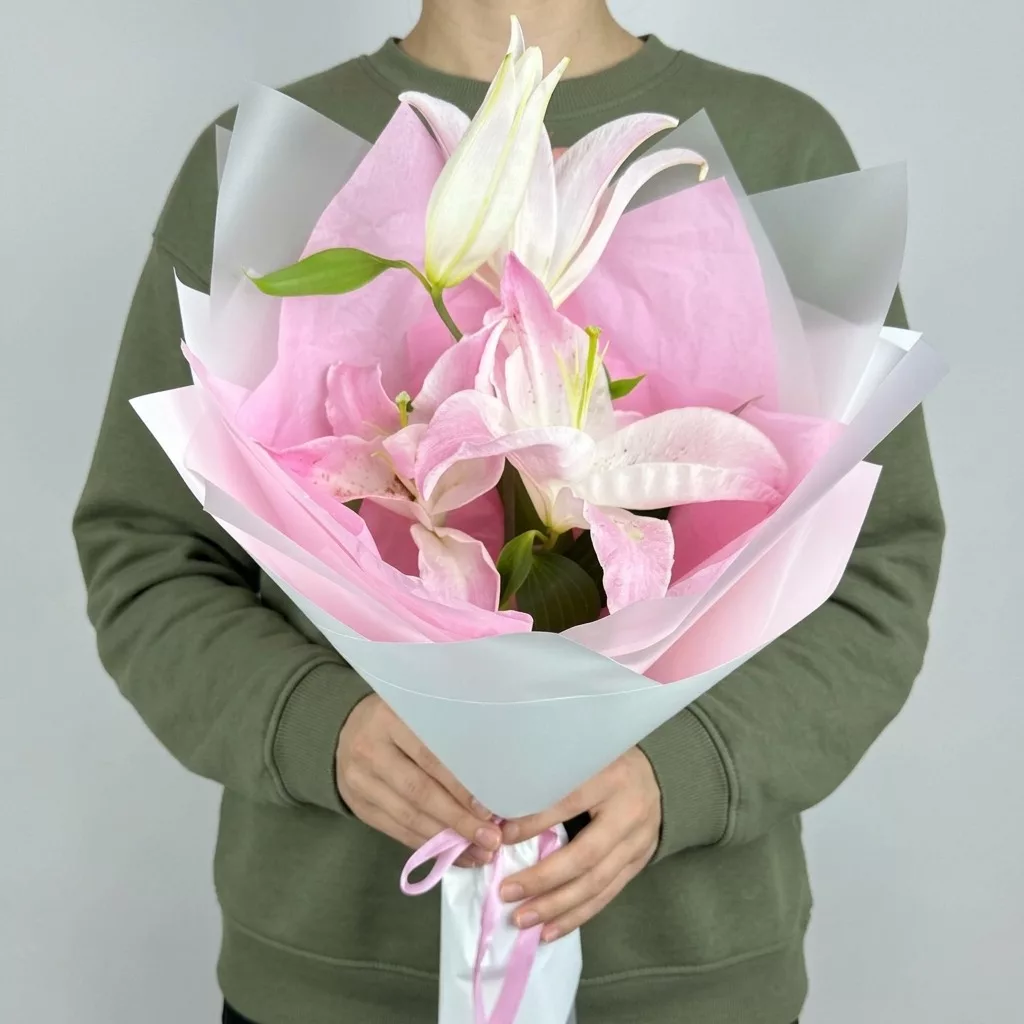
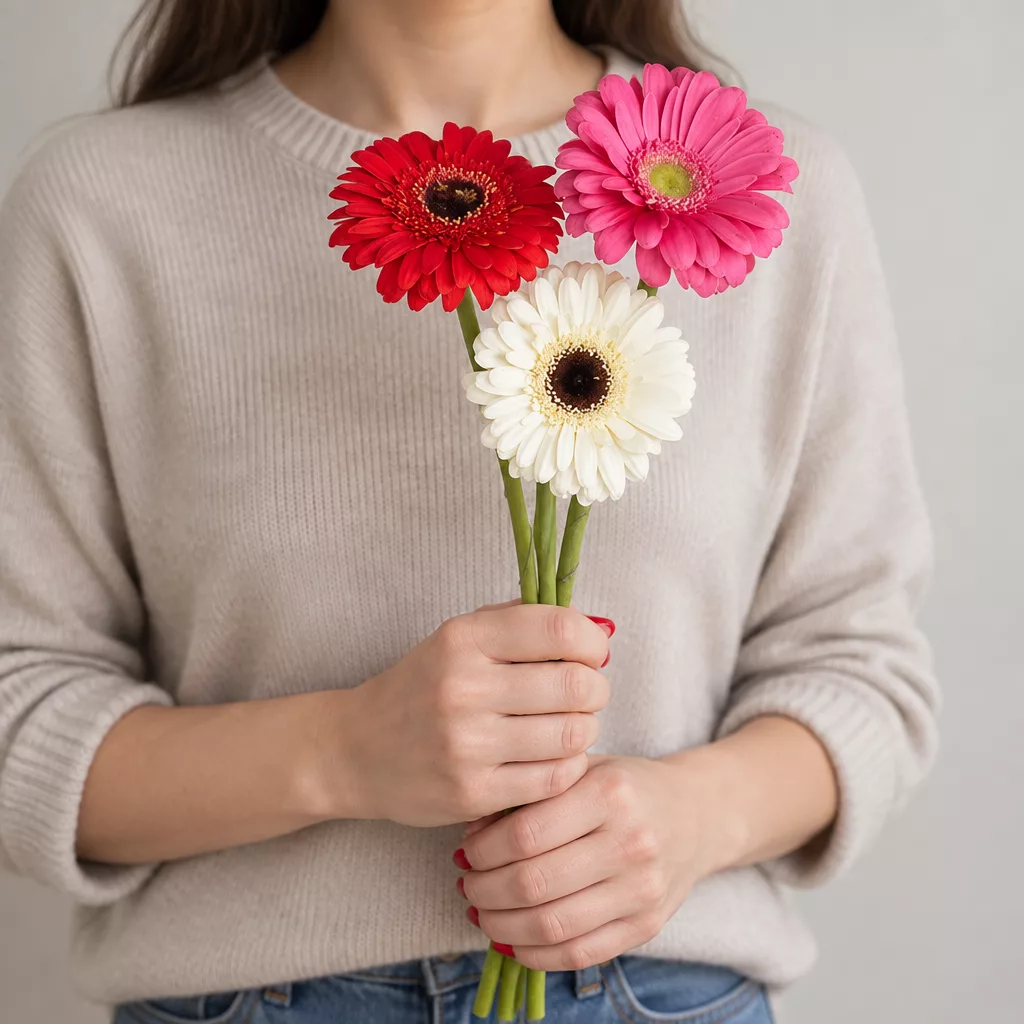
Bouquets we can deliver

Timing Your Order: When to Order and When to Expect Delivery
Our one-to-two-hour promise is genuine, but it works best when you understand the rhythm of a busy city. Orders placed between nine in the morning and seven in the evening on weekdays move the fastest because traffic on Yekaterinburg's main arteries — Lunacharskogo, Malysheva and the sections around Ploshchad 1905 Goda — is predictable during those hours. Rush-hour windows, roughly eight to nine in the morning and five to seven in the evening, can add twenty to thirty minutes, so if you need flowers at a precise moment for a birthday dinner starting at six, order by two in the afternoon to be comfortable.
Evening deliveries up to ten o'clock are available and popular for surprise gifts. Late-night orders, those placed after nine in the evening, are scheduled for the following morning unless you specifically request same-day delivery and confirm it with our team.
Weekends and public holidays in Russia follow their own logic. Russia has a generous holiday calendar, and dates like the eighth of March, International Women's Day, are among the busiest single days in the entire flower industry. On those dates, order volume can be three to four times normal. We strongly recommend placing your order the evening before any major holiday rather than the morning of. The flowers will be kept correctly overnight and delivered at your chosen time, fresh and composed. Trying to order at ten in the morning on the eighth of March and expecting delivery by eleven is the single most common mistake we see, and it is entirely avoidable with a little planning.
How Yekaterinburg's Climate Affects Your Flowers
Yekaterinburg has a continental climate with genuine extremes. Winters regularly drop to minus twenty degrees Celsius or colder, and summers can push above thirty. Both ends of that range create real challenges for fresh flowers, and handling them correctly is part of what separates a professional delivery from a disappointing one.
In winter, the danger is freeze damage. Roses, tulips and ranunculus are particularly vulnerable. Even a few minutes of exposure at minus fifteen will cause the outer petals to blacken and the stems to turn glassy. Our couriers use insulated packaging for every winter delivery — the bouquet is wrapped in kraft paper and then placed inside a thermal bag that maintains a temperature above five degrees Celsius for the duration of the journey. When the flowers arrive, the recipient should not unwrap them immediately in a cold hallway. Bringing the package into a warm room and letting it rest for ten minutes before opening allows the flowers to adjust gradually.
In summer, the challenge reverses. Heat above twenty-five degrees accelerates the opening of blooms. Peonies, which are beloved across Russia and widely available from May through June, can go from bud to fully open within hours in a warm car. We schedule summer deliveries to minimise time in transit and use cool boxes when the temperature exceeds twenty-eight degrees. If you are ordering in July or August, choosing flowers with a naturally longer vase life — lisianthus, chrysanthemum, alstroemeria — gives you more margin for error than, say, garden roses, which are beautiful but fast.
What the Bouquet Looks Like When It Arrives
A bouquet is not just flowers; it is a composed object, and how it arrives matters as much as what is in it. Every arrangement we send from Yekaterinburg is assembled by a florist, not picked from a shelf. That means the stems are cut at an angle under water, the foliage below the waterline is stripped, and the arrangement is conditioned for at least two hours before it goes out the door. This conditioning step is often skipped by less careful operations, but it is what allows flowers to drink properly and stay upright during transport.
The outer wrapping you will see is typically kraft paper or a fabric-feel wrap in neutral or seasonal tones, secured with a satin ribbon. We do not use cellophane as the primary wrap because it traps humidity and encourages bacterial growth on the stems. Inside the wrap, a small water-soaked pad or gel capsule keeps the stems hydrated during the journey.
When the recipient opens the bouquet, they should trim about two centimetres from each stem at a forty-five-degree angle, place the flowers in a clean vase with fresh cool water, and keep them away from direct sunlight and heating radiators. Russian apartments are often kept very warm in winter — sometimes twenty-four or twenty-five degrees — and that warmth shortens vase life significantly. A cooler spot, perhaps near a window that is not in direct sun, adds days to the display. We include a small care card with every delivery explaining these steps in plain language.
Seasonal Flowers Available in Yekaterinburg Throughout the Year
One of the pleasures of ordering flowers is choosing something that feels right for the season, and Yekaterinburg's calendar offers distinct chapters. From January through March, the reliable workhorses are Dutch roses in every colour from cream to deep burgundy, spray roses, alstroemeria, and imported tulips that arrive in large volumes ahead of the eighth of March. Tulips are inexpensive, cheerful and extremely popular for Women's Day, but they have a short vase life of five to seven days, so they are best ordered for immediate gifting rather than for a table centrepiece meant to last a week.
April and May bring the first locally grown spring flowers. Narcissus and hyacinths appear, filling rooms with scent. By late May, the first peonies arrive from southern Russian growing regions, and they remain available through June. Peonies are arguably the most beloved flower in Russia for late-spring celebrations, and a lush, fragrant peony bouquet requires almost no explanation when you hand it over.
Summer brings garden roses, eustoma (sold as lisianthus in most florists), sunflowers and dahlias. These are robust, colourful choices that suit outdoor events and warm apartments alike. Autumn shifts the palette toward deep oranges, rusts and burgundies — chrysanthemums in large decorative heads, hypericum berries, and the first freesias of the cooler season. Winter circles back to the reliable imported assortment, supplemented by amaryllis and paperwhite narcissus around the New Year period, which is the second major holiday spike of the Russian calendar after the eighth of March.
Russian Flower Customs Worth Knowing Before You Order
If you are not familiar with Russian gifting culture, a few customs are worth understanding so your order lands exactly as intended. The most widely known rule is the odd-number convention: bouquets given as gifts should contain an odd number of stems — one, three, five, seven, eleven, and so on. Even numbers are traditionally associated with solemn occasions, and while younger generations are increasingly relaxed about this, following the convention is always the safer choice, especially if you do not know the recipient's age or background well. When you order from us, all gift bouquets are composed with an odd stem count by default.
Colour carries meaning too, though the associations are softer than the number rule. Red roses remain the classic romantic statement and are understood as such across all age groups. Yellow flowers have historically been linked to separation in older Russian belief, though this is fading fast among people under forty. If you are uncertain, mixed bouquets in warm tones — coral, peach, soft orange — read as celebratory and are universally well received.
It is also common in Russia to bring flowers when visiting someone's home for the first time, or when attending a birthday celebration. Unlike in some Western countries where a gift might be handed over quietly, in Russia the flowers are typically presented at the door and admired together before anything else happens. This means the visual impact of the bouquet in its wrapping matters — the unwrapping is a small shared moment. A well-wrapped bouquet with a handwritten card tucked inside creates exactly the right impression.
Ordering flowers for delivery in Yekaterinburg is straightforward when you know the variables: plan ahead for major holidays, give a precise address with all entrance details, choose varieties suited to the season and temperature, and trust that a properly conditioned bouquet will arrive looking the way it left our hands. Yekaterinburg is a city that appreciates quality and directness in equal measure, and that is exactly the spirit in which we put every bouquet together.
Frequently asked questions
Can I order flowers for delivery in Yekaterinburg on the same day?
Yes, same-day delivery is our standard service for addresses within Yekaterinburg city limits. Place your order at least two hours before the desired delivery time on regular days. On major holidays such as the eighth of March, we recommend ordering the evening before to guarantee your preferred time slot, as demand rises sharply on those dates.
How do you protect flowers from Yekaterinburg's cold winters during delivery?
Every winter delivery is packed in insulated thermal bags that keep the internal temperature above five degrees Celsius throughout the journey. Stems are wrapped in moisture-retaining kraft paper before going into the bag. When the bouquet arrives, the recipient should bring it indoors and wait ten minutes before unwrapping, allowing the flowers to adjust to room temperature without shock.
Why do Russian bouquets always have an odd number of flowers?
The odd-number tradition is deeply rooted in Russian gifting culture. Even numbers are conventionally reserved for solemn occasions, so giving an odd-numbered bouquet signals celebration and goodwill. All our gift arrangements follow this convention automatically. If you have a specific stem count in mind, you can note it when ordering and we will accommodate it.
Which flowers last longest in a warm Yekaterinburg apartment in winter?
Russian apartments are heated to high temperatures in winter, which shortens vase life for many flowers. Alstroemeria, chrysanthemum and lisianthus are the most resilient choices, often lasting ten to fourteen days with proper care. Roses and tulips are beautiful but more sensitive to warmth. Placing any bouquet away from radiators and in indirect light adds several days to its display.
What information do I need to provide for a successful delivery in Yekaterinburg?
Provide the full street name, building number, apartment or office number, floor, and any door entry code. For large residential complexes, include the entrance number. A working phone number for the recipient is essential so the courier can call on arrival. If the recipient should be surprised, note that in the comments and we will coordinate the handover discreetly.
Ready to send flowers?
Pick the city, choose the bouquet, and a local florist takes it from there.
Choose a city →