Sending Flowers to Zelenograd? Here Is Everything You Need to Know
Zelenograd sits about 37 kilometres northwest of central Moscow, and for anyone trying to send flowers there, that distance raises a fair question: will the bouquet arrive fresh, on time and looking the way it did in the photo? The short answer is yes — if you know what to order and when. This article walks you through the delivery zones, the timing that actually works, the best flowers for each season and a few honest tips from the florists who put these arrangements together every day.
Getting Flowers to Zelenograd: The Areas We Cover
Zelenograd is administratively part of Moscow but sits apart from the city as a self-contained district with its own microdistricts, numbered residential blocks and a recognisable grid layout. Delivery covers the full district, from the older central blocks near the administration building to the newer residential developments on the eastern and western edges. Industrial zones on the outskirts are also reachable, which matters when someone wants to send a bouquet to a colleague at one of the many tech offices or research facilities there.
Addresses in Zelenograd follow a local numbering system that can confuse people unfamiliar with the area. Buildings are identified by a corpus number rather than a street name alone, so when placing an order it helps to include the full corpus reference — for example, korpus 1537 rather than just a street. Our couriers know the district well and navigate this system daily, but a complete address always means a faster handoff at the door.
Delivery works seven days a week, including public holidays, because flowers do not wait for a convenient weekday. The earliest slots open in the morning and the last orders that guarantee same-day arrival should be placed by early evening. If you are ordering from another city — say, from Saint Petersburg for a relative in Zelenograd — the process is identical: choose the bouquet, enter the Zelenograd address and select a delivery window that suits the recipient's schedule.
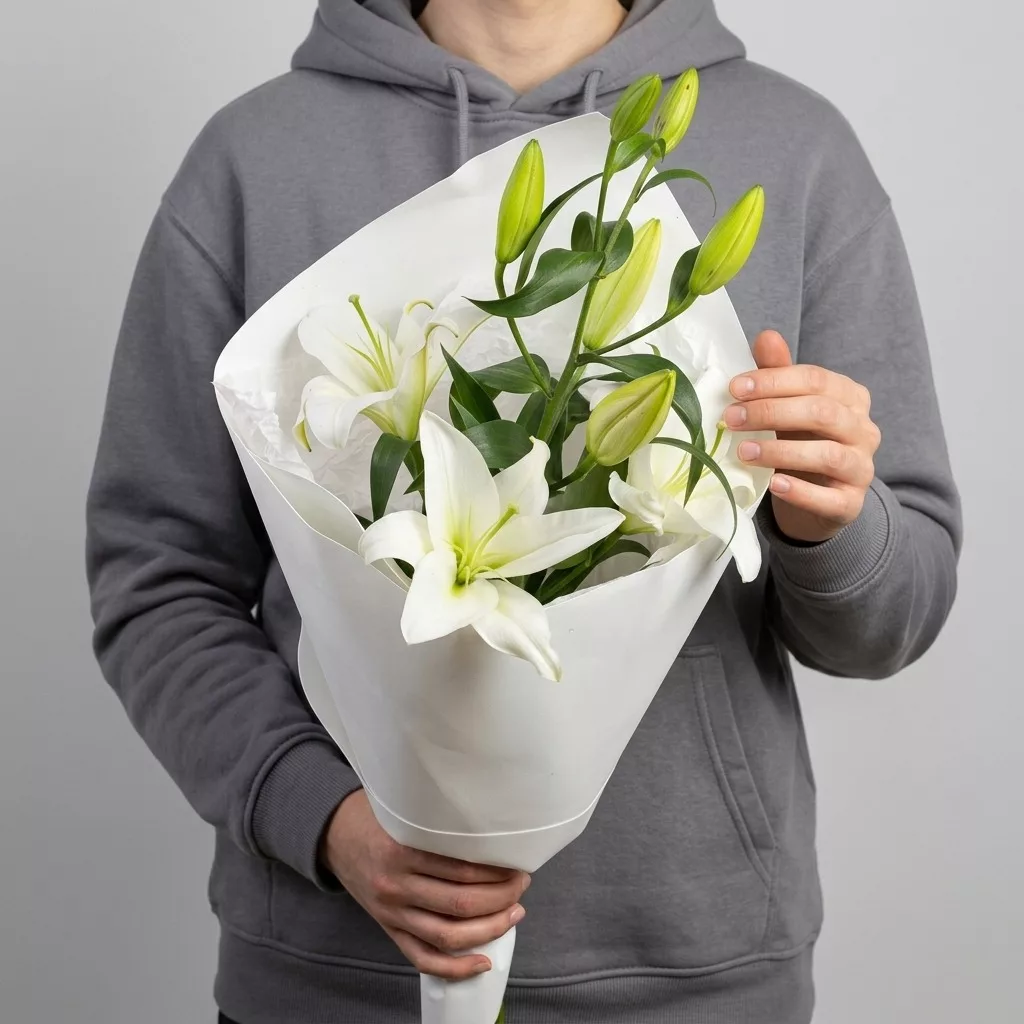
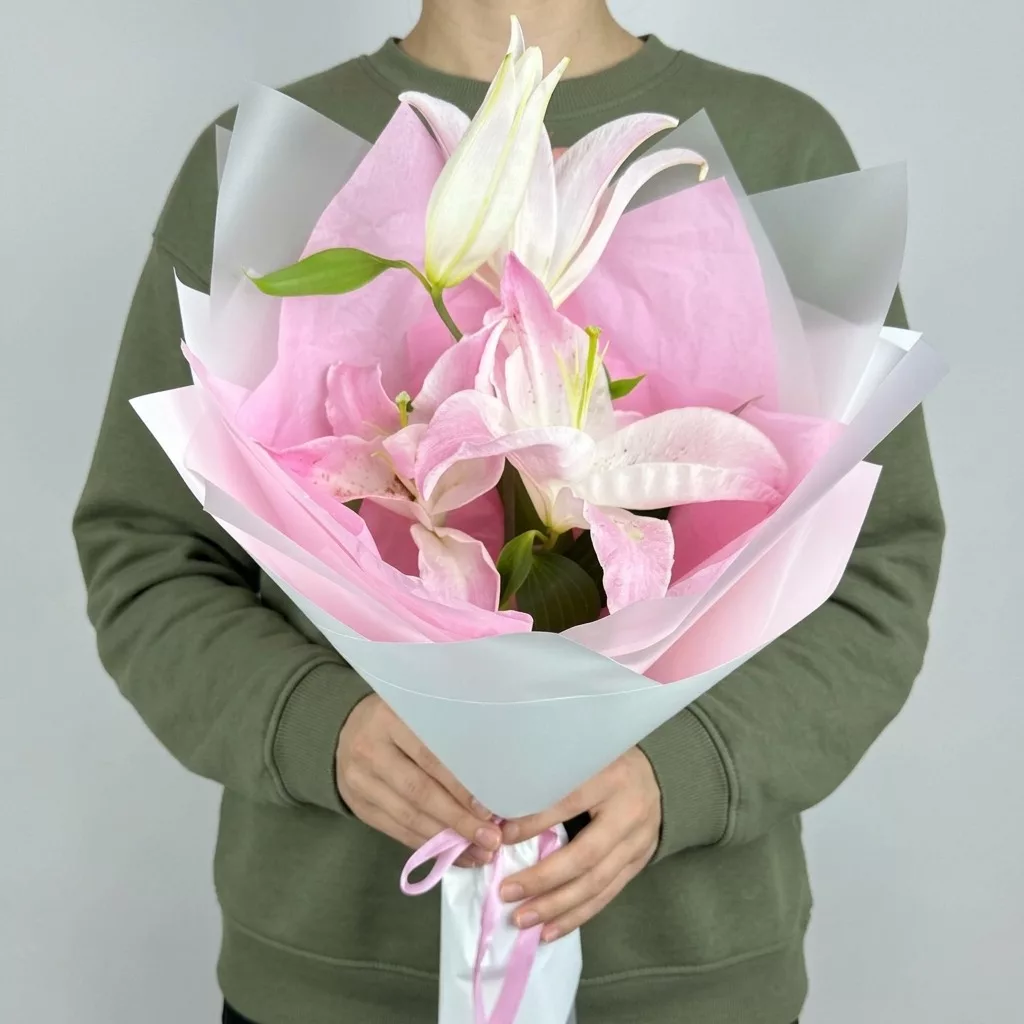
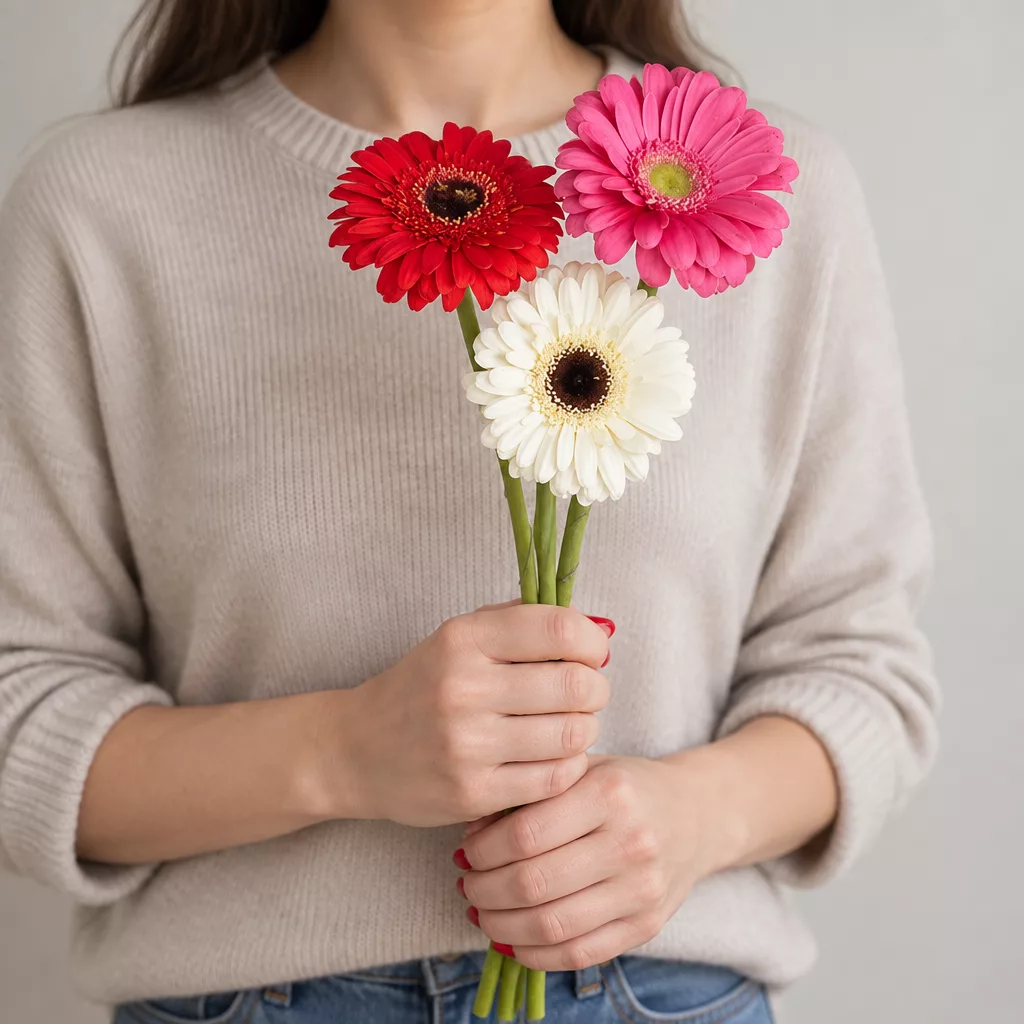
Bouquets we can deliver

Timing Your Order So the Flowers Arrive at the Right Moment
A bouquet landing at the right moment matters far more than most people realise. Roses delivered while someone is at work sit in a warm hallway for hours; tulips left outside a door in February freeze within twenty minutes. The one-to-two-hour delivery window is there precisely so you can time the arrival around the recipient's actual day rather than guessing.
For morning birthdays, placing the order the evening before and scheduling a morning slot is the most reliable approach. For anniversaries or romantic occasions, an early-evening arrival often works better — the person is home, the light is good and there is time to enjoy the flowers before dinner rather than rushing to find a vase at midnight. If you are not sure of the recipient's schedule, a midday window is the safest default for most working adults in Zelenograd.
Same-day delivery is available when the order is placed with enough lead time. The exact cut-off depends on the current order volume, but as a general rule, ordering before early afternoon gives the widest choice of time slots. Last-minute orders placed in the late evening can usually be fulfilled for the following morning, which is often better anyway — flowers cut and arranged overnight and delivered at 9 a.m. arrive in peak condition rather than at the end of a long courier day.
If the occasion is tied to a specific time — a surprise at a restaurant, a delivery during a work meeting — note that in the order comments. Couriers can hold at the entrance or coordinate with a colleague who will receive the bouquet on the recipient's behalf.
Choosing the Right Flowers for the Person and the Moment
The best starting point is not the flower itself but the person receiving it. A close friend who loves bold colour and drama will respond to a mixed bouquet of deep-red peonies and burgundy dahlias in summer, or orange ranunculus and rust-coloured chrysanthemums in autumn. Someone with a quieter aesthetic, perhaps a colleague or a new acquaintance, often appreciates a monochrome arrangement — all-white roses with eucalyptus, or blush spray roses with white lisianthus — that feels elegant without being overwhelming.
For romantic occasions, red roses remain the clearest signal in Russian culture, and that is not a cliché to avoid but a tradition with genuine emotional weight. A dozen long-stemmed red roses carries a message that most recipients understand instantly. If you want something slightly less formal but still romantic, garden roses in soft pink or cream mixed with white freesia — which carries a subtle, sweet fragrance — make a warmer, more personal impression.
For celebrations like birthdays or promotions, colour and volume matter. Sunflowers in summer, gerberas year-round and bright mixed bouquets with alstroemeria and solidago read as joyful and energetic. Alstroemeria in particular is worth knowing: it lasts ten to fourteen days in a vase, which means the recipient enjoys the flowers long after the occasion has passed.
When the relationship is professional or the occasion is unclear, a simple but generous arrangement of white or pale-coloured flowers — white tulips in spring, white chrysanthemums in winter — is always appropriate and never misread.
How Zelenograd's Climate Affects Your Bouquet
Zelenograd sits in a continental climate zone with cold winters that regularly drop below minus fifteen degrees Celsius and warm summers that can reach thirty degrees or above. Both extremes affect cut flowers significantly, and knowing this helps you order the right varieties at the right time of year.
In winter, the main risk is cold shock during transport. Roses, orchids and tropical varieties like anthuriums are particularly sensitive — a few minutes of exposure to freezing air can cause petal blackening and accelerated wilting within hours of arrival. Couriers use insulated packaging and move quickly between vehicle and door, but the recipient should unwrap the bouquet indoors immediately and not leave it near a cold draught or a radiator. Both extremes are damaging: a radiator dries the air and shortens vase life just as reliably as frost does.
In summer, heat is the challenge. Above twenty-five degrees, cut flowers consume water faster than their stems can absorb it, which is why summer bouquets should be placed in fresh, cool water within fifteen minutes of arrival. Varieties that handle summer heat better than others include chrysanthemums, alstroemeria and statice. Delicate flowers like sweet peas or garden roses in full bloom are more vulnerable and benefit from being kept away from direct sunlight and away from fruit bowls — ripening fruit releases ethylene gas, which accelerates petal drop.
Spring and early autumn are the kindest seasons for delivery and vase life. Tulips in April, peonies in late May and early June, and dahlias in August and September arrive in conditions close to ideal and last longest with minimal care.
Budget and What Different Price Points Actually Get You
Thinking about budget in terms of what the recipient will actually see and feel is more useful than comparing stem counts. A small, carefully composed bouquet of three garden roses with eucalyptus and a single spray of white waxflower can feel more considered and personal than a large bunch of mixed filler flowers. The difference is in the quality of the central flowers and the intention behind the combination.
At a modest budget, the most reliable choices are spray roses, alstroemeria and chrysanthemums. These are not lesser flowers — spray roses in particular have become genuinely popular in their own right because of their clustered, abundant look. A compact bouquet built around spray roses in two tones, with some greenery to give it structure, photographs beautifully and lasts well.
Moving up in budget, you gain access to larger-headed roses, peonies when in season, lisianthus and mixed seasonal arrangements that combine several premium varieties. A bouquet at this level typically has more visual presence — it fills a room and makes an immediate impression on arrival. This is the range most people choose for significant birthdays, anniversaries and romantic occasions.
At the higher end, you are choosing statement arrangements: long-stemmed roses in large quantities, orchid sprays, or bespoke seasonal compositions with dahlias, ranunculus and textured greenery like ruscus or pittosporum. These are the bouquets that get photographed and remembered. They also require slightly more care from the recipient, so including a short care note with the order is worth doing at this level.
What Happens Between the Florist's Hands and the Recipient's Door
Most people picture flower delivery as simple — a courier picks up a bunch and drives it across town. The reality involves several steps that determine whether the bouquet arrives in perfect condition or slightly tired, and understanding them helps you set expectations and give the right instructions.
After an order is placed, the florist assembles the arrangement fresh. Stems are cut at an angle under water, which maximises the surface area for absorption and prevents air bubbles from blocking the stem. The bouquet is conditioned briefly in cool water before being wrapped. Wrapping serves two purposes: it protects the petals during transit and creates a visual presentation that feels like a gift the moment the recipient holds it.
For winter deliveries, the outer packaging includes insulating material to buffer against temperature change during the walk from vehicle to building entrance. In summer, bouquets are kept away from direct sun inside the vehicle. These are not dramatic measures — they are standard practice — but they make a real difference to petal condition on arrival.
At the door, the courier hands the bouquet directly to the recipient or, if agreed in advance, to a designated person. If nobody is home and no alternative has been arranged, the courier will contact the sender or the recipient by phone before leaving. Flowers are never left unattended outside a door in winter — the cold would damage them within minutes. If you know the recipient may not be home, adding a contact number and a note about an alternative recipient in the order comments prevents any complications and keeps the surprise intact.
Making the Bouquet Last: Care Advice Worth Passing On
The moment a bouquet changes hands is also the moment its vase life either extends or shortens depending on what happens next. Passing on a few simple instructions — either verbally or as a printed note with the order — can add three to five days to the life of almost any arrangement.
The first step is always water. Stems should go into a clean vase with fresh, cool water within fifteen minutes of arrival. Warm or stagnant water accelerates bacterial growth, which blocks the stem and cuts off the flower's water supply. A small amount of the flower food sachet that comes with the bouquet dissolved in the water makes a noticeable difference, particularly for roses and lisianthus.
Strip any leaves that fall below the waterline. Submerged leaves rot quickly and cloud the water, which shortens vase life and looks unpleasant. Recut the stems every two to three days, again at an angle, and change the water at the same time. This takes about three minutes and is the single most effective thing a recipient can do to extend the bouquet's life.
Placement matters too. A cool room away from direct sunlight, radiators and fruit is ideal. Roses and tulips are particularly sensitive to heat — a vase on a sunny windowsill in summer will lose two or three days of vase life compared to a shaded spot on a table. Tulips also continue to grow after cutting and will lean toward the light, which is charming but worth knowing if the recipient wants the arrangement to hold its shape.
With proper care, roses last seven to ten days, alstroemeria ten to fourteen, and chrysanthemums up to three weeks — making them an underrated choice when longevity matters.
Sending flowers to Zelenograd is straightforward when you have a clear picture of the district, the timing and the varieties that suit the season and the person. The distance from central Moscow does not diminish the quality of the arrangement or the reliability of the delivery — it simply means planning with a little more intention, choosing varieties that travel well in the current weather and giving the recipient the basic care information that will keep the bouquet looking its best for as long as possible. Whether the occasion is a birthday, an anniversary, a welcome gesture for a new colleague or a spontaneous reminder that someone is thinking of you, fresh flowers delivered at the right moment carry a warmth that no other gift quite matches.
Frequently asked questions
Can I order flowers for delivery in Zelenograd from another city?
Yes, completely. Many orders for Zelenograd come from customers in Saint Petersburg, Moscow and other cities who want to send flowers to a friend or relative there. You place the order online, enter the Zelenograd address and choose a delivery window. The process is identical to ordering locally, and payment works the same way regardless of where you are.
What is the safest flower to send in Zelenograd in January or February?
Chrysanthemums and alstroemeria handle cold transport better than most flowers because their petals are thicker and less sensitive to brief temperature drops. Roses can be sent in winter too, but they need proper insulated wrapping and should be unwrapped indoors immediately. Avoid tropical varieties like anthuriums in deep winter unless the delivery route is very short and the packaging is well insulated.
How do I make sure the bouquet arrives as a surprise if the recipient is at home?
Add a note in the order comments asking the courier to call you rather than the recipient when they arrive at the building. The courier can then coordinate with you to arrange entry without spoiling the surprise. Alternatively, if a neighbour or family member can receive the bouquet, include their name and number so the handoff goes smoothly without involving the recipient directly.
Do addresses in Zelenograd work differently from regular Moscow addresses?
Yes, Zelenograd uses a corpus numbering system rather than standard street names for most residential buildings. When entering the delivery address, include the full corpus number — for example, korpus 1412 or k. 836 — along with the flat number. Our couriers know the district layout well, but a complete address with the corpus reference ensures the fastest and most accurate delivery without any back-and-forth.
Is it possible to schedule a delivery for a specific hour rather than a time window?
A precise single-hour slot is not always possible given traffic and order volume, but you can choose a narrow delivery window and add a note with the ideal arrival time. If the occasion is tied to a specific event — a surprise at a particular time, a delivery before a guest arrives — mention this clearly in the comments and our team will do their best to prioritise accordingly and keep you updated.
Ready to send flowers?
Pick the city, choose the bouquet, and a local florist takes it from there.
Choose a city →