Sending Flowers to Zherdevka? Here Is What to Expect
Zherdevka sits in the Tambov region, a quiet town where a bouquet arriving at the door still feels like a genuine event. Whether you are marking a birthday from across the country or surprising someone who moved there recently, getting flowers delivered well — fresh, on time, wrapped properly for the journey — takes a little planning. This guide walks you through exactly what that looks like.
Why Distance Does Not Mean a Lesser Bouquet
One of the first worries people have when ordering long-distance is that the flowers will arrive limp, half-open or crushed. That concern is fair, but it is also solvable. The key is in how the bouquet is prepared before it ever leaves the workroom. Stems are cut at an angle and placed in water-retaining packaging — a damp floral sponge or water tubes for individual stems — so the flowers continue drinking during transit rather than drying out. Roses, chrysanthemums, alstroemeria and carnations are all excellent travellers. They handle a few hours in a cool, dark box without losing their posture or colour. Delicate varieties like sweet peas or open garden peonies are trickier in warm weather, so a florist who knows the route will steer you toward sturdier choices when the temperature outside is above twenty degrees Celsius. Presentation matters just as much as survival. A bouquet that arrives beautifully wrapped — kraft paper, a ribbon, a handwritten card tucked inside — lands differently than one that looks like it was packed in a hurry. The moment of unwrapping is part of the gift, and that moment happens in Zherdevka, not in the shop. Every decision made at the workroom table is made with that unwrapping in mind. Long-distance delivery done properly is not a compromise. It is simply a different kind of care applied to the same craft.
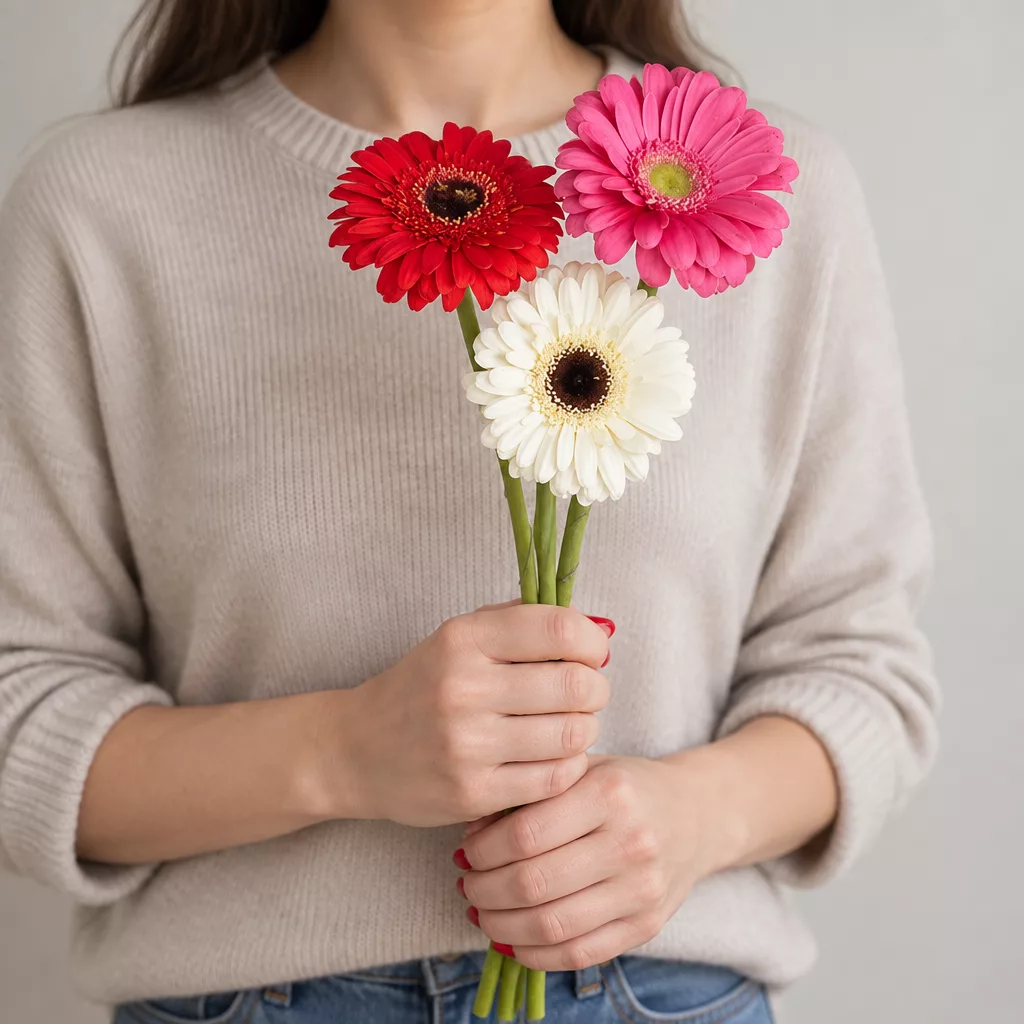
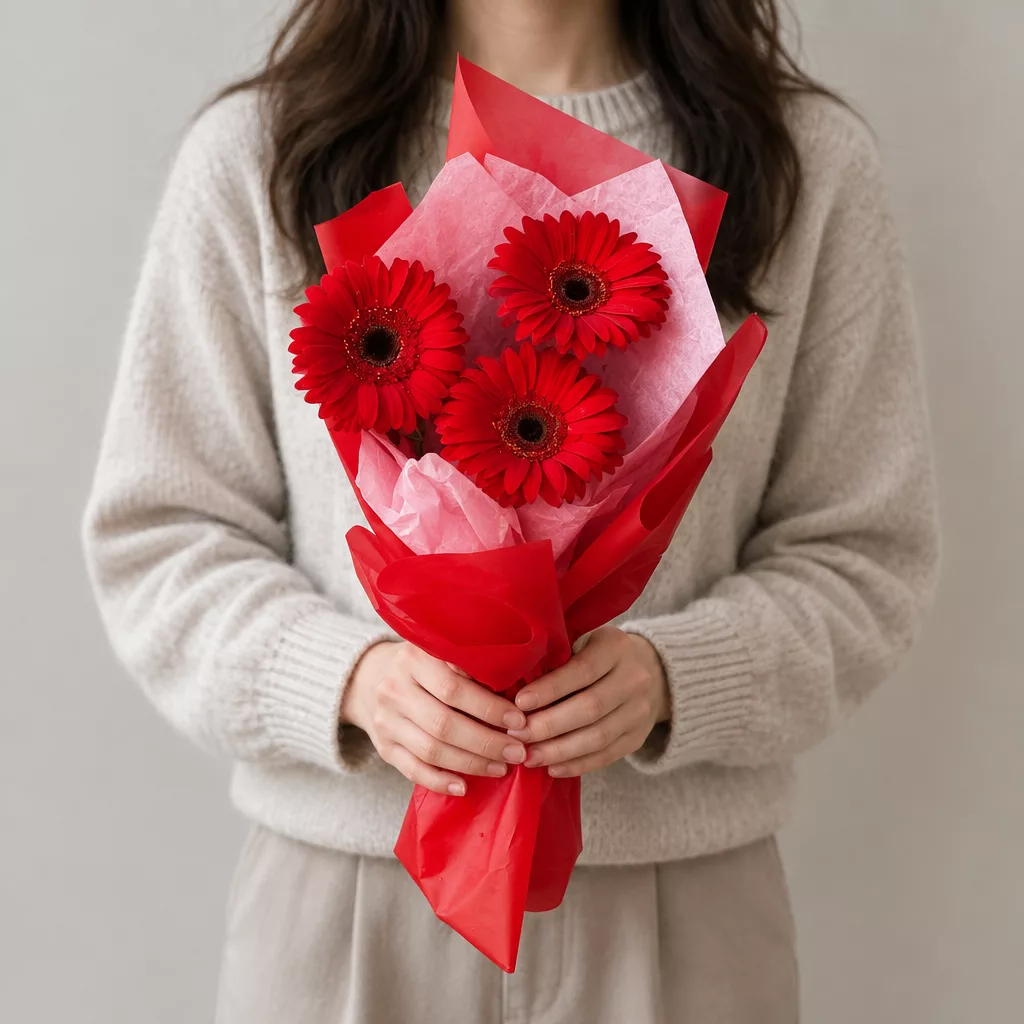
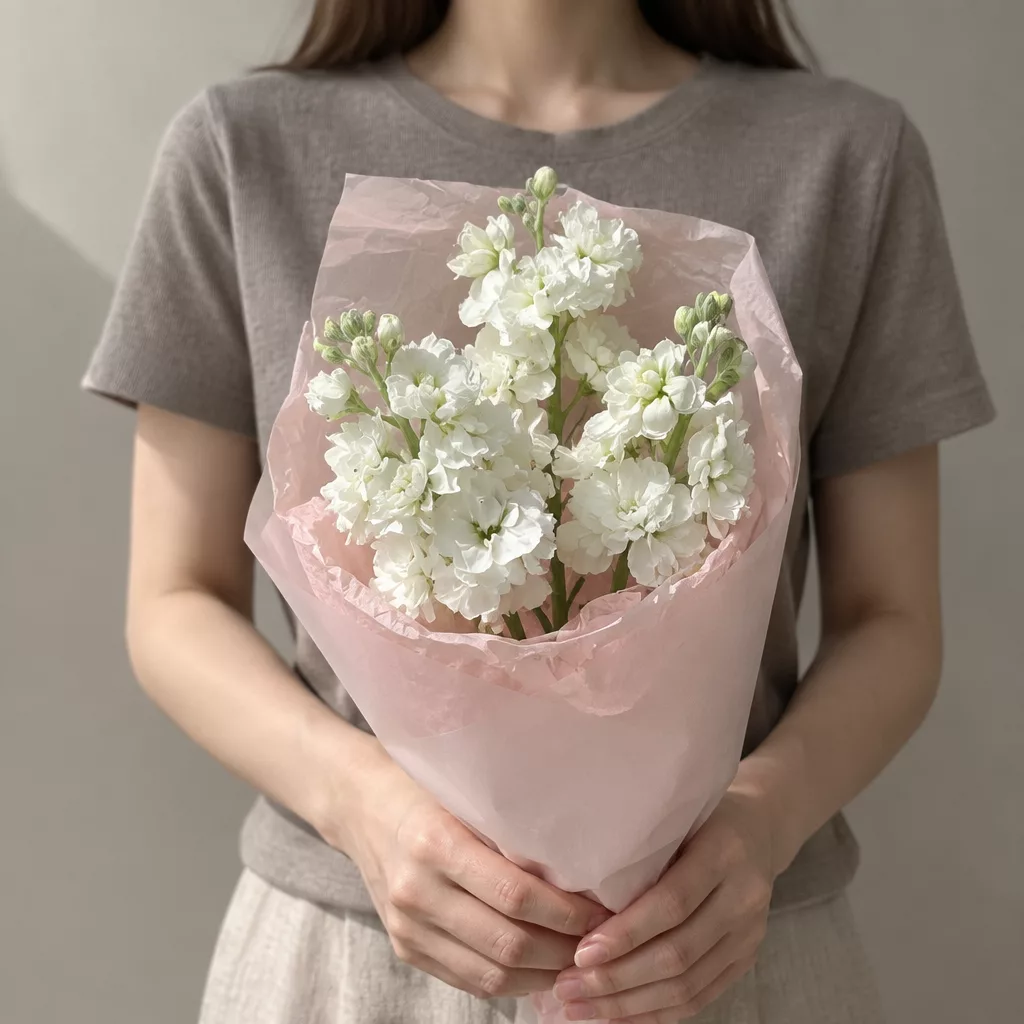
Bouquets we can deliver

Timing Your Order for Zherdevka: What the Journey Looks Like
Zherdevka is located roughly 500 kilometres southeast of Moscow, in the southern part of the Tambov region. Delivery from Saint Petersburg reaches most addresses in the Tambov region within one to two days depending on the logistics window you choose. For same-day delivery within Saint Petersburg, the one-to-two-hour window applies directly. For Zherdevka, the realistic timeframe involves overnight or next-day courier transit, which is why order timing is the single most important factor in getting the flowers there fresh. The best approach is to place your order at least twenty-four hours before the occasion. This gives enough time to prepare the bouquet at peak freshness, pack it correctly for the road and dispatch it in the morning when courier temperatures are coolest. Morning dispatches are consistently better for cut flowers than afternoon ones, especially from May through September when daytime heat can stress stems even inside a sealed box. If the occasion is a birthday and you know the date in advance, ordering two days ahead is even better. You can specify a delivery window — morning, midday or afternoon — so the recipient is not caught off guard. In Russia it is common to call ahead and tell someone a gift is coming, rather than making it a complete surprise. This is practical rather than unromantic: it means someone is home to receive it, and the flowers go straight into water rather than sitting on a doorstep. Plan the timing, and the distance takes care of itself.
Choosing the Right Flowers for the Person, Not Just the Occasion
A birthday bouquet for a woman in her sixties looks different from one for a colleague turning thirty, even if both occasions carry the same name. Start with the person. What colours does she wear? Does her home lean toward the classic or the contemporary? Is she someone who tends a garden herself, or someone who rarely keeps plants? These details shape a better bouquet than any generic occasion category. For someone who loves warmth and abundance, a mixed arrangement of spray roses, lisianthus and eucalyptus in peach and cream tones reads as generous and considered. For someone with a cleaner, more modern sensibility, a single-variety bouquet of white or blush tulips in a tall bunch makes a stronger statement. Tulips are also practical for delivery: they travel well and open gradually over several days, which means the recipient gets to watch the bouquet evolve. In Russia, the number of flowers in a bouquet carries meaning. An odd number is given to the living — so bouquets of five, seven, eleven or fifteen stems are standard for celebrations. Even numbers are reserved for different, more solemn occasions. If you are ordering for a Russian recipient and you are not from Russia yourself, this is the one custom worth remembering. A florist preparing your order will follow this automatically, but if you are building a custom request, keep the count odd. Getting this right is a small thing that signals real thoughtfulness to the person receiving it.
Budget and What It Buys You at Each Level
Flower budgets are not about spending more to show you care more. They are about knowing what is realistic at each level so you can make a confident choice. At a modest budget, you are working with single-variety bouquets: ten to fifteen carnations, a bunch of alstroemeria or a clean tulip arrangement. These are not lesser gifts. Carnations in particular have had an unfair reputation in recent decades, but a well-assembled bunch of fresh, tightly budded carnations in a single colour is elegant and lasts well over a week. At a mid-range budget, combinations open up. A florist can pair spray roses with waxflower and a few stems of seasonal greenery — eucalyptus, ruscus or pittosporum — to create something that looks full and considered without relying on a single expensive focal flower. This range also allows for upgraded packaging: a box arrangement, a hatbox or a linen-wrapped bundle rather than standard paper. At a higher budget, you can work with premium focal flowers like garden roses, peonies in season or large-headed hydrangeas, combined with supporting textures and a more elaborate presentation. These arrangements photograph well and make a strong impression at the door. Whatever the budget, the most important thing is that the flowers are cut fresh that day. A modest bouquet of fresh flowers always outperforms an elaborate one that sat in a cooler for three days. Freshness is the investment that matters most.
Seasonal Sense: What Grows Well and When
Ordering flowers without thinking about the season is one of the most common mistakes people make, and it is easy to avoid. Certain flowers are genuinely at their best in certain months, and a florist who works with the season rather than against it will always produce a better result. From March through May, tulips, ranunculus and hyacinths are the flowers that arrive most vibrantly. They are grown close by, cut recently and priced fairly because supply is high. A spring bouquet of purple and white ranunculus with a few stems of muscari is something a recipient in Zherdevka will not easily forget. Summer — June through August — is the season for lisianthus, sunflowers, dahlias and, in the right weeks, peonies. Peonies have a short window, roughly late May to mid-June, and they travel well only when ordered as tight buds. A fully open peony does not survive a long journey. Order them budded and they will open beautifully over two to three days in the recipient's home. Autumn brings chrysanthemums, which are underrated as a delivery flower. They are robust, long-lasting and available in a wide range of forms — from the tight button variety to large spider mums with dramatic petals. In winter, roses from greenhouse cultivation are the reliable backbone of most arrangements. Dutch roses imported through Moscow are consistently fresh in December through February. Seasonal awareness is not about restriction. It is about getting the best version of what is available right now.
Care Instructions Worth Passing Along to the Recipient
A bouquet is only as good as the care it receives after delivery. Many people in Russia — and elsewhere — keep flowers in a vase of plain tap water and wonder why they fade by day three. A few simple habits extend vase life significantly, and it is worth including a care card with the delivery or mentioning these points when you place the order. The first step is always a fresh cut. Before placing stems in water, cut one to two centimetres off each stem at a forty-five-degree angle using a sharp knife or scissors. This reopens the water channel that closes during transit. Do this under running water if possible, which prevents an air bubble from entering the stem. Water temperature matters. Most cut flowers prefer cool or room-temperature water, not warm. Change the water every two days and rinse the vase each time. Remove any leaves that sit below the waterline — they rot quickly and cloud the water, which shortens stem life. Keep the bouquet away from direct sunlight, radiators and fruit bowls. Ripening fruit releases ethylene gas, which accelerates flower ageing. This is especially relevant in small Russian apartments where a fruit bowl on the kitchen table is standard. A cool room — ideally between fifteen and eighteen degrees Celsius overnight — is the best environment for most cut flowers. Roses and tulips in particular respond well to cooler night temperatures by staying tighter and lasting longer. Passing along these instructions is a genuine act of care. It turns a one-day gift into something that lasts a week or more.
Making the Order Feel Personal From Far Away
One of the quieter arts of long-distance gifting is making something feel personal when you cannot hand it over yourself. A bouquet arriving in Zherdevka from someone in another city carries its own kind of weight — it says that distance was not a reason to do nothing. But there are ways to deepen that feeling beyond the flowers themselves. A handwritten message is the most powerful addition to any delivery. Even three sentences — something specific about the person, the occasion, what you wish for them — transforms a beautiful object into a meaningful one. Generic messages like 'Happy Birthday, best wishes' land flat. A line that only you could have written lands entirely differently. If you know the recipient's favourite colour, mention it when you order. If they have a flower they associate with a memory — a grandmother's garden, a city they lived in, a wedding — that is worth sharing with the florist. These details shape a bouquet that feels like it was made for one person, not assembled from a standard template. Timing the delivery to coincide with a specific moment also adds resonance. Arriving just as someone wakes up on their birthday morning, or at the end of a long work week, is a choice that shows you thought about their day, not just the date. In Russia, morning deliveries are considered especially warm — they set the tone for the whole day rather than arriving as an afterthought. The logistics of ordering from far away are simpler than most people expect. The personal layer on top of those logistics is what makes the difference.
Flower delivery to Zherdevka is not complicated once you understand the rhythm of it: plan ahead by at least a day, choose varieties that travel well for the season, and put as much thought into the message as the bouquet. The flowers do the work of arriving. Everything else — the timing, the personal note, the right colour for the right person — is what makes them land the way you intended. Turboflora handles the craft and the logistics. You bring the reason.
Frequently asked questions
How far in advance should I order flowers for delivery to Zherdevka?
At least twenty-four hours before the occasion is the reliable minimum, and forty-eight hours is better if the date allows it. This gives time to prepare the bouquet fresh, pack it properly for the journey and dispatch it in the morning when transit temperatures are most favourable for cut flowers.
Which flowers travel best for long-distance delivery in warm weather?
Carnations, alstroemeria, spray roses and chrysanthemums are the most reliable choices above twenty degrees Celsius. They hold their shape and colour during transit. Delicate open blooms like fully open peonies or sweet peas are better suited to cooler months or shorter local journeys.
Is it true that flowers in Russia should always come in odd numbers?
Yes, this is a genuine and widely observed custom. Odd numbers — five, seven, eleven, fifteen — are given for celebrations and joyful occasions. Even numbers carry a different association in Russian tradition. If you are ordering for a Russian recipient, the florist will follow this automatically, but it is good to know.
Can I request a specific delivery time window in Zherdevka?
Yes, you can specify morning, midday or afternoon when you place your order. Morning delivery is particularly appreciated in Russia for birthday occasions — it sets a celebratory tone for the whole day. Giving the recipient advance notice that a delivery is coming also helps ensure someone is home to receive it.
How long will the bouquet last after it arrives?
With proper care — a fresh stem cut on arrival, clean cool water changed every two days, and placement away from heat and fruit — most bouquets last five to eight days. Carnations and chrysanthemums often go beyond ten days. Including a simple care card with the delivery makes a real difference to vase life.
Ready to send flowers?
Pick the city, choose the bouquet, and a local florist takes it from there.
Choose a city →