Flower Delivery in Zhigulevsk: Timing, Choices and What to Expect
Zhigulevsk sits on the Volga bank beneath the Zhiguli hills, and sending flowers there feels like a small gesture with a big arrival. Whether you are marking a birthday for someone who lives near the reservoir or surprising a colleague on a work anniversary, the bouquet needs to travel well, arrive fresh and feel like it was chosen with care. This article walks you through exactly what that journey looks like from order to doorstep.
Which Parts of Zhigulevsk We Reach and How the Address Works
Zhigulevsk is a compact city, but its layout along the Volga means some districts are easier to reach than others at certain times of day. The central streets around Morkvashinsky and Privolzhsky districts are the most straightforward for delivery, while addresses closer to the industrial zone near the Zhigulevsk brewery area may require a slightly longer window. When you place your order, give the full street name, building number and apartment or office number. Russian addresses also often include a corpus or stroenie number, which is a secondary building identifier on the same plot. If your recipient lives in a newer residential block, check whether there is a separate entrance code or intercom number and add it to the delivery notes. This single detail prevents more failed deliveries than any other. If you are sending to a workplace, include the company name and the floor. A bouquet arriving at a reception desk with a clear name on it gets to the right person in minutes rather than sitting on a counter. For addresses outside the main urban area, such as dachas or garden plots on the outskirts toward Morozovka, please confirm the full route or landmark when ordering, as navigation apps sometimes lag behind real road conditions in those areas.
Bouquets we can deliver

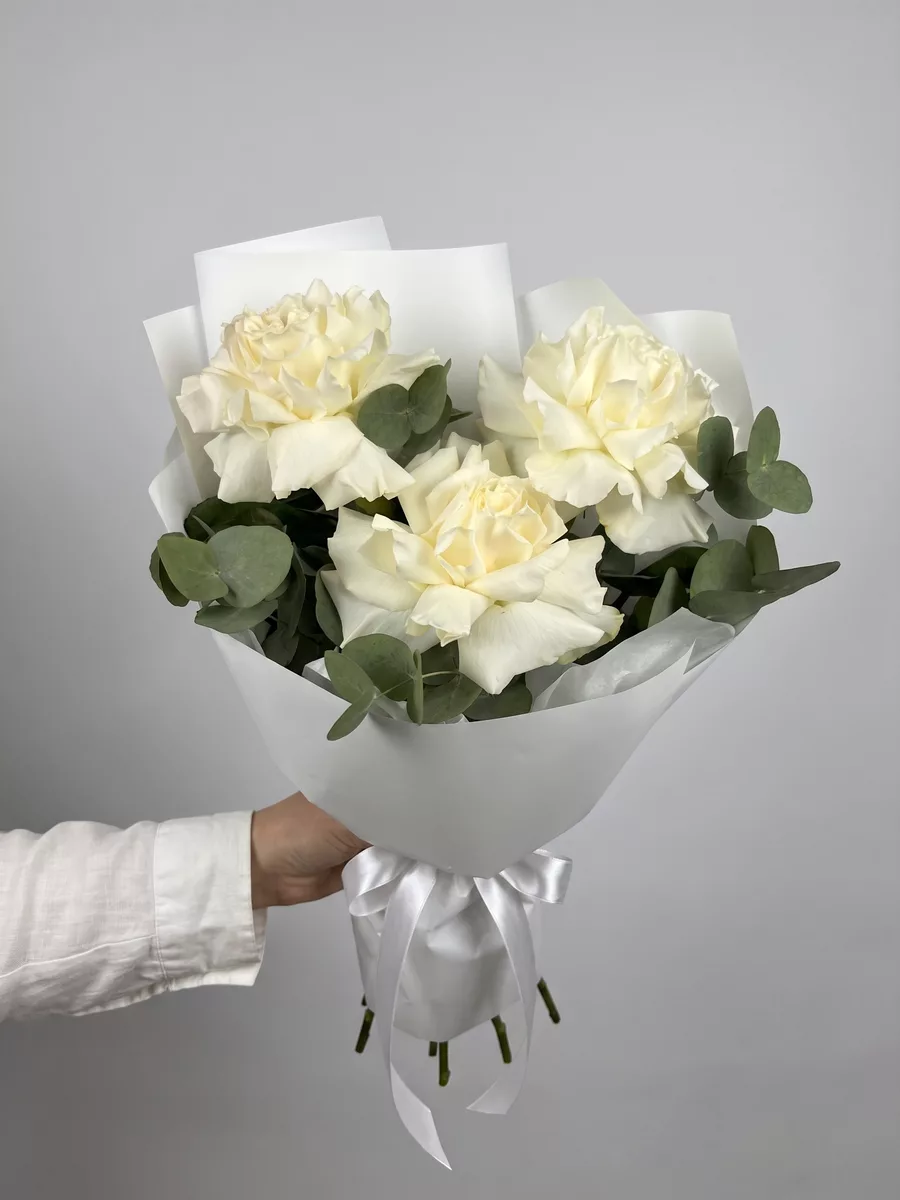
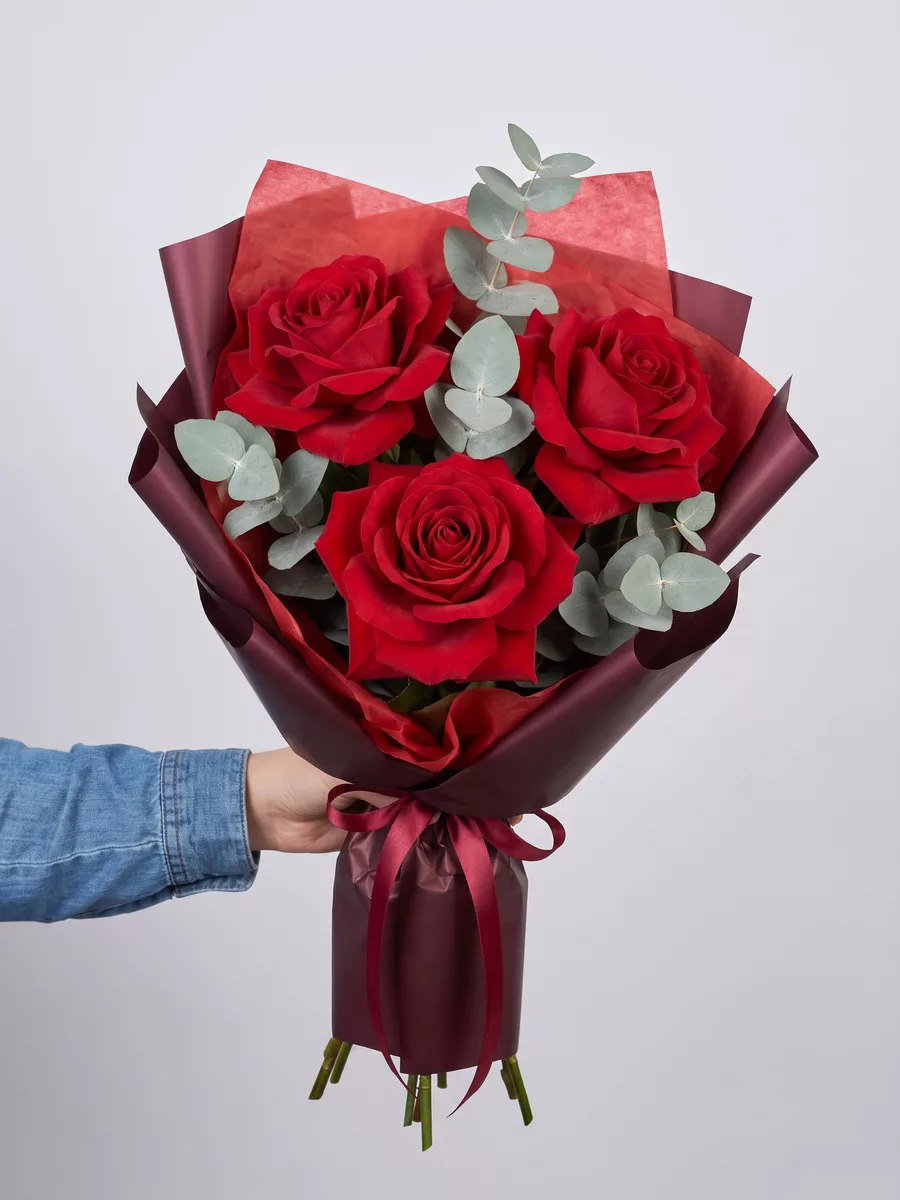
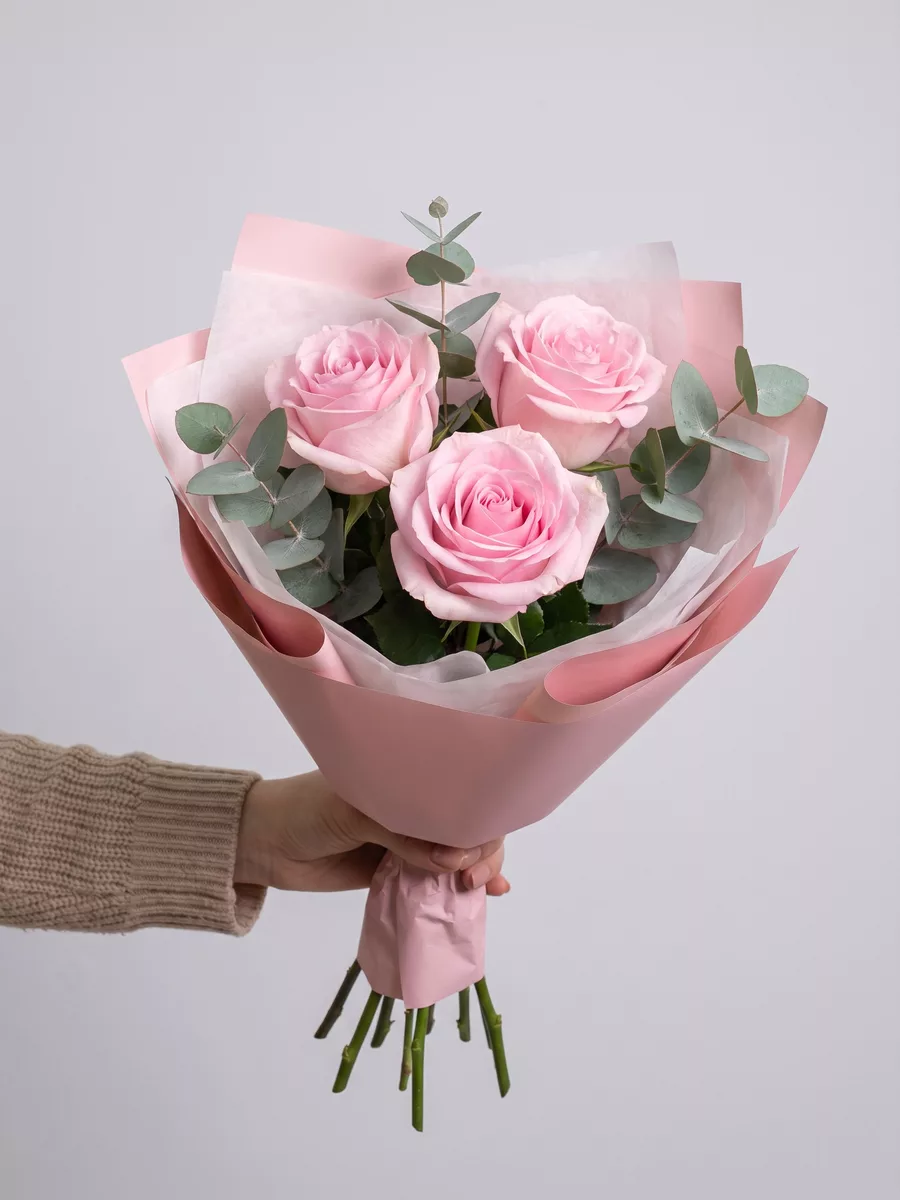
Timing Your Order: What One to Two Hours Actually Means
The one-to-two-hour delivery window is a working promise, not a marketing phrase. It means that from the moment your order is confirmed and the bouquet is assembled, the courier is on the way. In Zhigulevsk that window holds reliably during standard daytime hours, roughly between nine in the morning and eight in the evening. Peak times around major Russian holidays such as International Women's Day on the eighth of March or Valentine's Day on the fourteenth of February shift that window, and orders placed in the morning on those days are completed before early afternoon if you book ahead the evening before. Same-day delivery is available for most of the city. If you need the bouquet at a specific time, say for a surprise at the moment someone walks through the door, place the order at least two hours before that moment and note the preferred arrival time in your order. Evening deliveries up to nine or ten at night are possible on request. The Volga weather is a real factor in Zhigulevsk. Summer heat above thirty degrees and winter frost below minus fifteen both affect how flowers travel. In summer, the courier uses insulated packaging to protect roses and peonies from wilting. In winter, tulips and ranunculus are wrapped to prevent freeze damage on even a short walk from the vehicle to the door. Knowing this in advance means you can trust that what you ordered is what your recipient unwraps.
Choosing Flowers for the Person, Not Just the Occasion
The most common mistake people make when ordering remotely is choosing a flower they personally love rather than one that fits the recipient's home and personality. Start by thinking about where the bouquet will live. A small apartment with one table near the window calls for a compact, upright arrangement, perhaps garden roses mixed with alstroemeria and a few stems of eucalyptus. A spacious home or an office reception suits something taller and more dramatic, like gladioli or large-headed chrysanthemums. For a birthday, warmth and colour signal celebration. Sunflowers, orange gerberas and yellow freesia together read as cheerful without being formal. For a work anniversary or a thank-you gesture to a teacher or doctor, which is a deeply embedded Russian tradition, white and cream tones feel respectful: white spray roses, cream lisianthus and a few silver-green eucalyptus leaves work beautifully together. If the recipient is younger, under thirty or so, seasonal wildflower-style mixes with anemones, ranunculus and dried grasses feel current and personal rather than conventional. For someone older, a classic dozen roses in red or peach still carries the most emotional weight. Asking yourself one question before you order saves regret: what would make this specific person stop and smile the moment they open the door? That answer is your bouquet.
Budget Ranges and What Each One Gets You in Practice
Flower budgets in Russia span a wide range, and understanding what each level delivers helps you decide without guessing. An entry-level bouquet in the lower range typically means five to seven stems of a single variety, often spray roses, carnations or gerberas, wrapped simply with kraft paper and ribbon. It is a genuine, fresh gesture and works well for a spontaneous thank-you or a small occasion. A mid-range order opens up combinations. You might have seven roses paired with three stems of waxflower and a few leaves of ruscus, which gives texture and depth without looking sparse. The wrapping becomes more considered, perhaps a structured cone or a linen sleeve. At a higher budget, the composition includes premium varieties like garden roses with their layered petals, peonies in season from late spring through early summer, or large-headed hydrangeas that fill a room with soft colour. These arrangements also include more considered greenery, sometimes eucalyptus, pittosporum or seasonal berries. What you are paying for at the top end is not just rarer flowers but the time a florist spends balancing proportion, colour transition and scent. In Zhigulevsk, as in any Russian city, the presentation of a bouquet carries social meaning. A generous, well-wrapped arrangement signals that the sender put real thought into the moment, and that message arrives alongside the flowers.
Seasonal Flowers That Travel Well on the Volga Route
Zhigulevsk experiences a true continental climate: cold winters, warm springs and hot summers. That temperature range matters when choosing flowers for delivery because some varieties handle travel and temperature shifts better than others. Chrysanthemums are among the most resilient all-year options. They open slowly, last ten days or more in a vase and hold up in both summer heat and winter cold if packaged correctly. Alstroemeria is another reliable traveller, with multiple blooms per stem that open gradually over a week. In spring, from March through May, tulips are a strong choice for Zhigulevsk deliveries. They are grown in large quantities, arrive very fresh during their peak season and carry the feeling of the season turning. Peonies arrive from late May and are worth ordering for June birthdays or early summer celebrations. They are dramatic and fragrant, but they are also short-lived once fully open, so they should go into a vase within an hour of arrival. In summer, sunflowers and lisianthus both travel well. Lisianthus, sometimes called eustoma, looks like a rose but lasts longer and costs less, making it an excellent choice for a generous-looking bouquet on a moderate budget. In autumn and winter, roses remain the safest choice for a long delivery route. A tightly budded rose sealed in cellophane arrives firm and opens over two to three days in the recipient's home, which extends the life of the moment you are trying to create.
How to Help Your Recipient Keep the Flowers Fresh Longer
A bouquet that arrives beautifully but wilts within two days feels like a missed opportunity. Passing on a few simple care instructions alongside your order message makes a real difference, and it is worth doing even if the recipient has received flowers before. The first step is the cut. Every stem should be trimmed at a forty-five-degree angle under running water or while submerged in a bowl. This angle maximises the surface area absorbing water and prevents the stem end from sitting flat against the bottom of the vase, which would block intake. Remove any leaves that fall below the waterline. Leaves submerged in water rot quickly and cloud the water with bacteria that shortens the life of every stem in the arrangement. Change the water every two days and re-cut the stems at the same time. Roses, in particular, benefit from this routine and can last seven to ten days with proper care. Keep the vase away from direct sunlight, heating radiators and fruit bowls. Ripening fruit releases ethylene gas, which accelerates flower ageing. This is especially relevant in Russian apartments in winter, where radiators run hot and windows are kept closed. A cool room, ideally between fifteen and eighteen degrees, is where flowers last longest. If the bouquet includes tulips, know that they continue to grow in the vase and will lean toward the light source. Rotating the vase daily keeps them upright and symmetrical.
Adding a Message and Making the Delivery Feel Personal
In Russia, the card accompanying a bouquet carries almost as much weight as the flowers themselves. A handwritten-style message, even if it is typed during the order, signals that the sender chose words deliberately rather than sending a generic gift. Keep the message warm and specific. Instead of writing happy birthday, try something like I wanted today to feel as bright as you make everything around you. That level of personal detail takes thirty seconds to write and changes how the recipient experiences the whole moment. You can also add small extras alongside the bouquet. A box of chocolates, a small jar of honey or a decorative candle pairs naturally with flowers and gives the recipient something that lasts after the petals fall. For celebrations like a new baby or a housewarming, a potted plant such as a small orchid or a succulent arrangement makes a longer-lasting companion to a cut bouquet. If you are sending to someone who follows Russian traditions closely, be aware that bouquets given as gifts are always in odd numbers of stems. Even numbers are associated with mourning in Russian culture, so a bouquet of ten roses would feel out of place for a birthday, while eleven or thirteen would feel correct. This is not a rule that needs explaining to the recipient, but it is worth knowing so your order aligns with local feeling. Our florists follow this convention automatically, but if you are specifying a custom stem count, keep it odd.
Sending flowers to Zhigulevsk is simpler than it might seem from a distance, and the result for your recipient is immediate and real. A fresh bouquet arriving within two hours, wrapped well and chosen for the person rather than just the occasion, does something that a message or a gift card cannot. It fills a room, it marks a moment and it tells someone that the distance between you did not make the gesture any smaller. Every order we prepare for Zhigulevsk is assembled with the same attention we give to deliveries anywhere else, because the person opening the door deserves exactly that.
Frequently asked questions
Can I order flowers for same-day delivery to Zhigulevsk?
Yes, same-day delivery is available for most addresses in Zhigulevsk during standard hours from nine in the morning to around nine in the evening. Place your order at least two hours before you need the bouquet to arrive. On major holidays like March 8th, ordering the evening before guarantees a morning delivery slot.
How do I make sure the bouquet survives the journey in hot summer weather?
We use insulated packaging for summer deliveries to protect heat-sensitive varieties like roses and peonies. Choosing hardy varieties such as chrysanthemums, alstroemeria or lisianthus also helps. Once the bouquet arrives, your recipient should trim the stems and place them in cool water away from direct sunlight immediately.
Why do Russian bouquets always have an odd number of flowers?
In Russian tradition, even numbers of flowers are associated with mourning and are left at graves. Odd numbers signal celebration and goodwill for living recipients. Our florists follow this convention automatically for every bouquet we prepare, so you do not need to calculate it yourself when ordering a standard arrangement.
What should I include in the delivery address to avoid delays?
Include the full street name, building number, apartment or office number, and any corpus or stroenie identifier if the building has one. Add an intercom code or entry phone number if the block has a locked entrance. For workplace deliveries, include the company name and floor. These details prevent the most common delivery delays.
Which flowers last longest in a vase after delivery to Zhigulevsk?
Chrysanthemums typically last ten days or more with basic care. Alstroemeria and lisianthus also have excellent vase life of seven to ten days. Roses last seven to ten days when stems are re-cut every two days and water is changed regularly. Peonies and tulips are shorter-lived but very impactful during their seasonal peak.
Ready to send flowers?
Pick the city, choose the bouquet, and a local florist takes it from there.
Choose a city →