Sending Flowers to Zhirnovsk? Here Is What to Expect
Zhirnovsk sits in the Volgograd region, a quiet city where a bouquet arriving at someone's door still feels like a genuine event. Whether you are sending flowers to a colleague celebrating a work anniversary, a mother on her birthday, or a friend who just moved into a new flat, the gesture lands differently when the flowers arrive fresh, on time, and arranged with care. This guide walks you through everything that shapes a successful delivery in Zhirnovsk — from timing and temperature to which flowers travel best and how to help the recipient keep them looking beautiful for as long as possible.
Which Areas of Zhirnovsk We Reach and How We Plan the Route
Zhirnovsk is a compact city, but its residential districts, the central streets around Lenin Square, the areas near the oil industry facilities, and the quieter neighbourhoods on the outskirts all have their own rhythms. When you place an order, the delivery address determines the route and the estimated arrival window. Central addresses in the city core are typically the most straightforward to reach, while addresses further toward the edges of the city or in adjacent settlements may require a slightly longer window to account for road conditions.
The Volgograd region experiences real seasonal extremes. In January and February, temperatures regularly drop below minus fifteen degrees Celsius, and in July they can climb above thirty-five. Both extremes affect flowers in transit. Cold air damages delicate petals — roses and orchids are particularly sensitive — while heat accelerates wilting and bacterial growth in stems. We plan routes with these conditions in mind, using insulated packaging in winter and timing summer deliveries to avoid the hottest part of the afternoon.
If you are sending to a workplace address, it helps to confirm that someone will be present to receive the order. Office buildings in Zhirnovsk sometimes have restricted access or a reception desk that handles incoming deliveries. Letting the recipient know a bouquet is on its way — even without revealing the sender — prevents a missed delivery and keeps the flowers from sitting in a warm entrance hall. A quick message ahead of time makes the whole experience smoother for everyone involved.
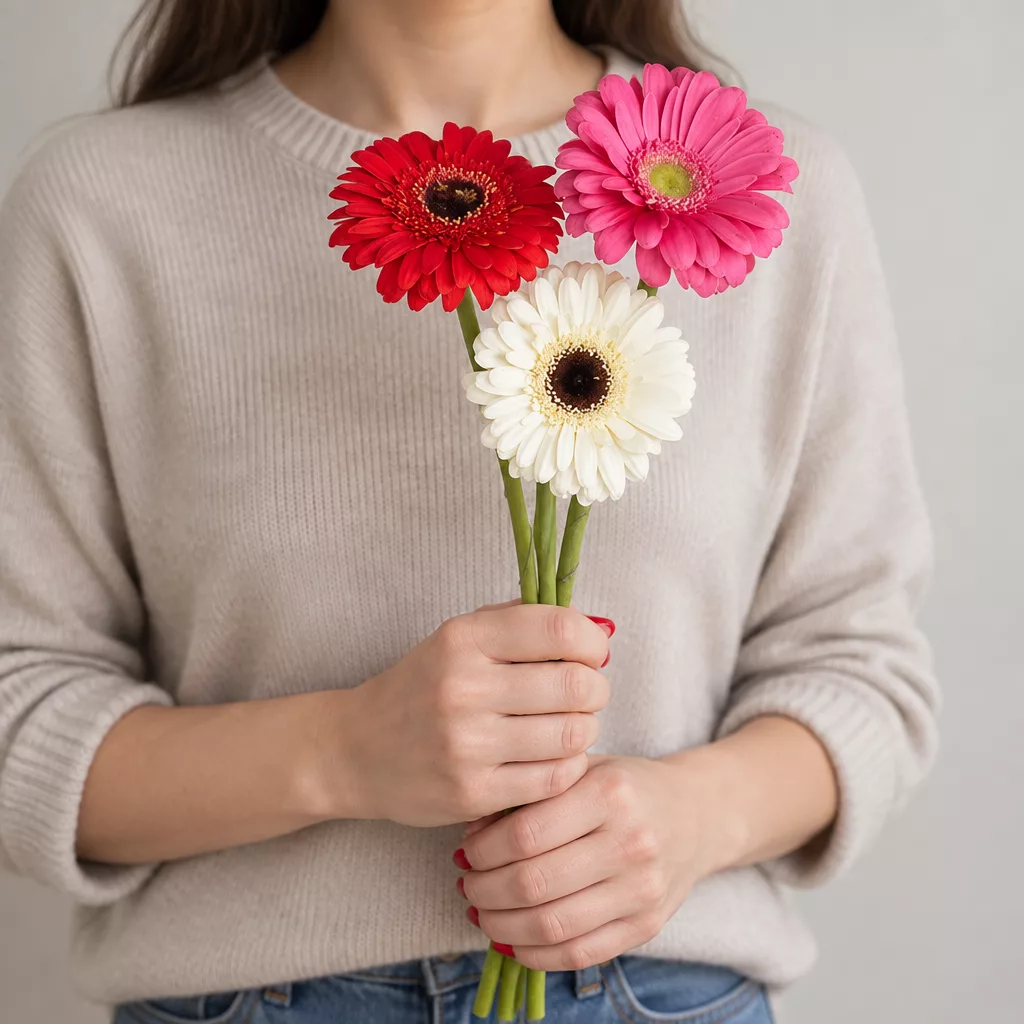
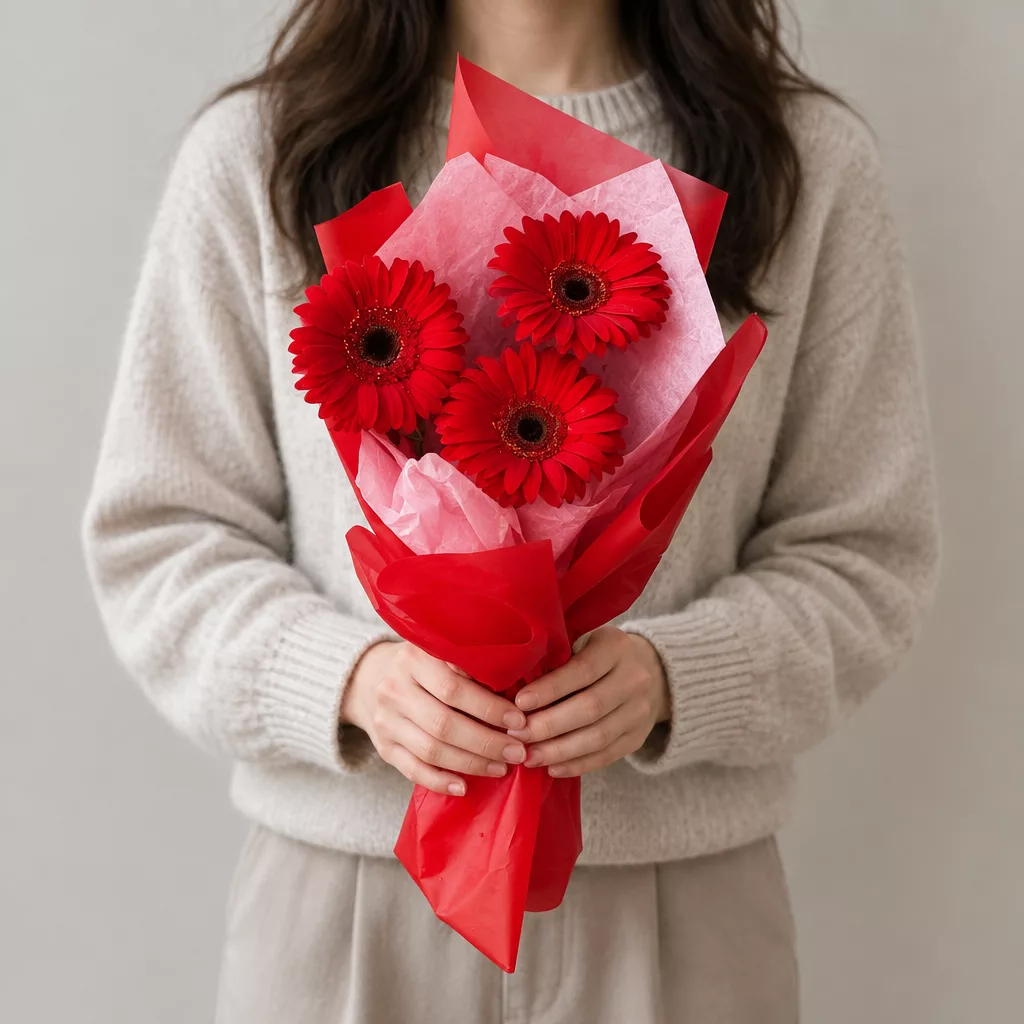
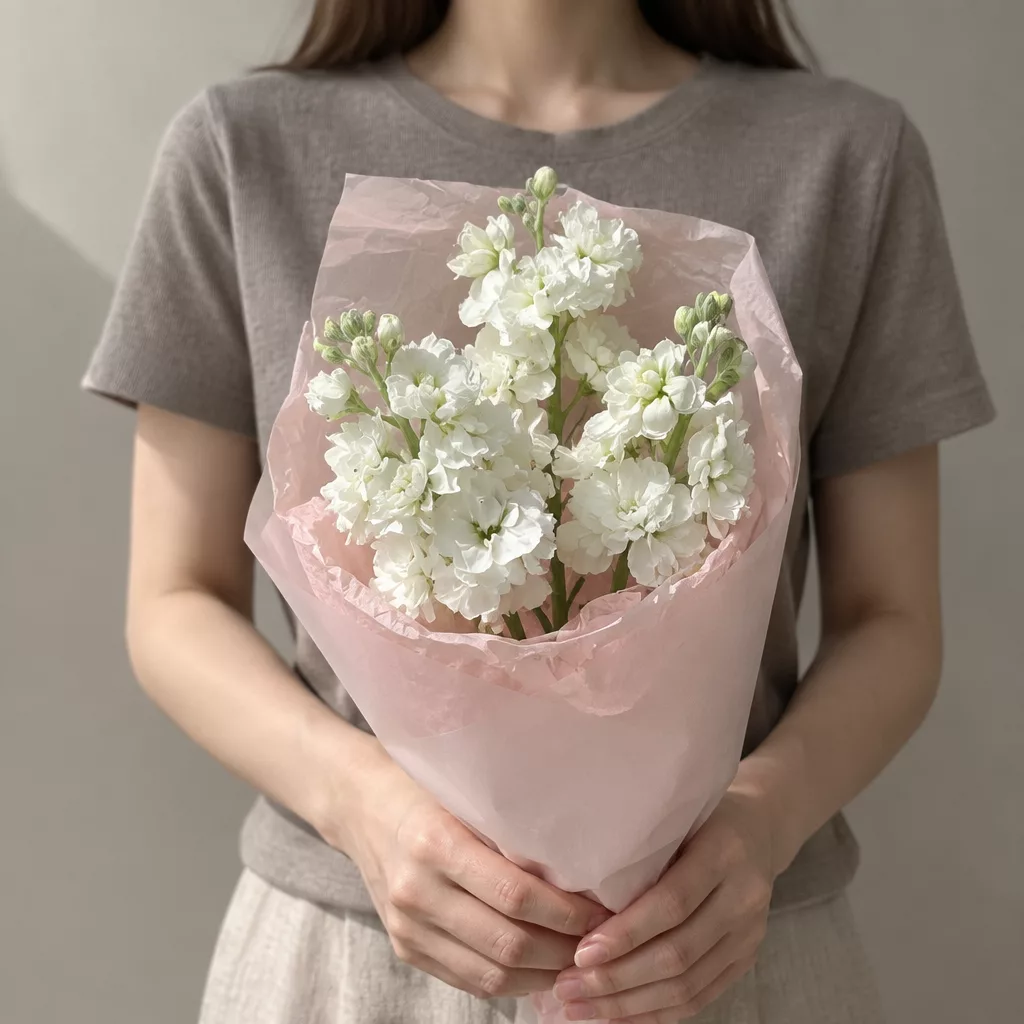
Bouquets we can deliver

Timing Your Order: Morning, Afternoon and Same-Day Delivery
One of the most common questions people ask before ordering is simply: how soon can it arrive? For Zhirnovsk, same-day delivery is available when the order is placed early enough in the day. Morning orders placed before noon give the most comfortable buffer, ensuring the bouquet reaches the recipient during working hours or early evening — whichever suits the occasion better. Orders placed in the afternoon can still be fulfilled the same day depending on the current schedule, so it is always worth checking availability rather than assuming it is too late.
For planned occasions — a birthday, a graduation, an anniversary — ordering a day ahead is genuinely the better choice. It allows the flowers to be prepared without rush, and it gives you the option to specify a precise delivery window. Arriving at eleven in the morning with a bouquet of peonies is a very different experience from a seven in the evening surprise, and both are valid depending on what the recipient's day looks like.
Russian gift-giving culture tends to favour punctuality. Arriving on the actual day of the occasion matters more than it might in some other contexts. A birthday bouquet delivered the morning of the birthday, before the person has left for work or celebrations, carries a warmth that a next-day delivery simply cannot replicate. If the date is fixed and meaningful, lock in the delivery slot early. Last-minute orders are often possible, but planning ahead removes uncertainty and lets you focus on choosing the right flowers rather than worrying about logistics.
Choosing Flowers That Suit the Occasion and the Person
Start with the recipient, not the flower. A young woman who loves bold colour will respond differently to a bouquet than a grandmother who has always kept a vase of white chrysanthemums on her windowsill. Think about what you know: their home, their personality, whether they prefer something dramatic or understated. That instinct is usually more reliable than following a trend.
For birthdays and celebrations, roses remain the most universally appreciated choice in Russia, but the way they are combined matters enormously. A single variety in one colour can feel elegant and intentional. Mixed bouquets work well when they include flowers with different textures — for example, spray roses alongside lisianthus and eucalyptus give depth without looking chaotic. Tulips are a strong choice in spring and early summer; they travel well, open beautifully in a warm room, and feel genuinely celebratory rather than formal.
For romantic occasions, red roses carry a very clear meaning in Russian culture — they are understood immediately as a declaration. If the relationship is newer or more playful, a mix of pink and white roses with some greenery reads as affectionate without being overwhelming. Alstroemeria is an underrated option for someone who appreciates longevity: the blooms last well over a week with basic care, which means the gesture stays visible long after the day itself.
For a new home or a professional milestone, something architectural works well — think sunflowers, large-headed chrysanthemums, or a structured arrangement with gerbera daisies. These flowers look confident in a new space and do not require the recipient to have a lot of vase experience to keep them looking good.
Budgeting for a Bouquet: What Different Spend Levels Get You
Flowers exist at every price point, and the difference between a modest bouquet and a generous one is not simply size — it is in the combinations, the quality of the blooms, and the finishing. Understanding what each level delivers helps you make a choice you feel good about rather than guessing.
At a modest spend, you are typically looking at a single-variety bouquet: five to seven roses, a bunch of alstroemeria, or a seasonal tulip arrangement. These are not inferior gifts. A tightly arranged bundle of white freesias, for example, smells extraordinary and photographs beautifully. The key is choosing one variety and committing to it rather than trying to do too much with a smaller budget.
In the mid range, combinations become possible. A florist can pair garden roses with ranunculus, or mix spray carnations with waxflower and soft greenery. The bouquet gains texture and visual interest. This is also the range where presentation upgrades — kraft paper wrapping, ribbon, a small card — become standard rather than optional extras.
At a higher spend, premium varieties enter the picture. Large-headed Dutch roses, peonies when in season, orchid stems, or a structured hand-tied arrangement with several complementary varieties all become realistic. These bouquets make a strong visual impression the moment the door opens, which matters for significant occasions. They also tend to last longer because premium blooms are harvested at an earlier stage and handled more carefully through the supply chain. Whatever the budget, the most important thing is that the flowers are fresh on arrival — a smaller fresh bouquet always outperforms a larger tired one.
What the Recipient Should Do the Moment the Flowers Arrive
Most flowers arrive having spent time in transit, and the first thirty minutes after delivery are the most important for vase life. Sharing a few simple instructions with the recipient — or including them on a card — can double how long the bouquet looks its best.
The first step is to trim the stems. Using a sharp knife or scissors, cut each stem at an angle, removing about two centimetres from the bottom. An angled cut increases the surface area through which the stem draws water. This should be done while the stems are submerged in water if possible, which prevents an air bubble from forming and blocking the uptake. Many recipients skip this step and wonder why their roses begin to droop within two days.
The vase should be clean and filled with cool water. In summer, slightly cooler water slows bacterial growth; in winter, room temperature water is fine. Remove any leaves that would sit below the waterline — they decay quickly and cloud the water, which shortens the life of the whole bouquet. Change the water every two days and re-trim the stems each time.
Keep flowers away from direct sunlight, radiators, and fruit bowls. Ripening fruit releases ethylene gas, which accelerates petal drop in many varieties including roses and carnations. A cool spot away from draughts is ideal. Chrysanthemums and alstroemeria are the most forgiving of imperfect conditions and will last well even with minimal care. Roses and tulips reward attention with an extra four or five days of bloom.
Seasonal Flowers and Why the Time of Year Changes Everything
Zhirnovsk has a continental climate with cold winters and hot summers, and while a professional florist sources flowers year-round, the season still shapes what is at its best and what represents real value. Ordering in tune with the season means the flowers arrive at a more natural stage of development and tend to last longer.
From late March through May, tulips, hyacinths, and ranunculus are at their peak. These are not just spring clichés — they are genuinely better in this window than at any other time of year. Peonies arrive in late May and June and are worth seeking out if the timing aligns with an occasion. They open slowly over several days, which makes them feel like a gift that keeps changing.
Summer brings sunflowers, gerbera daisies, and lisianthus into their best form. These are robust flowers that handle the heat of transit better than more delicate varieties. A summer bouquet of sunflowers with green hypericum berries and eucalyptus is simple, striking, and genuinely long-lasting.
Autumn is the season of large chrysanthemums, dahlias, and the last of the garden roses. Chrysanthemums in particular are underappreciated in Russia outside of formal contexts — in shades of burgundy, orange, and deep yellow, they create arrangements that feel warm and seasonal without being predictable.
Winter is when the florist's skill matters most. Roses are the backbone of the winter offering, and the best ones come from carefully controlled environments. Amaryllis and ornamental branches add drama. A well-chosen winter bouquet is not a compromise — it is simply a different kind of beauty.
Common Mistakes When Ordering Flowers for Someone in Zhirnovsk
The most frequent mistake is waiting too long. People often decide on the day of an occasion that they want to send flowers, then feel stressed about whether it will arrive in time. Ordering even twelve hours ahead transforms the experience from anxious to confident. The flowers are better prepared, the delivery is calmer, and you have time to write a proper message rather than typing something rushed.
The second mistake is choosing by appearance in a photograph rather than by suitability for the recipient. A dramatic black-wrapped bouquet of dark red roses is striking online but might feel too heavy for a cheerful colleague's desk birthday. Thinking about where the flowers will live — a home, an office, a kitchen table — helps narrow the choice to something that fits.
A third mistake is providing an incomplete address. In a city like Zhirnovsk, apartment numbers, building entrances, and floor numbers matter. An address that stops at the street name causes delays and sometimes means the recipient has to come downstairs to meet the courier, which breaks the surprise entirely. Take a minute to confirm the full address before placing the order.
Finally, some people forget to include a message, assuming the sender's name is enough. In Russian culture, written words accompanying a gift carry real weight. A short, genuine note — even two or three sentences — transforms the bouquet from a purchase into a personal gesture. It does not need to be elaborate; it just needs to be sincere. The flowers say something visual; the card says something human, and the two together are what make the moment memorable.
Sending flowers to someone in Zhirnovsk is one of the most direct ways to mark a moment in their life, and the distance between you and them does not have to diminish that. When the order is placed with care — the right flowers for the season and the person, a clear address, a well-timed delivery slot, and a genuine note — the bouquet arrives as something more than a product. It arrives as proof that someone was thinking of them. Turboflora handles the logistics so that the gesture stays at the centre of the experience, exactly where it belongs.
Frequently asked questions
Can I send flowers to Zhirnovsk on the same day I order?
Yes, same-day delivery in Zhirnovsk is available for orders placed early enough in the day. Morning orders before noon have the most reliable same-day window. For afternoon orders, availability depends on the current schedule, so check at the time of ordering rather than assuming it cannot be done.
Which flowers last longest after delivery in Zhirnovsk's climate?
Alstroemeria, chrysanthemums, and spray carnations are consistently the longest-lasting options, often staying fresh for ten days or more with basic care. Roses last well when stems are trimmed and water is changed every two days. In hot summer conditions, avoid delicate varieties like sweet peas or garden anemones, which wilt quickly without refrigeration.
Do I need to tell the recipient the flowers are coming?
For home deliveries, a surprise works well. For workplace deliveries in Zhirnovsk, a brief heads-up prevents missed deliveries — some office buildings have restricted access or unmanned reception areas. You can alert the recipient without revealing the sender or the occasion, which keeps the surprise while ensuring the bouquet reaches them promptly.
What information do I need to provide for delivery in Zhirnovsk?
Provide the full street address including apartment number, building entrance number if applicable, and floor. A contact phone number for the recipient is important so the courier can reach them if the entrance is locked. The more complete the address, the smoother the delivery and the less likely the bouquet is to be delayed at the door.
Are there flowers I should avoid sending in winter or summer in Zhirnovsk?
In winter, avoid tropical flowers like anthuriums unless they are well insulated, as they suffer damage below ten degrees Celsius. In summer, delicate open-faced flowers such as anemones or sweet peas struggle in heat above thirty degrees. Roses, chrysanthemums, and alstroemeria perform reliably in both seasons and are safe choices year-round.
Ready to send flowers?
Pick the city, choose the bouquet, and a local florist takes it from there.
Choose a city →