Sending Flowers to Zlatoust? Here Is Everything You Need to Know
Zlatoust sits deep in the southern Urals, surrounded by forested ridges and a climate that swings hard between seasons. If you are ordering flowers for someone here — a birthday, an anniversary, a thank-you that words cannot quite carry — you deserve to know exactly what will arrive at their door, how long it takes, and which blooms will still look alive and bright after the journey. This is the practical, honest picture from florists who deliver there regularly.
Which Parts of Zlatoust We Deliver To
Zlatoust is a linear city stretched along the Ay River valley, and its neighborhoods sit at different elevations with roads that wind considerably. We deliver across the central districts, including the area around Taganay National Park's edge, the older industrial quarter near the metallurgical plant, and the newer residential blocks on the higher ground to the north. Addresses in the city center and the main residential zones receive flowers within the standard one-to-two-hour window after your order is confirmed. Outlying streets and private house sectors — particularly those beyond the main through roads — may add thirty to forty minutes depending on road conditions and the season. If you are unsure whether a specific address falls within the fastest zone, the safest move is to place the order and note the address precisely, including the building entrance number and apartment. In Russia, entrance numbers matter: a large apartment block can have eight separate entrances, and a courier without that detail will lose time. For private houses, a landmark or a gate description in the comments field is genuinely useful. We cover the full city postal area of Zlatoust, so do not hesitate to order for addresses that feel remote — the question is timing, not availability.
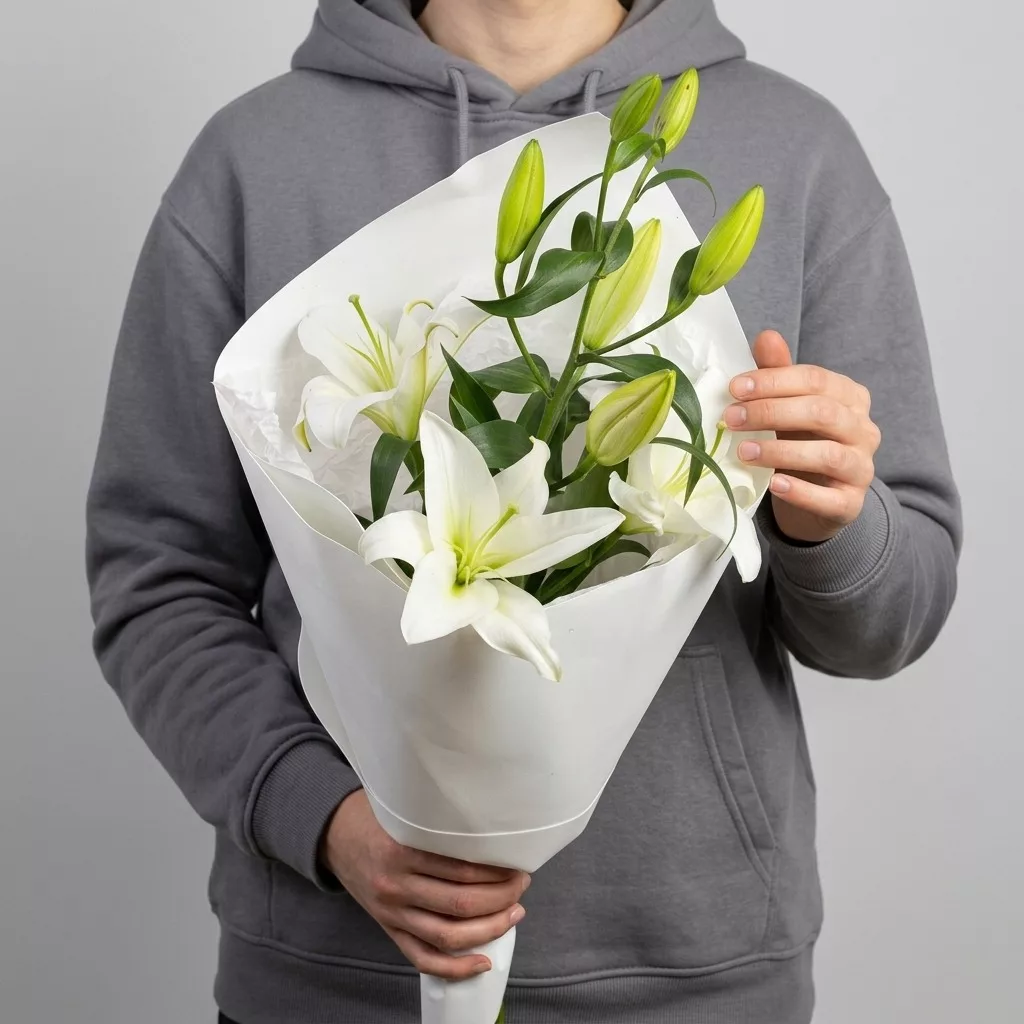
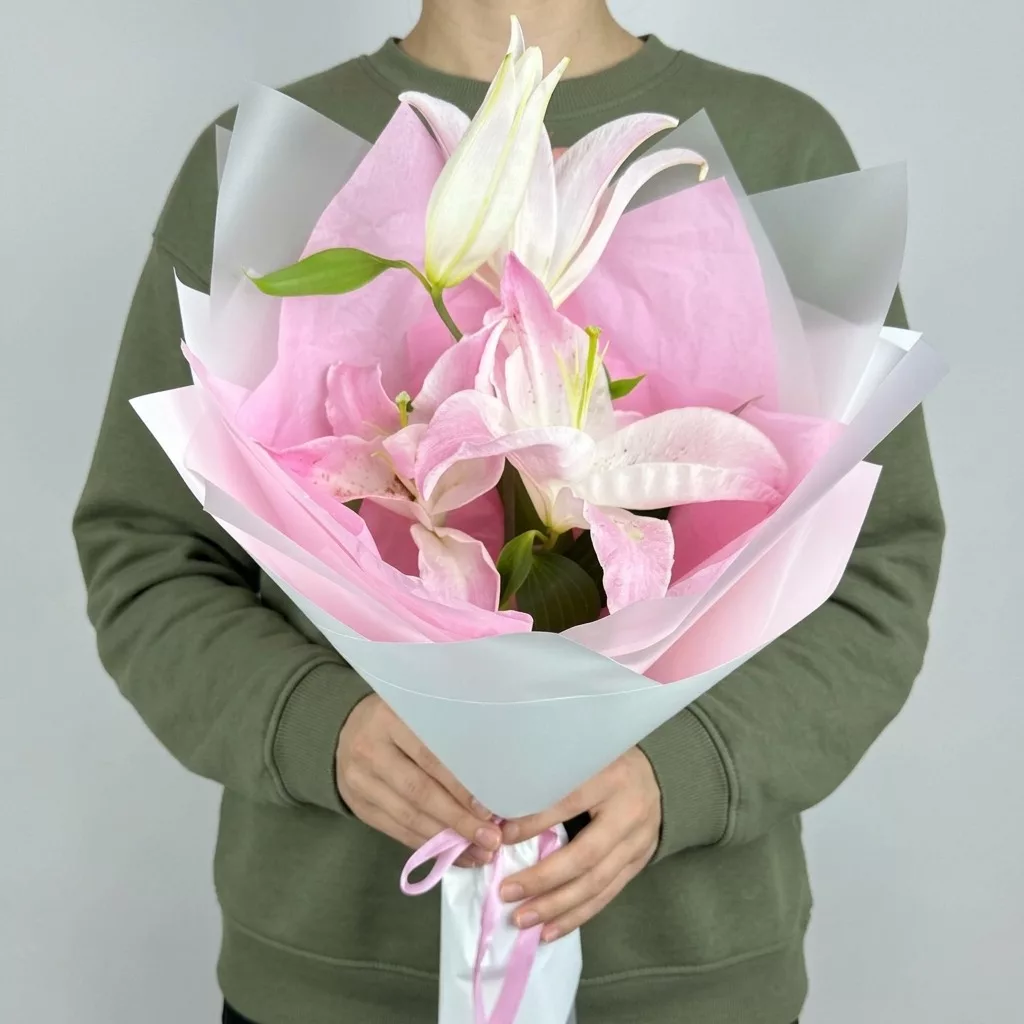
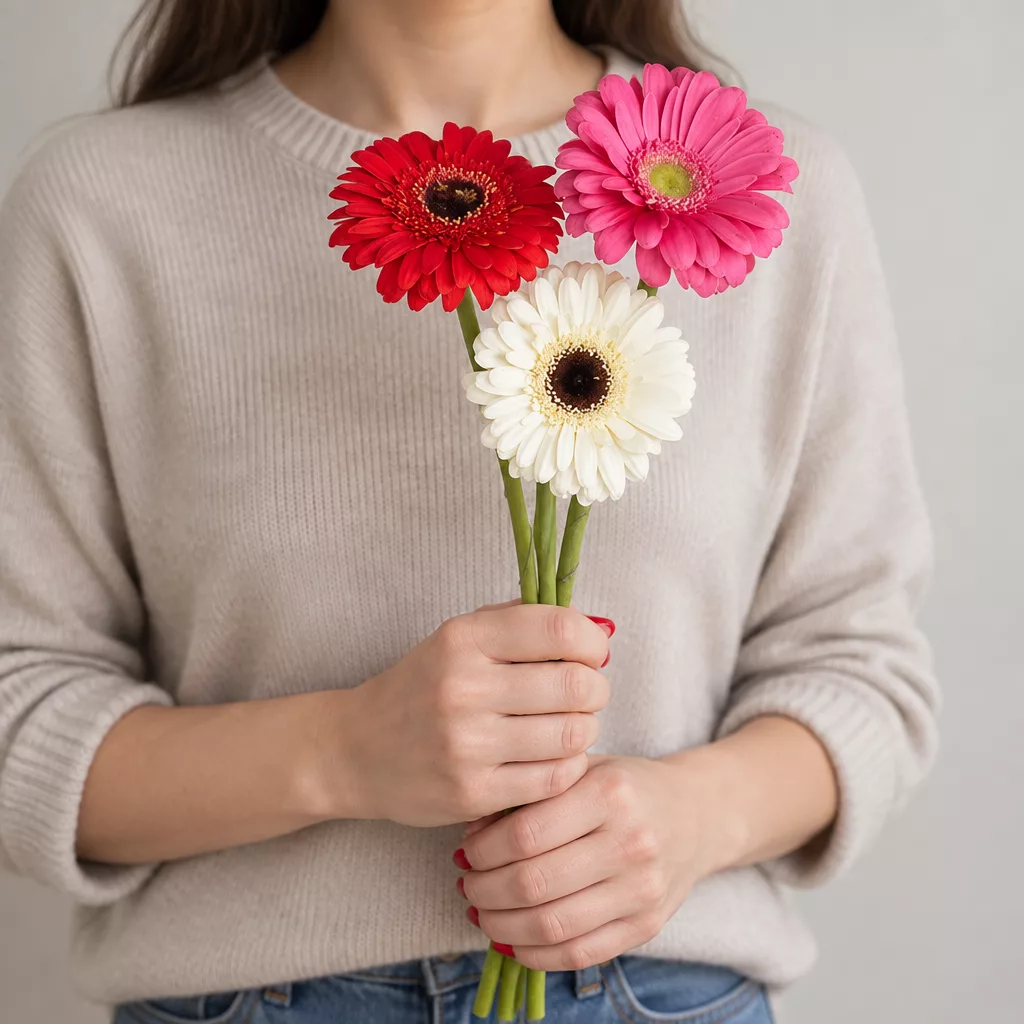
Bouquets we can deliver

How Long Delivery Actually Takes in the Urals
The one-to-two-hour window is real, not a marketing promise softened with small print. From the moment your payment clears and the bouquet is assembled, a courier is dispatched directly. In Zlatoust, city traffic is lighter than in Saint Petersburg or Moscow, which works in your favor. The main variable is not distance but seasonality. Between November and March, the Ural winter brings temperatures that regularly drop to minus fifteen or minus twenty-five Celsius, and snowfall can slow road movement noticeably. During these months we build in extra time and pack flowers in insulated wrapping to protect them from thermal shock. Roses and tulips are especially vulnerable to sudden cold: even a few minutes of exposure at those temperatures can bruise petals invisibly, with the damage only showing hours later in the vase. In summer, the concern reverses — heat above twenty-eight degrees can accelerate wilting in transit, so we use cool-packs and shaded packaging. The honest advice is to order with a thirty-minute buffer before the moment you need the flowers to arrive. If the recipient has a specific schedule — they leave for a restaurant at seven in the evening, for example — tell us in the order notes, and we will time dispatch accordingly rather than simply confirming the earliest slot.
Choosing Flowers for the Occasion, Not Just the Price
The best bouquet for a Zlatoust delivery is the one that fits the person receiving it, not the one that photographs best online. Start from what you know about them. A colleague who keeps a tidy desk and appreciates restraint will respond better to a compact arrangement of white spray roses and eucalyptus than to an oversized mixed bouquet that overwhelms a small office. A grandmother celebrating a birthday in a private house with a garden of her own will likely love bold, garden-style combinations — think garden roses, lisianthus, and seasonal greens — more than a formal single-variety presentation. For romantic occasions, red and deep-pink roses remain the clearest signal in Russian culture, and that is worth knowing if you are sending from abroad and want the gesture to land without ambiguity. For congratulations — a new job, a graduation, a newborn — sunflowers, yellow roses, and orange gerberas read as joyful and uncomplicated. White flowers in Russia are traditionally associated with formal or solemn moments, so a fully white bouquet for a birthday can feel slightly cool unless it is paired with green foliage and a warm ribbon. These are not rigid rules, but they are the kind of context a working florist holds in mind when a customer asks simply for something nice.
What Flowers Travel Best to Zlatoust by Season
Not every flower is equally suited to a long-distance journey in Ural conditions, and knowing this will help you choose confidently. Chrysanthemums are among the most reliable year-round: they are hardy, hold their shape in cold, and last ten to fourteen days in a vase with proper care. Alstroemeria is another strong traveler — the buds open gradually after delivery, so the recipient gets a bouquet that evolves over nearly two weeks. Standard roses from reliable growers travel well when cut correctly and hydrated before dispatch, though spray roses with multiple small heads on each stem are often more forgiving of temperature variation than large single-headed varieties. In spring, tulips are a natural choice and genuinely popular across the Urals during March and April, especially around International Women's Day on the eighth of March, which is the single largest flower-giving occasion in Russia. Peonies arrive in season between late May and July and are beloved for their fullness and scent, but they are sensitive to heat and need to be delivered quickly. Orchid branches — particularly Cymbidium — are excellent for winter delivery because they tolerate cold far better than most cut flowers and last impressively long. Avoid ordering open garden flowers like anemones or ranunculus in deep winter unless you are ordering same-day and the recipient is home to receive them immediately.
Bouquet Sizes, Combinations and What Actually Looks Good
A bouquet is not just a count of stems — it is a composition, and the relationship between flowers matters as much as the individual varieties. A mono-bouquet of twenty-five roses is a clear, powerful statement, and it works precisely because it does not ask the viewer to interpret anything. A mixed bouquet works differently: it creates texture, movement, and a sense of abundance that a single variety cannot. The most successful mixed arrangements balance one dominant flower with one supporting variety and one textural element. For example, garden roses as the focal point, lisianthus as the supporting bloom, and eucalyptus or ruscus for structure and scent. This three-layer logic is what separates a bouquet that looks designed from one that looks assembled. For Zlatoust deliveries, we also think about the wrapping. Kraft paper with a linen ribbon reads as warm and artisanal, which suits informal occasions beautifully. A clear film wrap that lets the flowers show fully is better for formal congratulations where the visual impact is the point. Round hat-box arrangements are increasingly popular for recipients who live in apartments with no obvious place to put a tall vase — the box itself acts as the vessel. If the person you are sending to is practical rather than romantic, a box arrangement removes the vase problem entirely and feels like a thoughtful detail rather than an afterthought.
Vase Life and Care: What to Tell the Recipient
Every bouquet we send includes basic care instructions, but the person receiving flowers often does not read them immediately, especially if they are surprised and emotional. Knowing what to pass along — or what to include in a card message — can make the difference between flowers that last four days and flowers that last twelve. The first step is always the same: cut the stems at a diagonal under running water, about two centimeters from the bottom, and place them in a clean vase with fresh cool water immediately. Diagonal cuts increase the surface area absorbing water, and doing it under water prevents air bubbles from blocking the stem. Water temperature matters more than most people realize. Tulips and most spring flowers prefer cool water, close to ten degrees. Roses and tropical varieties like anthuriums do better in room-temperature water. Change the water every two days and re-cut the stems each time. Keep flowers away from direct sunlight, heating radiators, and fruit bowls — ripening fruit releases ethylene gas, which accelerates petal drop noticeably. In Zlatoust apartments during winter, central heating runs at high intensity, which dries the air significantly. A light misting of the petals once a day helps extend vase life by several days. If a stem starts to droop before the others, remove it promptly rather than leaving it in the arrangement — decaying stems release bacteria that shorten the life of the healthy ones.
Making the Order Go Smoothly From Start to Finish
Ordering flowers for someone in another city always involves a small act of trust, and there are a few things that make the process noticeably smoother. The most important is the recipient's phone number. Our courier will call ahead when they are close, which gives the recipient time to come to the door and ensures the flowers are not left unattended in a cold entrance hall in January. If the recipient is a surprise and you do not want them called, note that clearly in the order — we can arrange delivery without a prior call, though this adds a small risk of a missed delivery if they are out. The second detail that prevents most problems is the full address with the building entrance and apartment number, as mentioned earlier. In Russia, many residential buildings from the Soviet era look identical from the street, and entrance numbers are the only reliable way to navigate them. Third, think about timing in relation to the recipient's day. Flowers delivered to an office are received publicly, which some people love and others find uncomfortable. If you are not certain, an evening home delivery is almost always the warmer choice. Finally, a handwritten card message, even a short one, transforms a bouquet into a personal gesture. We can include a printed card with any text you provide, in Russian or English, and that small addition is consistently what recipients remember most about receiving flowers from a distance.
Ordering flowers for someone in Zlatoust is a genuinely warm thing to do, and the distance between you and them does not have to show in the result. When you know which flowers travel well in Ural winters, how to phrase the address so a courier finds the right entrance, and which combinations suit the occasion rather than just filling a budget, the bouquet that arrives feels considered rather than convenient. Turboflora handles the logistics, the seasonal adjustments, and the presentation — your part is simply knowing the person well enough to choose something that fits them.
Frequently asked questions
Can I order flowers for delivery in Zlatoust if I am calling from another country?
Yes, entirely. The order is placed online at turboflora.com in any location. You will need the recipient's full address including entrance number, their phone number for the courier's call, and a payment method that works internationally. The bouquet is assembled and dispatched in Zlatoust on the same day you confirm the order.
What happens if the recipient is not home when the courier arrives?
The courier calls ahead before arriving. If there is no answer and no alternative instruction from you, we will attempt redelivery or hold the bouquet and coordinate a new time. For surprise deliveries where a prior call would spoil the moment, note this in your order and we will plan accordingly, though we recommend confirming the recipient will be home.
Which flowers should I avoid ordering in Zlatoust during winter?
Delicate open blooms like anemones, garden ranunculus, and fully open peonies are most vulnerable to Ural winter temperatures during transit. Chrysanthemums, alstroemeria, roses, and cymbidium orchid branches handle cold far better. If you are ordering in January or February, our florists can suggest the strongest options for that week's conditions.
Is the eighth of March a difficult day to order flowers in Russia?
International Women's Day on March eighth is the largest single flower-giving day in Russia, comparable to Valentine's Day elsewhere but broader in scope — it covers mothers, colleagues, friends, and partners. Demand is very high. Ordering two to three days in advance for that date is strongly recommended to secure your preferred time slot and flower selection.
Can I include a message card in a language other than Russian?
Yes. When placing your order, enter your message text in the card field in whichever language you prefer — English, German, French, or any other. We print it exactly as written and include it with the bouquet. Many recipients in Zlatoust appreciate receiving a card in the sender's own language as part of the personal gesture.
Ready to send flowers?
Pick the city, choose the bouquet, and a local florist takes it from there.
Choose a city →