Your Flower Petals Are Browning at the Edges — Here Is What to Do
You unwrap a beautiful bouquet, set it in a vase, and two days later the petal edges look singed — brown, papery, and a little sad. It feels like the flowers aged overnight. The good news is that edge browning is almost never random bad luck. It has a cause, and once you know which one you are dealing with, you can slow it down significantly or stop it altogether. This article walks through the most common reasons it happens and what to do right now.
Why Petal Edges Brown Before the Rest of the Flower
Petal edges are the thinnest, most exposed part of any bloom. They lose moisture faster than the center, they catch ethylene gas first, and they are the first tissue to show stress when something is wrong with the water supply. Think of them as the early-warning system of your bouquet.
When a rose, ranunculus, or tulip starts to brown at the rim while the center still looks fresh, the flower is telling you that something in its environment is off. The damage you see is usually the result of a process that started twelve to twenty-four hours earlier, which is why acting quickly matters.
The three main culprits are low humidity combined with warm dry air, ethylene gas produced by fruit, other dying flowers, or cigarette smoke, and bacterial buildup in the vase water that blocks the stems from drinking properly. Each cause produces a slightly different pattern of browning, and identifying which one you have will point you straight to the right fix.
A fourth, less obvious cause is physical damage — petals that were pressed against packaging, brushed repeatedly against a surface, or touched with warm hands will brown at exactly those contact points. If the browning follows a clear geometric pattern, that is almost certainly the reason. Understanding the source is the first step; the sections below take each one in turn.
Bouquets we can deliver

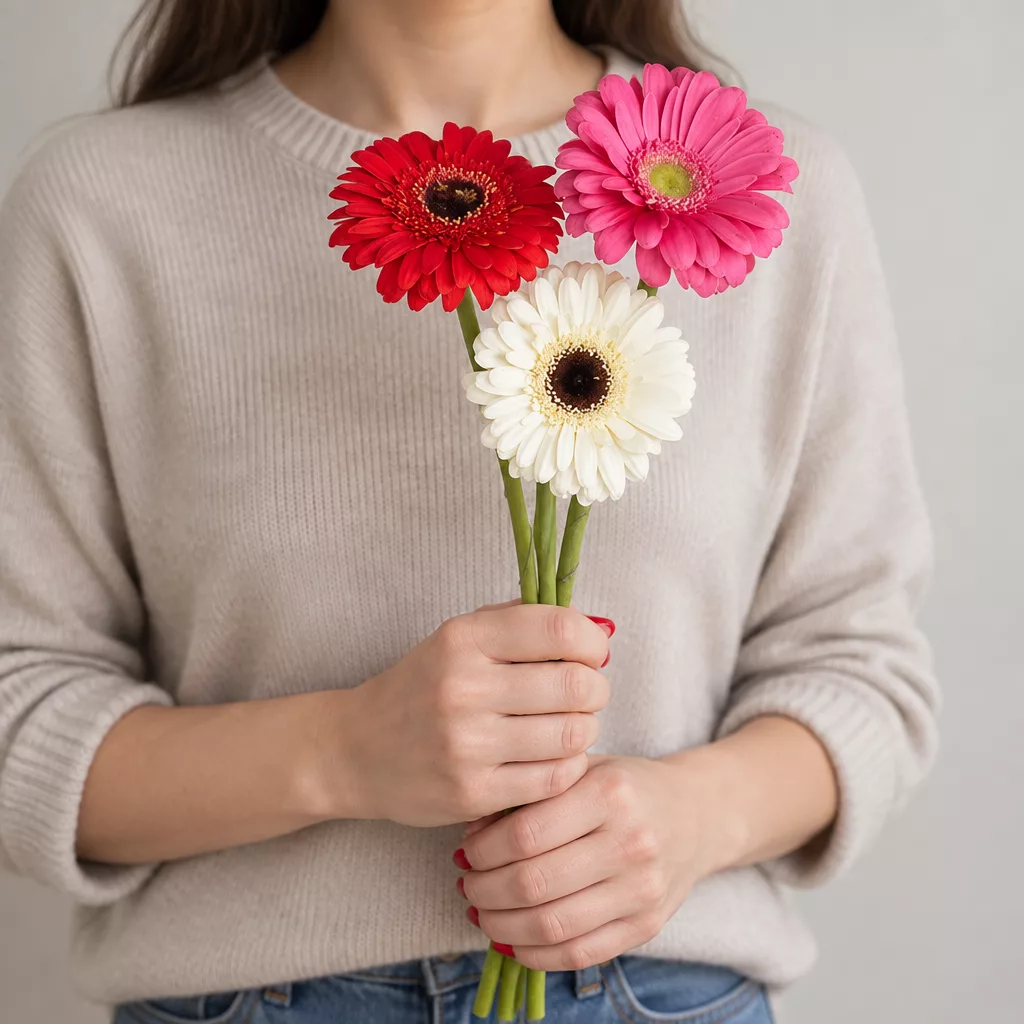

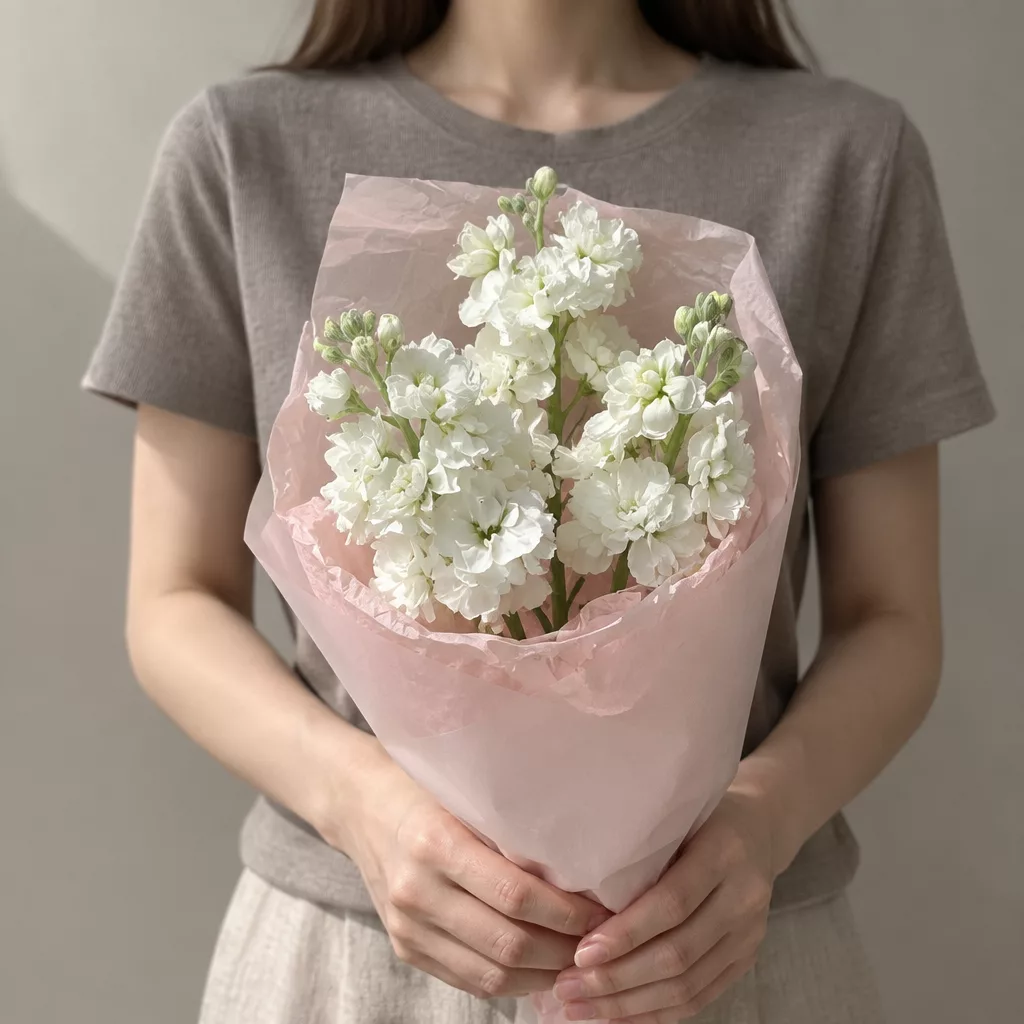
Dry Air Is the Most Underestimated Enemy of Fresh Petals
Central heating in Russian apartments, especially from October through April, pulls indoor humidity down to levels that flowers simply were not designed to handle. A rose cut in a greenhouse at sixty to seventy percent relative humidity can find itself sitting in a room at twenty to thirty percent. The petal edges, being thin and waxy only on the outer surface, desiccate quickly under those conditions.
The browning from dry air tends to be uniform around the outer edge of each petal and progresses inward slowly. Roses, lisianthus, and sweet peas are particularly vulnerable. Gerberas and chrysanthemums handle dry rooms somewhat better because their petals have a denser structure.
The simplest response is to move the vase away from radiators and heating vents. Even a meter of distance makes a measurable difference. Placing the vase near a window — not in direct sunlight, but in the cooler air that collects near the glass — helps too. If you have a humidifier, running it in the same room can add several extra days to the bouquet's life.
A light misting of the petals with plain cool water once a day also helps, but avoid soaking the flower heads. Water sitting in the folds of a peony or a garden rose overnight encourages grey mould, which is a different problem entirely. A fine spray from thirty centimetres away, early in the morning, is the right approach. The goal is to raise the immediate humidity around the petals without leaving them wet.
Ethylene Gas: The Invisible Cause Most People Never Suspect
Ethylene is a natural plant hormone that speeds up ripening and aging. Fruits produce it as they ripen — apples and bananas are particularly high sources — and so do flowers as they age and begin to die. When cut flowers are exposed to even low concentrations of ethylene, petal browning and wilting accelerate dramatically.
The classic mistake is placing a bouquet next to a fruit bowl. A bowl of ripening apples on the kitchen counter can shorten the life of nearby roses by two to three days. Dying flowers left in the same vase as fresh ones have the same effect: they emit ethylene that speeds the decline of everything around them.
Carnations, roses, and lisianthus are among the most ethylene-sensitive varieties. Anthurium and orchid stems are also very reactive. Sunflowers and gerberas are more tolerant, though not immune.
The fix is straightforward: keep the vase away from the fruit bowl, remove any flower that has fully opened and is beginning to drop petals, and keep the bouquet out of the kitchen where cooking gases accumulate. If you smoke indoors, the area near the bouquet matters — cigarette smoke contains ethylene and will accelerate browning noticeably.
If you have already noticed browning and suspect ethylene, move the vase to a cooler, well-ventilated room immediately. Lower temperatures slow the ethylene response in the remaining flowers and can buy you another day or two of good appearance. Ventilation dilutes the gas concentration around the blooms.
Bacteria in the Vase Water and Why It Matters More Than You Think
Within twenty-four hours of placing cut stems in plain tap water, bacteria begin to multiply in the vase. These bacteria colonise the cut end of the stem and produce a biofilm that physically blocks the vascular tissue — the fine channels through which the flower draws water up to its petals. When water uptake slows, the petal edges are the first to suffer because they are furthest from the water source.
The sign that bacteria are the main problem is usually wilting before browning, and vase water that turns cloudy or develops an unpleasant smell within a day or two. The browning, when it comes, is often combined with a general limpness in the petals rather than just dry, papery edges.
The solution starts with a clean vase. Wash it with hot water and a small amount of dish soap, rinse thoroughly, and start fresh. Recut the stems at an angle — about two centimetres off the bottom — using clean scissors or a sharp knife. A diagonal cut increases the surface area for water uptake and removes the blocked tissue at the base.
Change the water every two days rather than waiting for it to look dirty. If you have a flower food sachet from the florist, use it: these sachets contain a mild acidifier that lowers the pH of the water and slows bacterial growth significantly, along with a small amount of sugar to feed the stems. Without the sachet, a very small pinch of sugar and a few drops of white vinegar in the water achieve a similar effect. Keep the vase clean and the stems freshly cut, and bacterial browning is largely preventable.
Choosing Flowers That Hold Up Better in Typical Home Conditions
Not every flower is equally vulnerable to browning, and if you know your home runs warm and dry, or if the bouquet is for someone who may not think to change the water regularly, choosing hardier varieties is a practical act of care.
Roses with tighter petal structures — varieties with smaller, denser heads — tend to last longer than large, open garden roses in dry conditions. Spray roses, which have multiple small blooms per stem, are particularly resilient. Alstroemeria is one of the longest-lasting cut flowers available and is very resistant to edge browning. Chrysanthemums, statice, and waxflower hold their appearance well even in heated rooms.
Lisianthus looks delicate but actually lasts well, provided it has clean water and is kept away from ethylene sources. Tulips are sensitive to warm rooms and will open and age quickly above twenty degrees; they are best kept in a cool spot and in shallow water. Peonies are glorious but short-lived in warm dry air — if someone receives peonies, they should know to enjoy them fully open and not expect them to last a week.
For a bouquet intended to last as long as possible — perhaps for a birthday celebration that stretches over several days — combining alstroemeria, spray roses, and chrysanthemums with greens like ruscus or eucalyptus gives you a composition that stays presentable far longer than an all-rose arrangement. Greens also help maintain local humidity around the blooms, which is a small but real benefit.
What to Do in the First Hour After You Notice Browning
The moment you spot brown edges, the most useful thing you can do is take the bouquet out of the vase entirely and assess it properly. This is not an overreaction — it is the same thing a florist does when refreshing stock.
First, look at the vase water. If it is cloudy or smells stale, bacteria are a major factor. Empty the vase, wash it, refill with fresh cool water, and recut every stem by two centimetres before returning the flowers. This alone often produces a visible improvement within a few hours as the stems begin drinking freely again.
Second, remove any flowers that are fully open, dropping petals, or already significantly browned. They are producing ethylene and pulling down the rest of the bouquet. It can feel wasteful, but the remaining flowers will genuinely last longer without them.
Third, look at where the vase is sitting. Is it near a radiator, a fruit bowl, the stove, or a sunny windowsill? Move it somewhere cooler and more shaded — a hallway, a bedroom away from heating, or a spot on a table away from the kitchen.
Fourth, if the browning is on just the outer edge of a few petals and the rest of the flower is firm and well-coloured, those petals can be gently removed individually without ruining the appearance of the bloom. A rose with its outermost two or three guard petals removed often looks cleaner and more open. This is a standard florist technique and not a sign of giving up on the bouquet. Done carefully, it can reset the appearance of the arrangement entirely.
Making a Bouquet Last: Daily Habits That Prevent Browning
Preventing edge browning is easier than reversing it, and the habits involved take less than five minutes a day. The most important is water changes. Fresh water every two days, combined with a stem recut each time, removes bacteria before they build up to damaging levels. It sounds like a small thing, but it is the single most effective action you can take.
Keep the vase topped up between changes. Stems should always be submerged by at least five to eight centimetres. When the water level drops and the cut end of a stem is exposed to air, an air bubble can enter the vascular tissue and block water uptake just as effectively as bacteria.
Strip any leaves that sit below the waterline before you place the stems in the vase. Submerged leaves decompose quickly and dramatically accelerate bacterial growth. This is one of the most common mistakes people make, and it costs bouquets days of vase life.
Keep the room temperature below twenty degrees if possible. Most cut flowers were kept at two to eight degrees during transport, and the slower you allow them to warm up and open, the longer they last. At night, moving the vase to a cooler room — even a hallway — can extend the life of the arrangement noticeably.
Finally, keep the bouquet away from direct sunlight. Light does not feed cut flowers the way it feeds plants with roots; it only heats the petals and the water, speeding both bacterial growth and moisture loss. A bright, indirect spot is ideal — good to look at, but not in the path of the sun.
Brown petal edges are a signal, not a sentence. Most of the time the bouquet still has life in it, and the damage can be slowed or stopped once you know what caused it. Dry air, ethylene from fruit or dying blooms, and bacteria in the vase water account for the vast majority of cases — and all three respond to simple, immediate actions. Fresh water, a clean vase, a cooler spot away from the fruit bowl, and a careful recut of the stems are not complicated steps, but they make a real difference. A bouquet that arrives looking perfect deserves a few minutes of attention each day to stay that way. We deliver bouquets across Russia in 1–2 hours.
Frequently asked questions
Can I cut off browned petal edges with scissors to save the flower?
It is possible but rarely worth it. Cutting petal edges leaves a visible straight line that looks unnatural and the exposed tissue browns again quickly. Removing the entire outer petal, or the whole bloom if it is far gone, gives a cleaner result. Focus your energy on fixing the underlying cause rather than trimming the damage.
My roses browned within one day of delivery — is that normal?
No, it is not normal for healthy roses to brown at the edges within twenty-four hours. The most likely causes are placement near a heat source or fruit bowl, very dry indoor air, or stems that were not recut before going into the vase. Check all three, change the water, recut the stems, and move the vase to a cooler spot away from the kitchen.
Does the type of water I use make a difference?
It can. Very hard tap water, which is common in many Russian cities, has a higher mineral content that can slightly reduce water uptake in sensitive stems like roses and lisianthus. Filtered or room-temperature bottled water works marginally better. The bigger factors, however, are water freshness and bacterial levels — changing the water regularly matters far more than the water source.
Why do tulips brown so much faster than other flowers?
Tulips continue to grow after cutting and are highly sensitive to warmth. Above eighteen to twenty degrees they open rapidly, and the petal edges thin and brown as the flower reaches full bloom. Keep tulips in cool water, in a room below twenty degrees, and in shallow water rather than deep. They are a short-lived flower by nature — three to five days is typical in a warm home.
Is it true that an aspirin or a copper coin in the vase helps flowers last longer?
Aspirin has a mild acidifying effect on water that can slow bacterial growth slightly, so there is some logic to it. A copper coin has minimal proven effect on cut flowers. Neither substitutes properly for the flower food sachets florists provide, which are specifically formulated with the right balance of acidifier and nutrients. Use the sachet if you have it — it is the most reliable option.
Ready to send flowers?
Pick the city, choose the bouquet, and a local florist takes it from there.
Choose a city →