Flower Prices in Russia 2025: What a Good Bouquet Actually Costs
If you are sending flowers to someone in Russia from abroad, one of the first questions you will ask is a completely reasonable one: how much should this cost? The Russian flower market has its own logic, shaped by import cycles, seasonal harvests, and a strong local culture around gifting. Prices that look surprising to a buyer in London or New York make perfect sense once you understand what is behind them. This guide walks you through the real numbers, the real flowers, and the real reasons why a bouquet at one price point looks and lasts very differently from one at another.
Why Flower Prices in Russia Work the Way They Do
Russia imports a large share of its cut flowers, primarily from the Netherlands, Ecuador, Colombia, and Kenya. That supply chain means prices respond quickly to exchange rate shifts, fuel costs, and seasonal demand spikes. Around major gifting dates — February 14, February 23, and especially March 8, which is International Women's Day and the single biggest flower holiday in the country — wholesale prices can double or even triple within days. A florist who does not buy ahead of those windows will pay peak rates and pass them on.
At the same time, Russia has a growing domestic flower industry, particularly in the Krasnodar region, which produces chrysanthemums, spray roses, and some varieties of alstroemeria year-round. Domestically grown stems are generally fresher at the point of sale because transit time is shorter, and they tend to hold a slightly lower price outside of holiday peaks. Knowing this helps you understand why the same bouquet might cost noticeably more if you order it on March 7 rather than March 10.
Saint Petersburg, where Turboflora is based, sits at the end of a long logistics chain from European suppliers. That geography adds a small premium compared to Moscow, but it also means the city's florists are experienced at managing cold-chain delivery — keeping flowers between two and eight degrees Celsius from the warehouse to the recipient's door. That temperature discipline is not universal across Russia, and it is one of the clearest differences between a shop that knows its craft and one that does not.
Bouquets we can deliver

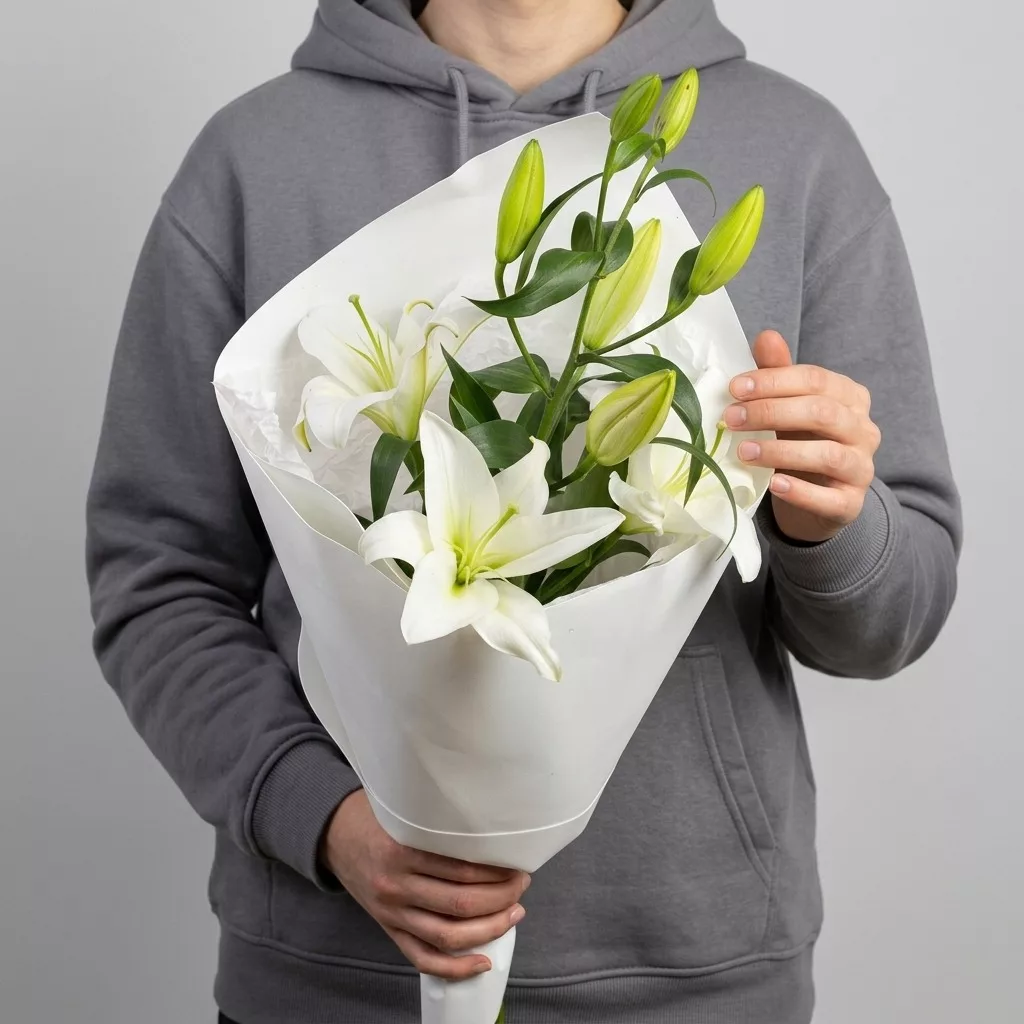
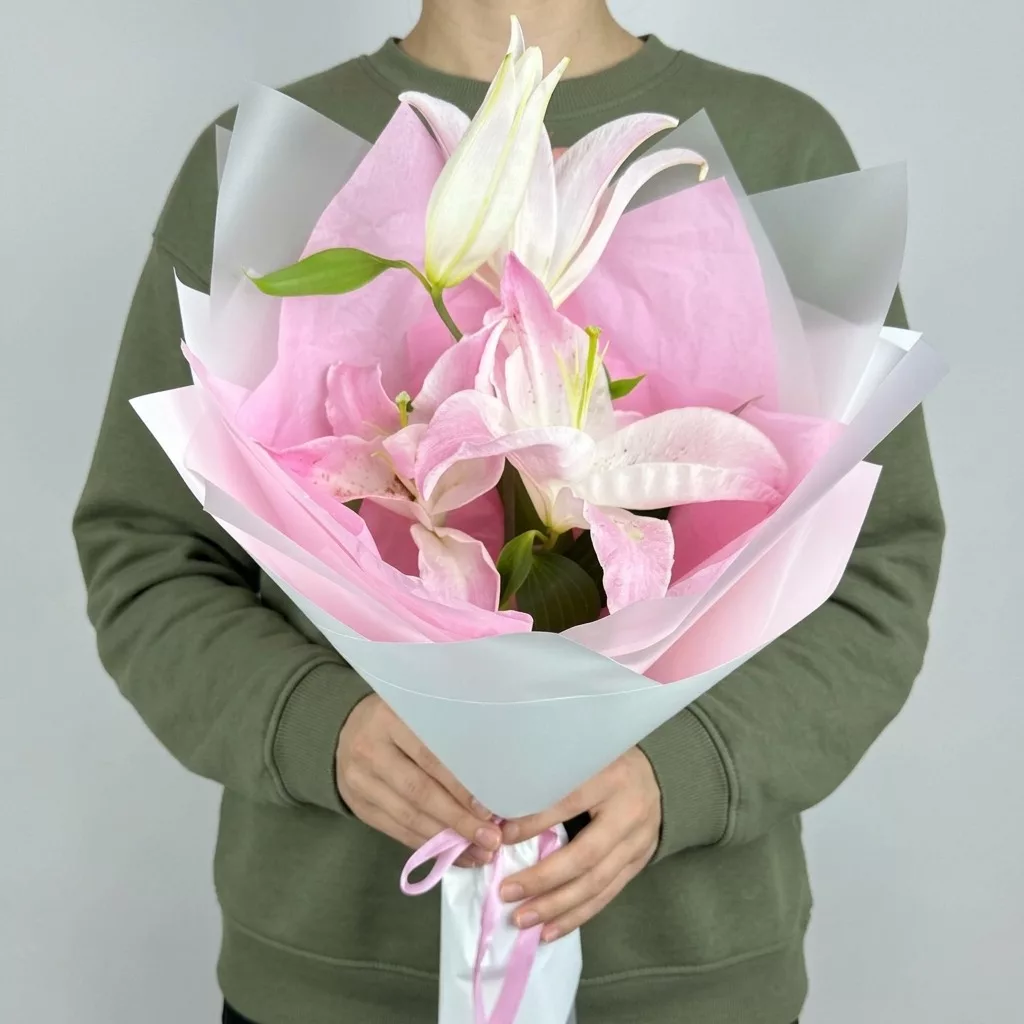
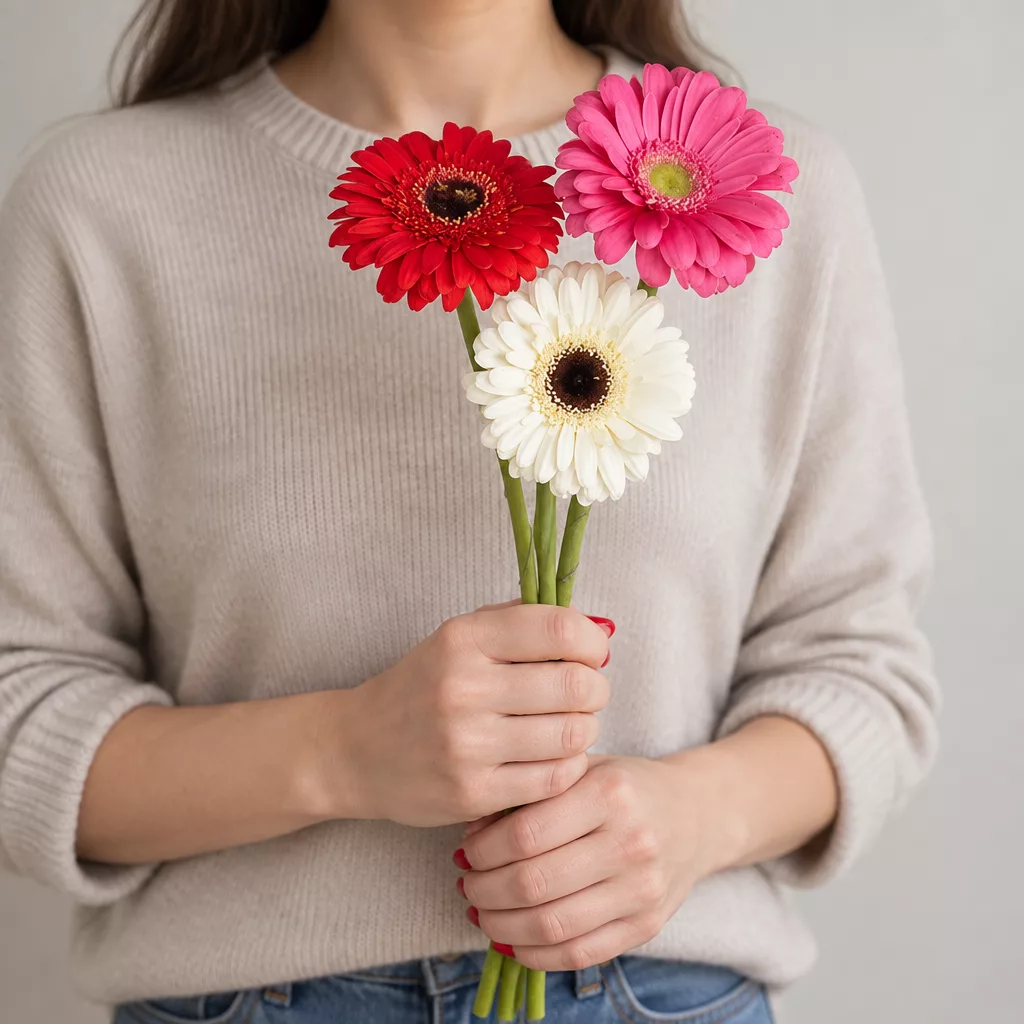
Everyday Bouquets: Cheerful, Affordable, and Perfectly Appropriate
The everyday bouquet category covers arrangements you might send for a birthday, a thank-you, a casual visit, or simply because you want someone to smile. These bouquets typically feature five to nine stems and rely on flowers that are reliably available and hardy in transit: standard spray roses, alstroemeria, solidago, and seasonal fillers like waxflower or pittosporum. Chrysanthemums in their many forms — single-headed and spray varieties alike — are a staple at this level and are genuinely loved in Russia, not considered a lesser choice.
At this price point, presentation still matters enormously to a Russian recipient. Russians are accustomed to thoughtfully wrapped bouquets, and a good florist will use kraft paper, fabric wrap, or a combination of both rather than a bare bundle of stems. The wrapping is part of the gift, and skipping it would feel incomplete to most recipients regardless of their age.
One common mistake foreign senders make is assuming that fewer stems means a less meaningful gift. In Russian culture, the number of flowers carries significance: an odd number is given to the living, and an even number is traditionally reserved for mourning occasions. A bouquet of seven alstroemeria stems in a good wrap is a warm, culturally correct gift. The florist at this level should be selecting stems that are at bud stage rather than fully open, so the recipient gets to watch them bloom over the following four to six days — that extended experience is part of what makes the gift feel generous.
Mid-Range Bouquets: Where Most Thoughtful Senders Land
The mid-range category is where the most interesting creative work happens. At this level, a florist has enough budget to combine two or three flower families into a cohesive arrangement, add meaningful texture, and choose stems with a longer vase life. You will see garden roses — varieties like Quicksand, Cappuccino, or Mondial — appearing here alongside lisianthus, which has a silky, layered look often mistaken for peony at a glance. Eucalyptus and ruscus provide structure and a subtle fragrance that makes unwrapping the bouquet a sensory moment.
Bouquets in this range typically contain eleven to fifteen stems and are assembled with a clear color story in mind. A florist working at this level is making decisions about focal flowers, transition flowers, and filler in the same way a designer thinks about a composition. The recipient in Saint Petersburg or Moscow will notice that care, especially if they receive flowers regularly.
For foreign senders, this is the tier that tends to generate the most positive feedback. It is substantial enough to feel like a serious gesture without requiring the kind of budget that only makes sense for major milestones. It is also the range where customization becomes genuinely possible: if you know the recipient prefers cool tones over warm ones, or has a known favorite flower, a skilled florist can accommodate that within the budget rather than treating it as an upgrade. Delivery timing matters here too — a mid-range bouquet ordered for a morning arrival will look its best if the shop cuts and assembles it within two hours of dispatch, which is exactly the model Turboflora uses.
Premium Bouquets: When the Occasion Demands Something Extraordinary
Premium bouquets in Russia are defined less by size alone and more by the quality of the individual stems and the complexity of the design. At this level, you are looking at large-headed garden roses from Ecuadorian high-altitude farms, where the cooler growing temperatures produce blooms with significantly more petals and a longer natural vase life. Peonies, when in season from late April through June, command premium pricing because they are fragile, short-seasoned, and deeply beloved. Ranunculus and anemones fall into a similar category — delicate, visually stunning, and genuinely difficult to keep in good condition through a delivery chain.
A premium arrangement might contain anywhere from fifteen to thirty or more stems depending on the design concept, but the stem count is secondary to the selection. One well-chosen branch of white lilac in early spring, when it first appears at market, can anchor an entire premium bouquet in a way that ten mediocre roses cannot. This is where florist expertise is most visible: knowing what is at peak quality on a given week, what has just arrived from the grower, and what will still look beautiful forty-eight hours after delivery.
For foreign senders marking a significant occasion — a major anniversary, a graduation, a wedding congratulation — this tier communicates clearly that the sender put real thought and real investment into the gesture. Russian recipients at this level of gift are not just receiving flowers; they are receiving a statement. The packaging at this tier is typically box-based or uses high-quality fabric wrapping with a ribbon finish, which photographs beautifully and often gets shared on social media by the recipient.
Seasonal Swings: When to Expect Higher Prices and Why
Understanding the Russian flower calendar will save you from budget surprises and help you plan smarter. The three most significant demand peaks are February 14 (Valentine's Day, which has been enthusiastically adopted in Russia), February 23 (Defender of the Fatherland Day, when women often give flowers to men), and March 8 (International Women's Day). March 8 is in a category of its own: it is a public holiday, and the expectation that women will receive flowers is nearly universal across generations and social backgrounds. Demand in the week before March 8 is so intense that wholesale markets in both Moscow and Saint Petersburg operate around the clock, and even so, popular varieties sell out.
If you are sending flowers for March 8, the practical advice is to order at least three to four days in advance and to be flexible about the exact variety if you have a specific flower in mind. A florist who is honest with you about availability on March 6 or 7 is doing you a favor, not letting you down.
Beyond the major peaks, there are gentler seasonal rhythms worth knowing. Late autumn and winter are generally the most affordable periods for standard varieties because demand is lower and Dutch auction prices reflect that. Spring brings a surge in tulips — which are strongly associated with March 8 — and summer brings an abundance of locally grown field flowers that offer excellent value and a wonderfully natural aesthetic. Knowing these rhythms lets you send a more beautiful bouquet for the same budget simply by timing your order thoughtfully.
What Delivery Adds to the Price and Why It Is Worth It
One thing that surprises many foreign senders is that flower delivery in Russia, particularly in a city the size of Saint Petersburg, is not a simple last-mile logistics problem. Flowers are perishable cargo that degrades in heat, in direct sunlight, and when jostled without proper support. A delivery operation that treats a bouquet of garden roses the same way it treats a package of books will arrive with bent stems, bruised petals, and a significantly shortened vase life for the recipient.
Turboflora's one-to-two-hour delivery model exists specifically to minimize the window between assembly and arrival. The longer a finished bouquet sits — even in a cool room — the more it declines. A bouquet assembled and delivered within two hours is measurably fresher than one assembled in the morning for an afternoon delivery slot. For premium flowers especially, that difference is visible to the recipient the moment they unwrap the arrangement.
Delivery pricing in Russia typically reflects distance zones within a city, time of day, and whether the order falls on a peak date. Same-day delivery on a normal weekday is standard and expected from a professional shop. Evening delivery, which is popular for surprise gifts, may carry a small surcharge. What you should never do is choose a sender based on a lower delivery fee alone — the cost of a damaged bouquet arriving limp and poorly packaged is paid by the relationship you were trying to strengthen, not by your wallet. The delivery is the final act of the florist's craft, and it deserves the same professionalism as the arrangement itself.
Sending flowers to Russia from abroad is a genuinely meaningful gesture, and understanding the price landscape makes it a confident one rather than an anxious guess. The everyday tier delivers warmth and color. The mid-range tier delivers thoughtfulness and craft. The premium tier delivers a statement that the recipient will remember. Across all three levels, what matters most is that the florist behind the order understands both the flowers and the culture — knows to use an odd number of stems, knows how to keep roses at the right temperature through a Saint Petersburg winter, and knows that the wrapping is not packaging but part of the gift itself. When those elements come together, the distance between the sender and the recipient collapses entirely.
Frequently asked questions
Is it safe to send flowers to Russia from another country using an online shop?
Yes, provided you use a shop that operates its own delivery rather than relying on third parties. Confirm that the shop has a physical presence in the city you are sending to, offers real-time order tracking, and can communicate with you in English. Always check that they list a local phone number and have clear policies on what happens if a delivery cannot be completed.
What flowers should I avoid sending in Russia for cultural reasons?
The main rule to remember is the stem count: always choose an odd number of flowers for a living recipient, as even numbers are traditionally associated with mourning. Yellow flowers were once considered unlucky in Soviet-era culture, though this belief has faded significantly among younger Russians. If you are uncertain, a florist who knows Russian customs will automatically apply the odd-number rule without being asked.
How far in advance should I order flowers for March 8 in Russia?
Order at least three to four days before March 8 to secure your preferred varieties and delivery time slot. The closer you get to the date, the more likely it is that popular flowers like tulips, peonies, and large-headed roses will be sold out or available only in limited colors. Early ordering also gives the florist time to source specific stems if your request is unusual.
Can I specify a delivery time when sending flowers to Saint Petersburg?
Most professional flower shops in Saint Petersburg allow you to choose a delivery window when placing your order. Morning slots before noon are popular for workplace deliveries, while evening slots between six and nine are common for home surprises. Peak dates like March 8 may have limited time slots available, which is another reason to order early rather than waiting until the last moment.
What information do I need to provide to ensure a successful flower delivery in Russia?
You will need the recipient's full name, a precise delivery address including apartment number and entry code if applicable, and a working Russian mobile phone number for the recipient. The courier will typically call ahead before arriving. If the recipient is at a workplace, include the company name and floor. A short message in Russian or English can be included — the shop can usually help with translation if needed.
Ready to send flowers?
Pick the city, choose the bouquet, and a local florist takes it from there.
Choose a city →