Flower Vase Dimensions: Choose the Right Size for Your Bouquet
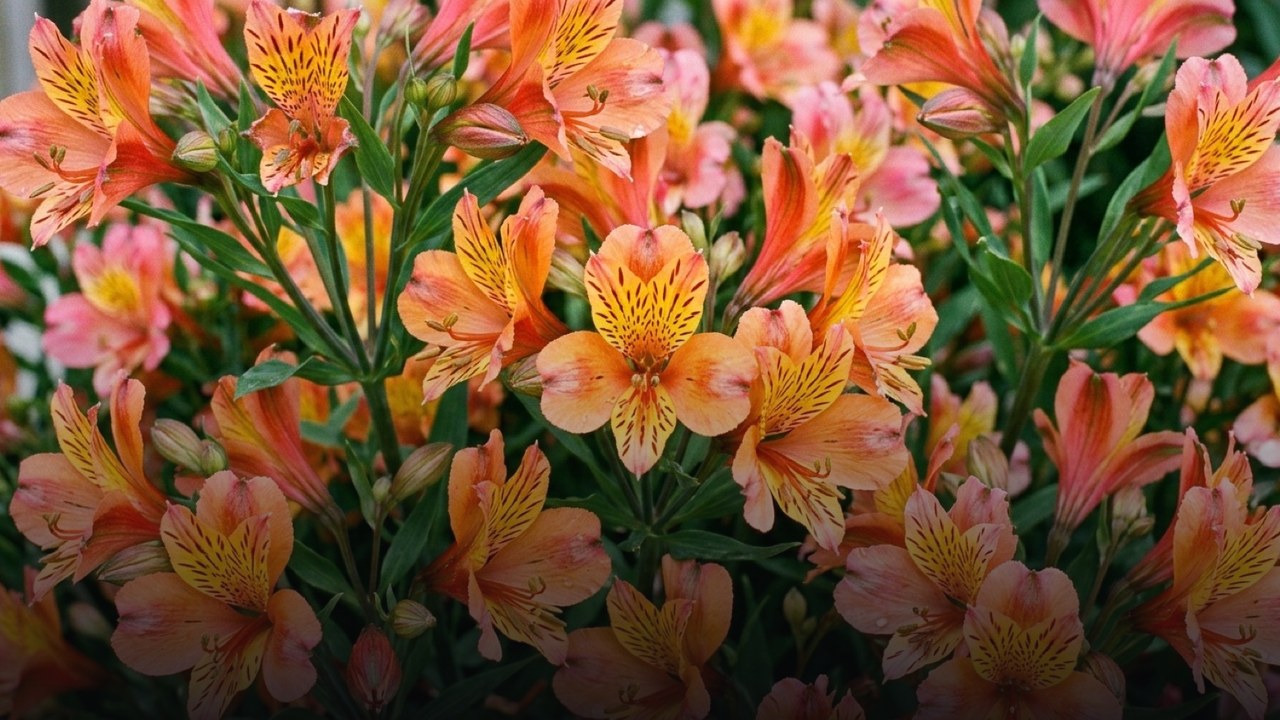
For a medium mixed bouquet, a vase about 20–25 cm tall with an opening 10–15 cm wide is a useful starting point. Choose flower vase dimensions so the vessel supports the stems without squeezing them; as a visual guide, the flowers and stems above the rim can stand roughly one to one-and-a-half times the vase’s height. Adjust that proportion for the weight of the flower heads, the flexibility of the stems and where you will display the arrangement.
Height alone will not tell you whether a vase fits. A tall vessel with a narrow neck can crowd a broad bouquet, while a short, wide bowl may leave long stems leaning outwards. Think about three measurements together: the vase’s height, its opening and its base. If you are sending flowers to someone in Russia, knowing what vase they already have can also help you choose a bouquet that is easy for them to arrange.
Measure the height, opening and base
Measure vase height from the surface it stands on to the top of the rim. For the opening, measure the clear inside width where the stems enter, excluding any thick glass or decorative lip. A product description may give the vessel’s widest outer diameter instead, so check which measurement you are reading. For an oval opening, note both the long and short dimensions.
The neck matters as much as the mouth. A vase may flare out at the rim but narrow sharply a few centimetres below it, leaving less room for stems than you expect. Look down into the vessel and check its narrowest usable point. Stems should enter without force, with enough space for you to lift the flowers out again when changing the water.
Check the base separately, especially for tall arrangements. A broad, substantial base generally gives better support than a small foot beneath a heavy upper section. Place the empty vase on a level surface and check for rocking before filling it. Also inspect the interior: a shallow decorative vessel may look tall outside but offer little depth for water and stems.
Match vase height to the stems you will keep
Base your choice on the finished stem length, after trimming, rather than the length of the wrapped bouquet. With a 20 cm vase, a total arrangement height of about 40–50 cm is a reasonable starting point: roughly 20 cm within the vessel and 20–30 cm above it. Treat this as a styling guide, then shorten or adjust individual stems until the arrangement feels balanced.
For a low table arrangement, try a vessel about 10–15 cm tall and cut the stems to keep the flower heads close to the rim. A medium vase of roughly 20–25 cm suits many everyday mixed bouquets. A taller vessel, perhaps 30 cm or more, can support longer stems, but its opening and base still need to suit the bouquet’s spread and weight.
Test the height before making the final cut. Hold a stem beside the vase with its head at the level you want, then mark the cutting point with your fingers. Cut a little less at first: you can shorten a stem again, but you cannot restore its length. Repeat with the main flowers before adjusting smaller flowers and foliage around them.
Bouquets we can deliver




Choose an opening that supports the bouquet
The opening controls how far the stems spread and how closely the flower heads sit together. A narrow neck gathers a few stems into an upright arrangement; a broader opening lets them angle outwards. For a compact mixed bouquet, an inside opening around 8–12 cm can be useful. A fuller bouquet may need 12–18 cm or more, depending on stem thickness and foliage.
Do not choose the opening by stem count alone. Ten thick stems can occupy more space than twenty slender ones, and branching flowers need room to overlap without being crushed. Lower the prepared bouquet into the vase gently. If stems scrape tightly against each other or the flowers bunch awkwardly at the top, use a wider vessel or divide the arrangement between two vases.
An opening can also be too wide. If the stems slide to opposite sides and leave an empty centre, try a narrower neck or shorten the stems to bring the heads closer to the rim. Avoid solving a poor fit by adding more and more flowers. A suitable vessel should let you position the bouquet without forcing the stems into a crowded bundle.
Adjust the dimensions for different flowers and settings
Large, heavy flower heads need particular attention to balance. Sunflowers and substantial rose arrangements benefit from a stable vessel that supports a useful length of stem. With lilies, allow space between the heads for buds to open. Judge the arrangement’s likely spread as well as its appearance on arrival; tightly grouped buds may occupy more room as they develop.
Tulips can continue to lengthen and curve after arranging, so leave room for their outline to change. A vase that supports more of their stems can help keep the display contained, although some movement is part of their character. Fine branching stems such as statice can fill space around larger flowers, but they still need an opening that allows the lower stems to sit freely.
Match the finished arrangement to its location. On a dining table, sit down and check whether you can comfortably see the person opposite; overall height matters more than vase height alone. On a shelf, allow clearance above and around the flowers. Keep a tall or spreading arrangement away from edges and narrow routes where someone could catch it with a sleeve or bag.
Leave enough room for water and regular care
A vase needs usable water capacity as well as an attractive shape. A very narrow vessel can hold only a small reserve, which means you must check it closely as the flowers drink. Fill according to any care instructions supplied with your flowers or flower food, and make sure the cut ends remain submerged. Do not assume water is still sufficient because the vase feels heavy.
Remove leaves that would sit below the waterline before arranging the stems. Check the water daily, replenish it as needed and change it if it becomes cloudy or develops an odour. When changing the water, rinse the vessel and recut the stem ends with a clean, sharp tool. These steps are easier when the vase opening lets you remove the bouquet without damaging it.
For repeated use, choose a vase you can clean thoroughly inside, including the bottom and shoulders. A narrow decorative neck may look elegant but make residue harder to reach; a suitable bottle brush can help. Our guide to cleaning a vase between bouquets explains the practical steps. Clean the vessel before the next bouquet goes in, even if the previous water looked clear.
Choose flowers for a recipient’s vase in Russia
If you know the recipient’s vase dimensions, use them when browsing our bouquets catalogue. Even an approximate height and opening width can help you assess the fit. For a surprise, you could ask which room they would put flowers in or whether they prefer a compact arrangement. If you do not know their vase size, avoid assuming they have a tall vessel for long stems.
You can contact a manager on WhatsApp for help choosing a bouquet and agreeing the address, timing and card text, or to request a photo of the bouquet before delivery. We deliver across Russia. City delivery costs 500 RUB; for remote districts and suburbs, the operator confirms the delivery price when confirming the order.
In large cities, express delivery is available 1–2 hours after order confirmation. You can also arrange an exact time with a ±30-minute allowance, choose a 09–12, 12–15, 15–18 or 18–21 window, or pre-order 1–30 days ahead. Delivery is anonymous by default, and a card with your text is free. See delivery and payment for details; online checkout uses CloudPayments, so check the payment options displayed there.
Frequently asked questions
What are useful vase dimensions for a medium bouquet?
A vase around 20–25 cm tall with an opening 10–15 cm wide is a useful starting point. Check the actual stem bundle and flower-head weight, since a thick or spreading bouquet may need a wider, more substantial vessel.
How tall should flowers stand above the vase?
As a visual guide, the exposed flowers and stems can stand roughly one to one-and-a-half times the vase’s height above the rim. Shorten that proportion when heavy heads, flexible stems or the display location call for more support.
Does vase diameter mean the opening width?
Not always: a listed diameter may describe the widest part of the vase’s body. Check the inside opening measurement separately, along with any narrower section of neck where the stems must pass.
What should I do if the bouquet will not fit?
Use a wider vase or divide the flowers between two clean vessels rather than pushing the stems through a tight neck. Remove leaves below the waterline and check that each group has enough water and support.
Can I send flowers to Russia without knowing the recipient’s vase size?
Yes; you can ask a manager for help choosing a bouquet and share anything you know about the recipient’s space or preferences. If you later obtain the vase’s height and opening width, those measurements make it easier to judge the fit.
Ready to send flowers?
Pick the city, choose the bouquet, and a local florist takes it from there.
Choose a city →