Flowers for a Russian Colleague Leaving the Company: Farewell Picks
A colleague is moving on — a new city, a new role, a long-awaited career leap — and the team wants to mark the moment properly. In Russian workplaces, handing over flowers at a farewell gathering is not a formality; it is a genuine send-off ritual, and the bouquet carries the mood of the whole room. Getting it right means thinking about who this person is, what they are walking toward, and what the flowers should say when the speech is over.
Why Farewell Flowers Matter in a Russian Workplace
In Russian office culture, flowers appear at almost every significant moment: birthdays, promotions, the first day back after maternity leave, and especially the last day before someone moves on. The farewell bouquet is a collective gesture, usually gathered as a group contribution, and it sits on the departing colleague's desk during the final hours before they hand in their pass. It then travels home with them, a physical reminder that the team cared enough to mark the occasion properly.
This tradition carries real emotional weight. Unlike a card that gets tucked into a drawer, flowers fill the space around a person for the next week or so, extending the warmth of the send-off into the quiet of their first days somewhere new. For colleagues who may not be close friends, flowers bridge the gap between professional courtesy and genuine warmth — they say more than a handshake and less than a personal gift.
For anyone outside Russia observing this custom, the key thing to understand is that the gesture is expected and appreciated across industries, from tech startups in Moscow to manufacturing plants in the Urals. Skipping it can feel abrupt. Getting it right — the right size, the right flowers, the right feeling — leaves a lasting impression on the person leaving and sets a generous tone for the whole team.
Bouquets we can deliver

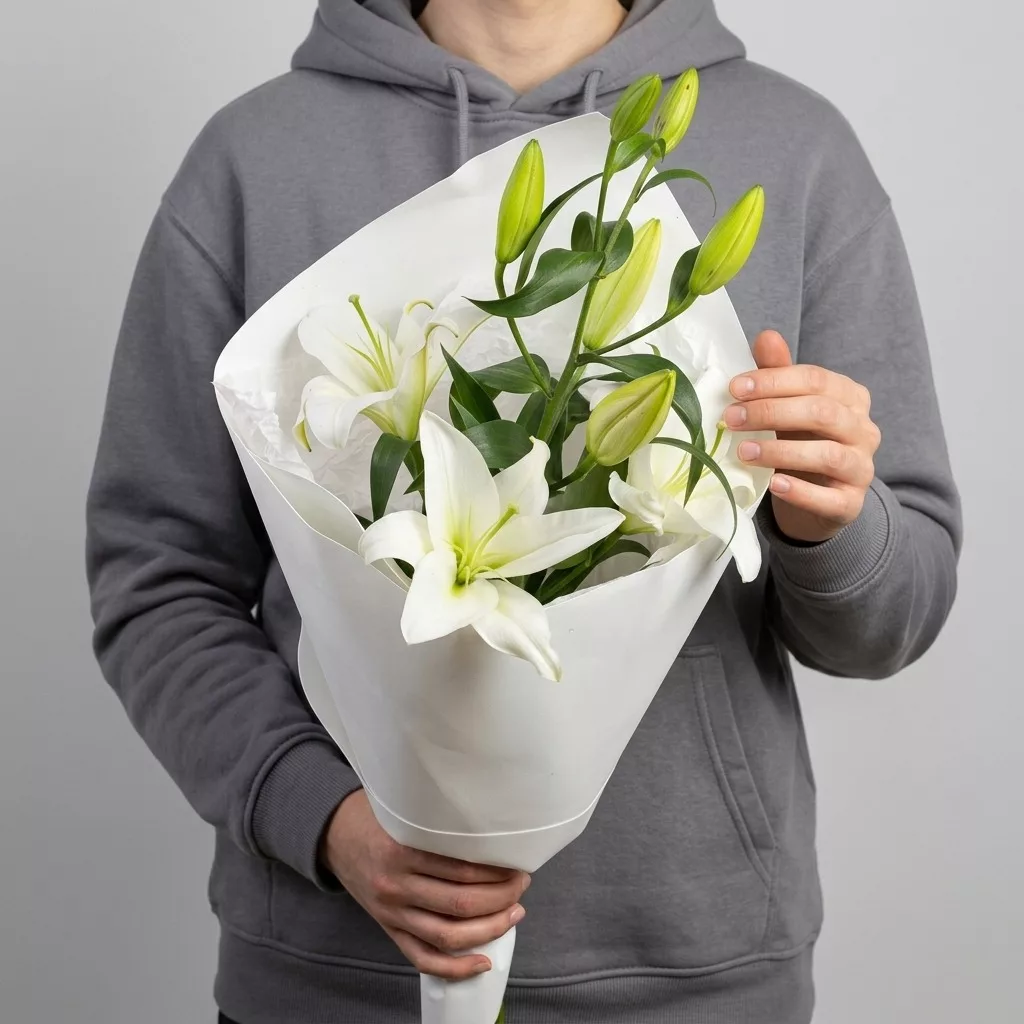
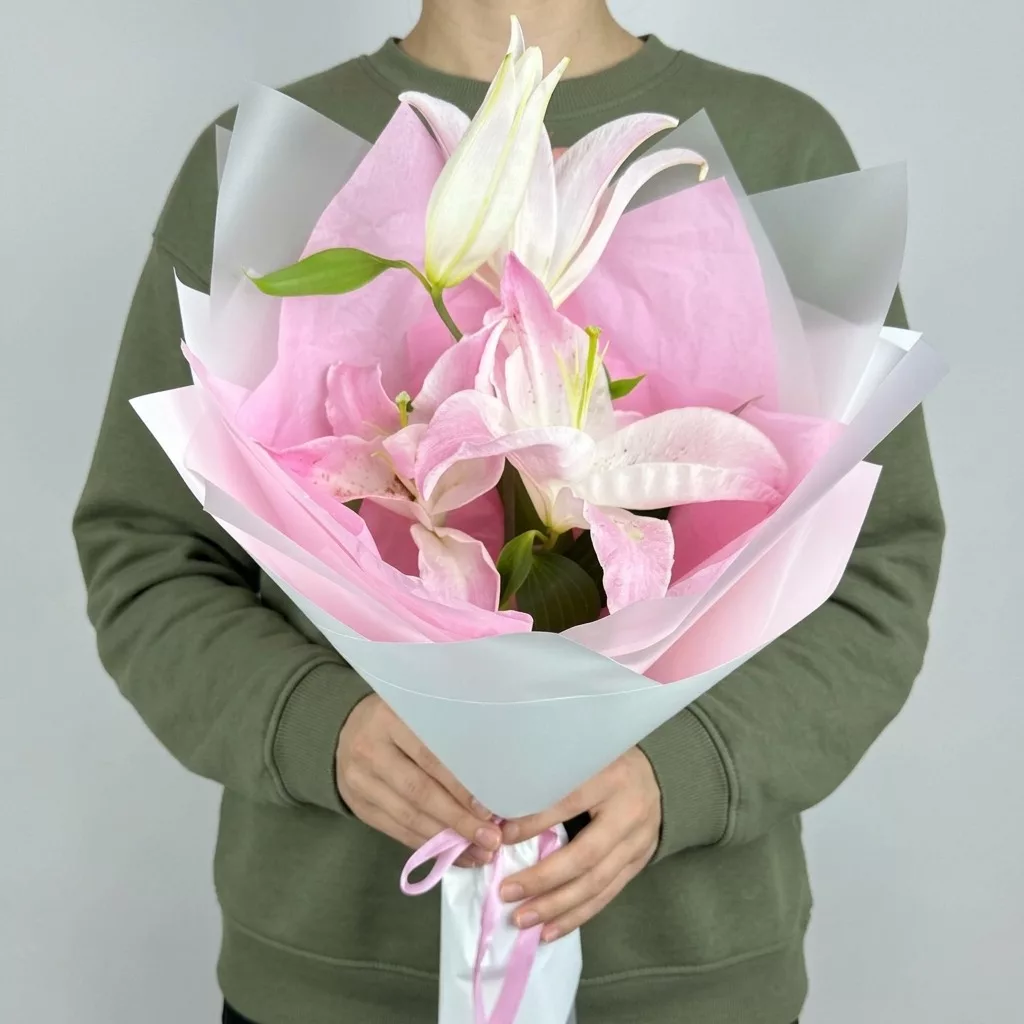
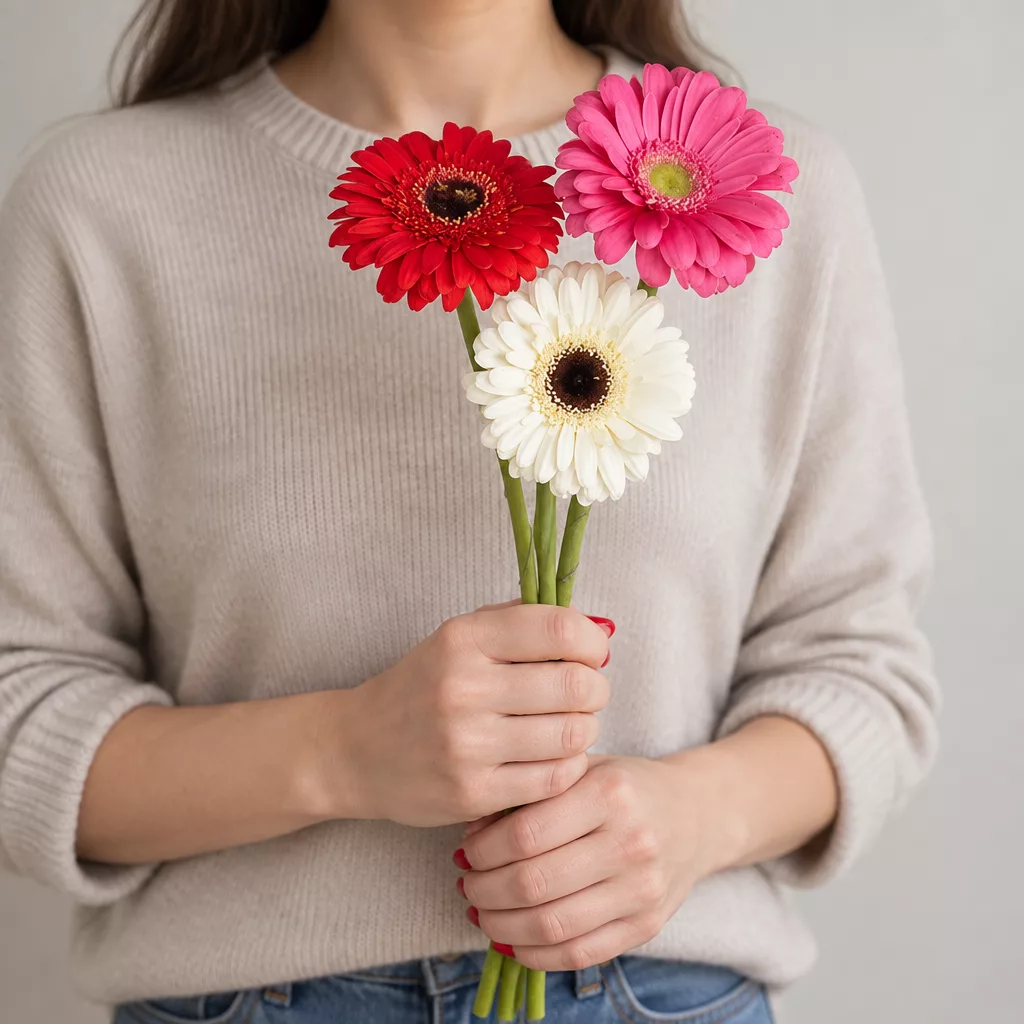
Reading the Person Before You Choose the Flowers
The bouquet should feel like it was chosen for this specific person, not pulled from a generic occasion shelf. Before you think about varieties or colours, think about the colleague: Are they understated and practical, or do they love drama and abundance? Do they have a long commute home on public transport, or will someone drive them? A large sculptural arrangement is a beautiful gesture until the recipient has to carry it through three metro changes in rush hour.
Personality matters enormously here. A colleague who kept succulents on their desk and talked about minimalism will feel more seen with a tight, structured hand-tied bouquet of garden roses and eucalyptus than with a sprawling mixed arrangement. Someone who always brought homemade cake and remembered everyone's birthdays might love something generous and joyful — sunflowers, bright alstroemerias, maybe some lisianthus for softness.
Also consider the destination. If your colleague is leaving for another city, they will be packing and moving within days. Hardy flowers that travel well and last without fussing — chrysanthemums, spray roses, statice — are a kinder choice than delicate sweet peas or open garden peonies that will wilt before the boxes are unpacked. A florist who asks about the recipient's situation is doing their job properly. That conversation shapes everything that follows.
Which Flowers Read as a Send-Off, Not a Sorry
Colour and variety carry meaning in Russian floral tradition, and a farewell bouquet should feel forward-looking and warm, never elegiac. Avoid deep purples and dark burgundies used alone — in combination they can tip toward a heavy mood. White flowers are fine in mixed arrangements but an all-white bouquet can feel clinical. The goal is something that radiates goodwill and optimism.
Yellow and orange tones work beautifully for farewells: sunflowers signal warmth and good energy, orange gerberas are cheerful without being loud, and golden chrysanthemums have a long vase life that means the flowers will still look good a week into the colleague's new chapter. Soft pinks — spray roses, alstroemerias, lisianthus — add tenderness without sentimentality.
Green foliage plays a bigger role in farewell arrangements than people expect. Eucalyptus, ruscus, and pittosporum add body and a fresh, living quality that makes the bouquet feel generous rather than sparse. A hand-tied bouquet with a strong foliage base and clusters of warm-toned flowers at varying heights looks considered and professional — exactly the note a workplace send-off should strike.
If the team wants to add something personal, a small potted plant alongside the bouquet is a lovely touch. A compact kalanchoe or a small succulent arrangement can travel easily and settle into the colleague's new desk or windowsill, keeping the memory of the team alive well past the flowers' vase life.
Farewell Bouquets by Budget: What Each Level Gets You
Farewell flowers in Russian offices are almost always a collective purchase, with team members contributing individually. This pooled approach often means the budget is more generous than a solo gift, which is good news because it opens up options that feel genuinely impressive.
A modest contribution from a small team tends to produce a neat hand-tied bouquet: five to seven stems of spray roses or alstroemerias with eucalyptus, wrapped in kraft paper and ribbon. It is honest, warm, and perfectly appropriate. The key at this level is tight, confident construction — a few excellent stems arranged with intention look far better than a loose bunch of many mediocre ones.
A mid-range budget allows for a proper mixed bouquet with a focal flower. Lisianthus or garden roses at the centre, surrounded by supporting varieties like waxflower, matthiola, and greenery, creates something that photographs beautifully and fills a room. This is the most common farewell bouquet size in larger Russian offices and it hits the right register: generous without being excessive.
A generous budget unlocks statement arrangements — a large mono-bouquet of fifty spray roses, a dramatic mixed hand-tied with seasonal peonies or ranunculus at the centre, or a boxed arrangement that doubles as a table centrepiece during the farewell gathering. At this level, presentation matters as much as the flowers themselves: a structured box or a wide-mouthed vase arrangement signals that the team really thought about this moment.
Timing the Delivery So the Flowers Arrive at the Right Moment
Farewell gatherings in Russian offices tend to happen in the afternoon of the departing colleague's last day — often after lunch, sometimes at the very end of the working day. The flowers need to be there before the gathering begins, not arriving while the speech is already happening. This means ordering with enough lead time for same-day delivery, ideally specifying a delivery window that lands an hour or two before the planned send-off.
Temperature is worth thinking about, especially in Russian winters. Flowers delivered in January or February need protection from the cold during transit: a drop below zero damages petals, blackens the tips of roses, and causes lisianthus buds to fail to open. A professional delivery service will wrap arrangements properly for cold weather, but it is worth confirming this when you order. In summer, heat is the enemy — flowers sitting in a warm car for an hour will arrive wilted. A delivery service that uses temperature-controlled transport or moves quickly solves this.
If the farewell is a surprise gathering, coordinate with someone at the office who can receive the delivery discreetly. Have them keep the bouquet in a cool spot — away from radiators and direct sunlight — until the moment arrives. A quick trim of the stems under running water and a fresh drink will keep the flowers looking their best for the gathering and for the journey home afterward.
Presentation Details That Elevate a Farewell Bouquet
The wrapping and finishing of a farewell bouquet matter more than most people realise. In Russian gifting culture, presentation signals effort and respect. A beautifully wrapped bouquet — layered paper, a satin ribbon, perhaps a small tag with a handwritten note — communicates that the team took time over this. A bouquet that arrives in a plastic sleeve looks like an afterthought, regardless of the flowers inside.
Kraft paper with a contrasting inner layer is a reliable choice: it photographs well, it suits almost any colour palette, and it has a quality feel without being fussy. For a more polished finish, a wide ribbon tied in a clean bow at the stem adds structure. Some teams include a small card tucked into the wrapping — not a printed label but an actual card with a few lines from the group. That detail is remembered long after the flowers have faded.
For arrangements delivered to the office in advance, a water source matters. A hand-tied bouquet in a sleeve will last several hours without water, but if the gathering is late in the day, ask for the arrangement to be delivered in a temporary water tube or specify that the florist conditions the stems well before wrapping. Flowers that arrive already drooping undermine the whole gesture. If the arrangement comes in a vase or box with a water reservoir, this problem disappears entirely — and a vase arrangement has the added advantage of being display-ready the moment it arrives.
Helping the Flowers Last After the Farewell
The bouquet travels home with your colleague, and ideally it keeps looking good for the first week of their new chapter. A few simple steps make a real difference to vase life, and it is worth including a small care card with the arrangement so the recipient knows what to do.
The first step is a fresh cut. Before placing the stems in a vase, the recipient should cut about two centimetres from the base of each stem at an angle, using scissors or a knife rather than tearing. This opens the stem's water channels and allows the flower to drink properly. Stems that have been out of water for even a short time form a seal at the cut end, and this simple step breaks it.
Water temperature matters by variety. Roses and chrysanthemums prefer room-temperature water. Bulb flowers like tulips — less common in farewell bouquets but sometimes included — prefer cool water. Change the water every two days and re-cut the stems each time. Keep the vase away from radiators, direct sunlight, and fruit bowls: ethylene gas from ripening fruit shortens flower life significantly.
With proper care, a well-conditioned chrysanthemum or alstroemeria bouquet can last ten to fourteen days. Spray roses typically give seven to ten days. Lisianthus, one of the loveliest farewell flowers, holds for a week to ten days with good care. These are flowers that keep giving — a quiet, daily reminder of the colleagues who marked the moment properly.
A farewell bouquet is one of the most human things a team can do on someone's last day. It says: we noticed you were here, and we want you to carry something good into whatever comes next. The flowers you choose — their colour, their scale, the care in the wrapping — communicate all of that without a single word. Think about the person first, the occasion second, and the logistics third, and you will get it right every time.
Frequently asked questions
Is it appropriate to give flowers to a male colleague who is leaving?
Absolutely. In Russian workplace culture, farewell flowers are given regardless of gender. For male colleagues, a structured bouquet with strong foliage, neutral tones, or bold single-variety arrangements — such as a mono-bouquet of sunflowers or white chrysanthemums — tends to feel more comfortable than a delicate pastel mix, though personal taste always takes priority.
How far in advance should I order farewell flowers for same-day delivery?
For same-day delivery within the city, ordering two to three hours before the desired arrival window gives the florist enough time to prepare and condition the arrangement properly. If the farewell gathering has a fixed time, specify the delivery window clearly when ordering so the flowers arrive before the event, not during it.
Can the bouquet be delivered directly to the office without the recipient knowing?
Yes. Simply nominate a colleague at the office as the contact person for the delivery. Let the florist know the arrangement is a surprise so the packaging and any card are handled discreetly. Ask the receiving colleague to keep the bouquet in a cool spot away from radiators until the moment of the farewell gathering.
What flowers should I avoid for a farewell bouquet in a Russian context?
Avoid all-white arrangements, which can feel too formal or cold in a workplace setting. Very dark burgundy or deep purple combinations used alone can carry a heavier emotional tone than a send-off calls for. Flowers with very short vase lives — such as fully open peonies in summer heat — are also best avoided if the colleague has a long journey home.
Is an odd or even number of flowers important for a farewell bouquet?
In Russian tradition, even numbers of flowers are associated with mourning, so bouquets for living recipients are traditionally given in odd numbers. This applies to farewell bouquets as well. When ordering, mention this preference to your florist — most will follow this convention automatically, but confirming it avoids any unintended misstep.
Ready to send flowers?
Pick the city, choose the bouquet, and a local florist takes it from there.
Choose a city →