Flowers for a Russian Aunt or Uncle: When and What to Send
Extended family gifting sits in a curious blind spot. You know flowers are right for a parent or a spouse, but an aunt or uncle? The relationship is warm, the occasion real, yet somehow the gesture feels less mapped out. In Russian culture, aunts and uncles occupy a genuinely honoured place in family life, and flowers land with more meaning there than many senders expect. This guide walks you through the occasions that call for a bouquet, what to put in it, and how to make the delivery feel considered rather than obligatory.
Why Extended Family Gifting Matters More in Russian Culture
In Russia, the extended family functions as a close unit in a way that can surprise people from cultures where nuclear family boundaries are more rigid. An aunt or uncle often plays the role of a second parent, a confidant, or the person who shows up with food and advice when things get complicated. That closeness is reflected in how celebrations work: family gatherings for birthdays, name days, anniversaries, and public holidays almost always include aunts and uncles as central guests, not peripheral ones.
Flowers are one of the primary ways Russians mark these moments. Arriving at a celebration empty-handed is considered awkward, and while chocolates or wine are acceptable additions, flowers remain the gesture that signals real warmth. For an aunt or uncle specifically, a bouquet communicates that you see them as an important person in your life, not just a relative you tolerate at New Year.
If you live in another city or abroad and cannot attend in person, sending flowers by delivery carries almost the same emotional weight as bringing them yourself. The act of arranging a delivery shows forethought, and in Russian family culture, forethought is respected. A bouquet that arrives on the morning of a birthday, before the phone calls begin, sets a tone for the whole day. That is the kind of impression worth planning for, and it is entirely achievable when you understand which occasions genuinely call for flowers and which ones do not.
Bouquets we can deliver


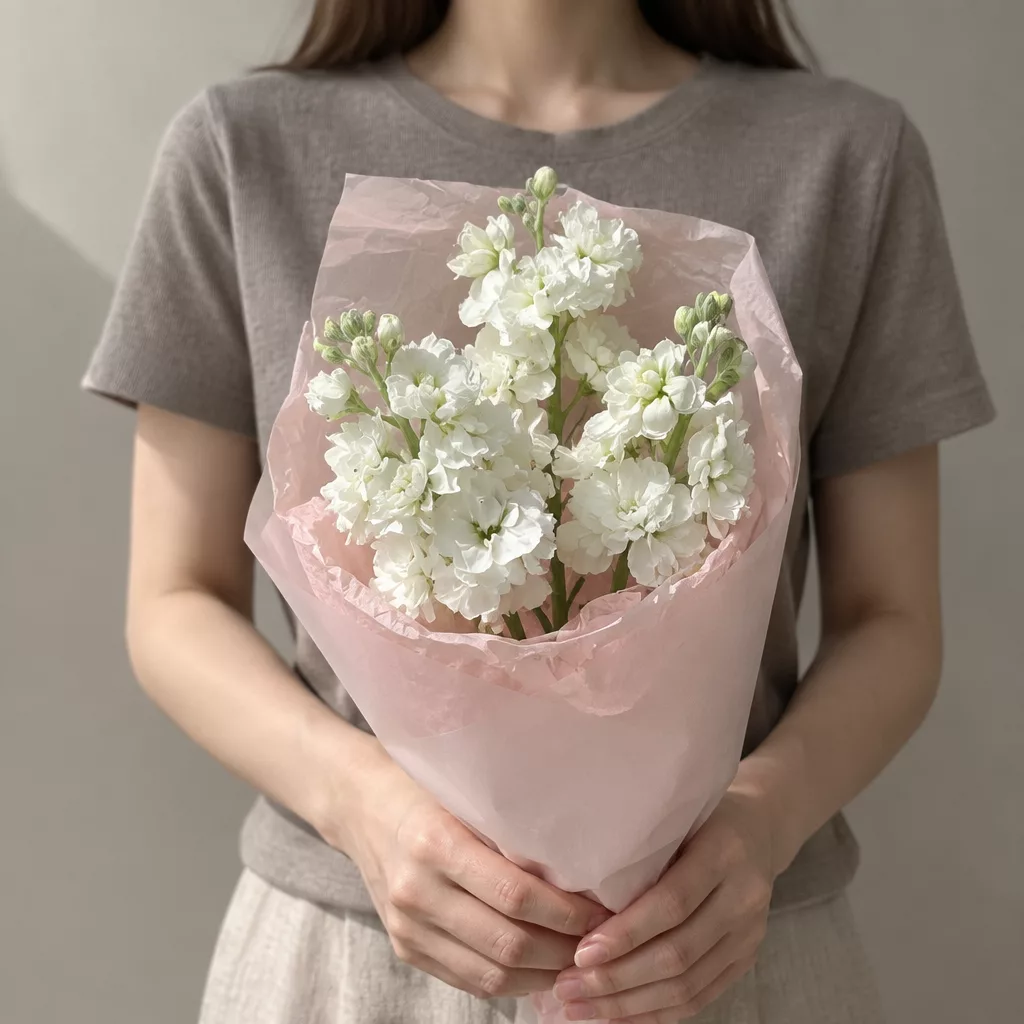
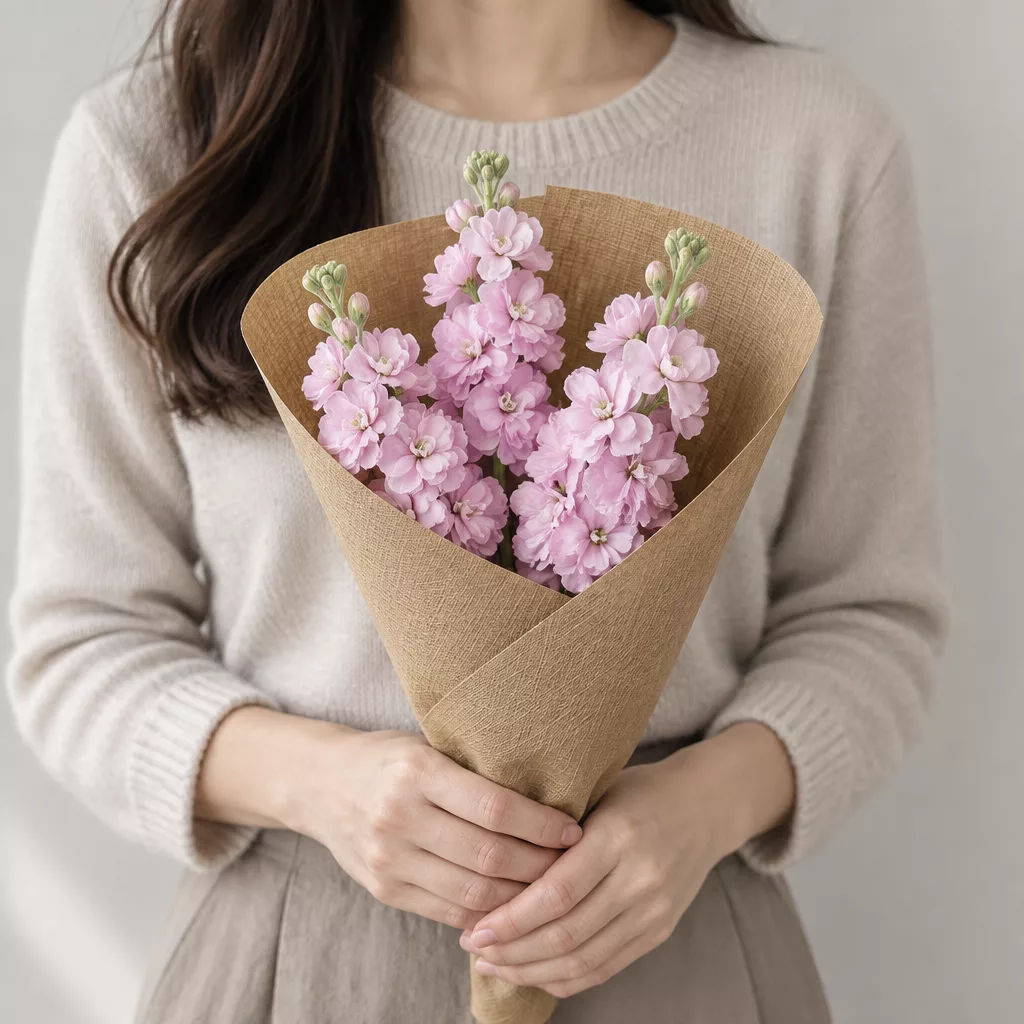
The Occasions That Actually Call for Flowers
Birthdays are the clearest occasion, and in Russia they are taken seriously at every age. Unlike in some Western traditions where milestone birthdays get the big treatment and others are low-key, Russians tend to celebrate every birthday with genuine effort. Your aunt turning fifty-three deserves the same attention as her sixtieth. The same applies to uncles, though men in Russia are slightly less accustomed to receiving flowers, which makes the gesture more memorable rather than less appropriate.
International Women's Day on the eighth of March is arguably the most flower-heavy day in the Russian calendar. Every woman receives flowers on this date, from schoolteachers to grandmothers. Sending your aunt a bouquet on the eighth of March is not optional if you want to maintain warm relations — it is simply expected, and a missed year is noticed. Men do not traditionally receive flowers on the twenty-third of February, the male equivalent holiday, so skip that one for your uncle.
Name days are observed by some Russian families and largely ignored by others, so check before you send. If your aunt or uncle is religious and their family marks name days, a small bouquet on that date will be received with genuine surprise and pleasure precisely because so few people remember. Retirement is another strong occasion — it is a major life transition in Russian culture and flowers mark it with the seriousness it deserves. Housewarming, recovery from illness, and significant professional achievements also justify a delivery.
Reading the Relationship Before You Choose the Flowers
The flowers you send should reflect what you know about the person, not just the occasion. An aunt who keeps an immaculate home with crystal vases and cut flowers on the table every week has clear aesthetic standards. She will notice if you send something generic. For her, a structured arrangement of garden roses in a single colour palette, perhaps blush pink with dusty miller and eucalyptus, signals that you paid attention. A mixed bouquet of whatever was available will feel like an afterthought.
An uncle who is practical and slightly uncomfortable with sentiment will still appreciate flowers if they are presented without fuss. A clean, compact arrangement of white or yellow chrysanthemums, which are sturdy, long-lasting, and associated with cheerfulness in Russia rather than mourning as in some other cultures, works well. Avoid anything that looks overly romantic or elaborate. The goal is warmth without theatre.
An aunt who loves her dacha and garden responds beautifully to flowers that echo outdoor growing: sunflowers, lisianthus, alstroemeria, or seasonal peonies in late spring and early summer. These feel less like a formal florist arrangement and more like something gathered with care. If you know she grows dahlias herself, sending a bouquet built around dahlias in late summer shows a level of attention that will genuinely touch her. The relationship is the brief you give yourself before you choose a single stem.
Choosing by Occasion and Budget Without Getting It Wrong
For a birthday, the bouquet should feel generous rather than token. A single variety in a substantial quantity — fifteen to twenty-five stems of spray roses, ranunculus, or alstroemeria — often reads as more intentional than a small mixed bunch. Monochromatic arrangements photograph well and feel modern, which matters if your aunt or uncle will share the moment on social media or show it to guests. Warm tones like peach, coral, and amber work across age groups and do not skew too young or too old.
For the eighth of March, tulips are the traditional choice and they remain deeply associated with the occasion. Yellow and white tulips are the most classic, but soft lilac and cream combinations have become popular in recent years. Tulips in March are at their seasonal best in terms of quality, so you get good value and reliable freshness. Supplement them with muscari or hyacinth for fragrance if the arrangement allows.
For retirement or a significant milestone, scale up. This is a moment that deserves a statement piece: a large arrangement of garden roses or a mixed seasonal bouquet with peonies, ranunculus, and foliage. Adding a plant — a phalaenopsis orchid or a potted kalanchoe — alongside cut flowers gives the recipient something lasting after the bouquet fades. For recovery from illness, keep the fragrance light. Heavily scented flowers like lilies can be overwhelming in a confined space. Gerbera, alstroemeria, or soft-toned roses are better choices that feel cheerful without being overpowering.
Colours and Numbers: the Russian Customs Worth Knowing
The most important rule for anyone unfamiliar with Russian flower customs is the odd number rule. Bouquets in Russia are always given in odd numbers: one, three, five, seven, eleven, and so on. Even numbers of flowers are reserved for funerals, and arriving with an even-numbered bouquet at a celebration is a genuine faux pas that will be noticed even if nothing is said. Reputable florists building bouquets for the Russian market follow this convention automatically, but if you are specifying a custom order, confirm the count.
Colour carries meaning, though it is less rigid than the number rule. Red roses signal romantic love and are therefore slightly awkward for an aunt or uncle unless the relationship is very playful and the gesture is clearly tongue-in-cheek. Deep red is fine in mixed arrangements. Yellow flowers, contrary to superstition in some other cultures, are entirely positive in Russia and are associated with warmth and sunshine. White flowers are elegant and appropriate for any occasion. Avoid all-white arrangements for celebrations only if you are concerned about very traditional recipients who associate white with formality or solemnity.
Pink in all its shades is universally safe and widely loved. Lilac and purple work beautifully for women of any age. Orange and coral read as energetic and modern. For an uncle, stay with white, yellow, cream, or mixed arrangements that feel fresh rather than floral in the decorative sense. The goal with colour is to match the personality and the mood of the occasion, not to follow a rigid chart.
Getting the Delivery Timing and Presentation Right
Timing a delivery well is half the gift. For a birthday, aim for morning delivery so the flowers are present when guests arrive and when photographs are taken. A bouquet that appears at eleven in the morning becomes part of the celebration. One that arrives at eight in the evening, after the guests have left, feels like an afterthought regardless of how beautiful it is. If the birthday falls on a weekday and your aunt or uncle works, consider whether a home delivery in the morning or an afternoon delivery after work makes more sense.
For the eighth of March, order well in advance. This is the single busiest flower delivery day in Russia, and same-day availability for premium varieties narrows significantly by midday. Placing your order the evening before or earlier in the week guarantees the stems you want. Tulips and roses on this date are often pre-ordered in bulk, and late requests may result in substitutions.
Presentation matters more than many senders realise. Flowers delivered in quality wrapping, with a handwritten card rather than a printed slip, feel personal. Keep the message on the card short and warm — two or three sentences in the language your aunt or uncle is most comfortable reading. If they speak Russian and you are writing in English, consider adding a line in Russian even if it is simple. The effort of that small gesture is visible and appreciated. Flowers arrive with a temperature history: in winter, they should be protected from the cold during the final delivery stage, as frozen stems damage irreversibly within minutes of exposure.
Helping the Flowers Last: What to Tell the Recipient
Russian apartments are often warm, which is wonderful for living in but hard on cut flowers. Central heating runs from October through April and keeps indoor temperatures high. This is the main reason bouquets in Russian homes sometimes fade faster than expected. When you send flowers, including a brief care note with the delivery is a thoughtful addition that extends the life of your gift.
The basics matter enormously. Stems should be cut at an angle with a clean knife, not scissors, and placed immediately in fresh water. The vase should be clean — residual bacteria from a previous arrangement will shorten vase life significantly. Strip any leaves that fall below the waterline because submerged foliage rots quickly and clouds the water. Change the water every two days, and re-cut the stems by one to two centimetres each time.
Keep the arrangement away from direct sunlight, radiators, and fruit bowls. Ripening fruit releases ethylene gas, which accelerates flower aging. This is a detail most people do not know, and it genuinely makes a difference. In a warm Russian apartment, placing flowers near an exterior window where temperatures are cooler at night can add two to three days of vase life.
Different varieties have different lifespans. Chrysanthemums and alstroemeria are among the longest-lasting cut flowers, often holding well for ten to fourteen days with proper care. Tulips and ranunculus are shorter-lived but no less beautiful. Roses sit in the middle range, typically lasting seven to ten days. Knowing this helps your aunt or uncle set expectations and enjoy the flowers fully rather than feeling disappointed when the more delicate varieties fade first.
Sending flowers to a Russian aunt or uncle is one of those gestures that costs relatively little effort but lands with real warmth when it is done thoughtfully. The occasions are there — birthdays, the eighth of March, retirement, milestones — and the cultural weight behind a well-chosen bouquet is genuine. Pay attention to the person, follow the odd-number rule, match the colour to the relationship, and get the timing right. That combination turns a flower delivery into a memory rather than a transaction.
Frequently asked questions
Is it appropriate to send flowers to a male uncle in Russia?
Yes, though it is less common than gifting flowers to women, which makes the gesture more memorable. Keep the arrangement clean and unfussy — white, yellow, or mixed arrangements with strong foliage work well. Avoid anything that reads as romantic. A well-chosen bouquet for an uncle will genuinely stand out because so few people think to send one.
What flowers should I avoid sending to a Russian aunt or uncle?
Avoid even numbers of stems — this is the most important rule. Heavily scented lilies are a poor choice if the recipient is elderly or recovering from illness. All-red roses carry romantic connotations and can feel awkward in a family context. Beyond these points, most flowers are appropriate as long as the arrangement looks intentional rather than assembled without thought.
How far in advance should I order for the eighth of March?
Order at least two to three days before the eighth of March if you want specific varieties like tulips or roses. This is the highest-demand flower day in Russia and availability for premium stems narrows quickly. Placing your order early guarantees both the flowers you want and a delivery window that gets the bouquet there on the morning of the holiday.
Can I send flowers to a Russian city I have never been to?
Yes. Turboflora delivers fresh flowers across Russia within one to two hours, so the distance between you and your aunt or uncle does not affect the quality or timing of the arrangement. You choose the bouquet and the delivery time online, and the flowers arrive fresh at their door. A delivery note with a personal message travels with every order.
What is a name day and should I send flowers for it?
A name day is the feast day of the saint whose name a person shares. Some Russian families observe it warmly, others not at all. If you know your aunt or uncle's family is religious and marks the occasion, a small bouquet is a lovely and often unexpected gesture. If you are unsure, ask a family member before ordering — sending flowers for a day the recipient does not observe is harmless but loses its impact.
Ready to send flowers?
Pick the city, choose the bouquet, and a local florist takes it from there.
Choose a city →