Flowers for a Russian Colleague: What Is Appropriate and What to Avoid
Sending flowers to a colleague in Russia is a genuinely warm gesture, but the choices you make — the flower type, the colour, the number of stems, even the timing — carry meaning that most outsiders never think about. Get it right and you reinforce respect and goodwill. Get it slightly wrong and the bouquet can feel too intimate, too cold, or simply odd. This guide walks you through the unwritten rules of Russian office flower culture so that your gift lands exactly as you intend it.
Why Flowers Matter More in Russian Professional Life Than You Might Expect
In many Western workplaces, flowers are reserved for birthdays and farewells. In Russia, they appear far more often: on professional holidays such as February 23rd for men and March 8th for women, on a colleague's name day, at the start of an important meeting, or simply to mark a job well done. The gesture is taken seriously. A bouquet is not a throwaway formality — it signals that you noticed the person and made a deliberate effort.
This matters especially when you are a foreign contact or a client doing business in Russia. Arriving at a meeting with a small, tasteful arrangement communicates cultural awareness. It says you understand that relationships come before transactions. Russian professional culture places considerable weight on personal warmth expressed through concrete gestures, and flowers are one of the most readable of those gestures.
At the same time, the office setting imposes real constraints. A bouquet that works perfectly at a birthday dinner can feel out of place on a desk in an open-plan office. The scale, the scent, and the symbolism all need to be calibrated for a shared professional space. Understanding this balance is the first step to choosing well.
Bouquets we can deliver

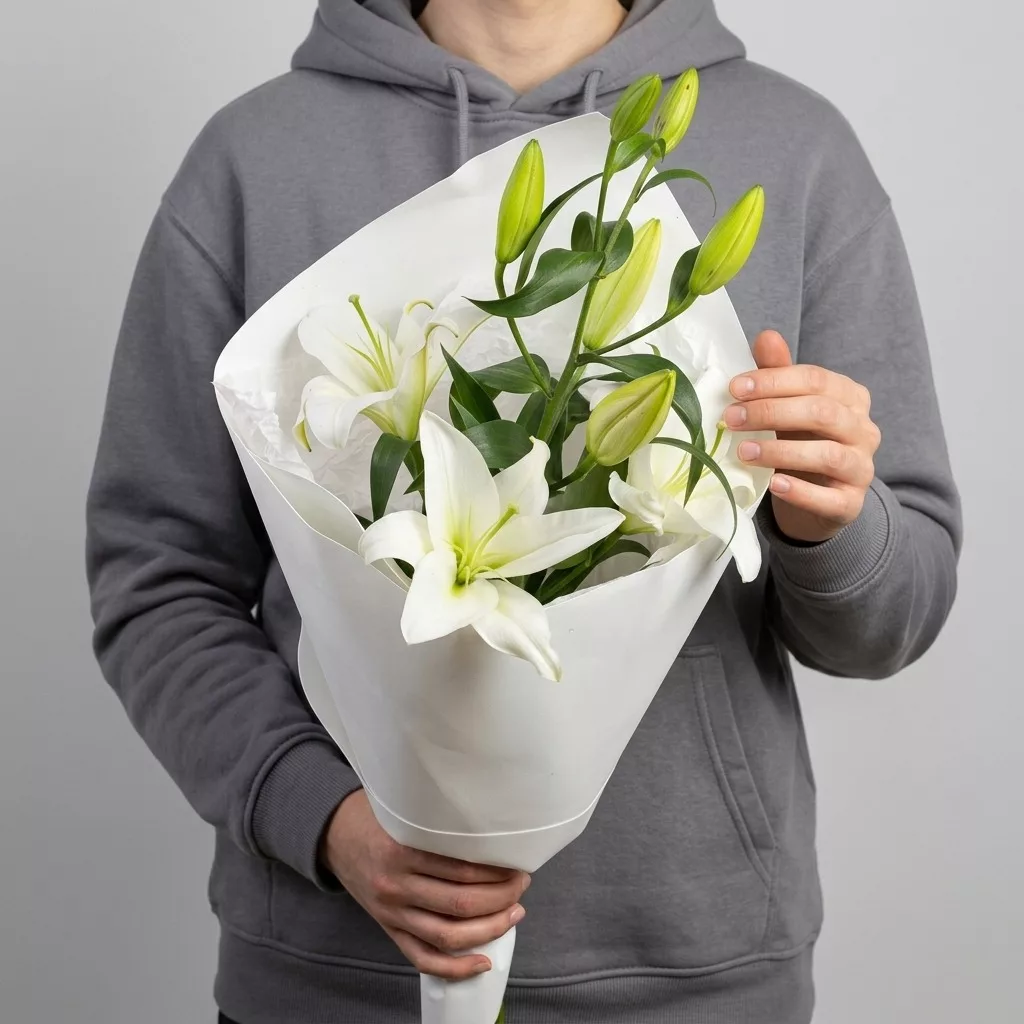
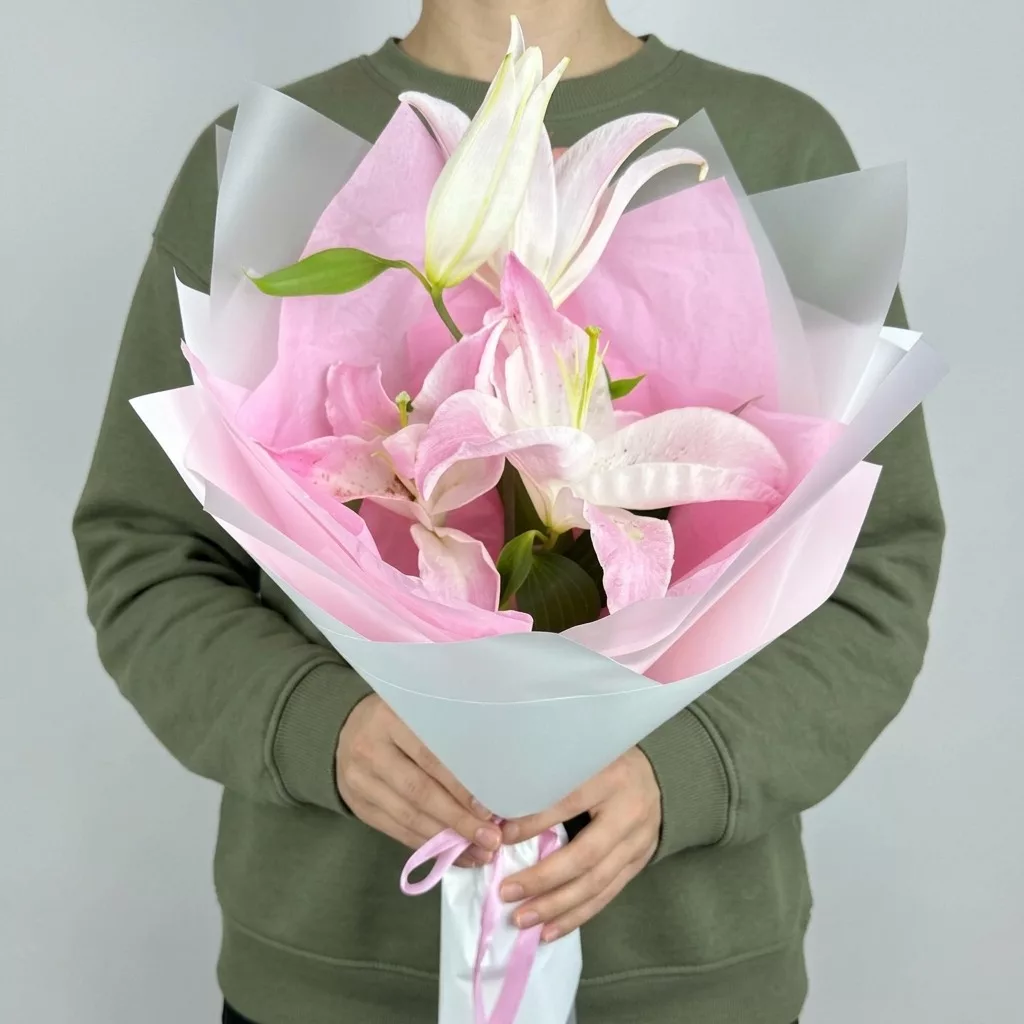

The Number Rule: Why Odd Stems Are Not Just Tradition
One rule above all others: always send an odd number of stems to a living recipient. In Russia, even numbers of flowers are associated with mourning and are placed at graves. Sending twelve roses to a colleague, however generous the intention, creates an uncomfortable association that most Russians will immediately notice even if they say nothing. Five, seven, nine, eleven — these are the numbers that belong to celebration and goodwill.
This applies whether you are sending a single variety or a mixed bouquet. If a florist is composing an arrangement, ask them to confirm the stem count before it goes out. It sounds like a small detail, but in a professional context where you want to make a careful impression, it is exactly the kind of detail that distinguishes a thoughtful sender from a careless one.
For a desk bouquet, seven to nine stems is a practical sweet spot. It is substantial enough to feel generous without overwhelming a workspace. Eleven stems reads as a more significant gesture — appropriate for a senior colleague or a milestone occasion. Three or five stems suits a quick congratulatory note or a thank-you for a small favour. The number quietly signals the weight you are giving the moment, so let it do that work intentionally.
Choosing Flowers That Respect the Office Environment
Scent is the first practical consideration in any shared workspace. Strongly fragrant flowers — Oriental lilies, hyacinths, tuberose — can trigger headaches or allergic reactions when placed in a closed office. Colleagues sitting nearby for eight hours have no choice but to share the air. Opt instead for varieties with little or no fragrance: spray roses, lisianthus, alstroemeria, chrysanthemums, and standard roses are all excellent choices that look beautiful without filling a room.
Colour carries its own professional language. White and cream signal respect and are safe across almost every hierarchy level. Soft pinks and peaches read as warm but not romantic. Yellow is cheerful and modern — it has shed most of its old negative associations in urban Russia, particularly among younger professionals. Red deserves careful thought: a single red rose or a full red bouquet carries romantic weight in Russian culture and can create awkwardness between colleagues unless you know each other very well.
For a mixed bouquet, a combination of white lisianthus, pale spray roses, and eucalyptus foliage is clean, professional, and genuinely attractive on a desk. Alstroemeria mixed with solidago and a few stems of green hypericum berries gives colour without ostentation. Avoid very exotic or theatrical arrangements — a cascading orchid installation is memorable, but it belongs at a gala, not a Tuesday morning in a shared office.
Navigating Hierarchy: Who Sends What to Whom
Russian professional culture maintains a clear sense of hierarchy, and flower-giving reflects it. Sending an elaborate bouquet upward — from a junior employee to a director — can be read as overly familiar or even as an attempt to curry favour. A modest, tasteful arrangement is always safer when the recipient outranks you. Let the quality of the flowers speak rather than the scale of the display.
When a senior colleague or manager sends flowers downward to acknowledge good work, a more generous bouquet is entirely appropriate and will be received with genuine pleasure. It reads as recognition rather than familiarity. In this direction, a bouquet of nine or eleven stems with a considered mix of colours feels proportionate and warm.
Between peers, you have the most freedom. A bouquet of seven spray roses in a soft colour, or a mixed seasonal arrangement, works well for birthdays, congratulations on a project completion, or a welcome-back gesture after a long absence. If you are sending to a colleague you do not know personally — a contact at a client company, for example — keep the arrangement compact, the colours neutral, and the accompanying note professional in tone. The flowers open the door; the note explains why you knocked.
Timing the Delivery So It Arrives at the Right Moment
Delivery timing in an office context matters more than most people realise. A bouquet that arrives during a morning meeting sits unattended at reception, wilts slightly under lobby lighting, and loses some of its freshness before the recipient even sees it. Where possible, schedule delivery for mid-morning, after people have settled at their desks but before the midday rush of calls and meetings.
For significant professional occasions — March 8th, a colleague's jubilee, the first day in a new role — same-day delivery is not just convenient, it is expected. The gesture only carries its full weight when it arrives on the day itself. A bouquet delivered the day after International Women's Day is a missed moment, however beautiful the flowers.
Temperature matters during transit, especially in Saint Petersburg's winters when outdoor temperatures can drop well below freezing. Roses and lisianthus are sensitive to cold shock, which causes petals to bruise and darken at the edges. A good delivery operation wraps bouquets carefully and moves quickly between vehicle and door. When flowers arrive in good condition — petals firm, stems straight, water in the packaging still cool — the recipient sees immediately that care was taken from the moment of ordering to the moment of arrival. That care is part of the gift.
Helping Your Colleague Keep the Flowers Fresh at Their Desk
Office flowers face harder conditions than flowers at home. Air conditioning and central heating both dry out stems faster than normal room humidity. A desk vase is usually small, which means the water level drops quickly and needs topping up. Sharing a simple care note with your bouquet — or including one with the delivery — is a thoughtful touch that extends the life of your gift.
The basics: cut about two centimetres off the stems at a diagonal angle before placing them in water, remove any leaves that would sit below the waterline, and change the water every two days. Roses and spray roses typically last seven to ten days with basic care. Alstroemeria and lisianthus are even more resilient and can hold for ten to fourteen days in a cool office. Chrysanthemums are among the longest-lasting of all — a practical choice when you want the gesture to remain visible for a full working week.
Advise the recipient to keep the vase away from direct sunlight through the window and away from the air conditioning vent, both of which accelerate wilting. A spot on the desk that gets indirect light is ideal. If the office is very warm and dry, a light mist of water over the petals each morning makes a noticeable difference. These small acts of care turn a one-day gesture into something that brightens the workspace for the better part of two weeks.
Sending flowers to a Russian colleague is less complicated than it first appears once you understand the two or three principles that matter most: odd numbers, restrained fragrance, and a scale that matches the relationship rather than exceeds it. The varieties are flexible, the colours are mostly forgiving, and the gesture itself — considered and timely — does most of the communicating. When the bouquet arrives fresh, well-composed, and on the right day, it reflects well on you in a way that an email or a gift card simply cannot match.
Frequently asked questions
Is it appropriate to send flowers to a male colleague in Russia?
Yes, particularly on February 23rd, known as Defender of the Fatherland Day, when flowers for men are entirely normal. For other occasions, a small potted plant or a single-variety bouquet of neutral colours works well and avoids any ambiguity. Chrysanthemums and alstroemeria read as professional rather than romantic when sent to a male recipient.
Can I send a bouquet directly to a colleague's office without telling them in advance?
Absolutely — surprise delivery is common and appreciated. Make sure you provide the full office address including floor or department, and a recipient phone number so the courier can confirm arrival. If the building has restricted access, a brief heads-up to reception helps the bouquet reach the right desk without delay.
What colours should I avoid when sending flowers to a professional contact in Russia?
Deep red in large quantities can read as romantic rather than professional, so use it sparingly or avoid it for new contacts. Yellow has become widely accepted in modern Russian cities, but if you are unsure of the recipient's generation or preferences, white, cream, and soft pink are universally safe and elegant choices for any office occasion.
Is there a minimum bouquet size that feels appropriate for an office gift?
Five stems is a reasonable minimum for a professional gesture — enough to look intentional rather than token. Seven stems is more comfortable for most occasions and fits easily in a standard office vase. Going above eleven stems can feel excessive in a shared workspace, so save larger arrangements for significant milestones like a promotion or a major project completion.
How far in advance should I order flowers for March 8th delivery to an office?
Order at least the day before, ideally two days ahead. March 8th is the busiest single day in the Russian flower calendar and offices receive many deliveries simultaneously. Ordering early gives you better choice of varieties and ensures your bouquet is scheduled for a specific delivery window rather than competing with peak-hour demand.
Ready to send flowers?
Pick the city, choose the bouquet, and a local florist takes it from there.
Choose a city →