Flowers for a Russian Doctor or Nurse: Appreciation Bouquets Explained
In Russia, handing a bouquet to a doctor or nurse is one of the most natural gestures of gratitude imaginable. It happens after a successful surgery, at the end of a long hospital stay, on the day a patient is discharged, or simply on a Tuesday when someone wants to say thank you properly. If you did not grow up with this tradition, it can feel unfamiliar — but once you understand the feeling behind it, choosing the right flowers becomes straightforward and genuinely moving.
Why Russians Give Flowers to Medical Staff
The tradition runs deep and has nothing to do with obligation or formality. In Soviet times, when material gifts were complicated to source and cash felt inappropriate, flowers were the one universally acceptable way to express sincere gratitude. A bouquet said: you did something that mattered, and I want you to know it. That meaning has not faded. Today, doctors and nurses in Russia still receive flowers regularly — after deliveries, after operations, after months of treatment. Walk through any major hospital in Saint Petersburg on a weekday and you will see bouquets at nursing stations, on windowsills, and tucked beside monitors. The gesture is not seen as a bribe or an awkward gesture. It is understood immediately as warmth. For someone sending from abroad or unfamiliar with Russian culture, this matters to know. You are not overdoing it. You are participating in something that the recipient will recognise and appreciate without any explanation needed. The flowers do the talking in a language the whole ward understands. One practical note: most medical facilities in Russia do not restrict flower gifting the way some hospitals in other countries do. However, wards with immunocompromised patients sometimes prefer arrangements without strong fragrance. When in doubt, choose lightly scented or unscented varieties — a point we will return to when discussing specific flowers.
Bouquets we can deliver

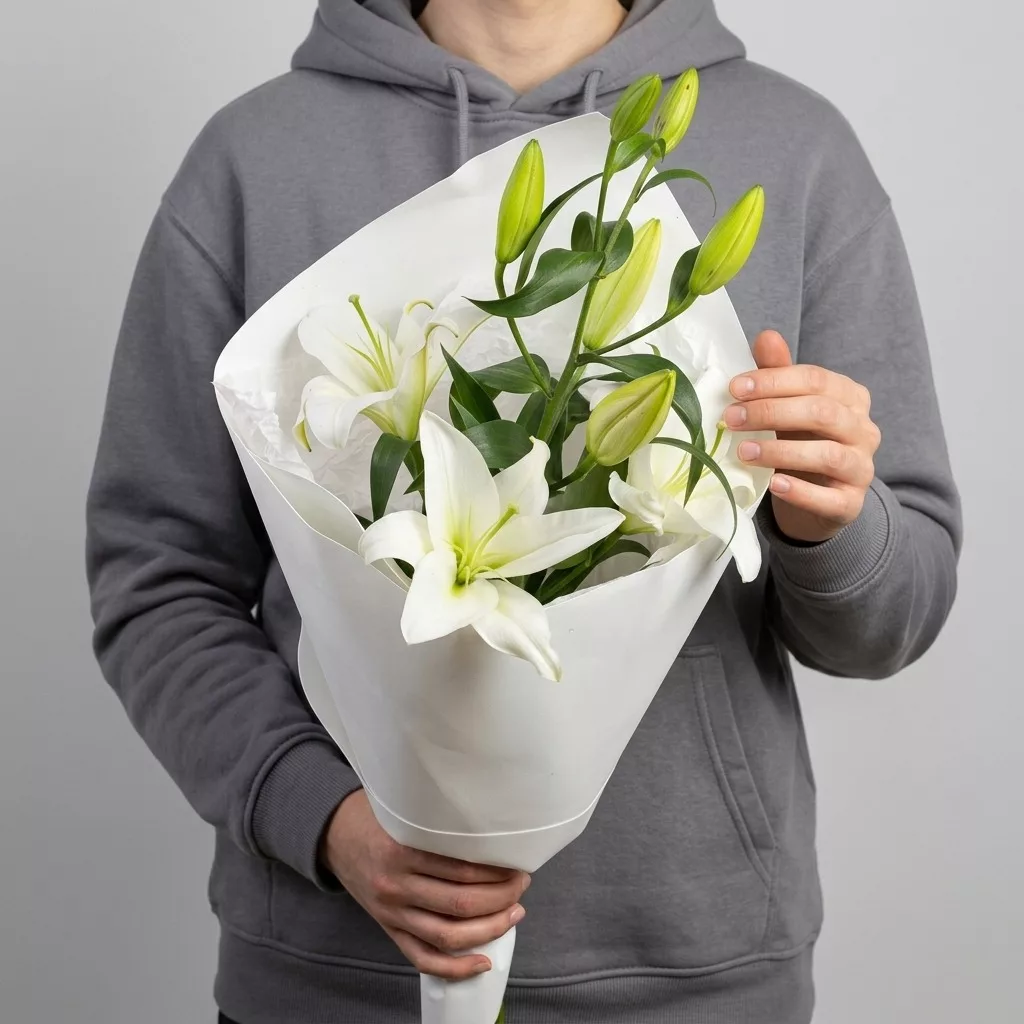
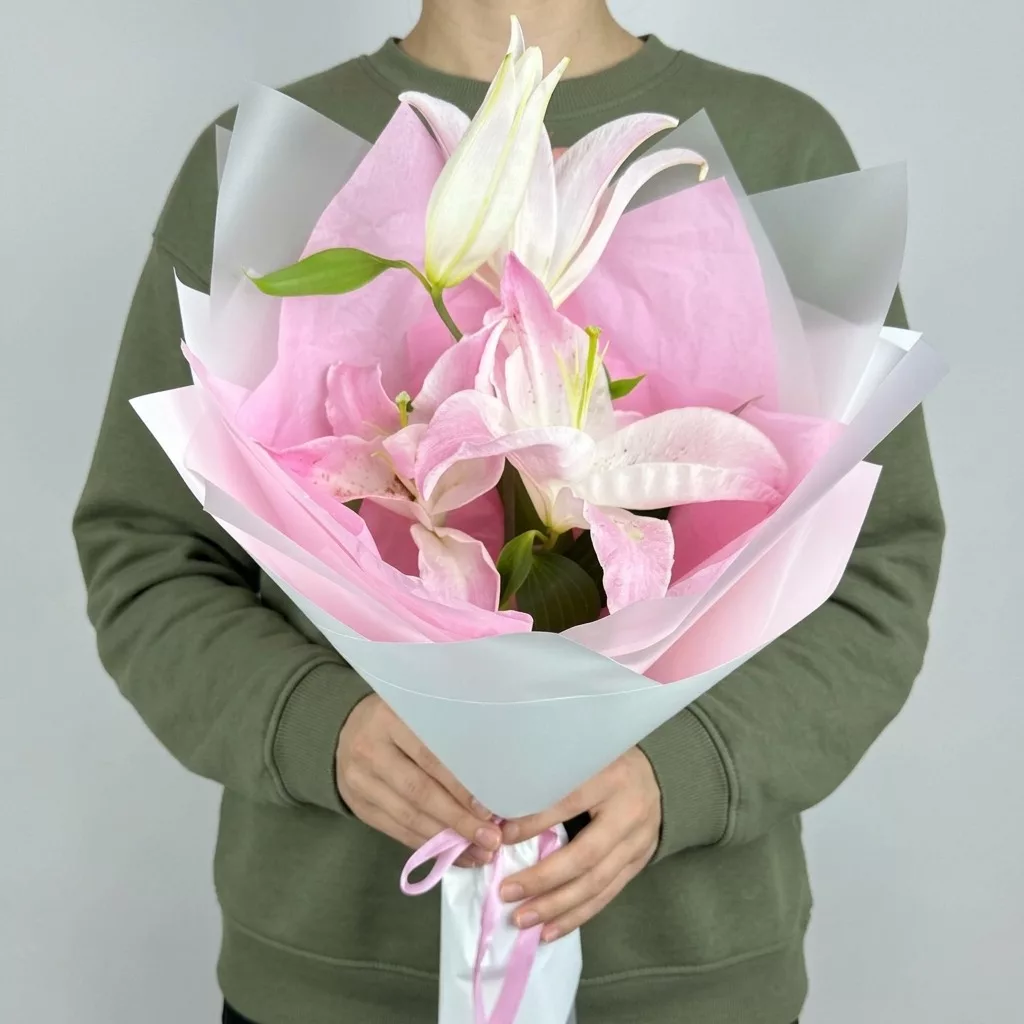
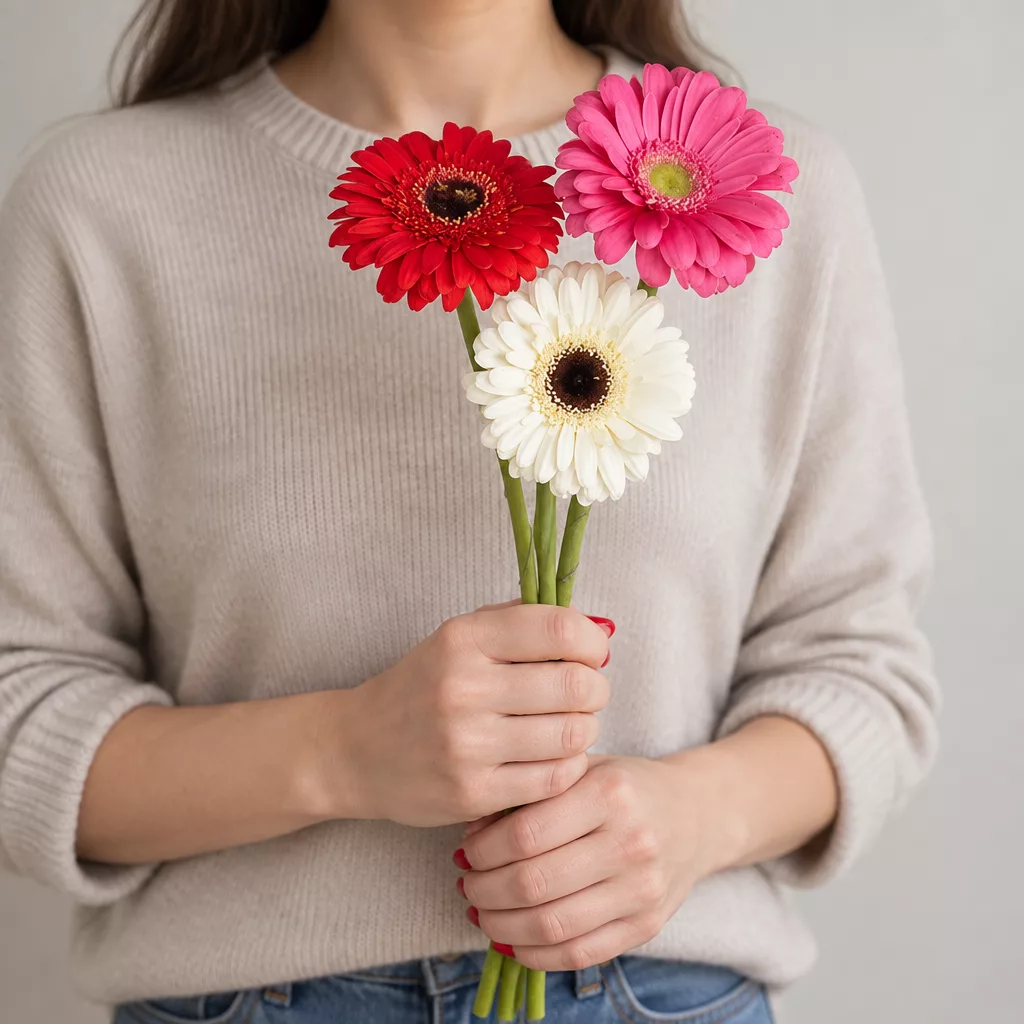
Reading the Recipient Before You Choose
A bouquet for a doctor feels slightly different from one for a nurse, not because of hierarchy, but because of how each person spends their day and what will resonate with them. A surgeon who has just completed a difficult procedure will often receive something structured and confident — clean lines, bold colour, a bouquet that feels decisive. A nurse who has spent weeks managing a ward, checking in on patients every hour, often responds more to something softer and abundant, something that feels like rest and kindness. Think also about the setting where the flowers will live. A consulting room or a private office can hold a tall, architectural arrangement. A nursing station shared by six people needs something compact that will not tip over or crowd the space. A windowsill in a ward does best with a tight, cheerful bunch that brings colour without demanding attention. Gender matters less than you might expect. Male doctors in Russia receive flowers regularly and accept them graciously. The idea that flowers are only for women simply does not apply here. What does matter is reading the personality: someone methodical and precise may love the geometry of calla lilies or anthuriums, while someone warmer and more expressive might prefer garden roses mixed with lisianthus and eucalyptus. When you are ordering remotely and cannot ask directly, lean toward classic and generous rather than avant-garde, and you will almost never go wrong.
The Flowers That Work Best and Why
Roses remain the most reliable choice for medical appreciation bouquets in Russia, and for good reason. They carry unmistakable respect. Cream, blush, coral and white roses read as gracious and warm without any romantic overtone. Red roses work too, but in a mixed bouquet rather than alone, where they shift the message slightly. For doctors in particular, a bouquet built around garden roses — varieties like David Austin-style blooms with layered petals — feels generous and considered. Chrysanthemums are enormously popular across Russia for this kind of gifting and are often underestimated by people from other countries. Large-headed spray chrysanthemums in white, yellow or soft purple last exceptionally well in a vase, which matters when someone is busy and cannot tend to flowers daily. They signal cheerfulness and durability, two qualities a medical professional will silently appreciate. Lisianthus, sometimes called eustoma, is one of the best supporting flowers you can add. Its ruffled petals resemble roses but with a lighter, more delicate texture. It extends the life of the arrangement and adds visual depth. Tulips are seasonal but beloved in spring. Alstroemeria is practical and long-lasting. Gerbera daisies bring brightness and are unscented, making them excellent for clinical settings. What to use carefully: lilies with heavy pollen can cause allergic reactions and strong fragrance in enclosed spaces. Freesias are beautiful but intensely scented. Hyacinths are the same. In a hospital environment, restraint with fragrance is always the more considerate choice.
Choosing by Budget Without Losing the Feeling
The gesture matters more than the price, and a well-composed modest bouquet will always outperform an expensive one assembled without thought. At a modest budget, a single-variety bunch of fifteen white or cream spray chrysanthemums, tied with a wide satin ribbon and finished with a few stems of eucalyptus, is clean, generous-looking and lasts up to two weeks in a vase. It requires almost no care beyond a water change every two days. At a mid-range budget, you can build something more layered. Five or seven garden roses as the centrepiece, surrounded by lisianthus, a few stems of waxflower and some soft foliage like ruscus or pittosporum, creates a bouquet that looks like it took real thought — because it did. This combination reads as warm and personal rather than generic. At a higher budget, consider a mixed seasonal arrangement that uses larger-headed flowers alongside smaller accent blooms. Garden roses with ranunculus, freesia used sparingly at the outer edge for fragrance that does not overwhelm, and a structured base of greenery make a bouquet that fills a room with quiet elegance. One mistake worth avoiding at every budget level: buying flowers that are already fully open. A bouquet delivered at three-quarters open will last much longer and look better on day three and four, which is when the recipient will truly enjoy it. Turboflora delivers flowers cut fresh and conditioned to arrive in exactly that state, so the recipient gets the full life of the bloom.
Timing, Delivery and the Hospital Setting
Timing a flower delivery to a medical professional takes a little more thought than sending to a home address. Doctors and nurses work in shifts, often irregular ones, and a bouquet arriving mid-shift when the recipient is in surgery or attending to patients can sit unattended for hours. When possible, find out the end of a shift or a natural break point — handover times, lunch, or the moment a patient is being discharged — and aim for that window. If you are sending to celebrate a discharge day, coordinate so the flowers arrive when the patient and the medical team are both present. That shared moment, with the bouquet changing hands in front of colleagues, is part of the tradition and amplifies the gratitude. For delivery to a hospital building, always include the ward name and department alongside the recipient's name and position. A large hospital in Saint Petersburg can have hundreds of staff, and a delivery addressed only to a first name will cause unnecessary delay. Turboflora delivers across Saint Petersburg and to cities across Russia within one to two hours of ordering, which means you can time the arrival quite precisely even on the day. Temperature matters in transit. Flowers in summer need to travel in cooled conditions; in winter, they need protection from frost. Roses and lisianthus are particularly sensitive to temperature extremes. A professional delivery that accounts for this protects the bouquet's condition so it arrives looking exactly as it should, not wilted from a hot car or frozen from a January street.
Presentation Details That Elevate a Simple Bouquet
The way a bouquet is wrapped and presented changes how it is received, sometimes more than the flowers themselves. In Russia, flowers for a professional occasion are typically presented in clean, structured wrapping — kraft paper, matte film or a combination of both — rather than cellophane alone, which can look cheap regardless of what is inside. A wide satin or grosgrain ribbon in a complementary colour ties the whole thing together and gives the recipient something to hold gracefully when accepting the gift in front of others. A handwritten note is not obligatory but is always welcome. In Russian culture, the words do not need to be elaborate. Something simple and sincere — acknowledging the specific thing the doctor or nurse did, or simply saying that their care made a real difference — will be read and kept. Many medical professionals save notes from patients and families for years. If you are writing in English for a Russian recipient, that is perfectly fine. The effort of writing at all is what registers. For bouquets going to a ward rather than a private office, consider a compact, self-supporting arrangement in a water-filled box or a low vase rather than a hand-tied bunch. This means the flowers can sit safely on a surface without anyone needing to find a vase immediately — a practical kindness when the recipient is in the middle of a working day. Small details like this are what separate a thoughtful bouquet from a forgettable one.
Keeping the Bouquet Fresh: Advice to Pass Along
A doctor or nurse receiving flowers mid-shift may not have the chance to tend to them immediately, so it helps to include simple care instructions with the delivery. The basics are universal but worth stating clearly. As soon as possible, the stems should be cut at a diagonal under running water and placed in a clean vase with fresh, cool water. Warm water shortens vase life noticeably. The lower leaves — any foliage that would sit below the waterline — should be removed to prevent bacterial growth, which is the main reason flowers fade faster than they should. Water should be changed every two days. Chrysanthemums and alstroemeria are among the most forgiving flowers in a vase and will last ten to fourteen days with basic care. Roses and lisianthus typically give seven to ten days if the water is kept clean and the vase is away from direct sunlight and heat sources. Radiators, which are common and powerful in Russian buildings during the heating season from October through April, are the single biggest enemy of cut flowers indoors. A vase placed even half a metre from a working radiator will lose flowers two to three days earlier than one placed on a cooler surface across the room. If the recipient asks about flower food sachets — the small packets sometimes included with bouquets — they genuinely help. The glucose feeds the blooms and the mild acidifier keeps bacterial growth down. Dissolved in the water at the start, they can add two or three extra days of life to most arrangements, which for a busy professional is a meaningful difference.
Gifting flowers to a doctor or nurse in Russia is one of those traditions that feels right the moment you do it. It is personal, immediate and understood without translation. Whether you are sending on behalf of a grateful patient, honouring a professional milestone, or simply marking the end of a difficult chapter with something beautiful, the bouquet carries the full weight of what you want to say. Choose flowers that suit the setting, think about fragrance in clinical spaces, time the delivery with care, and let the presentation do the quiet work of showing that this was not an afterthought. The person receiving it will know the difference.
Frequently asked questions
Is it appropriate to give flowers to a male doctor in Russia?
Absolutely. In Russia, flowers are given to men and women equally in professional appreciation contexts. Male doctors receive bouquets regularly and the gesture is entirely natural. There is no awkwardness attached to it. Choose something structured and confident — roses, chrysanthemums or a mixed arrangement in clean colours — and the message will land exactly as intended.
Which flowers should I avoid sending to a hospital ward?
Avoid heavily scented flowers in enclosed clinical spaces. Lilies with exposed pollen can also trigger allergic reactions and should either be chosen pollen-free or avoided entirely. Hyacinths and freesias are beautiful but intensely fragrant. Stick to lightly scented or unscented varieties like roses, chrysanthemums, alstroemeria or gerbera daisies when the bouquet will be kept in a shared ward or nursing station.
Can I send flowers to a doctor at a hospital address rather than a home address?
Yes, and it is done regularly in Russia. Include the hospital name, ward, department and the recipient's full name and job title to ensure the delivery reaches the right person. Large hospitals have many staff, so the more detail you provide, the smoother the delivery. Turboflora delivers directly to the address you specify, including hospital buildings across Saint Petersburg and cities throughout Russia.
How many flowers should be in an appreciation bouquet for a doctor?
In Russian tradition, bouquets given as gifts should contain an odd number of stems — five, seven, nine, eleven and so on. Even numbers are associated with mourning occasions. A bouquet of seven or nine roses with supporting greenery and accent flowers is a generous, well-proportioned choice for a professional appreciation gift and will look substantial without being impractical to carry or display.
How far in advance should I order flowers for a hospital delivery?
With Turboflora's one-to-two hour delivery across Russia, you can order on the day itself and still time the arrival precisely. If you know the recipient's shift end time or a specific discharge moment you want to mark, order two hours before that window. For same-day delivery to be safe and unhurried, placing the order in the morning gives the most flexibility for afternoon or early evening arrival.
Ready to send flowers?
Pick the city, choose the bouquet, and a local florist takes it from there.
Choose a city →