Sending Flowers for a Russian Graduation: Proud Moment Picks
Graduation day in Russia is loud, emotional, and absolutely full of flowers. If you have never attended one, the sheer volume of bouquets can be surprising — graduates walk out of ceremony halls carrying armfuls, sometimes barely able to see over the blooms. Whether you are sending flowers to a daughter finishing university in Saint Petersburg or a nephew completing his school exams in another city, understanding what the moment means and what looks right for it will help you choose something that genuinely moves the person receiving it.
Why Flowers Matter So Much at Russian Graduations
In Russia, giving flowers at a graduation is not a polite gesture — it is a deeply embedded cultural expectation. The tradition stretches back generations, and skipping flowers would feel as odd as skipping the ceremony itself. On the last day of school, known as Posledniy Zvonok, and again at university graduation, flowers arrive in such numbers that photographs from the day look almost theatrical.
The graduate is the centre of attention, and the bouquet they carry becomes part of how that moment is remembered. Photographs will be taken — many of them — and the flowers will appear in every single one. This is why presentation matters as much as the blooms themselves. A loosely wrapped, drooping arrangement reads very differently on camera than a structured, colour-confident bouquet held at chest height.
For the person sending from a distance, flowers also carry emotional weight that a text message or gift card simply cannot match. They signal that you made a deliberate choice, that you thought about colour and meaning and timing. Graduates notice this. Parents notice it even more. When the bouquet arrives at exactly the right moment — before the ceremony begins, while the family is still gathered — it becomes part of the story of the day rather than an afterthought.
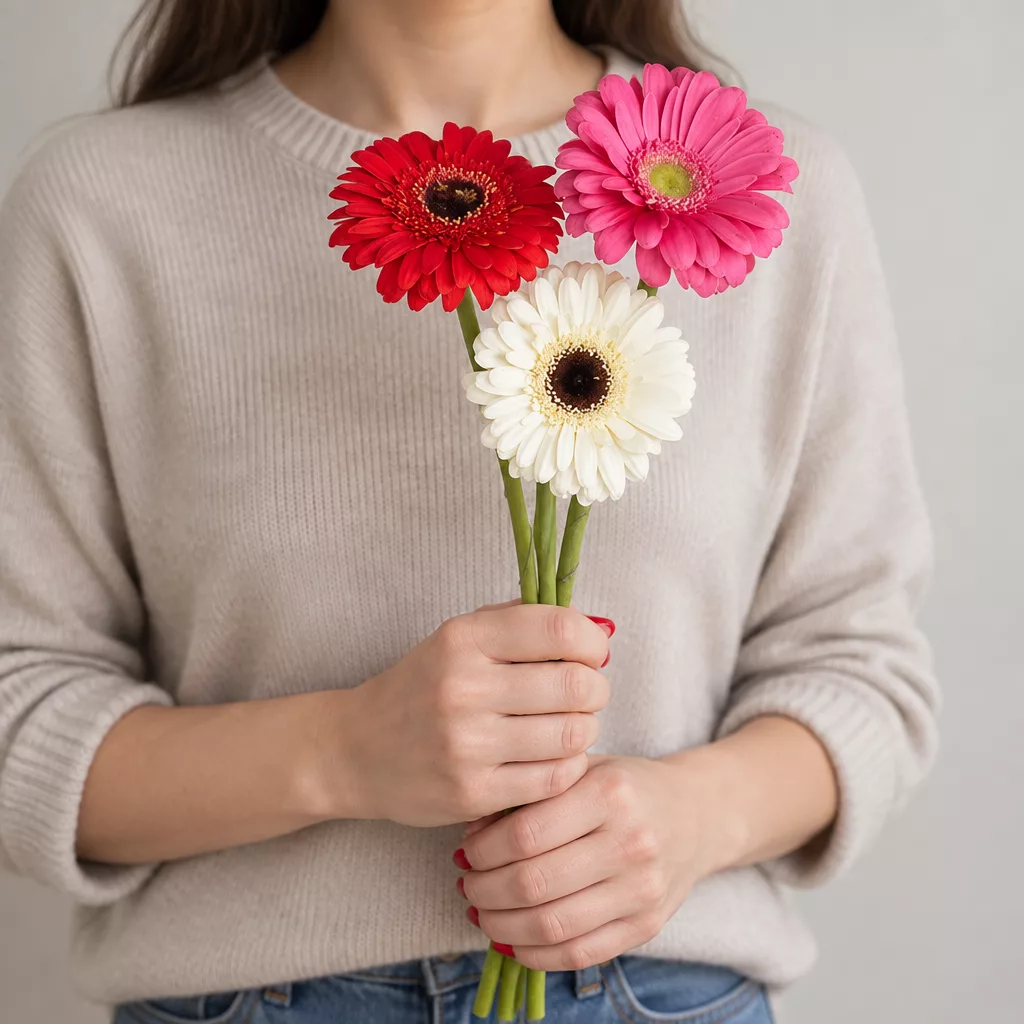
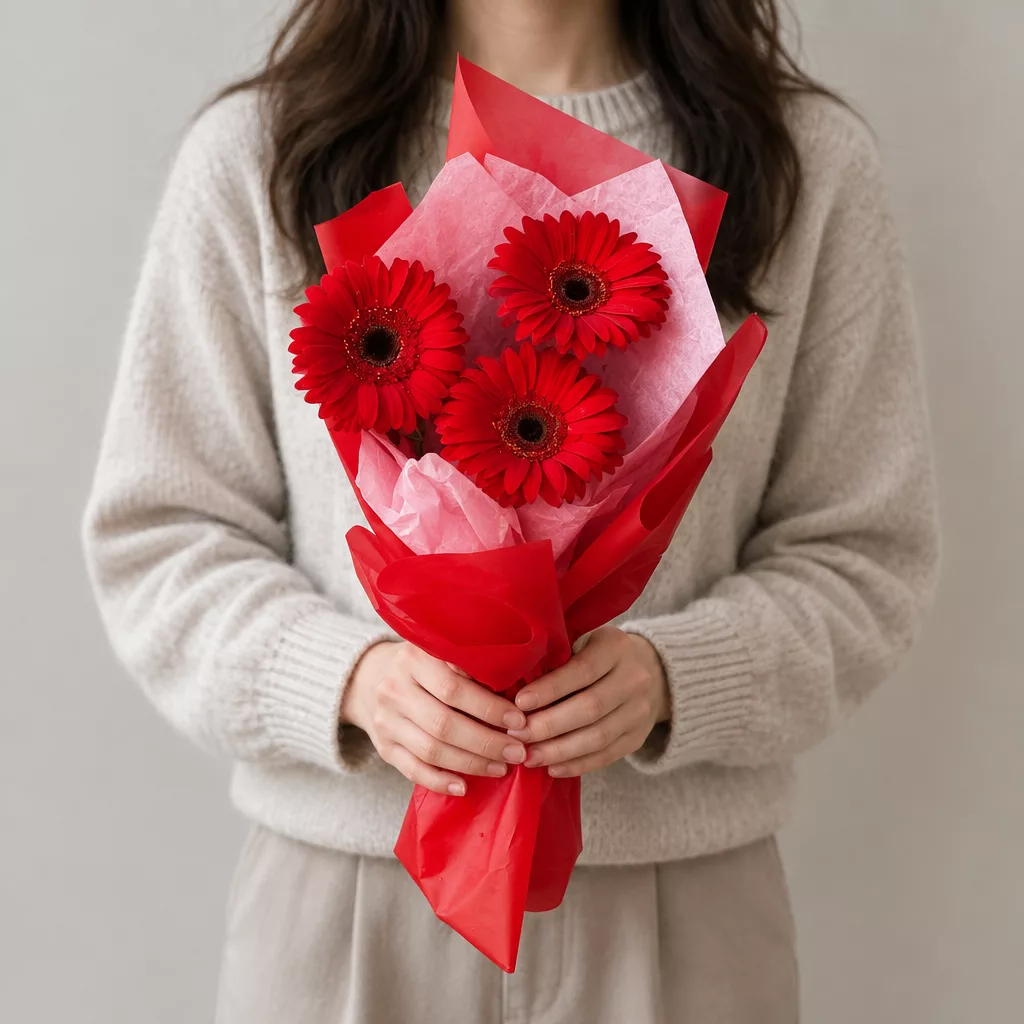
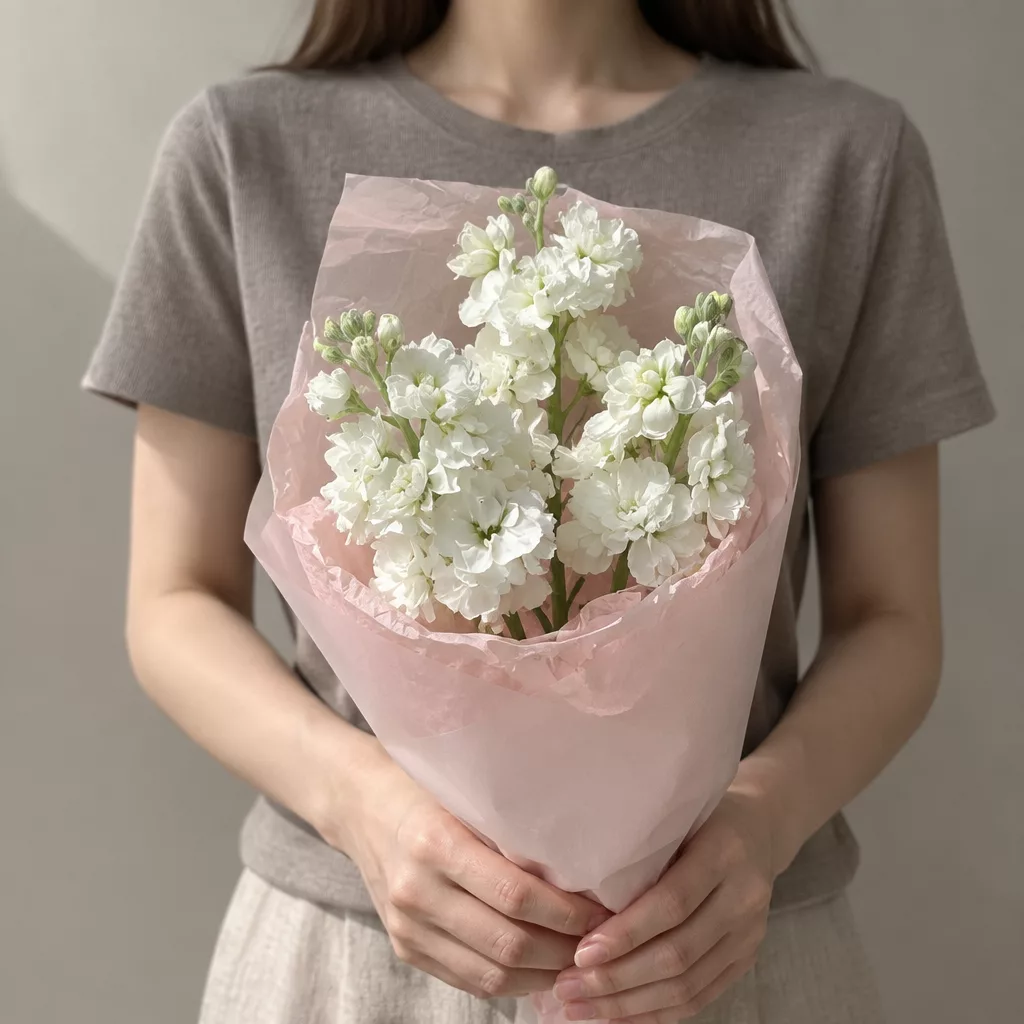
Bouquets we can deliver

Reading the Graduate Before You Choose
The best graduation bouquet is not the most expensive one — it is the one that fits the person holding it. A seventeen-year-old finishing school and a twenty-three-year-old completing a medical degree are both graduating, but they will feel very differently about receiving the same arrangement.
For younger graduates, particularly those finishing secondary school, colour and energy read well. Bright combinations — sunflowers with orange spray roses, or hot-pink peonies alongside white lisianthus — photograph with real joy and match the celebratory mood of the day. These graduates are often photographed outdoors, in natural light, and bold colour carries beautifully in those conditions.
University and postgraduate graduates tend to appreciate something with a little more refinement. Monochromatic palettes, garden-style arrangements with texture and depth, or a single statement flower variety in a generous quantity all feel appropriate. A tight cluster of cream and blush garden roses, for instance, looks composed and elegant in formal ceremony photographs without feeling stiff.
It also helps to think about the graduate's personal style. Someone who always wears colour will love a vibrant mixed bouquet. Someone understated might find a dozen deep burgundy tulips more meaningful than a large mixed arrangement. When you know the person well, trust that knowledge — it will lead you to the right choice more reliably than any trend.
Bouquets That Photograph Well on Graduation Day
Graduation photographs happen quickly and in varied conditions — bright outdoor light, dim ceremony halls, crowded group shots. A bouquet that looks stunning in a florist's studio can disappear into the background in a busy photograph, while a well-structured arrangement with strong shape and clear colour contrast holds its presence in almost any frame.
Round, dome-shaped bouquets work exceptionally well for graduation photography. They have a clear silhouette that reads from a distance, and they hold their shape when carried at different angles. Varieties like garden roses, ranunculus, and peonies naturally contribute to this form. Lisianthus adds ruffled texture that catches light without becoming chaotic.
Colour contrast between the bouquet and the graduate's outfit matters more than people expect. White blooms against a dark academic gown create a clean, high-contrast image. If the graduate is wearing white or pale colours, a bouquet with saturated colour — deep red roses, violet anemones, or coral spray roses — will stand out rather than blend in.
Avoid arrangements that are very tall and asymmetrical for graduation day specifically. While these styles are beautiful in editorial photography, they are difficult to hold gracefully while also accepting a diploma, embracing a parent, and posing for a group photograph. A compact, balanced bouquet is genuinely easier to manage and looks more polished in candid shots. Greenery like eucalyptus or ruscus at the edges adds depth without adding awkward height.
Choosing by the Occasion: School Versus University
School graduation in Russia — particularly the end of eleventh grade — is a milestone celebrated with considerable ceremony. It marks the end of childhood in a very real social sense, and the flowers chosen for it often reflect that energy: bright, generous, and celebratory. Sunflowers are a perennial favourite for this moment because they are bold, warm, and unmistakably joyful. A bouquet of large sunflowers with complementary yellow and orange spray roses photographs with immediate happiness.
Peonies, when in season between late April and June, are also enormously popular for school graduation. Their fullness and soft fragrance make them feel like a celebration in themselves. A mono-bouquet of white or blush peonies is a classic choice that never looks dated in photographs.
University graduation tends to fall later in the year, often in June or July, and the mood is slightly different — more relief mixed with pride, more awareness of what comes next. Arrangements here can carry a little more sophistication. Garden roses in a tight palette of cream, peach, and soft coral look beautiful in outdoor ceremony photographs. White lisianthus combined with eucalyptus and a few stems of blue veronica creates something that feels both fresh and considered.
For postgraduate ceremonies — defending a dissertation, completing a specialisation — a more restrained arrangement often feels right. A structured bouquet of white spray roses with silver brunia and eucalyptus reads as quietly accomplished, which suits the tone of those moments well.
Options Across Different Budgets
A meaningful graduation bouquet does not require the largest arrangement in the shop. What it requires is intention — the right varieties chosen for the person and the moment, presented well. Even a modest number of stems, when selected thoughtfully and wrapped with care, can be exactly right.
At a more modest budget, single-variety bouquets often make the strongest impression. Fifteen stems of a good-quality spray rose in a single saturated colour — deep red, bright coral, or rich violet — look deliberate and stylish rather than sparse. Chrysanthemums in large-headed varieties are also worth considering: they are long-lasting, photograph with real texture, and carry well in outdoor light.
In the mid range, combinations become possible. Roses paired with lisianthus, or tulips with muscari in spring, allow for colour depth and textural contrast without requiring a very large stem count. The key is choosing varieties that are at a similar scale — mixing very small flowers with very large ones can make an arrangement look accidental.
At a higher budget, generous garden-style arrangements with multiple varieties, layered greenery, and a clear colour story look genuinely impressive in photographs and feel substantial to carry. Peonies, garden roses, ranunculus, and anemones together create the kind of bouquet that appears in graduation photographs for years. Whatever the budget, ask for the stems to be conditioned before delivery — flowers that have had time to hydrate after cutting hold their shape and freshness through a long ceremony day.
Timing the Delivery to Land at the Right Moment
Graduation ceremonies in Russia typically begin in the morning or early afternoon, and the family gathering before the ceremony is often when photographs are taken most naturally and happily. Getting the flowers there before the graduate leaves for the venue is significantly better than having them arrive after the event — by that point, the family is tired, the light has changed, and the emotional peak of the day has passed.
For school graduation, the last bell ceremony usually begins mid-morning, so a delivery before ten in the morning gives the graduate time to carry the bouquet to the venue. University ceremonies vary by institution, but most begin between eleven and two in the afternoon. Aiming for delivery at least ninety minutes before the ceremony starts is a reliable rule.
Temperature matters for delivery timing too, particularly in late spring and early summer when Russian graduations cluster. Peonies and garden roses are sensitive to heat and should not sit in a warm car or entrance hall for extended periods before the ceremony. If delivery is timed well, the flowers arrive fresh, are carried to the venue at their best, and hold up through several hours of photographs and celebrations.
If you are sending flowers from another city, confirming the exact ceremony time and the recipient's address in advance removes guesswork. A delivery window of one to two hours is manageable when the timing information is precise. A vague address or an uncertain ceremony time creates real risk of missing the moment entirely.
Keeping the Bouquet Fresh Through a Long Celebration Day
Graduation day is long. There is the ceremony, the family lunch, the photographs in the park, the evening gathering with friends. A bouquet that starts the day beautifully should still look presentable several hours later — and with the right varieties and a little care, it can.
The most important thing a graduate or their family can do when the flowers arrive is to put them in water immediately if there is time before leaving. Even thirty minutes of hydration makes a significant difference to how the stems hold up over the following hours. A clean vase with fresh, cool water is all that is needed.
When the bouquet is carried during the ceremony and photographs, keeping it out of direct strong sunlight when not being photographed helps considerably. Laying it flat in a warm car is the fastest way to wilt stems — if it must go in a car, keep the air conditioning on and do not leave the flowers sitting for more than twenty minutes without water.
After the day, most bouquets benefit from a fresh cut on the stems before going into a vase. Cut at an angle with a clean knife, not scissors, and remove any leaves that would sit below the waterline. Change the water every two days. Roses, lisianthus, and chrysanthemums are among the longest-lasting cut flowers and can remain presentable for a week or more with this basic care. Peonies and tulips are shorter-lived but so beautiful on the day that they are worth it entirely.
A graduation in Russia is one of those days that gets remembered in detail — what was worn, who was there, and absolutely what flowers arrived. Choosing the right bouquet means thinking about the person first, then the setting, then the photograph they will keep. When those three things align, the flowers do something a card never can: they become part of the memory itself. Whether you are sending from across Saint Petersburg or from another city entirely, a well-chosen, well-timed bouquet will be noticed, appreciated, and remembered long after the diploma is framed. We deliver bouquets across Russia in 1–2 hours.
Frequently asked questions
What flowers are most traditional for Russian graduation gifts?
Roses and peonies are the most deeply associated with Russian graduation celebrations, but sunflowers are also widely given at school graduations for their warmth and visual impact. There is no single required flower — what matters is that the bouquet feels generous and celebratory. The tradition is about the gesture of giving flowers, not a specific variety.
Is it appropriate to send flowers to a male graduate in Russia?
Yes, absolutely. While flowers are perhaps more commonly associated with female graduates in some Western contexts, giving flowers to male graduates is entirely normal and accepted in Russian culture. A structured arrangement in a cooler palette — white, green, and deep red — or a bold mono-bouquet of sunflowers tends to suit the occasion well without feeling out of place.
How far in advance should I order graduation flowers for same-day delivery?
Ordering at least two to three hours before your desired delivery window gives the best results, especially during June when graduation season peaks and demand is high. If you know the ceremony time, place your order the evening before and specify a morning delivery slot. This ensures the flowers are conditioned, fresh, and arrive before the family leaves for the venue.
What bouquet shape works best for graduation photographs?
A round, dome-shaped bouquet with a clear colour story photographs most consistently well. It holds its shape when carried at different angles, has a strong silhouette in group shots, and does not become unwieldy during a long ceremony. Avoid very tall or asymmetrical arrangements for this occasion — they are harder to hold gracefully while managing diplomas, handshakes, and family embraces.
Can I include a personal message with a flower delivery for graduation?
Yes, and it is strongly recommended. A handwritten-style card attached to the bouquet adds a personal dimension that the flowers alone cannot carry. Keep the message warm and specific to the graduate's achievement — mentioning what they studied or what comes next makes it feel genuinely personal rather than generic. Most florists, including Turboflora, include a message card with every order.
Ready to send flowers?
Pick the city, choose the bouquet, and a local florist takes it from there.
Choose a city →