Flowers for a Russian Grandmother: Timeless Choices She Will Love
There is a particular kind of joy that crosses a grandmother's face when flowers arrive at her door — not just any flowers, but the ones that speak her language. For older Russian women, that language is specific, rooted in decades of tradition, and far more personal than a generic bouquet from a catalogue. If you are ordering from abroad or simply unsure where to begin, this is where to start: with the woman herself, what she grew up with, and what will genuinely move her.
Why Classic Varieties Matter More Than Trendy Ones
Older Russian women grew up in an era when flowers were rare and meaningful. A bunch of carnations brought home from a market on International Women's Day, a few dahlias cut from a dacha garden, roses given at a theatre premiere — these are the memories that live in the body. When you send flowers that echo those moments, you are not just giving a bouquet. You are giving recognition.
Trendy varieties like protea, anthurium, or dried pampas grass often confuse rather than delight a grandmother. They can feel unfamiliar, even cold. The emotional charge simply is not there. This does not mean the arrangement has to look old-fashioned — a skilled florist can make classic flowers feel fresh and generous without abandoning what feels right to the recipient.
The practical side matters too. Classic varieties such as roses, chrysanthemums, and carnations have been cultivated for consistent vase life. A grandmother living alone will appreciate flowers that last eight to twelve days with basic care, rather than exotic stems that wilt in four. Choosing well-known varieties also means she will know instinctively how to keep them: change the water every two days, trim the stems, keep them away from the radiator. That confidence is part of the gift.
Bouquets we can deliver

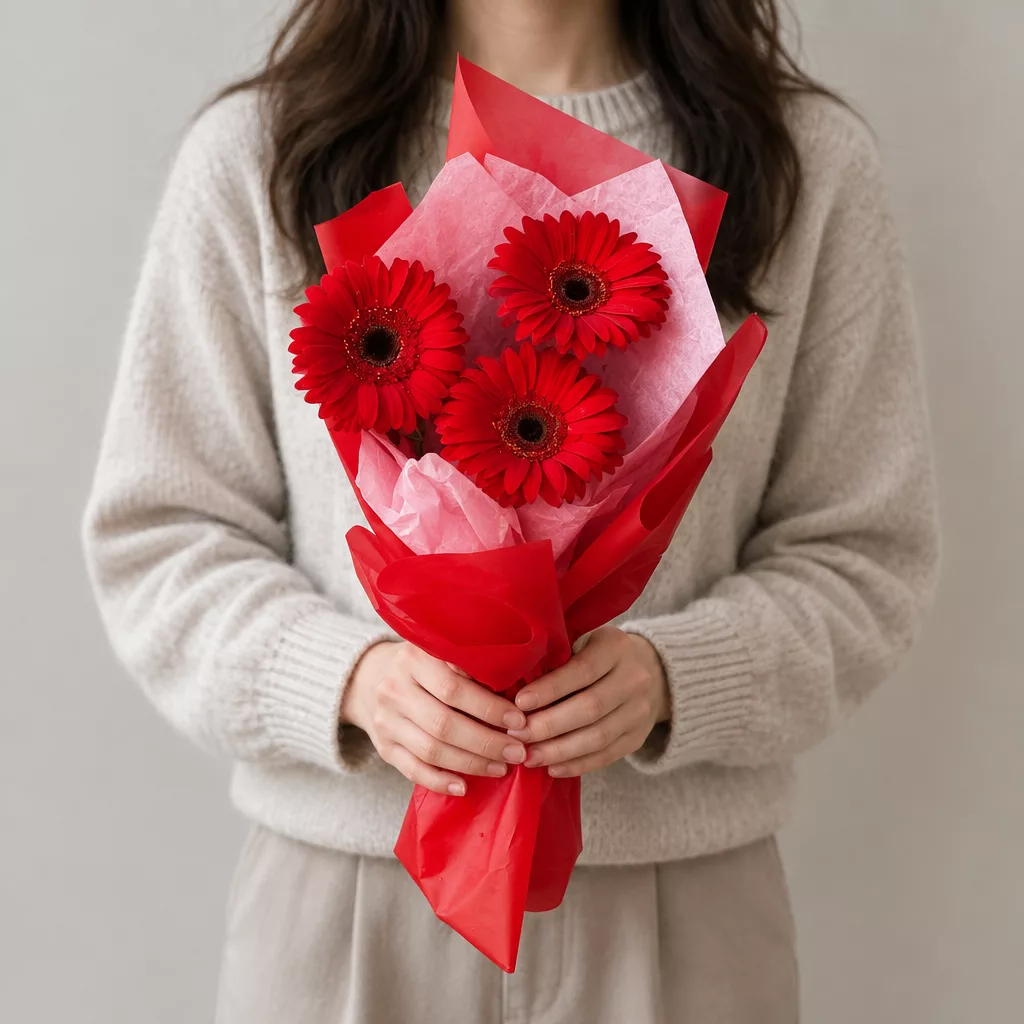
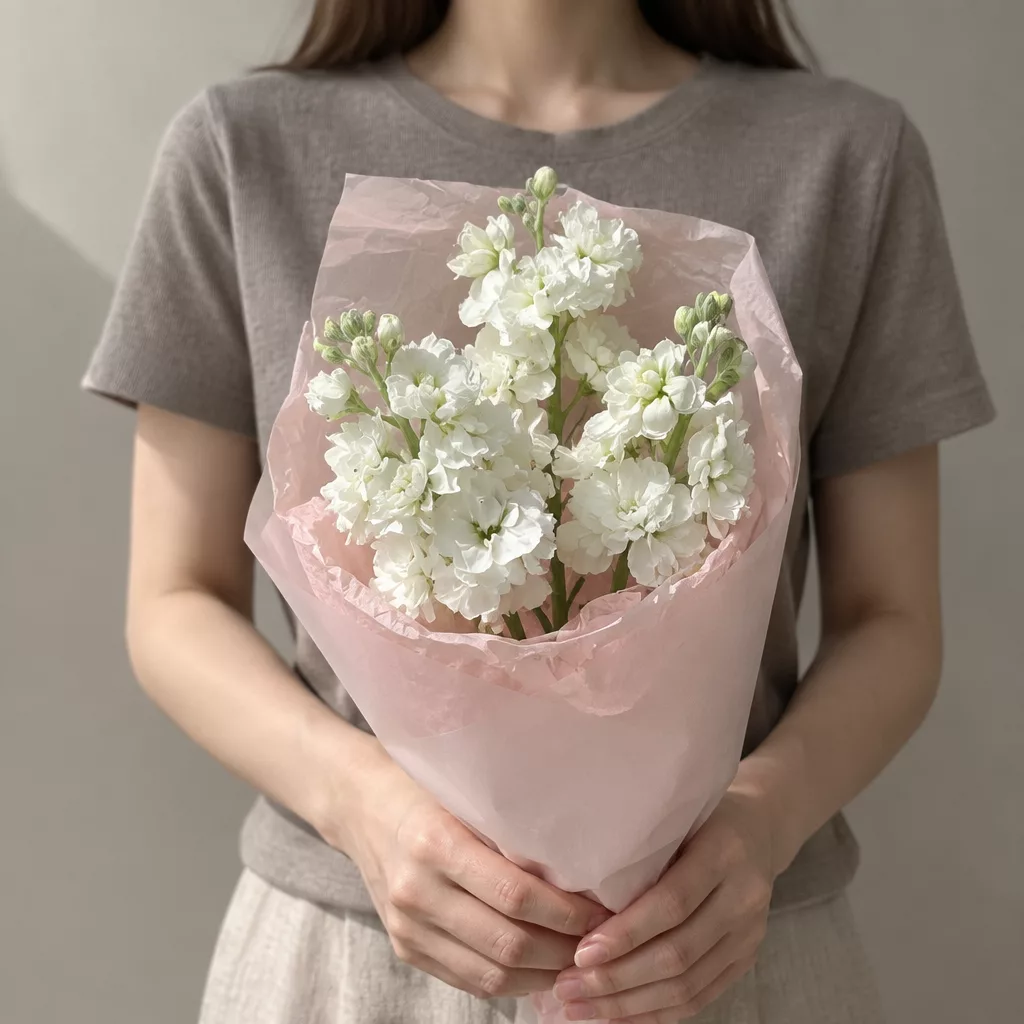
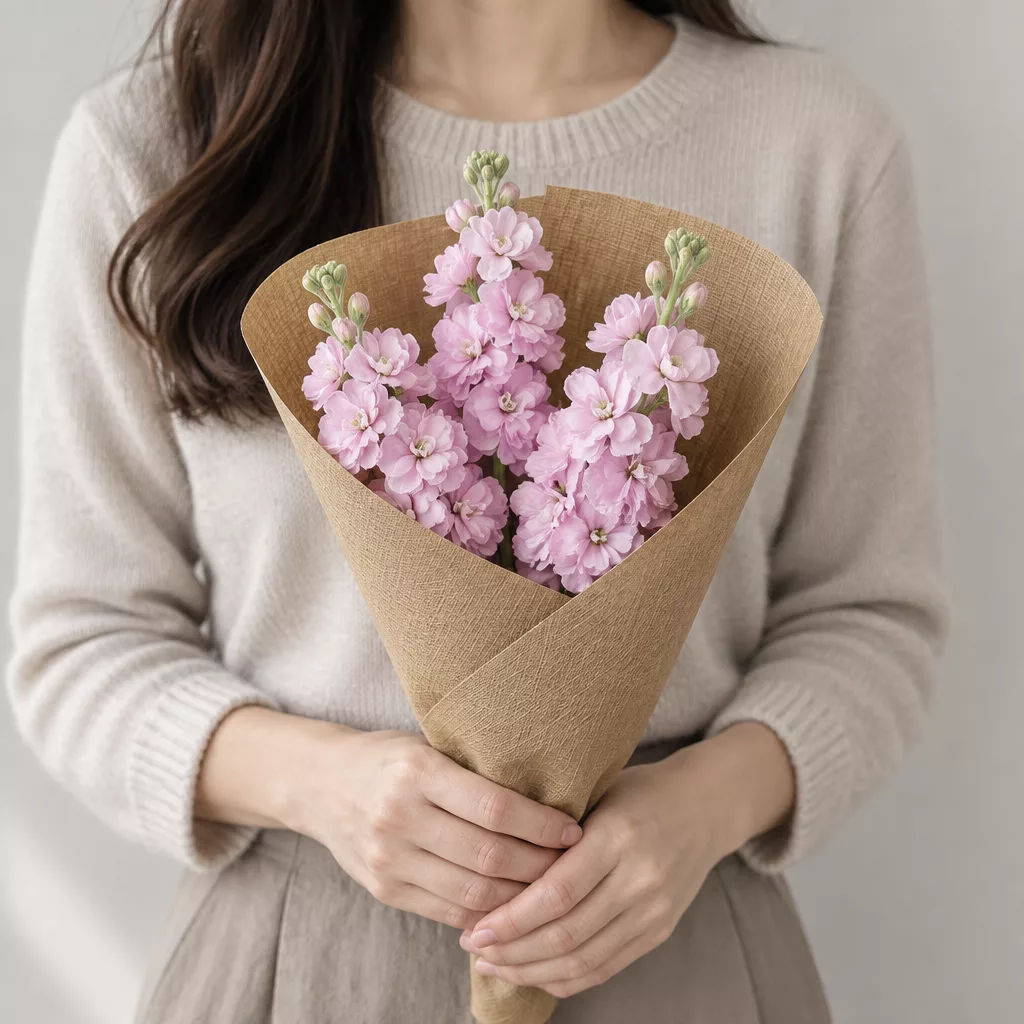
The Flowers She Will Recognise and Reach For First
Roses are the undisputed centrepiece of any bouquet for an older Russian woman. Garden-style spray roses, full-headed hybrid tea roses in deep red, cream, or soft pink — these carry decades of emotional weight. Avoid very dark burgundy if the occasion is celebratory, as that shade can feel heavy. Pale pink and warm white roses read as affectionate and respectful, which is exactly the right register for a grandmother.
Chrysanthemums hold a special place in Russian flower culture. Large-headed single chrysanthemums in white, yellow, and lilac are enormously popular with older generations. They are sturdy, they last well over a week in a vase, and they fill a room without needing much arrangement skill on the recipient's part. A grandmother with a simple glass vase can make them look beautiful effortlessly.
Carnations are another variety that younger buyers sometimes overlook, but grandmothers rarely do. Spray carnations in pastel shades — blush, lavender, soft coral — add texture and volume to a bouquet. They also carry a nostalgic Soviet-era significance that is genuinely positive for this generation. Gladioli appear often in late summer and early autumn, and for good reason: their tall, architectural stems feel celebratory and generous, particularly in salmon, white, or pale violet. If the season allows, include a few stems without hesitation.
Choosing by the Occasion: Birthday, Name Day, or Just Because
A birthday bouquet for a grandmother should feel abundant. Russian culture values generosity in flower giving, and a small, minimal arrangement can read as an afterthought. Odd numbers of stems are traditional for celebratory occasions — seven, nine, eleven, or fifteen roses carry the right energy. The colours should be warm and light: cream, peach, soft yellow, and blush work beautifully together and photograph well in a bright Russian apartment.
Name days — the feast day of the saint whose name a person carries — are celebrated less universally now but remain meaningful to many older women. If you know your grandmother's name day, a bouquet delivered that morning is a gesture that will genuinely surprise and touch her. Keep it slightly smaller than a birthday arrangement but no less considered: five or seven roses with greenery and a few spray carnations is more than enough.
Sometimes there is no occasion at all, and that is the most powerful moment to send flowers. A Tuesday afternoon delivery with a note that simply says you were thinking of her will be remembered for months. For these spontaneous gifts, choose something that feels like a garden rather than a ceremony: mixed chrysanthemums, a few roses, some alstroemeria for longevity, and soft foliage. The informality is the point — it says the gesture was genuine, not scheduled.
Colours and Combinations That Feel Right in a Russian Home
Russian interiors — particularly those of older women who have lived in the same apartment for thirty or forty years — tend toward warm tones, patterned wallpaper, lace curtains, and wooden furniture. Flowers that look stunning in a minimalist Scandinavian setting can look out of place here. What works is warmth: cream and peach roses with yellow chrysanthemums, or lilac carnations with white spray roses and a touch of eucalyptus.
Avoid all-white arrangements for celebratory occasions. In Russian tradition, white flowers carry associations with formality and solemnity that feel mismatched with a birthday or a spontaneous gift. A single white rose tucked among colourful stems is fine, but an entirely white bouquet will give an older Russian woman pause, even if she cannot explain exactly why.
Green foliage plays a supporting role but should not be skipped. Ruscus, pittosporum, and soft leather fern give the bouquet body and make it look like something from a proper flower shop rather than a market stall. Grandmothers of this generation have a sharp eye for quality and effort — they can tell when thought has gone into a composition. A little greenery, well placed, signals care. Avoid heavy tropical leaves like monstera or bird of paradise foliage, which feel too contemporary and can overwhelm the classic flowers around them.
Presentation Styles She Will Actually Appreciate
The classic hand-tied bouquet wrapped in kraft paper with a satin ribbon is the presentation most older Russian women associate with a proper gift. It feels ceremonial without being stiff. The paper should be natural or pastel — avoid shiny cellophane wrapping, which looks cheaper than it costs and crinkles loudly when she tries to unwrap it. A wide satin ribbon in ivory, blush, or sage green tied in a full bow finishes the look correctly.
Round, dome-shaped bouquets are loved by this generation because they look full and balanced from every angle. A grandmother will set her bouquet on the kitchen table or the windowsill and look at it from across the room — symmetry and density matter more to her than the asymmetric, artistic arrangements that appeal to younger recipients. Think of the bouquet as something she will live with for a week, not just photograph once.
If you want to go slightly beyond a hand-tied bouquet, a low arrangement in a ceramic or glass vase is a wonderful choice — particularly if you know she does not have many vases at home, or if you want the gift to last beyond the flowers themselves. Choose a simple, classic shape: nothing too modern or geometric. The vase becomes part of the home after the flowers are gone, and that longevity is something older recipients genuinely value. Avoid basket arrangements, which can feel funereal in the Russian context.
Vase Life and Care: What to Tell Her When the Flowers Arrive
Roses delivered in peak condition will last seven to ten days if the recipient follows a few simple steps. The most important one is the first: trim the stems at a diagonal, about two centimetres from the bottom, and place them immediately in cool, clean water. Russian apartments in winter are heated intensely — sometimes to twenty-four or twenty-five degrees Celsius — which shortens vase life significantly. Placing the bouquet near a radiator or on a sunny windowsill in direct afternoon light will cut the life by half.
Chrysanthemums are more forgiving. They tolerate warmth better than roses and will hold for ten to fourteen days with basic care. Remove any leaves that fall below the waterline — submerged foliage rots quickly and turns the water cloudy, which shortens the life of every stem in the vase. Change the water every two days, or every day if the apartment is very warm.
Carnations are the longest-lasting option in a warm home, often going twelve to fifteen days with minimal attention. They do benefit from a clean cut every three or four days. If your grandmother is not comfortable with flower care, carnations and chrysanthemums are the kindest choices — they ask very little and give a great deal in return.
Include a small card with these care notes written out plainly. It is not presumptuous — it is practical, and an older woman who has received flowers all her life will appreciate that someone thought to include it.
Timing Your Delivery for the Greatest Impact
Morning deliveries carry the most emotional weight. A bouquet that arrives between nine and eleven in the morning on a birthday means the day begins with joy — she has something beautiful to look at over her morning tea, something to tell her friends about when they call to congratulate her. If the occasion is a birthday or name day, aim for the first half of the day without exception.
For a spontaneous midweek gift, early afternoon works well. Most older women are home by one or two o'clock after morning errands, and an afternoon delivery feels like a pleasant interruption rather than an intrusion. Avoid very late evening deliveries for this recipient — a grandmother who goes to bed early may be unsettled by a doorbell at nine at night, even if the flowers are wonderful.
Weather matters more than many people realise. In Saint Petersburg and across Russia, winter temperatures regularly drop to minus fifteen or minus twenty Celsius. Flowers transported without proper insulation can suffer cold damage in under ten minutes — petals turn translucent, stems lose their rigidity, and the bouquet looks bruised before it is unwrapped. A florist who manages its own delivery understands this and uses insulated packaging for cold-weather transit. When you order, it is worth confirming that cold-weather protection is included, particularly between November and March. A grandmother in Novosibirsk or Yekaterinburg deserves the same fresh bouquet as one in central Moscow.
Choosing flowers for a Russian grandmother is one of the most rewarding things you can do with a simple order. She will arrange them herself, move them from room to room to find the best light, and mention them to everyone who visits or calls. The varieties and presentation styles described here are not guesswork — they are drawn from what genuinely resonates with this generation, from the chrysanthemums that remind her of a dacha garden to the kraft paper bow that says someone took the time to do it properly. Get those elements right, and the flowers will do the rest.
Frequently asked questions
How many flowers should a birthday bouquet for a grandmother contain?
Russian tradition calls for an odd number of stems on celebratory occasions — seven, nine, eleven, or fifteen are all appropriate. The bouquet should feel generous and full rather than minimal. A grandmother who receives eleven roses with greenery and spray carnations will feel genuinely celebrated, which is exactly the right response to aim for.
Are there any flowers I should avoid sending to an older Russian woman?
Avoid all-white bouquets for birthdays or spontaneous gifts, as white arrangements carry a formal, solemn association in Russian culture. Very exotic varieties like protea, anthurium, or bird of paradise can feel unfamiliar rather than delightful to this generation. Stick to roses, chrysanthemums, carnations, and gladioli for the warmest reception.
How long will the flowers last in a warm Russian apartment?
Russian apartments in winter are often heated to twenty-four or twenty-five degrees Celsius, which shortens vase life. Roses typically last seven to ten days, chrysanthemums ten to fourteen, and carnations twelve to fifteen with proper care. Keeping flowers away from radiators and changing the water every two days makes a significant difference to how long they stay beautiful.
What is the best time of day to deliver flowers to a grandmother?
Morning deliveries between nine and eleven o'clock have the greatest emotional impact, especially on birthdays. The recipient starts her day with something beautiful and has the whole day to enjoy and share the moment. For spontaneous gifts, early afternoon works well. Avoid late evening deliveries, as many older women retire early and an unexpected doorbell can feel unsettling.
Does cold weather during delivery damage the flowers?
Yes, and it is a real concern across Russia from November through March. Temperatures below minus ten Celsius can damage petals and stems within minutes if the bouquet is unprotected. Proper insulated packaging during transit prevents cold damage. When ordering in winter, confirm that cold-weather protection is included — it makes the difference between a fresh bouquet and a bruised one.
Ready to send flowers?
Pick the city, choose the bouquet, and a local florist takes it from there.
Choose a city →