Flowers for a Russian Mentor or Professor: Academic Gifting Rules
In Russia, handing flowers to a professor after a defence, a lecture series or years of patient mentorship is not a gesture that needs justification — it is simply expected. The moment feels formal and personal at once, which makes choosing the wrong bouquet more awkward than choosing none at all. If you are navigating this for the first time, whether you are a student, a colleague or a family member organising on someone's behalf, the rules are clear once you know them.
Why Flowers Matter So Much in the Academic Setting
Russian academic culture treats the mentor-student relationship with a formality that Western universities rarely match. A dissertation defence, a graduation ceremony, a department anniversary or the end of a supervised research year all carry ceremonial weight. Flowers are the standard visible token of that respect — not a gift card, not chocolates, not a bottle of wine brought quietly to an office. The bouquet is presented publicly, often in front of peers and faculty, which means it reflects on the giver as much as it honours the recipient.
This public dimension explains why the presentation matters as much as the flowers themselves. A loosely wrapped supermarket bunch signals that the student did not take the occasion seriously. A well-composed, tightly bound arrangement wrapped in quality paper tells the room that the gratitude is genuine and considered. Russian professors, particularly those of an older generation, notice this immediately.
The occasion also tends to be gendered in its expectations. Female professors receive flowers as a matter of course; male professors receive them too, though the bouquet is usually smaller and the palette more restrained. Ignoring this convention entirely — or overcompensating with an enormous arrangement for a male recipient — creates unnecessary awkwardness. Understanding the context before you order saves everyone discomfort and makes the moment what it should be: warm, graceful and memorable.
Bouquets we can deliver


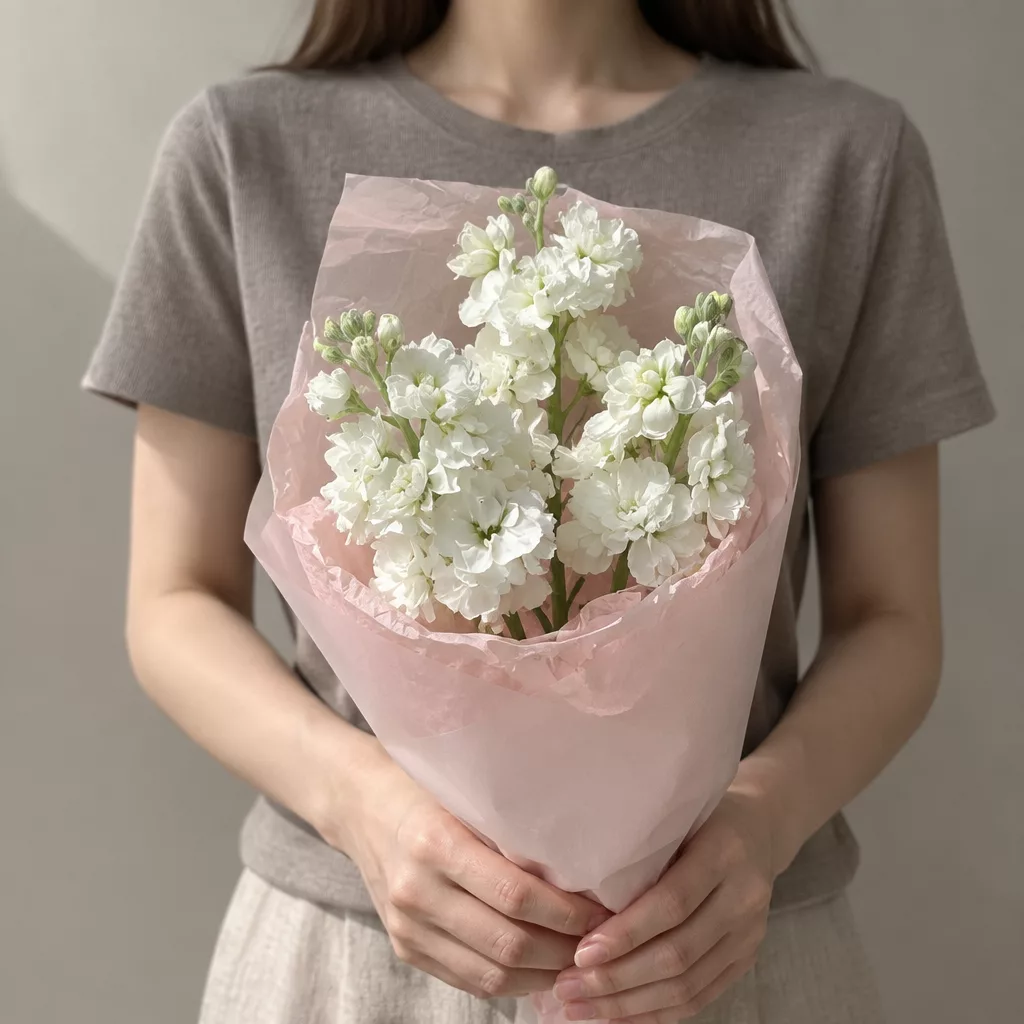
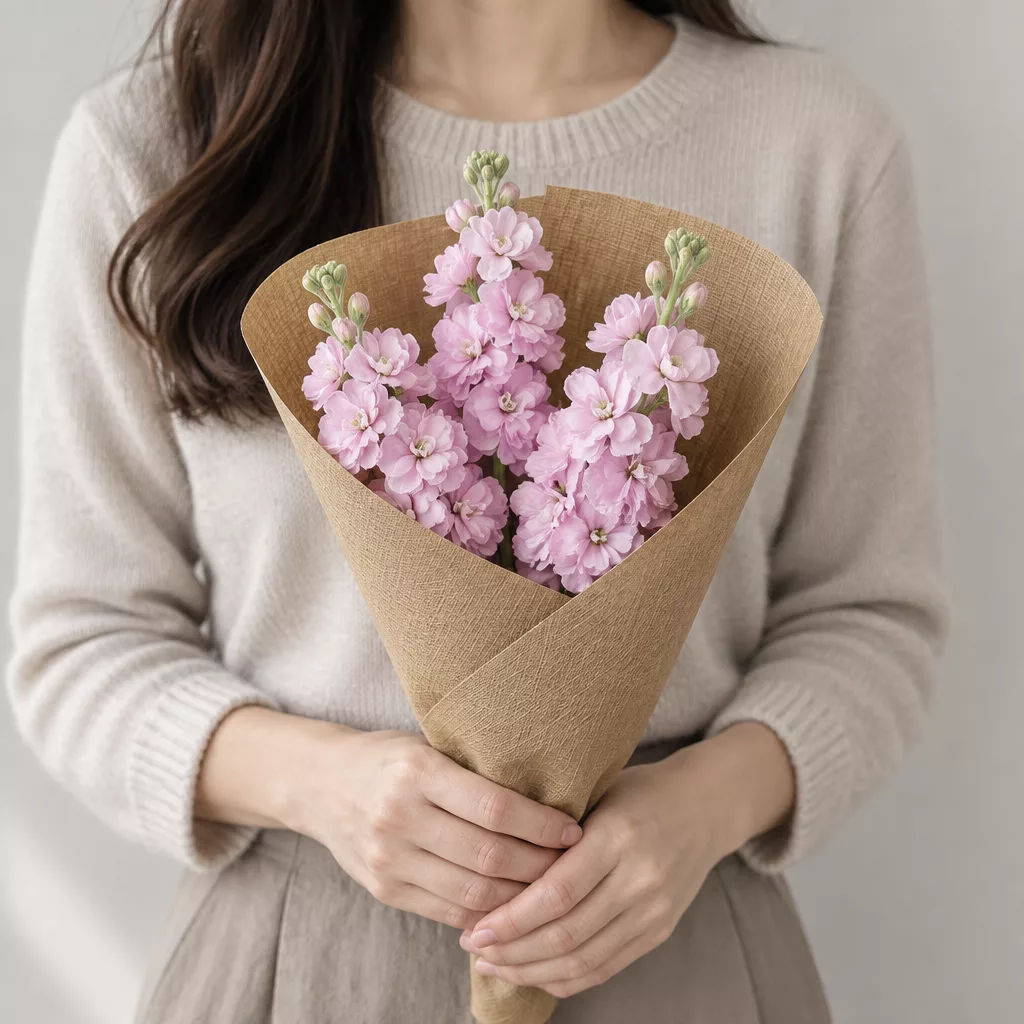
Reading the Recipient Before You Choose a Single Stem
Before thinking about roses versus chrysanthemums, think about the person. A professor who has supervised a student through five years of doctoral research has a different relationship with that student than a lecturer who taught a single semester course. The depth of the connection should guide the scale and ambition of the bouquet. A brief thank-you after a guest lecture calls for something elegant but modest — perhaps seven stems of a single variety, beautifully wrapped. Years of mentorship deserve something more composed and generous.
Age and aesthetic matter too. An older academic who has spent decades in a classical institution will respond to traditional choices: roses, carnations, gladioli in clean, structured arrangements. A younger professor in a design faculty or a creative programme might appreciate something less conventional — ranunculus, lisianthus, or a mixed seasonal composition with interesting foliage. Neither approach is wrong; matching the bouquet to the person is simply good florist thinking applied to a formal context.
Field of study can be a quiet guide as well. Science and engineering professors often appreciate precision and simplicity — one variety, one colour, executed well. Humanities and arts faculty tend to respond to composition and narrative. This is not a rigid rule, but it is a useful starting frame when you are deciding between a monobouquet and a mixed arrangement. Talk to your florist about the person before you talk about the flowers, and the right choice usually becomes obvious.
Colour Conventions You Cannot Afford to Ignore
Colour carries meaning in Russian gifting culture, and academic occasions have their own unspoken palette. White is the safest and most universally appropriate choice for a professor of any gender — it reads as respectful, clean and serious without being cold. White roses, white lisianthus and white chrysanthemum spray varieties all work well. Cream tones, particularly in roses and freesias, add warmth without sacrificing formality.
Pink is appropriate for female recipients and sits comfortably in academic settings when the shade is soft rather than vivid. Pale pink garden roses or blush-toned ranunculus convey affection and respect simultaneously. Avoid hot pink or fuchsia, which read as celebratory in a birthday sense rather than grateful in a mentorship sense.
Yellow is complicated. In Russian tradition, yellow flowers are associated with separation and difficult farewells, and many people of an older generation hold this association firmly. It is best avoided entirely when giving to a professor, regardless of how cheerful the intention. Red is similarly nuanced — deep red roses carry romantic connotation and should not be the dominant colour in an academic bouquet. A single red rose tucked into a white arrangement is sometimes used as a mark of deep respect for a senior female professor, but this is a deliberate stylistic choice, not a default.
Purple and violet tones — lavender roses, purple lisianthus, lilac — are well-regarded in academic gifting. They suggest wisdom and distinction without the romantic overtones of red. When in doubt, a white-and-purple composition is almost always correct.
Choosing by Occasion: Defence Days, Graduations and Everything Between
A dissertation or thesis defence is the most high-stakes academic gifting moment. The student is nervous, the room is formal, and the professor has invested real time in making this day possible. Here the bouquet should be substantial — at least fifteen stems — and composed rather than casual. Roses in white or cream, supported by eucalyptus or ruscus greens, wrapped in kraft paper or matte fabric, is a combination that consistently reads as appropriate and generous. Delivery should be timed for before the ceremony begins, not during or after, so the professor can set the flowers aside and focus on the event.
Graduation ceremonies are slightly less formal in their gifting expectations. Smaller bouquets are acceptable, and colour can be a little more expressive. A mixed arrangement of seasonal flowers in white and pale violet, with some textural greenery, works beautifully for a professor who has guided a student through an entire degree programme.
End-of-year thank-you gifts, given when a course concludes or a supervision period ends, call for restraint. Seven to nine stems of a single elegant variety — white freesias, cream spray roses, or white alstroemeria — make a sincere impression without overwhelming a moment that is more quiet than ceremonial. Teacher's Day in Russia falls on the fifth of October and is a genuine gifting occasion in universities; orders for that date fill up quickly, so plan at least two days ahead. Women's Day on the eighth of March is also a standard moment to honour female professors, and the florist's busiest day of the year.
Budget Ranges and What They Actually Buy
Academic gifting in Russia operates across a wide range of budgets, and the occasion usually signals which tier is appropriate. For a single-semester course or a brief mentorship, a modest but well-chosen arrangement is entirely correct. The quality of the execution — tight wrapping, fresh stems, clean foliage — matters more than the number of flowers. Seven stems of premium white roses in a well-tied bouquet outperforms twenty wilting mixed stems every time.
For a thesis defence or a multi-year supervision relationship, a more generous arrangement is expected. This is not about extravagance; it is about proportion. A composition that includes statement roses, supporting flowers such as lisianthus or alstroemeria, and good greenery signals that the occasion has been taken seriously. Fifteen to twenty-five stems in a structured arrangement sits in this tier comfortably.
For group gifts — a whole seminar group thanking a professor together — the combined budget allows for something genuinely impressive. A large round composition of garden roses, ranunculus and seasonal greenery, or a tall architectural arrangement of gladioli and lilies, becomes a moment in itself when it arrives. Coordinate the order early, specify the delivery window precisely, and make sure someone is present to receive and present it. A group gift left at a reception desk loses all its impact.
One consistent mistake at every budget level: ordering too late. Same-day delivery is possible, but bouquets ordered with several days' notice allow the florist to source the best stems and ensure peak freshness on the exact day it matters.
Presentation, Packaging and the Moment of Giving
In Russian academic culture, the act of presenting flowers is not a quick handoff. The student typically approaches the professor at a natural pause — after a defence verdict is announced, after a graduation speech concludes — and presents the bouquet with both hands, making brief eye contact and offering a few words of genuine thanks. This is a small ceremony within the larger ceremony, and the bouquet needs to look the part when it is held out.
Packaging should be elegant but not overwrought. Kraft paper with a simple ribbon, or matte floral wrap in a neutral tone, is always correct. Cellophane alone reads as commercial; excessive decorative filler reads as amateur. The stems should be trimmed cleanly and the bouquet should be easy to hold — a professor who has just sat through a three-hour defence should not be struggling with an unwieldy arrangement.
If the flowers are being delivered to a university building rather than presented in person, include a handwritten card. Printed cards are fine for retail purchases, but a handwritten note — even three sentences — adds the personal dimension that makes the gesture meaningful. Mention the specific thing the professor did: supervised the methodology chapter, opened a door to a research network, taught a particular way of thinking. Specific gratitude is remembered; generic gratitude is forgotten.
Temperature matters on delivery day. In Saint Petersburg's colder months, flowers must be protected from frost during transit. Roses and lisianthus are particularly sensitive to temperature shock, which causes petal edges to brown within hours. A reliable delivery service manages this; a rushed last-minute order often does not.
Keeping the Bouquet Fresh After the Ceremony
A professor who receives flowers at a morning defence and then teaches until evening needs the bouquet to still look presentable when they finally get it home. This is a practical concern, not a sentimental one, and it starts with the flowers chosen and the care taken at the point of cutting.
Roses, when properly conditioned — stems cut at a diagonal, lower leaves removed, placed in clean water with a sachet of flower food — will last seven to ten days in a cool room. Lisianthus and alstroemeria last similarly well and are good choices for longevity. Lilies open over several days and can actually improve in appearance after the first day, which makes them useful in arrangements that need to perform across a week. Freesias are shorter-lived at four to six days but have a fragrance that makes them worth including in smaller bouquets.
Chrysanthemums, sometimes dismissed as old-fashioned, are genuinely hardy — they last ten to fourteen days with basic care and hold their colour well under indoor lighting. For a professor who travels frequently or keeps a busy schedule, a chrysanthemum-forward arrangement is a quietly practical choice.
Advise the recipient, via the card or verbally, to keep the bouquet away from direct sunlight and radiators, and to change the water every two days. In Russian apartments, which are often very warm in winter due to central heating, this is particularly important. A bouquet placed near a hot radiator will collapse within two days regardless of how fresh it arrived. A cool windowsill or a shaded shelf extends vase life significantly and lets the flowers remain a visible reminder of the occasion for as long as possible.
Giving flowers to a professor or mentor in Russia is one of those gestures that looks simple from the outside but carries real weight when it is done thoughtfully. The variety, the colour, the scale, the packaging and the timing all speak before a single word is said. When these elements align with the occasion and the person, the bouquet does something that no other gift quite manages: it marks the moment as significant and makes the professor feel genuinely seen. That is worth taking seriously, and it is worth ordering early enough to get it right.
Frequently asked questions
Is it appropriate to give flowers to a male professor in Russia?
Yes, absolutely. Male professors receive flowers regularly in Russian academic culture, particularly at thesis defences and graduation ceremonies. The bouquet is typically smaller and more restrained in colour — white, cream or deep burgundy work well — but the gesture itself is entirely normal and expected, not unusual or awkward.
How many flowers should be in a bouquet for a professor?
Russian tradition holds that bouquets given as gifts should contain an odd number of stems — seven, nine, eleven, fifteen and so on. Even numbers are reserved for mourning occasions. For a thesis defence or long-term mentorship, aim for fifteen stems or more. For a shorter course or a single occasion, seven to nine well-chosen stems is entirely appropriate.
Can I send flowers directly to a university building?
Yes, delivery to a university address is straightforward. Specify the building, faculty or department clearly, include a room number or a contact name if you have one, and coordinate the delivery window so someone is present to receive the bouquet. For high-ceremony moments like a defence, delivery before the event begins is strongly preferable.
Which flowers should I avoid when gifting a Russian professor?
Avoid yellow flowers, which carry associations with separation in Russian tradition. Avoid red roses as the dominant colour, since they read as romantic rather than respectful. Skip heavily scented flowers like tuberose for indoor academic settings where the fragrance can be overwhelming. Keep the palette clean and the composition structured rather than wild or informal.
What is the best time of year to give flowers to a professor in Russia?
Teacher's Day on October fifth and Women's Day on March eighth are the two peak gifting dates in academic settings. Graduation and defence seasons in late spring and early autumn are also busy periods. For any of these dates, order at least two to three days in advance. Availability of premium varieties tightens significantly in the days immediately before major gifting occasions.
Ready to send flowers?
Pick the city, choose the bouquet, and a local florist takes it from there.
Choose a city →