Flowers for a Russian Retailer or Distributor: Making the Gift Count
A signed contract is a beginning, not a guarantee. The Russian retail and distribution landscape runs on relationships — on the feeling that you see your partner as a person, not just a purchase order. A well-chosen flower arrangement, delivered at the right moment, says something no email can: that you paid attention, that you remembered, and that you value the human on the other side of the deal. This guide helps manufacturers and suppliers use flowers with intention, so every bouquet strengthens the partnership rather than simply ticking a box.
Reading the Relationship Before You Order
Before you choose a single stem, think about who is actually receiving the flowers. Is this the owner of a regional retail chain who built the business from scratch, or a category manager at a large distributor who answers to a buying committee? These two people respond very differently to the same arrangement. The owner often appreciates something bold and personal — a statement that acknowledges their achievement. The category manager, working in a corporate environment, usually responds better to something elegant and restrained that will not create awkward questions from colleagues.
Also consider the history of your partnership. A first-year distributor relationship calls for a warmer, more celebratory tone. A ten-year partnership deserves something that signals depth — richer colors, premium varieties, a composition that takes time to look at. Sending the same arrangement you sent three years ago is noticed, and not in a positive way.
Finally, think about the office or store environment. A busy retail warehouse floor is not the right destination for a delicate arrangement of garden roses and sweet peas. A sturdy, architectural composition — think large-headed sunflowers, tropical foliage, or bold proteas — travels better visually through a noisy space and holds its presence for days. Matching the arrangement to the setting shows a level of thought that partners in Russia genuinely appreciate and remember long after the flowers have faded.
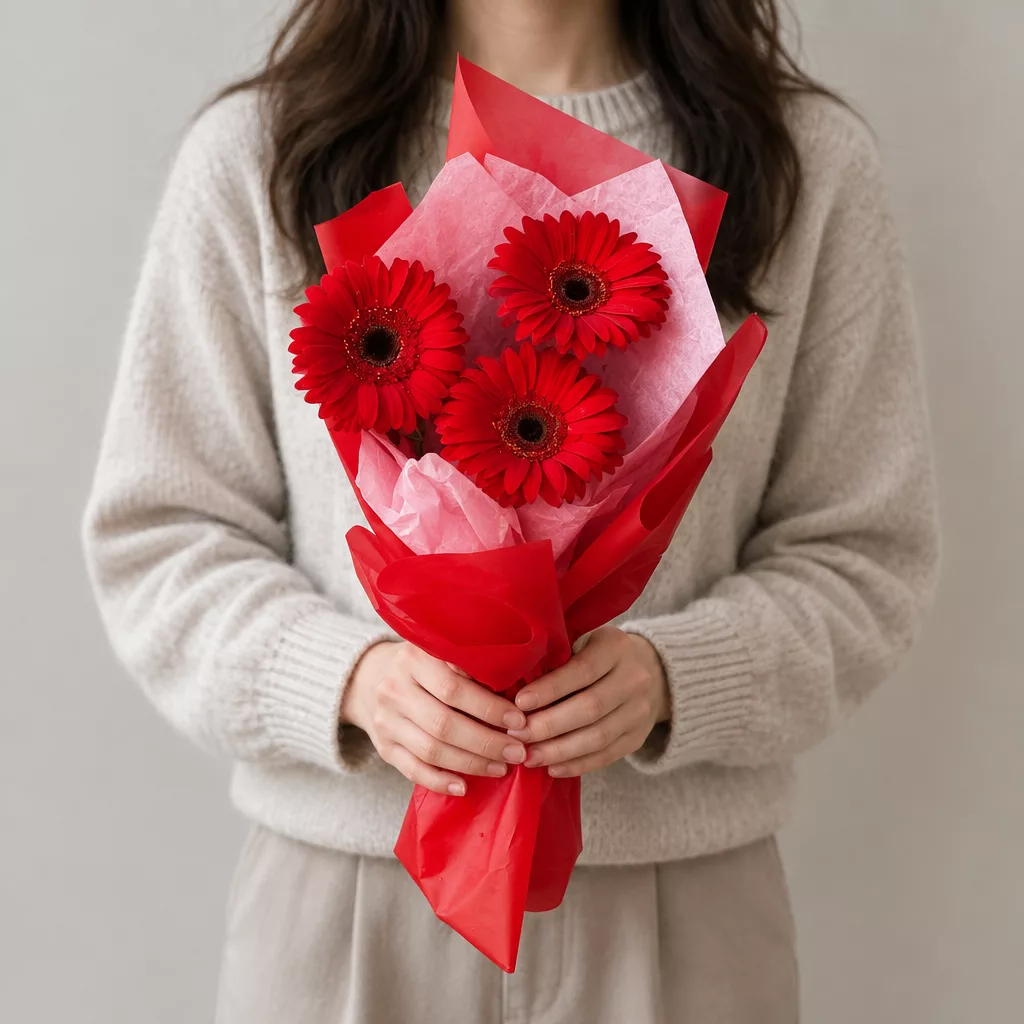
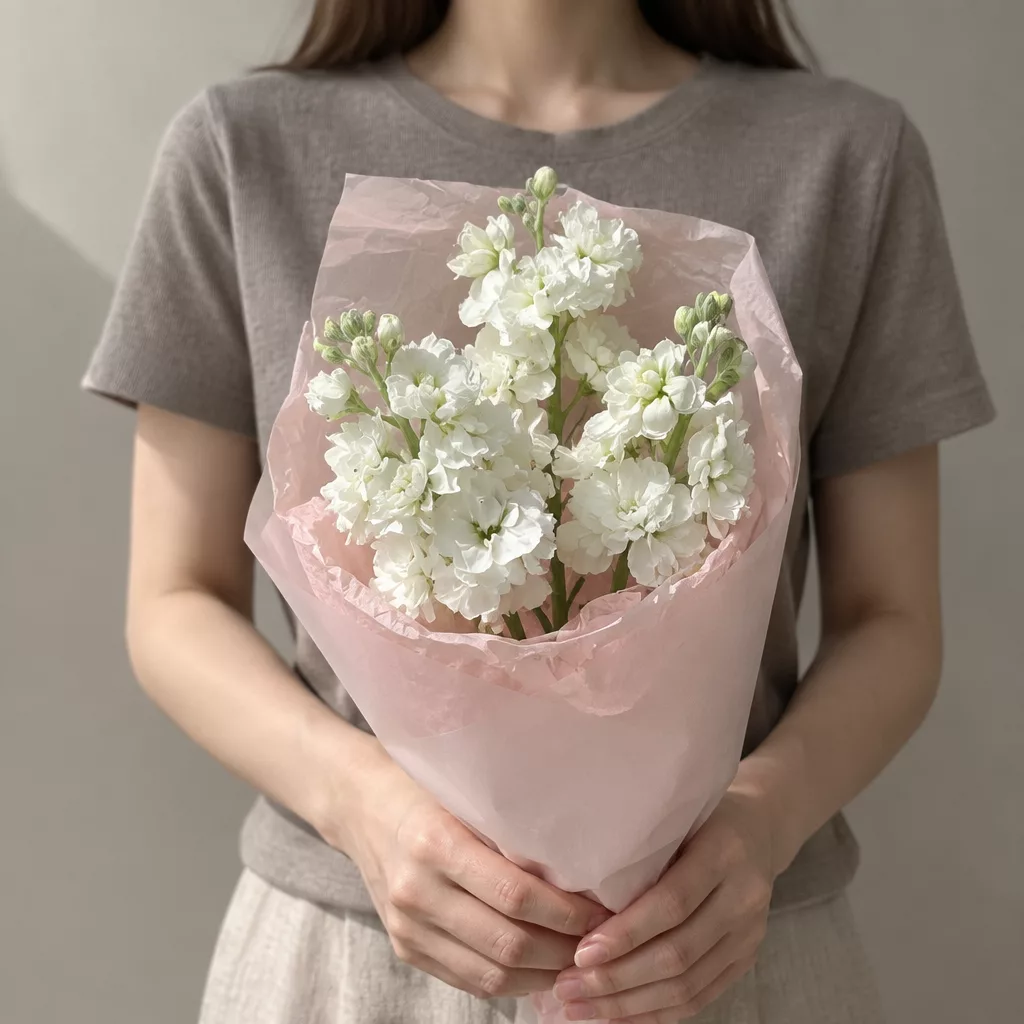
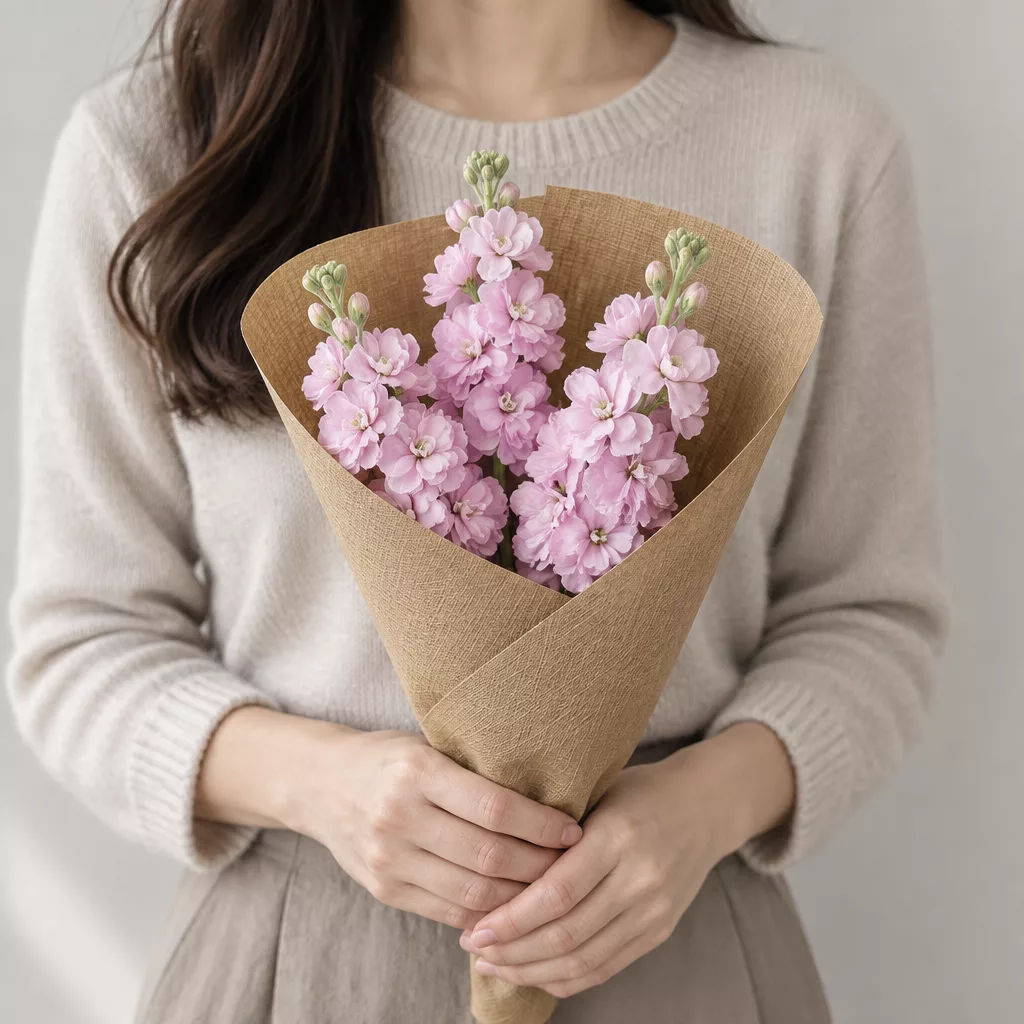
Bouquets we can deliver

When to Send: The Moments That Actually Matter
Russian business culture has a well-defined calendar of gift-giving moments, and flowers fit most of them naturally. The most important dates are February 23 (Defender of the Fatherland Day, celebrated by men), March 8 (International Women's Day, the single largest flower-sending day in Russia), and New Year, which in Russia carries more emotional weight than Christmas. If your distributor network includes both men and women in leadership — and most do — you need a strategy for both February and March, not just one.
Beyond the national calendar, personal milestones matter enormously. A director's birthday, a company anniversary, the opening of a new warehouse or showroom: these are the moments when a flower delivery lands with real impact because it shows you track the relationship, not just the invoice cycle. Ask your account manager or sales representative to maintain a simple log of key dates for each partner.
Do not overlook the power of the unexpected delivery. Sending flowers after a successful joint promotion, after a partner hits a sales milestone you set together, or simply at the start of a new season with a note about your shared plans — these gestures are rare in B2B and therefore memorable. In a market where most suppliers communicate through discounts and rebates, a thoughtful arrangement delivered on a Tuesday for no formal reason at all can shift how a partner thinks about your brand for months.
Choosing Flowers That Read as Professional, Not Generic
The single most common mistake in B2B flower gifting is the generic mixed bouquet — a round arrangement of whatever is in season, wrapped in cellophane, looking like it could have come from a petrol station. Your partners will recognize the effort level immediately. Professional arrangements for business relationships should have a clear compositional idea, a defined color palette, and at least one premium element that anchors the design.
For a formal, high-value relationship, consider a monochromatic arrangement built around garden roses such as David Austin varieties, or large-headed peonies when they are in season from May through June. White and cream tones read as sophisticated and universally appropriate across genders. Deep burgundy or wine-red arrangements signal seriousness and longevity — colors associated in Russian culture with respect and celebration rather than romance.
For a warmer, more energetic relationship — a dynamic young retail chain, a fast-growing regional distributor — you can introduce more color and texture. Ranunculus paired with eucalyptus branches, or a composition mixing spray roses with seasonal greenery, feels current and considered without being flashy. Orchid plants in ceramic pots are a strong choice when you want something that lasts well beyond a week: a phalaenopsis orchid can bloom for two to three months, keeping your brand visible on a partner's desk long after a cut arrangement would have been cleared away.
Always specify that the arrangement should include a printed card with a personal message. A handwritten-style note, even if typed, changes the emotional register of the entire gift.
Scaling Your Budget Across a Distributor Network
If you are managing relationships with twenty or thirty retail and distribution partners across Russia, you cannot treat every delivery identically — but you also cannot be seen to rank partners in an obvious way. The solution is to create two or three tiers based on partnership value and adjust the composition rather than the gesture itself. Every partner receives flowers; what varies is the scale and the premium elements included.
At the foundational tier, a clean, well-designed arrangement of seasonal flowers — tulips in spring, chrysanthemums in autumn, roses year-round — with a thoughtful card and proper packaging is entirely appropriate. The key is that it looks intentional, not minimal. At the mid tier, you add longevity: introduce preserved elements, a potted plant alongside cut flowers, or a larger-format vase arrangement. At the top tier, for your anchor distributors, commission a bespoke composition — a large architectural arrangement using premium varieties like amaryllis, anthurium, or imported garden roses — delivered with a handwritten letter from a senior leader in your company.
The logistics of scaling this across Russia require a delivery partner who can reach regional cities reliably. Saint Petersburg and Moscow are straightforward, but Kazan, Novosibirsk, Yekaterinburg, and Krasnodar all matter too if your distribution network reaches them. Confirm delivery windows carefully: a flower arrangement that arrives two days late for a director's birthday does more damage than no arrangement at all. Turboflora delivers across Russia within one to two hours of order confirmation, which makes coordinating multi-city campaigns genuinely manageable.
Presentation and Packaging: What Partners Notice First
In Russian business culture, packaging is not secondary — it is part of the message. An arrangement that arrives in a beautiful box, with tissue paper, a ribbon, and a sealed card envelope, signals investment and care before the recipient has even seen the flowers. Conversely, flowers that arrive loosely wrapped in plain paper, with a sticky label as a card, communicate exactly the opposite of what you intended.
For B2B deliveries, request box packaging wherever possible. A sturdy gift box protects the arrangement during transit, keeps the flowers hydrated, and creates an unboxing moment that a round bouquet cannot replicate. If the arrangement is going to a retail store or warehouse rather than an office, a handled box or a bag-style presentation is practical — it is easy for staff to carry to the director's office without damage.
Color of packaging matters in Russia. White and kraft brown are universally safe and read as premium. Black packaging is bold and modern, appropriate for a design-forward partner or a fashion retailer. Avoid packaging in colors that clash with your brand identity, because the arrangement will be photographed and shared — partners in Russia regularly post business gifts on social media or internal channels, which means your flower delivery can become a piece of brand communication.
Always include a physical card rather than relying on a digital message. The card stays with the arrangement on the desk or display shelf. It is the detail that gets read again, shown to a colleague, and remembered after the flowers themselves are gone.
Care Instructions and Vase Life: Setting Your Gift Up to Last
A flower arrangement that wilts after two days reflects poorly on the sender, even if the quality of the flowers was good. Including simple care instructions with your B2B delivery is a small detail that significantly extends the life of the arrangement and the positive impression it creates. Most office environments in Russia are heated and dry, particularly in winter — this is the primary enemy of cut flowers.
Roses and peonies last longest when kept away from direct heat sources, radiators, and direct sunlight. In a typical Russian office heated to 22–24 degrees Celsius in winter, a rose arrangement will last five to seven days with daily water changes and a fresh diagonal cut on the stems every two days. Chrysanthemums are more robust and can hold well for ten days or more under the same conditions — a good choice for partners in cities where you want the arrangement to be visible for a full working week.
Tulips behave differently from most cut flowers: they continue to grow after cutting, sometimes by several centimeters, and they lean toward light. In an office setting, this means they will shift and open dramatically over three to four days, which many recipients find charming rather than problematic. Brief your delivery note on this so the recipient is not surprised.
For arrangements that include tropical varieties — anthurium, bird of paradise, or heliconia — advise against placing them near windows in winter. Cold drafts from Russian windows in January or February can blacken tropical petals within hours. A note explaining this is not alarmist; it is the kind of expert detail that makes your company look genuinely thoughtful.
Building a Flower Calendar Into Your Partner Relations Plan
The most effective B2B flower strategies are not reactive — they are planned. Build a simple calendar at the start of each year that maps your key partners against the dates that matter: national holidays, personal birthdays and anniversaries, company founding dates, and the milestones in your shared commercial plan. This takes an afternoon to set up and transforms your flower gifting from a last-minute scramble into a consistent, professional program.
For February 23 and March 8, order in advance. These are the two highest-demand flower days in Russia, and availability of premium varieties narrows significantly in the week before each date. If you are sending to multiple cities simultaneously, confirm your order at least five to seven days ahead to ensure the compositions you want are available everywhere.
Consider adding a mid-year touchpoint that has nothing to do with a holiday. A summer arrangement delivered in July — when most business gift-giving pauses — stands out precisely because it is unexpected. Pair it with a short note about your plans for the second half of the year or a genuine observation about something the partner has achieved. This combination of flowers and substance is what separates a relationship-building gesture from a transactional one.
Track responses. Note which partners acknowledge deliveries, which ones share photos, and which ones mention the flowers in subsequent calls. This data tells you what is landing and what needs adjustment. Over two or three years, a well-maintained flower calendar becomes one of the most cost-effective relationship tools in your entire partner marketing budget — because it is personal, visible, and genuinely rare in Russian B2B practice.
Flowers work in B2B relationships in Russia because they operate on a frequency that contracts and rebates cannot reach. They say: I see you as a person, I remember what matters to you, and I am investing in this relationship beyond the transaction. Done well — with the right varieties, the right timing, proper packaging, and a personal message — a flower delivery to a retail or distribution partner can shift the emotional tone of an entire commercial relationship. Done carelessly, it is noise. The difference between the two is intention, and intention is exactly what this guide is designed to help you build.
Frequently asked questions
Is it appropriate to send flowers to a male distributor director in Russia?
Yes, and February 23 is the natural moment to do so. Beyond that date, a potted orchid or a structured architectural arrangement is well-received by men in Russian business culture. Avoid anything that reads as overly romantic in color or style — burgundy, white, and green compositions work well and signal respect rather than sentiment.
How far in advance should we order for March 8 deliveries across multiple Russian cities?
Place your order at least five to seven days before March 8. It is the highest-demand flower day in Russia, and premium varieties — garden roses, peonies, ranunculus — sell out quickly at scale. For a network of ten or more partners across different cities, two weeks of lead time is safer and gives you more control over consistency of composition.
What flower varieties last longest in a typical Russian office environment in winter?
Chrysanthemums are the most durable cut flower in heated, dry office conditions and can last ten days or more. Alstroemeria is also excellent for longevity. Roses hold well for five to seven days with proper care. Avoid delicate varieties like sweet peas or anemones for winter office deliveries — they struggle with low humidity and warm indoor temperatures.
Should we send the same arrangement to all partners, or vary it by city and relationship tier?
Vary it by relationship tier, not by city. Your anchor distributors should receive a more substantial, premium composition than newer or smaller partners. Sending identical arrangements everywhere risks signaling that the gift is automated rather than considered. The gesture — sending flowers — is consistent; the scale and composition reflect the depth of each individual relationship.
Can a flower delivery really influence how a retail partner thinks about our brand?
In Russian business culture, personal gestures carry significant weight in commercial relationships. A well-timed, well-composed flower delivery — especially one accompanied by a genuine personal message — is remembered and discussed. Partners who feel personally acknowledged are measurably more engaged in joint promotions and more forgiving during supply or logistics difficulties. The return is relational, not transactional, but it is real.
Ready to send flowers?
Pick the city, choose the bouquet, and a local florist takes it from there.
Choose a city →