Flowers for a Russian Teacher: What the Custom Demands
Walk past any Russian school on the first of September and you will see it immediately: children arriving with bouquets almost as tall as themselves, parents straightening ribbons on the way through the gate, and teachers receiving armful after armful of flowers before the first bell rings. This is not a casual gesture. Giving flowers to a teacher is one of the most consistent rituals in Russian life, observed from kindergarten through university, on Knowledge Day, on the last day of school, and on any occasion when a student wants to say thank you. If you are sending flowers to a teacher and you are not sure what the custom expects, this article will walk you through everything — the right flowers, the right numbers, the right mood for each moment.
Why the Teacher Flower Tradition Runs So Deep in Russia
In Russia, teachers occupy a cultural position that is genuinely elevated. The profession carries a weight of respect that shows up in language, in literature, and in daily habits. Giving flowers is the primary way that respect is made visible, and this has been true for generations. Soviet-era schools normalised the practice to the point where it became inseparable from the school calendar itself. Children who grew up bringing flowers to their teachers now send their own children with bouquets, and the cycle continues without interruption.
Knowledge Day, which falls on the first of September every year, is the most concentrated expression of this tradition. It is the first day of the new school year, and it functions almost like a national holiday dedicated to education. Teachers receive more flowers on that single morning than most florists deliver in a full week at other times of year. The occasion is formal enough that a bouquet is expected, not optional.
Beyond Knowledge Day, flowers appear on Teacher's Day, which is celebrated on the fifth of October in Russia, on the last school bell in late May, and whenever a student graduates or passes a significant exam. Each occasion has a slightly different emotional weight, and the bouquet should reflect that. A first-of-September arrangement leans celebratory and abundant. A graduation bouquet can be more personal. Understanding this difference is the first step toward choosing well.
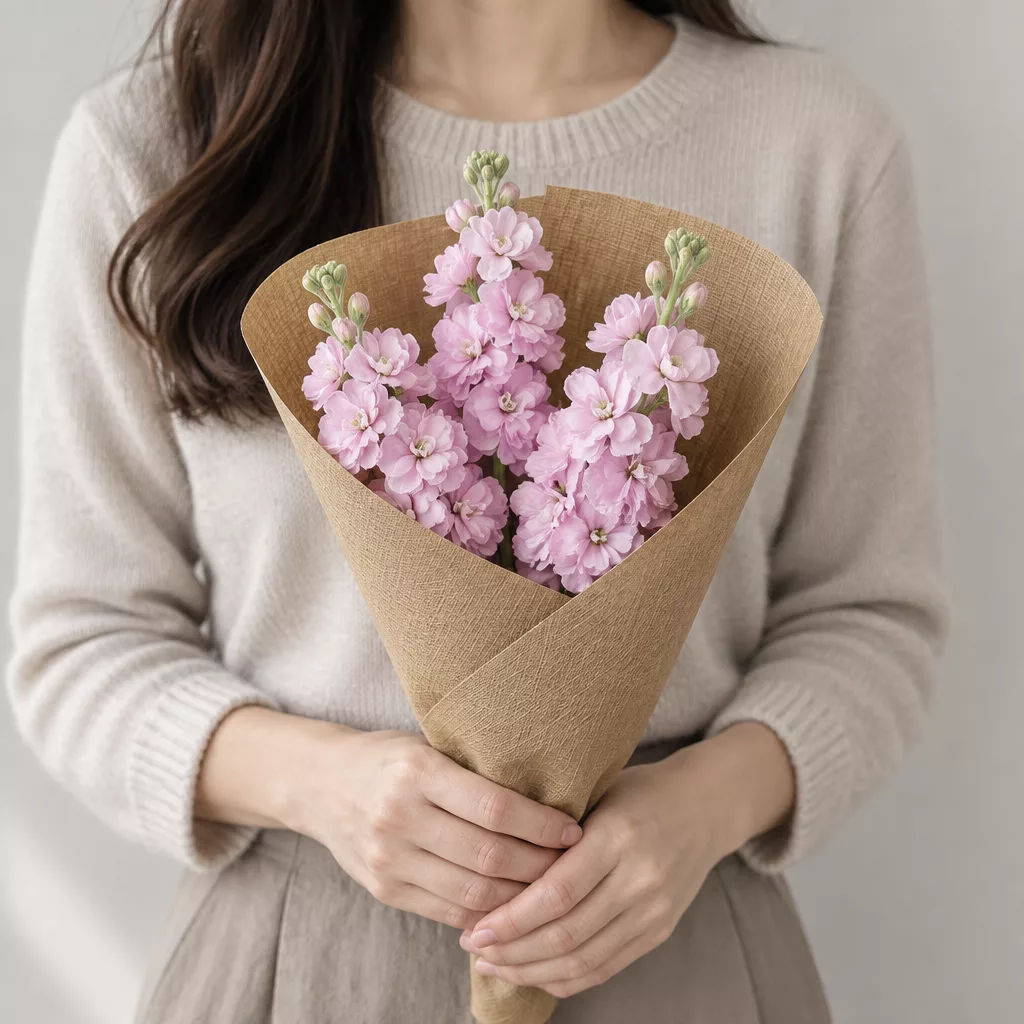
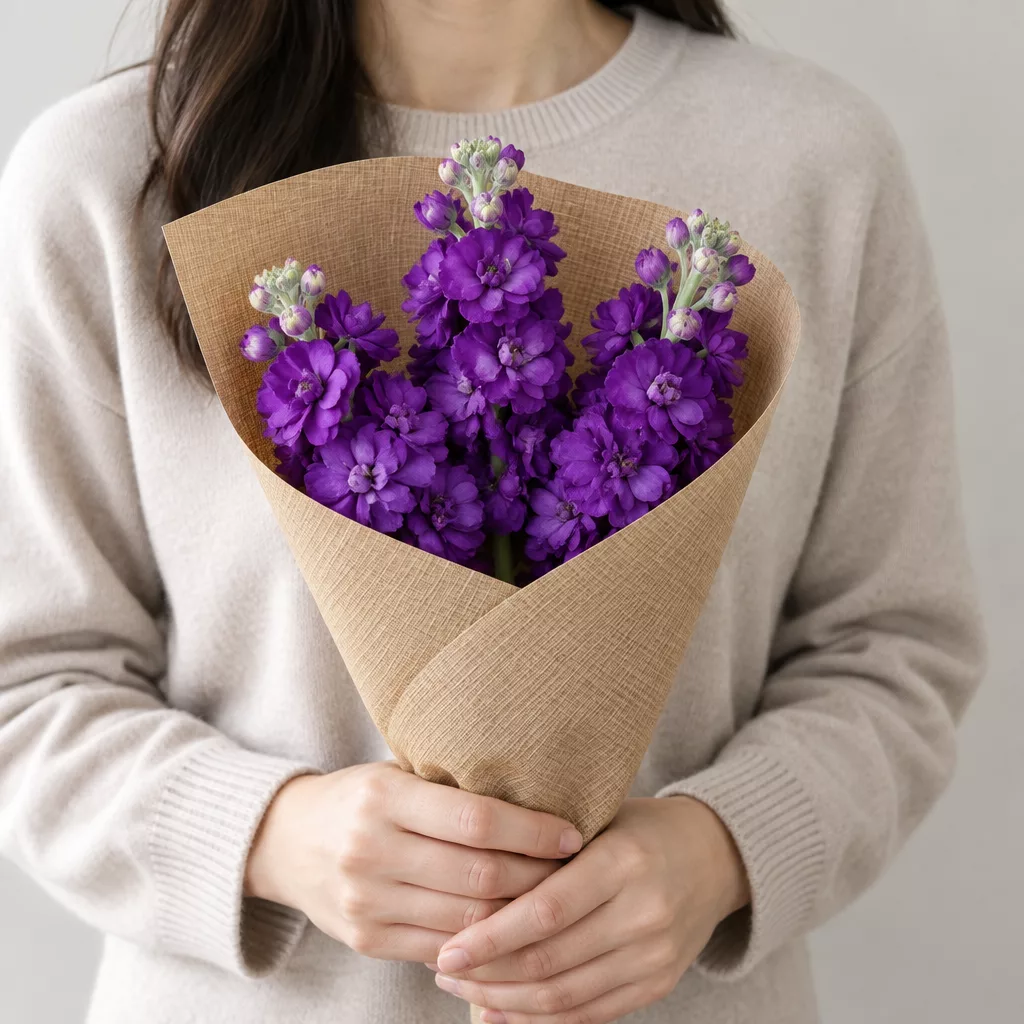
Bouquets we can deliver


Reading the Occasion Before You Choose a Single Stem
Before you think about colour or variety, think about what the teacher will feel when she receives the bouquet. On Knowledge Day, she is standing in a courtyard or a corridor, accepting flowers from twenty or thirty families. The bouquet needs to be beautiful and generous, but it also needs to survive being held, set down, picked up again, and carried home on public transport. Delicate open blooms that wilt quickly in the September heat are a poor choice regardless of how lovely they look in a refrigerator.
On Teacher's Day in October, the mood is warmer and more intimate. The school day is already underway, the novelty of the new year has settled, and a bouquet feels more like a personal thank-you than a collective celebration. This is the occasion where a more considered arrangement — one that reflects the teacher's personality or favourite colours — lands with real impact. If you know she loves garden roses or has a soft spot for white flowers, October is when that knowledge pays off.
For a final bell or a graduation, the emotion is bittersweet and significant. Students are marking an ending that is also a beginning. A bouquet for this moment should feel meaningful rather than merely festive. Rich colours, full blooms, and a composition that holds together beautifully in photographs all matter here. Think about how the moment will look and feel, not just what is technically appropriate, and let that guide the shape and scale of what you send.
The Unspoken Rules Around Flower Numbers and Colour
Russian flower-giving comes with a specific rule about stem count that every florist knows and every customer should understand. Even numbers of flowers are associated with mourning and are brought to funerals. For any celebratory occasion, including every teacher-related gift, the number of stems must be odd: three, five, seven, nine, eleven, and so on. This is not a superstition that only older generations observe — it is a living convention that applies across all ages and regions. An even-numbered bouquet sent to a teacher will be noticed, and not in a good way.
Colour carries its own set of signals. White flowers read as pure, respectful, and formal — they are universally appropriate for teachers and work beautifully on Knowledge Day. Yellow flowers are cheerful and energetic, well suited to the start of a new school year, though in some older traditions yellow carries associations with parting. In modern Russian cities this concern has largely faded, and yellow roses or sunflowers are commonly given without any awkwardness. Red flowers, especially red roses, signal strong emotion and are better saved for occasions with a personal dimension rather than a professional one.
Mixed-colour bouquets in soft tones — cream, blush, lavender, pale yellow — navigate all of these considerations gracefully. They feel generous without being overstated, and they suit a teacher of any age or subject. If you are uncertain about the teacher's preferences, a mixed arrangement in gentle colours with odd stem count is a reliable and genuinely beautiful choice.
Varieties That Work Well and Why They Hold Up
Chrysanthemums are the quintessential teacher flower in Russia, and there is a practical reason for that beyond tradition. Spray chrysanthemums and single-headed varieties both have exceptional vase life — seven to fourteen days when properly cared for — and they hold up well in warm temperatures. On the first of September, when outdoor ceremonies can run in temperatures above twenty degrees Celsius, a bouquet of chrysanthemums will still look presentable after two hours in a child's arms. This durability made them the default choice for Knowledge Day, and the association stuck.
Gladioli are another classic. Their tall, architectural stems make a statement that suits the formality of the occasion, and they are available in white, cream, pink, red, and deep burgundy. A single stem of gladiolus presented by a small child to a teacher is one of the iconic images of Knowledge Day in Russia. They do need to be handled carefully — the lower florets open first, so a stem that is already fully open at the base will decline faster. Choose gladioli where the lower two or three florets are just beginning to open and the rest are still in bud.
Garden roses, lisianthus, and alstroemeria work beautifully in mixed arrangements for Teacher's Day or graduation. Lisianthus in particular has an elegance that reads as thoughtful rather than generic. Alstroemeria lasts exceptionally well in a vase and comes in combinations of colour that allow for interesting compositions. Avoid fully open peonies for warm-weather delivery — they are gorgeous but fragile, and they will not survive a long morning outdoors.
Choosing by Budget Without Losing the Gesture
A modest budget does not mean a modest gesture if the bouquet is put together with intention. Five stems of white spray chrysanthemums with a single white gladiolus and some greenery is an arrangement that any teacher will receive with genuine pleasure. The key is that the stems are fresh, the presentation is clean, and the wrapping is neat. Florists who understand the occasion will suggest combinations that maximise visual impact within the amount you have to spend.
A mid-range budget opens up the possibility of mixing textures and heights. Consider pairing alstroemeria with lisianthus and a few stems of eucalyptus — the result is layered, fragrant, and substantially more personal than a single-variety bunch. Adding ribbon in the school's colours, if you know them, is a small touch that shows real thought. It costs almost nothing but communicates that the bouquet was chosen rather than grabbed.
At a more generous budget, a large mixed arrangement with garden roses at the centre, surrounded by spray chrysanthemums, lisianthus, and greenery, makes the kind of impression that a teacher will remember and photograph. The composition should have a clear focal point and a shape that holds together from every angle, because it will be photographed from every angle. For Knowledge Day specifically, a bouquet that photographs well matters — these images circulate in family albums and on social media, and a beautiful arrangement is a gift to the memory of the day as much as to the teacher herself.
Getting the Delivery Right on Knowledge Day
The first of September presents a specific logistical challenge. Ceremonies typically begin at nine or ten in the morning, which means bouquets need to arrive before the family leaves for school — or be delivered directly to the school. Ordering the night before and requesting an early morning delivery window is the most reliable approach. Florists across Russia see their highest single-day volume on this date, and orders placed on the morning of the first are the ones most likely to arrive after the ceremony has ended.
Temperature is a real concern in early September in many Russian cities. Saint Petersburg, for example, can see warm, sunny mornings well into September. Flowers that have been refrigerated and then placed in a warm car or held in direct sunlight will decline faster than their normal vase life suggests. Ask for packaging that includes a water source — a small water tube on the stem ends, or a wrapped damp base — if the bouquet will be carried for more than thirty minutes before being placed in water.
If you are sending flowers to a teacher in another city through a same-day delivery service, confirm the delivery window explicitly. A bouquet that arrives at two in the afternoon on Knowledge Day misses the ceremony entirely and loses much of its meaning. The timing of the delivery is as important as the flowers themselves on this particular date. Plan for it the way you would plan for any time-sensitive occasion, because that is exactly what it is.
Vase Life and What to Tell the Teacher
A thoughtful gift includes a few words of care advice, either on a card or passed along verbally. Most teachers will put the bouquet in water as soon as they get home, but many will not know to cut the stems at an angle before doing so. A diagonal cut increases the surface area through which the stem draws water, and it makes a measurable difference in how long the flowers last. Even a centimetre removed from the base of each stem, cut cleanly with a sharp knife rather than scissors, extends vase life noticeably.
Water temperature matters more than most people realise. Chrysanthemums and gladioli prefer cool water, and adding a small amount of fresh water daily keeps the vase environment clean. Changing the water entirely every two days and re-cutting the stems each time gives the flowers the best possible chance of lasting their full natural span. Keeping the vase away from direct sunlight and from fruit bowls — ethylene gas released by ripening fruit accelerates flower decline — are two simple habits that most people have never been told.
For a mixed bouquet with roses, remove any leaves that fall below the waterline immediately. Submerged leaves rot quickly and introduce bacteria into the water, which shortens the life of every stem in the vase. This single step is responsible for more lost days of vase life than almost any other factor. Writing these tips on the card that accompanies the bouquet turns a beautiful gesture into a practical one, and teachers, who are professional learners by nature, tend to appreciate that combination enormously.
Giving flowers to a teacher in Russia is a tradition with real weight behind it, and getting it right is not complicated once you understand what the occasion is asking for. Choose an odd number of stems, think about the temperature the bouquet will face, match the scale of the arrangement to the significance of the moment, and send it early enough to arrive before the ceremony rather than after. Whether it is the first of September or the last bell of the school year, a bouquet chosen with care tells a teacher that her work has been seen and valued — and that is a message worth delivering beautifully. We deliver bouquets across Russia in 1–2 hours.
Frequently asked questions
Is it appropriate to give a male teacher flowers in Russia?
Yes, it is entirely appropriate. The tradition applies to teachers of all genders. Male teachers receive flowers on Knowledge Day and Teacher's Day just as female teachers do. A well-composed bouquet in neutral or cool tones — white, cream, or green — tends to feel most natural, but there is no rule against colour. The gesture itself is what carries meaning.
What if I do not know the teacher's favourite flowers?
Default to white or mixed soft-toned arrangements built around chrysanthemums, lisianthus, or alstroemeria. These varieties are universally well-received in a school context, hold up well in warm conditions, and do not carry any strong personal associations that might feel presumptuous. A clean, generous bouquet in neutral colours is always a safe and genuinely lovely choice.
Can I send flowers to a teacher at the school address?
Yes. Providing the school address, the teacher's name, and an approximate time when she will be present is enough for a delivery. On Knowledge Day, specify whether the ceremony is outdoors or indoors and what time it begins, so the bouquet arrives before rather than after the event. Early morning delivery slots fill quickly on the first of September, so order the evening before.
Are there flowers I should definitely avoid for a teacher gift?
Avoid even numbers of stems — this is the most important rule. Fully open peonies in warm weather wilt quickly and are a poor choice for outdoor ceremonies. Very dark red roses can feel romantically charged in a professional context. Beyond these points, most flowers are appropriate; the arrangement, freshness, and timing matter more than avoiding specific varieties.
How far in advance should I order flowers for Knowledge Day?
Order at least the evening before, ideally two days ahead if you want a specific variety or a large arrangement. The first of September is the single busiest flower delivery day in Russia. Same-day orders placed on the morning of September first risk arriving after ceremonies have ended. An early order with a confirmed morning delivery window is the most reliable approach.
Ready to send flowers?
Pick the city, choose the bouquet, and a local florist takes it from there.
Choose a city →