Teacher's Day Flowers in Russia: What Pupils Traditionally Give
Every year on October 5, Russian classrooms fill with colour before the first bell even rings. Students arrive carrying bouquets, parents coordinate in chat groups the night before, and teachers spend the morning arranging flowers in every available jar and vase they can find. If you are new to this tradition — or simply want to get the bouquet right this time — here is what actually happens, why certain flowers became the custom, and how to choose something a teacher will genuinely love rather than just politely accept.
Why October 5 Matters and How the Tradition Took Shape
Teacher's Day in Russia falls on October 5, which is also the UNESCO World Teachers' Day. The holiday has Soviet roots — it was celebrated on the first Sunday of October for decades before being fixed to October 5 in 1994. That timing matters for flowers: early October sits in a transitional moment between late summer abundance and the first real autumn chill, which shapes exactly what is available and what looks appropriate.
The tradition of bringing flowers to school on this day is deeply embedded in Russian culture. It is not a gesture that needs explanation or an occasion that feels forced. Teachers expect bouquets; pupils feel the ritual as natural as standing when a teacher enters the room. For families who did not grow up in Russia, this can feel surprisingly formal for a school morning, but that formality is warm rather than stiff.
Parents typically organise class contributions — everyone chips in and one large, coordinated bouquet is presented on behalf of the whole group. Individual pupils, especially in secondary school, often bring their own smaller arrangement on top of that. The result is that a teacher might receive six or eight bouquets before noon. Knowing this changes how you should think about your contribution: something that stands out in a crowd of chrysanthemums is always appreciated, but something too delicate or too large becomes impractical for a person who still has six lessons to teach.
Bouquets we can deliver

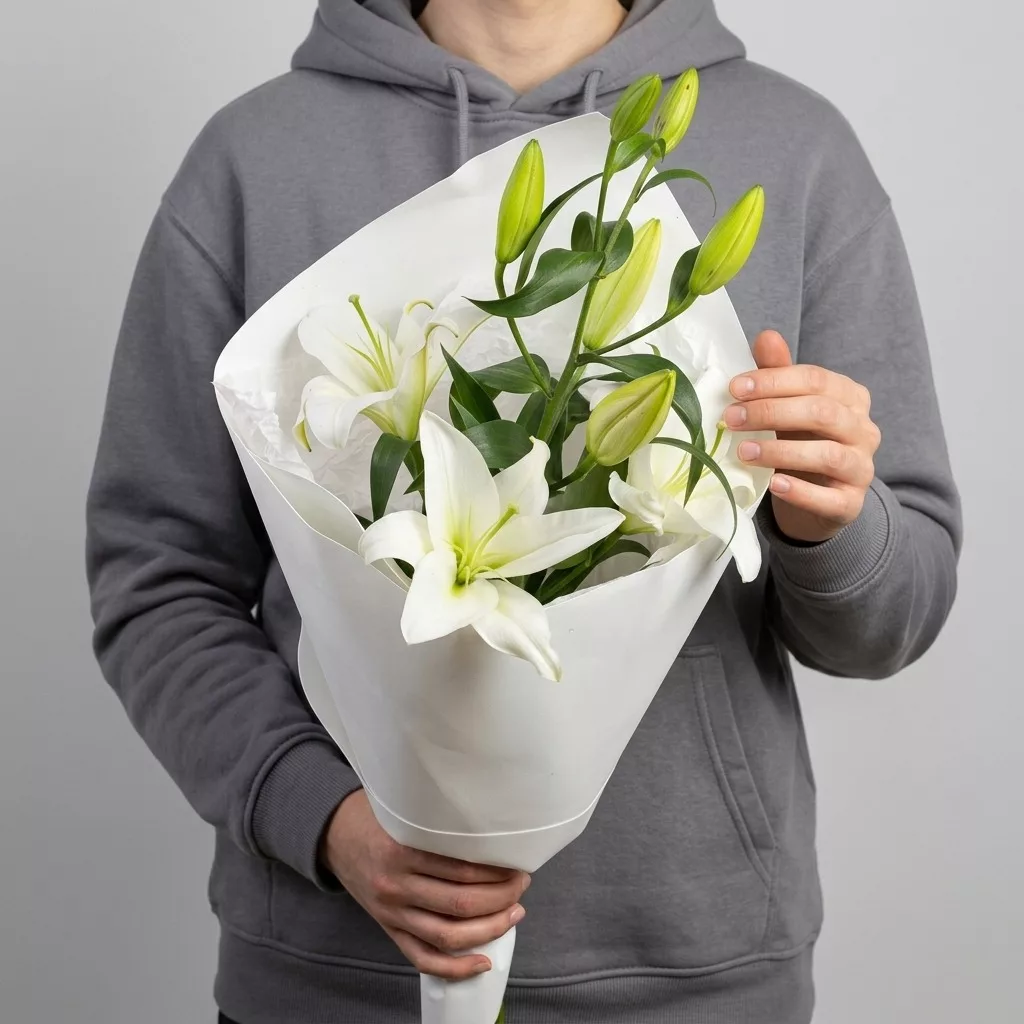
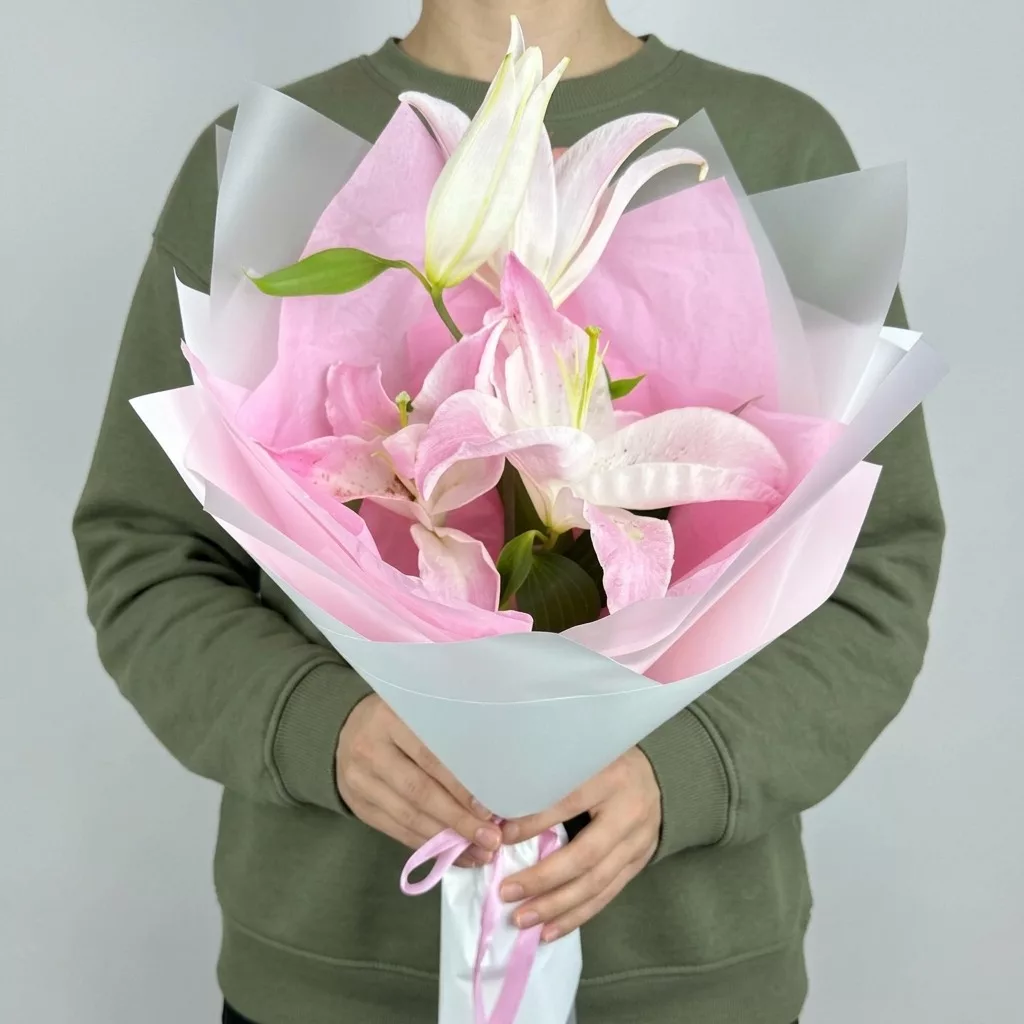

The Classic Choices: Varieties That Appear Every Year
Chrysanthemums are the undisputed queen of Teacher's Day in Russia. Large-headed spray chrysanthemums in white, yellow, and burgundy appear in virtually every classroom on October 5. They are hardy, long-lasting, and available in volume at the right time of year — a combination that made them the default choice over generations. A single-variety bouquet of white spray chrysanthemums, tightly gathered and wrapped in kraft paper, still looks elegant and considered rather than generic if the stems are uniform and the flowers are just beginning to open.
Gladioli are another classic, particularly in secondary schools. Their tall, architectural stems suit the slightly more formal atmosphere of older classrooms, and the colour range — from pale cream through coral and deep violet — gives real room for personalisation. The one practical note: gladioli need a tall vase, which not every staffroom has. If you are choosing gladioli, a single stem or three stems in a complementary colour is more manageable than a full armful.
Roses appear frequently too, especially from parents rather than young children. Garden roses with open, cupped heads feel more generous than tight hybrid tea buds. Alstroemeria is popular in mixed bouquets because it lasts well and adds movement. Lisianthus — sometimes called eustoma — has become increasingly common over the last decade, offering a soft, almost peony-like fullness that reads as thoughtful and current without being unfamiliar to the recipient. These are the varieties you will see most consistently, and combining two or three of them with seasonal foliage creates something far more interesting than a single-variety bunch.
Choosing by the Situation: Class Gift Versus Personal Bouquet
The class gift and the personal bouquet serve different purposes, and treating them the same is the most common mistake parents make. A class gift needs to be impressive at a distance — it will be presented in front of thirty children and photographed. Volume, height, and a clear colour story matter more than fine detail. Think a structured arrangement of chrysanthemums and gladioli in the school's colours, or a generous mixed bouquet where every stem is large enough to read from the back of the room.
A personal bouquet, by contrast, is a private gesture. It can be smaller, more considered, and more specific to the teacher's personality. If you know she loves pale colours, a handful of white lisianthus and dusty miller is far more meaningful than a standard yellow chrysanthemum bunch. If the teacher is young and teaches art, something with texture — pampas, dried seed heads mixed with fresh flowers — might resonate. The point is that a personal bouquet earns its place by being personal.
For parents coordinating a class contribution, the practical advice is to order early — by the evening of October 4 at the latest — and to specify a delivery window that lands before school starts, typically between 7:00 and 8:30 in the morning. Teachers arrive early on this day, and having the bouquet ready at the classroom door rather than delivered mid-lesson makes the moment feel intentional. If you are sending directly to a school address, confirm the reception arrangements in advance so the flowers are not left in an unheated entrance hall.
Budget Ranges and What They Actually Buy
Teacher's Day bouquets in Russia cover a wide range, and the amount spent is less important than how the money is used. A modest contribution from a young pupil — a small bunch of three spray chrysanthemum stems with a ribbon — is entirely appropriate and warmly received. The gesture is what registers, not the stem count.
At a mid-range spend, you can build a genuinely beautiful bouquet: five stems of garden roses paired with alstroemeria and eucalyptus, or a mixed arrangement of lisianthus, white chrysanthemums, and waxflower. This is the range where most individual parent contributions land, and it is enough to produce something that looks considered and professional.
Class collections, pooling contributions from twenty or thirty families, can commission something significantly more substantial — a large structured bouquet or even a small floral arrangement in a box. At this level, the florist can work with seasonal ingredients to create something that genuinely surprises: dahlias in deep burgundy and copper, for instance, are at their peak in early October and bring a richness that standard chrysanthemums cannot match.
The mistake at every budget level is buying flowers the day before and leaving them overnight in a warm apartment. Flowers cut in the morning and delivered the same day arrive in far better condition than anything purchased the evening before and kept at room temperature. October temperatures in Saint Petersburg typically sit between 8 and 14 degrees Celsius, which is actually ideal for short-term flower transport — cooler than summer, which means the blooms hold well during a morning journey.
Presentation and Wrapping: What Makes a Bouquet Look Right
Russian floral tradition has its own visual language, and Teacher's Day bouquets follow it closely. Kraft paper wrapping — brown or white — is considered clean and tasteful. Cellophane wrapping is still used but feels slightly dated; if you are ordering from a florist, kraft or fabric wrapping signals a more current sensibility. A simple satin ribbon in a neutral colour finishes the bouquet without competing with the flowers.
The bouquet should be hand-tied rather than arranged in foam, because a teacher will need to put it in water quickly and a hand-tied bunch transfers easily to any vase. Foam arrangements are better suited to desk displays that will stay in one place. For school delivery, practicality is part of the gift.
Colour coordination matters more than most people realise. A bouquet built around one or two colours reads as intentional; a bouquet with six different colours in equal proportion reads as assembled rather than designed. White and cream with a single accent — burgundy, coral, or lilac — is a combination that works across almost every taste. For teachers of younger children, warmer tones like yellow, peach, and soft orange feel celebratory and bright. For secondary school teachers, cooler palettes with dusty blues, whites, and greens feel more sophisticated.
Size is worth considering practically. A bouquet that a teacher can hold in one arm while shaking hands with a parent with the other is the right size. Anything that requires two hands to carry becomes a minor inconvenience repeated many times over the course of a busy morning.
Care Instructions to Pass Along With the Bouquet
A teacher receiving eight bouquets on the same morning will not have time to care for each one individually, but a few simple instructions tucked into the wrapping can make a real difference to how long the flowers last. Most cut flowers will hold for five to seven days with basic care; chrysanthemums and alstroemeria often last ten days or more.
The first step is always a clean diagonal cut on the stems — about two centimetres from the bottom — before placing them in fresh, cool water. Warm water shortens vase life noticeably. The vase should be rinsed clean, because bacteria in residue from previous bouquets will affect the new flowers immediately. Any leaves that fall below the waterline should be removed, as submerged foliage rots quickly and clouds the water.
Gladioli open from the bottom upward, so the top buds will continue to open over several days. Removing spent lower florets as they fade keeps the stem looking fresh and encourages the upper buds to develop fully. Lisianthus and spray chrysanthemums need very little intervention — just fresh water every two days and a trim every three days.
The staffroom environment is often warm and dry, which accelerates wilting. If the teacher can place the bouquets away from direct heating vents and out of direct sunlight, the flowers will last significantly longer. Passing along this small piece of advice — a note in the wrapping, or a word from a parent — shows consideration beyond the bouquet itself and is the kind of detail that a florist would always recommend.
Teacher's Day on October 5 is one of those occasions where the flower itself carries real meaning — it is not a corporate gesture or an obligatory token but something genuinely felt by the person receiving it. The traditions around chrysanthemums and gladioli exist because they work: these flowers are robust, generous in appearance, and available at exactly the right moment of the year. But within that tradition there is plenty of room to be specific, to choose a colour that suits the person, a stem that surprises, a combination that says you thought about it. Whether you are coordinating a class gift or choosing something personal, the best bouquet is one that arrives fresh, is presented with care, and is easy for a busy teacher to put straight into water. Everything else is detail — and detail, when it is right, is everything.
Frequently asked questions
What flowers are most traditional for Teacher's Day in Russia?
Chrysanthemums are the most established choice, appearing in nearly every classroom on October 5. Gladioli, roses, and alstroemeria are also very common. Lisianthus has grown popular in recent years as a softer, more contemporary alternative that still feels appropriate for the occasion.
Is it better to send a bouquet to the school or give it in person?
Both are perfectly acceptable. Delivery directly to the school before lessons begin is increasingly common, especially for class gifts coordinated by parents. If you choose delivery, confirm with the school reception that someone will be available to receive the flowers and that they will not be left in an unheated entrance area.
How many flowers should a Teacher's Day bouquet contain?
There is no fixed number, but practicality matters. A teacher will receive multiple bouquets, so something she can hold in one arm is ideal. Five to nine stems in a hand-tied arrangement is a comfortable range for an individual gift. Class bouquets can be larger since they are presented as a group gesture.
Can I order Teacher's Day flowers the evening before and keep them overnight?
It is much better to order for same-day morning delivery on October 5. Flowers kept overnight in a warm apartment — even wrapped — lose freshness noticeably. October temperatures in Saint Petersburg are cool enough for good transport conditions, so a morning delivery arriving before school starts is the ideal approach.
What colours work best for a Teacher's Day bouquet?
White, yellow, and burgundy are the most traditional and universally liked. For younger teachers or art and music teachers, warmer coral and peach tones work well. Cooler palettes with whites and lilac suit more formal or senior staff. Limiting the bouquet to two complementary colours always looks more intentional than mixing many shades equally.
Ready to send flowers?
Pick the city, choose the bouquet, and a local florist takes it from there.
Choose a city →