Flowers for a Russian Teenager: Styles That Don't Feel Old-Fashioned
Choosing flowers for a teenager can feel like a small gamble. Hand them a stiff, formal arrangement wrapped in cellophane and you will see a polite smile that says nothing. Get it right, though, and the bouquet ends up in a photo on their phone before it even reaches the table. The difference is almost never about price — it is about understanding what a young person actually responds to, and building the bouquet around that feeling rather than around tradition.
Why Teenage Recipients Need a Different Approach
In Russia, flowers are given far more freely than in many Western countries — at school graduations, birthdays, the first day of school in September, and even as a casual thank-you. Teenagers receive bouquets often, which means they have already seen the standard red rose dozen and the round peony ball wrapped in kraft paper. Familiarity breeds indifference, and a generic arrangement will simply blend into the background of their day.
What a teenage recipient actually notices is texture, colour contrast, and a sense that someone thought specifically about them rather than grabbing the nearest ready-made bouquet. They are also, whether consciously or not, influenced by what they see on social media — loose, slightly wild compositions with interesting foliage, unexpected colour combinations, and flowers that look alive rather than arranged by a ruler.
The good news is that florists have a wide vocabulary to work with here. The goal is to move away from the formal symmetry and muted palettes that signal celebration to an older generation, and instead lean into movement, personality, and a little unpredictability. That shift does not require exotic or expensive flowers — it requires a different way of putting them together. Understanding the recipient first, and the occasion second, is always the right starting point.
Bouquets we can deliver

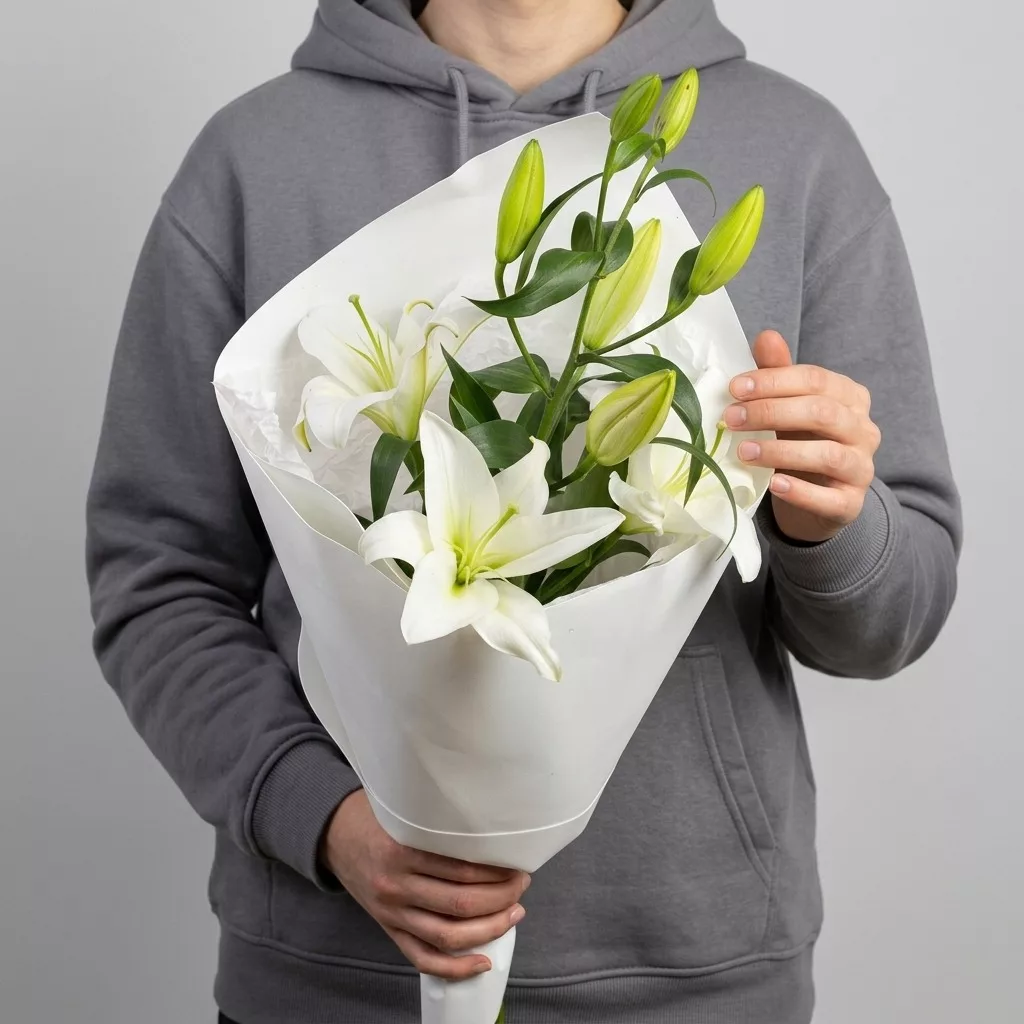
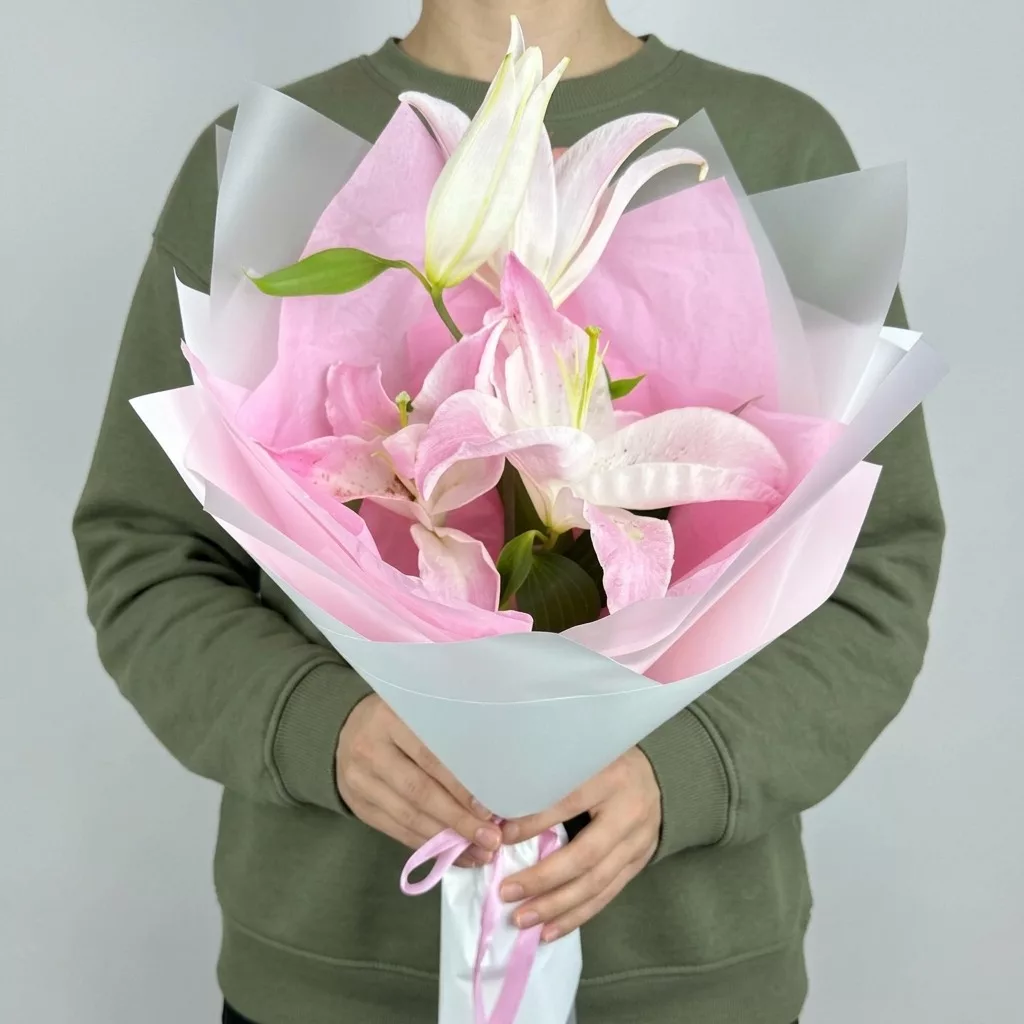
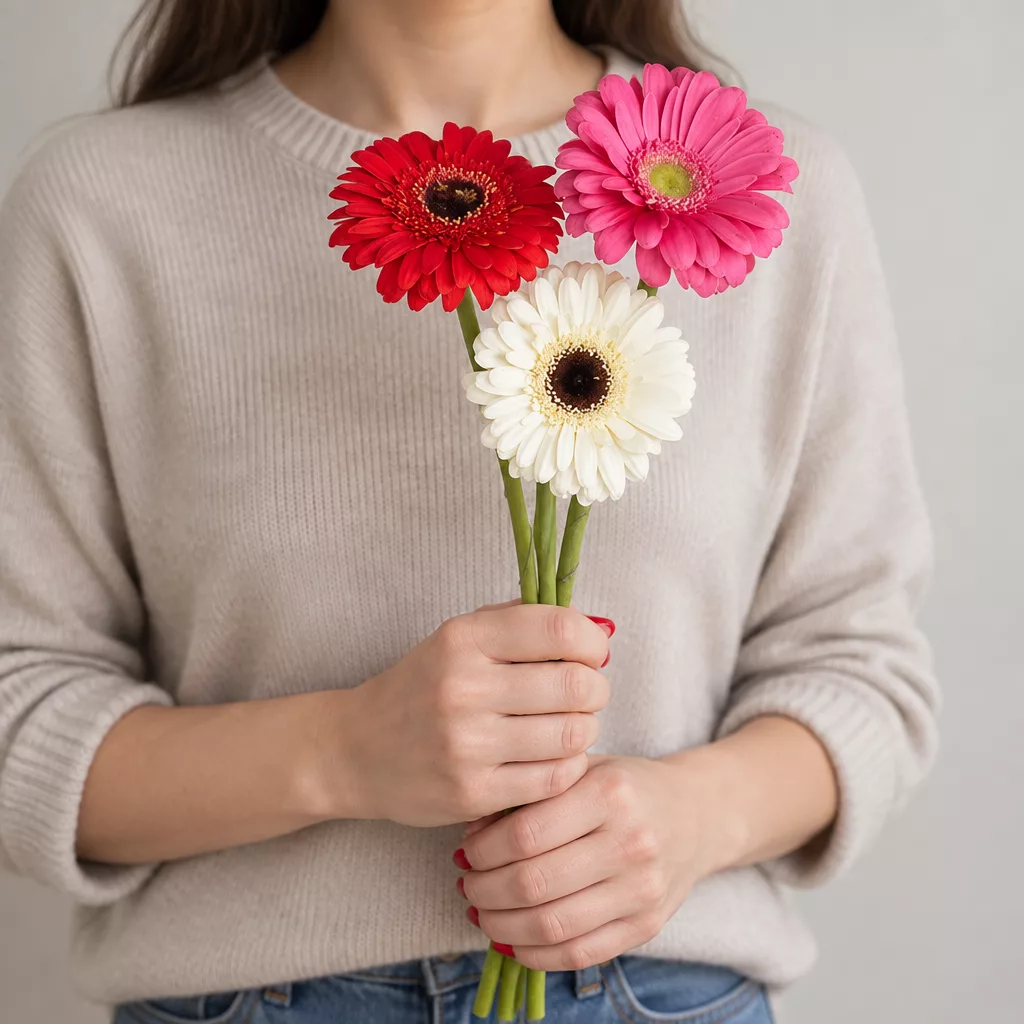
Reading the Occasion Before You Choose a Single Stem
A bouquet for a sixteen-year-old's birthday should feel completely different from one marking the end of the school year, even if both are going to the same person. Birthdays call for energy and colour — something that photographs well and feels like a celebration of that specific individual. The last school bell in late May, known in Russia as the Last Bell ceremony, is more sentimental, and a softer palette with a touch of white or cream can carry that emotional weight without feeling funereal.
For a teenager receiving flowers after a performance — a school play, a dance recital, a sports win — the bouquet should feel spontaneous and generous rather than formal. Loose, garden-style arrangements with stems at slightly different heights work beautifully here because they look like they were gathered with enthusiasm rather than constructed by a committee.
If you are sending flowers from a distance and cannot deliver them in person, think about the moment of arrival. A bouquet that opens up over the first day or two — with some buds still closed — gives the recipient something to watch and look forward to. Spray roses, lisianthus, and ranunculus all open gradually and hold their shape well, making them practical choices for delivery as well as visually rewarding ones. Knowing the occasion shapes every other decision that follows, from colour to stem length to wrapping style.
Colours and Combinations That Actually Work for Young Recipients
Forget the idea that bright means cheap. For a teenage recipient, a bouquet built around saturated, confident colour is almost always more exciting than a muted, pastel arrangement. Coral and burnt orange ranunculus paired with deep burgundy scabiosa and a few stems of eucalyptus reads as sophisticated and current. Violet and electric blue anemones mixed with white lisianthus and a single accent of chartreuse button chrysanthemum creates the kind of contrast that catches the eye in a photograph.
That said, not every teenager wants bold colour. Some will respond far better to a tonal arrangement — all shades of one colour family, from blush to dusty rose to deep magenta — which can look extremely editorial and modern when done with varied textures. The key in a tonal bouquet is to mix flower forms: round blooms like garden roses or ranunculus, spiky ones like veronica or tweedia, and flat or open ones like cosmos or anemones.
White bouquets deserve a special mention. A pure white arrangement is not cold or plain when it is built with enough texture — white lisianthus, white spray roses, white veronica, and silver-leafed dusty miller create something that looks genuinely contemporary. Avoid adding too many greenery stems with rigid, straight shapes; opt instead for trailing jasmine vine or soft ruscus to give the whole thing a sense of movement. Colour is a tool, and the right combination tells the recipient that someone paid attention.
Bouquet Styles by Budget: Getting the Most From Every Range
At a modest budget, the smartest move is to commit fully to one flower variety and let volume do the work. A generous bunch of spray roses in a single vivid colour — think deep coral or bright fuchsia — wrapped in a contrasting tissue paper looks intentional and plentiful rather than sparse. Add one or two stems of a contrasting foliage like eucalyptus or pittosporum and the bouquet has depth without complexity. Resist the urge to add many different flowers at a low budget; too much variety with too few stems of each looks scattered.
At a mid-range budget, you have room to introduce two or three flower varieties and create genuine contrast. A combination of garden roses, lisianthus, and a small amount of seasonal foliage gives the florist enough material to build something with real structure and visual interest. This is also the range where you can request a specific wrapping style — matte paper, linen ribbon, or a simple dried grass accent — which adds personality without adding significant cost.
At a higher budget, the bouquet can include statement flowers that genuinely surprise. Protea adds an architectural quality that teenagers who follow design trends will immediately recognise. Peonies in season — available in Russia primarily from late April through June — feel luxurious and photographically irresistible. Hellebores, when in season, have a downward-facing, slightly mysterious quality that reads as genuinely different from anything in a standard florist window. At this level, presentation matters as much as the flowers themselves, and a well-chosen box or a hand-tied wrap in an unexpected material elevates the whole gift.
Flower Varieties Worth Knowing by Name
Ranunculus is arguably the single most teenager-friendly flower available to a florist. The tightly layered petals look almost artificial in their perfection, they come in an enormous range of colours including coral, apricot, deep red, white, and bicolour varieties, and they photograph exceptionally well. They are also relatively long-lasting — expect seven to ten days in a vase with clean water and a cool room. The main caveat is that ranunculus is a cool-season flower, most reliably available in Russia from late winter through spring.
Anemones have a graphic, high-contrast quality — typically a dark almost-black centre surrounded by petals in white, red, purple, or pink — that looks extremely current in the context of modern floral design. They are delicate and prefer cool temperatures, so they are best used in arrangements that will be kept away from direct sunlight and radiators, which is worth mentioning to a teenage recipient who might keep them in a warm bedroom.
Lisianthus is underrated for this age group. It has a ruffled, rose-like appearance but costs less and lasts longer, often ten to fourteen days when properly conditioned. It comes in purple, white, pink, and bicolour forms. Scabiosa, sometimes called pincushion flower, adds a wild, meadow-gathered quality that contrasts beautifully with rounder blooms. Veronica spicata, with its tall tapering spikes, adds vertical movement and a slightly untamed feel. These are the varieties that separate a florist who thinks about composition from one who simply fills a vase.
Presentation Details That Make the Difference
A beautiful bouquet can be undermined by the wrong wrapping, and the right wrapping can make an ordinary bouquet feel special. For a teenage recipient, avoid the stiff cellophane cone that is traditional in Russian flower markets — it looks dated and crinkles loudly. Instead, matte kraft paper, linen-look paper in a neutral or earthy tone, or a single layer of coloured tissue paper tucked inside a paper wrap all feel more current.
The way the stems are tied matters too. A simple, clean knot with natural twine or a thin satin ribbon in a contrasting colour looks considered. Avoid oversized, fussy bows, which tend to read as old-fashioned to a younger eye. If the bouquet is being delivered rather than handed over in person, make sure the stems are wrapped in damp paper or a small water tube to keep them hydrated during transit — this is not just practical, it also means the flowers arrive looking their best rather than slightly wilted.
For a birthday or special occasion, a small handwritten card tucked into the wrap adds something that a printed label cannot replicate. If you are ordering remotely, most florists — including our team — can include a message on a card. Keep the message short and direct; teenagers respond to sincerity over formality. Finally, consider the stem length. A longer-stemmed bouquet looks more generous and dramatic when held or photographed, which matters to a recipient who will almost certainly take a picture of it.
Keeping the Bouquet Fresh: Practical Care for a Teenager's Room
A teenager's bedroom is often the worst possible environment for cut flowers — warm from electronics and body heat, sometimes with direct sunlight through a south-facing window, and not always equipped with a proper vase. Giving a few simple care instructions alongside the bouquet dramatically extends its life and the recipient's enjoyment of it.
The single most important step is a clean diagonal cut on the stems before placing them in water, removing any leaves that would sit below the waterline. Leaves submerged in water decompose quickly and cloud the water with bacteria, which shortens the life of every flower in the vase. Change the water every two days, or every day if the room is warm. A cool room — ideally below twenty degrees Celsius — extends vase life significantly; if the teenager keeps their room warm, suggest placing the bouquet in a cooler hallway or near a window at night.
Ranunculus and anemones are particularly sensitive to heat and should be kept away from radiators entirely. Lisianthus and spray roses are more forgiving and will typically last well even in slightly warmer conditions. Eucalyptus and most foliage are hardy and will outlast the flowers themselves. For a bouquet that includes peonies, be aware that they may arrive with buds that look almost closed — this is intentional and means they will open beautifully over the first twenty-four to forty-eight hours, which is actually a lovely experience for the recipient to watch. A little advance knowledge turns what might seem like a disappointment into a pleasant surprise.
Buying flowers for a teenager is really about paying attention — to who they are, what they like, and what the moment calls for. The varieties exist, the colour combinations are there, and the presentation choices are wider than they have ever been. What makes the difference is starting from the recipient and working outward, rather than reaching for whatever is familiar. A bouquet that feels chosen for a specific person, rather than selected from a standard menu, is one that actually gets remembered.
Frequently asked questions
What is a good flower choice for a teenage girl who finds roses too traditional?
Ranunculus, lisianthus, and anemones are all strong alternatives. They have a more contemporary look than a classic rose, come in a wide range of colours, and feel less formal. A loose, garden-style arrangement mixing two or three of these varieties with interesting foliage will look current and personal rather than generic.
Is it appropriate to give flowers to a teenage boy in Russia?
Yes, though it is less common than giving flowers to girls. For a teenage boy, keep the arrangement simple and unfussy — a small, clean bunch of one or two varieties in a strong colour works well. Sunflowers, bold spray roses, or a single-variety arrangement of veronica or lisianthus all feel appropriate without being overly feminine or formal.
How far in advance should I order a bouquet for delivery to a teenager?
For same-day delivery within one to two hours, you can order on the day itself. If the occasion is a specific event like a birthday party or a school ceremony, ordering a few hours before the intended arrival time gives the best results. For peony season or other flowers with limited availability, a day's notice is helpful.
Which flowers last longest if a teenager is likely to forget to care for them?
Lisianthus and spray roses are the most forgiving — they tolerate slightly warmer rooms and irregular water changes better than more delicate varieties. Chrysanthemums are also extremely hardy and long-lasting. Avoid anemones and ranunculus if you expect minimal care, as both prefer cool temperatures and clean water to perform well.
Can I request a specific wrapping style when ordering from Turboflora?
Yes. When placing your order you can specify preferences for wrapping material and style. For a teenage recipient, matte kraft paper or a linen-look wrap tends to look more modern than traditional cellophane. Mentioning the recipient's age and the occasion in your order notes helps our florists make the right choices on your behalf.
Ready to send flowers?
Pick the city, choose the bouquet, and a local florist takes it from there.
Choose a city →