Flowers for a Russian Anniversary: Romantic Etiquette Explained
An anniversary in Russia carries its own unspoken language, and flowers are the clearest sentence in it. Get the bloom right and you say exactly what you mean. Get it wrong — the wrong colour, an even number of stems, a variety that belongs at a birthday — and the gesture lands somewhere between puzzling and unlucky. This article walks you through what a working florist in Saint Petersburg sees every day: which flowers Russians read as deeply romantic, how stem counts shift meaning at milestone years, and how to word a card so it feels warm rather than formal.
Why the Bloom You Choose Speaks Before the Card Does
In Russia, flowers carry a social grammar that most people absorb from childhood without ever writing it down. Chrysanthemums, for example, are strongly associated with funerals in many regions, so sending them on an anniversary can unsettle even a recipient who would never say so aloud. Gladioli carry a similar weight — grand and celebratory for graduations or public events, but rarely romantic between two people. Knowing these associations is not about superstition; it is about reading your audience correctly.
Roses, peonies, and ranunculus sit at the romantic end of the spectrum in Russian culture. They appear at weddings, at proposals, and at intimate anniversaries. Tulips and irises are warm and affectionate but lean more toward friendship and family appreciation — lovely for a mother or a colleague, slightly casual for a spouse on a tenth anniversary. Orchids, particularly Phalaenopsis, read as elegant and considered, which makes them an excellent choice when you want to signal that you put real thought into the gift rather than reaching for the nearest bunch.
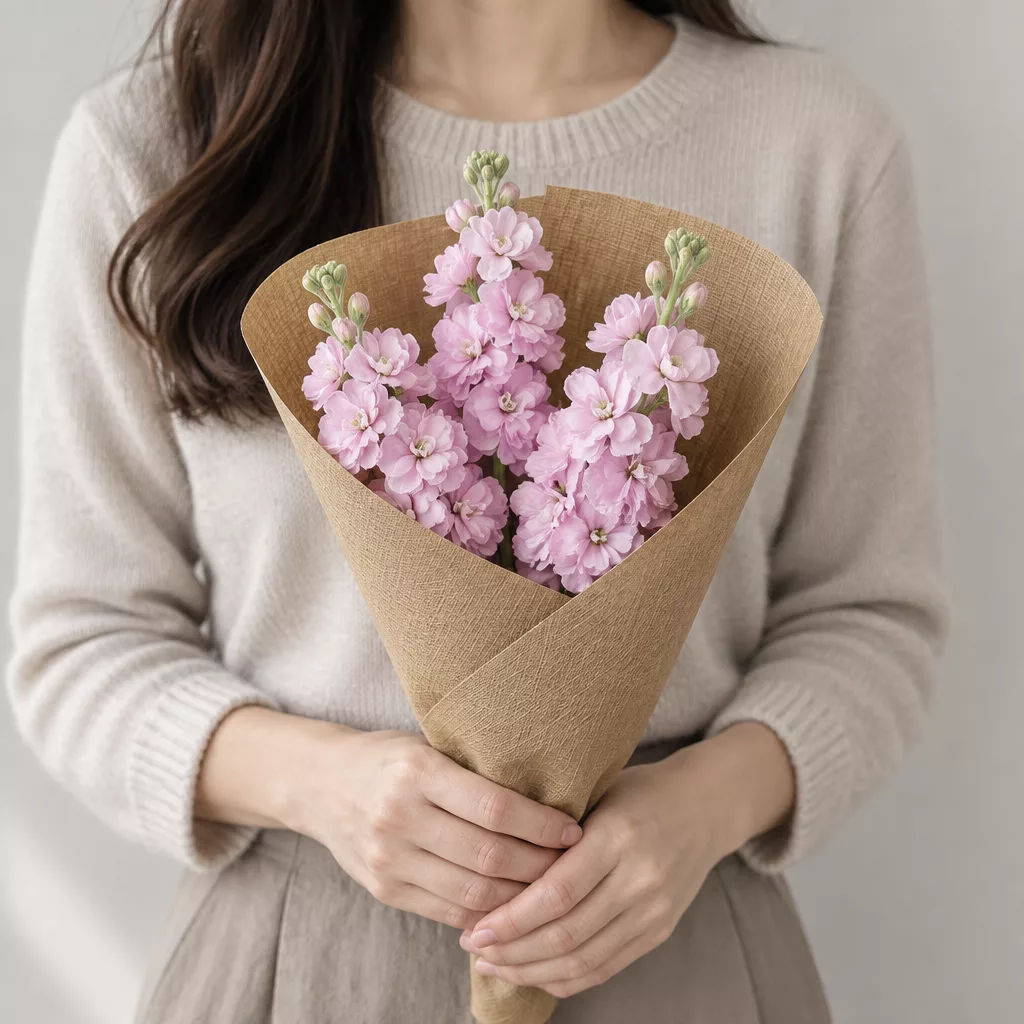
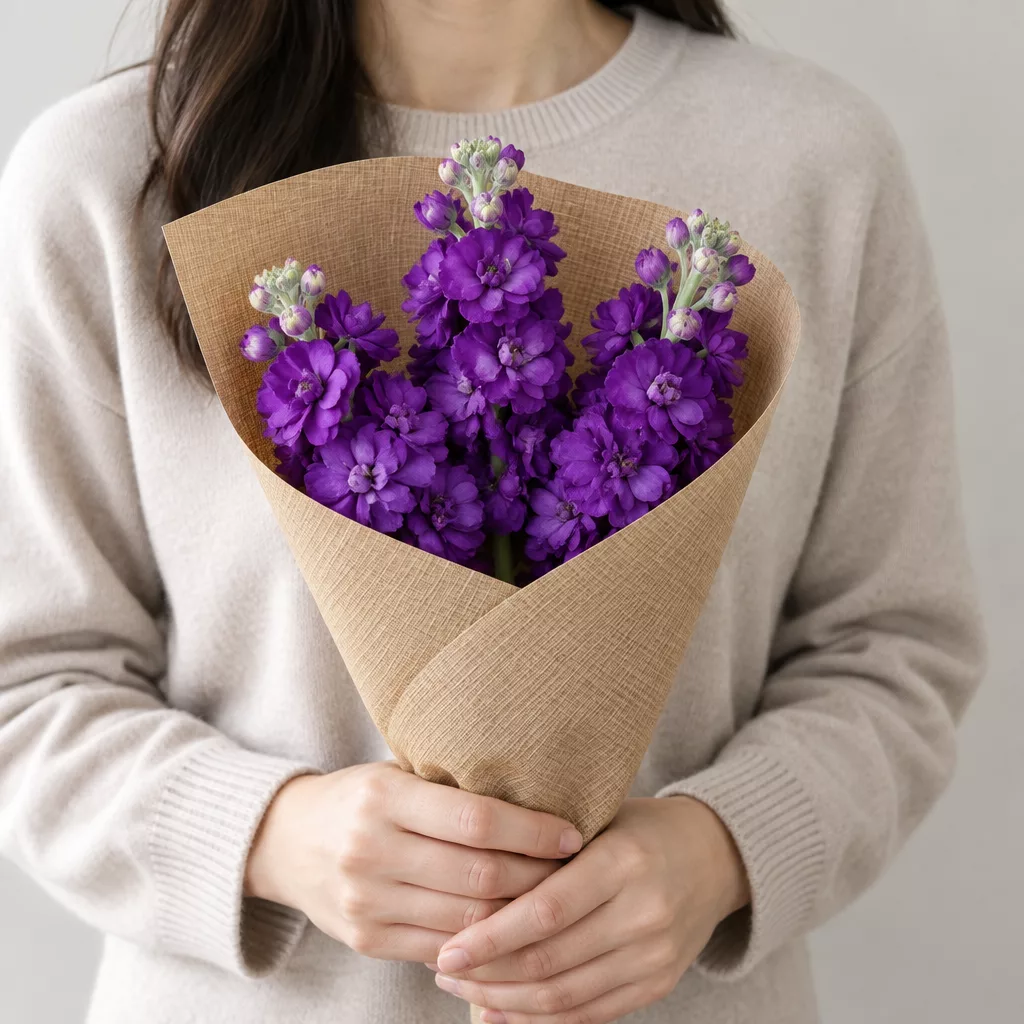
Presentation reinforces the message. A loose, hand-tied bouquet wrapped in kraft paper reads as personal and slightly spontaneous — a style that suits early anniversaries when the relationship still feels like an adventure. A structured, ribbon-tied arrangement in a box signals formality and ceremony, which fits milestone years like a twenty-fifth or fortieth. Matching the style to the stage of the relationship is something many people overlook entirely, and it is one of the details that recipients notice even when they cannot name exactly why a bouquet felt right.
Bouquets we can deliver


Sending Flowers to Someone Who Knows Russian Customs: The Even-Number Rule
This is the single most important technical rule for anyone ordering flowers for a Russian recipient: always send an odd number of stems. Even numbers of flowers are placed at graves and brought to memorial services in Russian tradition. Sending twelve red roses to your partner on your anniversary is not merely neutral — it carries an association that will register immediately for most Russian adults, even if they brush it off politely.
The odd-number rule applies to the total stem count, not to each variety separately. So a mixed bouquet of fifteen stems — say, nine garden roses combined with six ranunculus — reads correctly. The count that matters is what arrives in the hand. Florists who work regularly with international clients sometimes miss this because it runs counter to the even-dozen logic common in Western European and American gifting culture.
Practical stem counts that work well for anniversaries: seven stems for a first or second anniversary carries a light, early-romance feeling. Eleven is generous without being overwhelming and suits anniversaries up to about the fifth year. Fifteen and nineteen feel abundant and celebratory. For truly significant milestones — a twenty-fifth or a fiftieth — florists often build arrangements of twenty-five or fifty-one stems, matching the year symbolically while keeping the count odd. The fifty-one-stem bouquet of red roses is a recognised grand gesture in Russian romantic culture and needs no explanation when it arrives at the door.
Which Roses to Choose and Why the Colour Still Matters
Red roses are unambiguous in Russian romantic culture: they mean love, passion, and serious intent. They are the correct choice for a spouse or a long-term partner on a significant anniversary, and they will never be misread. The varieties that hold best in transit and in a vase are Explorer-type garden roses and the classic long-stemmed varieties bred for cut-flower longevity, such as Red Naomi and Explorer. These open slowly and last seven to ten days with proper care, which matters when the bouquet needs to travel across a city before it reaches its recipient.
Pink roses carry warmth and tenderness without the intensity of red, making them a strong choice for an anniversary where the tone you want is gentle rather than passionate — a couple celebrating quietly at home, or a situation where the relationship has a soft, settled quality. Cream and ivory roses read as elegant and slightly restrained, which suits milestone anniversaries where dignity matters as much as romance.
White roses are worth a moment of thought. In Russian culture, white flowers have a dual association: they appear at weddings but also at funerals. For most urban recipients today, white roses in a well-styled bouquet read as bridal and beautiful rather than mournful. However, if you are unsure of your recipient's sensibilities or their regional background — Russia is large and customs vary — mixing white roses with blush pink or ivory blooms softens any ambiguity entirely. The combination is stunning and carries no risk of misreading.
Milestone Years and the Flowers That Match Them
The first anniversary in Russian tradition is sometimes called the calico or paper anniversary, though most couples today do not observe material themes strictly. What florists see at the one-year mark is a preference for something light and joyful — tulips in spring, ranunculus in late winter and early autumn, or a small bouquet of garden roses. The gesture should feel celebratory without the weight of a major life event, because the relationship is still accumulating its story.
The fifth anniversary is where bouquets tend to grow. Eleven or fifteen stems become common. Peonies, when in season from late May through June, are an excellent choice here — they are unambiguously romantic in Russian culture, deeply fragrant, and visually generous. Out of peony season, garden roses in a coral or blush tone carry a similar warmth.
The tenth anniversary calls for something more considered. This is where a florist might suggest a mono-bouquet of nineteen long-stemmed red roses, or a composed arrangement mixing roses with eucalyptus and lisianthus for texture. Lisianthus, sometimes called eustoma, is widely available year-round in Russia and adds a ruffled, almost peony-like quality to arrangements at a lower price point — useful when the stem count needs to be high.
For a twenty-fifth or fiftieth anniversary, the scale shifts again. Twenty-five stems of a single premium variety — red roses, white Phalaenopsis orchids in a vase, or a structured peony arrangement — signals that the occasion is being treated with the seriousness it deserves. The number itself becomes part of the message.
Combinations That Feel Romantic Rather Than Generic
A single-variety bouquet is never wrong for a Russian anniversary, and many recipients prefer it precisely because the message is clean and legible. But a well-chosen combination can say something more layered — that the person who ordered it thought about texture, about how the flowers relate to each other, about what the recipient's home looks like.
One of the most reliably romantic combinations in Russian florist practice is red or deep-pink garden roses with white or cream lisianthus. The contrast is sharp enough to be interesting, the lisianthus softens the structure of the roses, and the overall effect is lush without being chaotic. Add three or four stems of eucalyptus or ruscus for greenery and the bouquet holds its shape for days.
For a lighter, more spring-like anniversary — a couple who met in April, for instance, or someone who prefers pastels — blush ranunculus with white anemones and a few stems of dusty miller creates something that feels almost like a wedding bouquet in miniature. Anemones have a short vase life of four to five days, so this combination works best when delivery is timed close to the occasion rather than a day ahead.
Spray roses mixed with larger garden roses in toning shades add depth and movement to a bouquet without introducing a second colour family. This is a technique florists use when the brief is simply beautiful and romantic — no specific mood, no particular aesthetic, just something that will make the recipient stop in the doorway for a moment before they say anything.
What to Write on the Anniversary Card: Wording That Lands Well
Russian card culture tends toward warmth and directness rather than the ironic understatement common in British gifting or the elaborate sentiment of American greeting cards. A card that says too little reads as cold; one that reaches too hard for poetry can feel performative. The sweet spot is a sentence or two that names the occasion, names what the relationship means, and closes with something specific to the two people involved.
A simple structure that works well: open with the occasion and the number of years if it is a milestone, then say one true thing about the relationship, then close with a forward-looking line. For example: It has been ten years. Every one of them has been better because of you. Here is to everything still ahead of us. This translates naturally into Russian and does not rely on cultural references that might feel foreign.
Avoid generic phrases like wishing you all the best or may all your dreams come true — these are the verbal equivalent of a filler flower, present but not saying much. Also avoid inside jokes or references that will confuse anyone who might see the card, since in Russian culture it is not unusual for a card to be read aloud to family members present at a celebration.
If you are writing in English for a Russian recipient who reads both languages, a bilingual card is a thoughtful touch — the English on one side, a Russian translation on the other. Many recipients keep anniversary cards, and having the message in their first language gives it staying power. Turboflora can include a handwritten card in Russian with your bouquet if you provide the text or ask for a florist's suggestion.
Keeping the Bouquet Fresh After It Arrives
A bouquet that arrives beautiful and wilts within two days is a disappointment that reflects on the gesture, not just the flowers. Understanding a few basics of cut-flower care helps the recipient get the most from what you have sent — and if you are ordering for someone who may not know these things, it is worth including a short note with the delivery.
Roses and garden roses should be placed in clean water immediately after arrival. The stems need a fresh diagonal cut — about two centimetres from the bottom — made with a sharp knife rather than scissors, which can crush the vascular tissue and reduce water uptake. Remove any leaves that would sit below the waterline, as they decompose quickly and cloud the water with bacteria. Change the water every two days and keep the vase away from direct sunlight and heating radiators, which are present in most Russian apartments from October through April and are one of the main reasons bouquets wilt prematurely.
Ranunculus and anemones prefer cool rooms and are sensitive to ethylene gas, which is produced by ripening fruit. Keeping the bouquet away from a fruit bowl extends its life noticeably. Peonies, if they arrive in tight bud — which is common in cooler months — can be encouraged to open by placing them in slightly warm water in a warmer room for a few hours.
Orchid arrangements in a vase or pot need less frequent watering than people assume: once a week is usually sufficient. Overwatering is the most common mistake with Phalaenopsis. A bouquet delivered in water tubes, as Turboflora arranges for longer-distance deliveries, will stay fresh for the transit time and then needs to be transferred to a vase within a few hours of arrival.
An anniversary bouquet in Russia is not decoration — it is a statement that the person receiving it will read carefully, even if they never say so. Getting the bloom right, the stem count right, and the card wording right takes a few minutes of thought and pays back in the way the moment lands. Whether you are sending eleven blush ranunculus for a second anniversary or fifty-one red roses for a fiftieth, the details are what turn a delivery into a memory. Turboflora's florists in Saint Petersburg put together anniversary arrangements every day and are glad to advise on what will work best for your occasion, your recipient, and the time of year. We deliver bouquets across Russia in 1–2 hours.
Frequently asked questions
Is it really bad to send an even number of flowers to a Russian recipient?
Yes, it is worth taking seriously. Even numbers of flowers are associated with mourning and memorial occasions in Russian tradition. Most recipients will notice immediately. The fix is simple — always order an odd number of stems, whether that is seven, eleven, fifteen, or fifty-one for a grand milestone bouquet.
Can I send white flowers for a Russian anniversary, or are they only for funerals?
White flowers are fine for a Russian anniversary, particularly in an urban context. White roses and white Phalaenopsis orchids are considered elegant and are used at weddings regularly. If you are uncertain, mixing white blooms with blush pink or cream removes any ambiguity entirely and produces a beautiful result.
What is the best flower to send for a first anniversary in Russia?
A first anniversary calls for something joyful and light. Ranunculus, tulips in spring, or a small bouquet of garden roses in a warm pink or coral tone all work well. Keep the stem count at seven or eleven and the presentation relaxed — a hand-tied kraft-paper wrap suits the early stage of a relationship perfectly.
Are peonies available year-round for anniversary deliveries in Russia?
Peonies have a natural season running roughly from late May through June. Outside that window, availability depends on imported stock, which can be inconsistent and expensive. If your anniversary falls in autumn or winter, garden roses or ranunculus in similar blush and coral tones give a comparable romantic warmth with reliable year-round availability.
How long will anniversary roses last after delivery, and what should the recipient do first?
Well-conditioned long-stemmed roses typically last seven to ten days. The recipient should cut two centimetres from each stem diagonally, remove leaves below the waterline, and place the bouquet in clean water away from radiators and direct sun. Changing the water every two days and avoiding fruit nearby will noticeably extend the vase life.
Ready to send flowers?
Pick the city, choose the bouquet, and a local florist takes it from there.
Choose a city →