Flowers for a Russian Birthday: Which Blooms Mean Celebration
A birthday in Russia is a serious occasion, and the flowers you send carry real weight. Arriving empty-handed is unthinkable, and arriving with the wrong bouquet — the wrong color, the wrong count, the wrong mood — can quietly say the opposite of what you intended. If you are ordering for someone in Saint Petersburg or anywhere else across Russia and you want the bouquet to land perfectly, this is where to start.
What a Birthday Bouquet Is Really Supposed to Say
In Russia, birthday flowers are not decoration. They are a statement of how much you value the person receiving them. The bouquet speaks before you do — it arrives at the door, it gets unwrapped in front of family or colleagues, and it sits on the table for the rest of the celebration. That moment of opening matters enormously.
Russians tend to read flowers more literally than people in some other cultures. A bouquet that looks festive and abundant signals joy and generosity. One that looks sparse or muted can feel like an afterthought, even if the intention was minimalist elegance. Volume, freshness, and color saturation all register immediately.
The safest emotional register for a birthday is warmth and brightness. You are not trying to be subtle — you are trying to make someone feel genuinely celebrated. That means choosing flowers with strong visual presence, pairing them with colors that read as happy rather than reserved, and thinking about how the whole arrangement will look when it fills a room. A birthday bouquet should feel like an event in itself, not just a polite gesture on the way to one.
Bouquets we can deliver

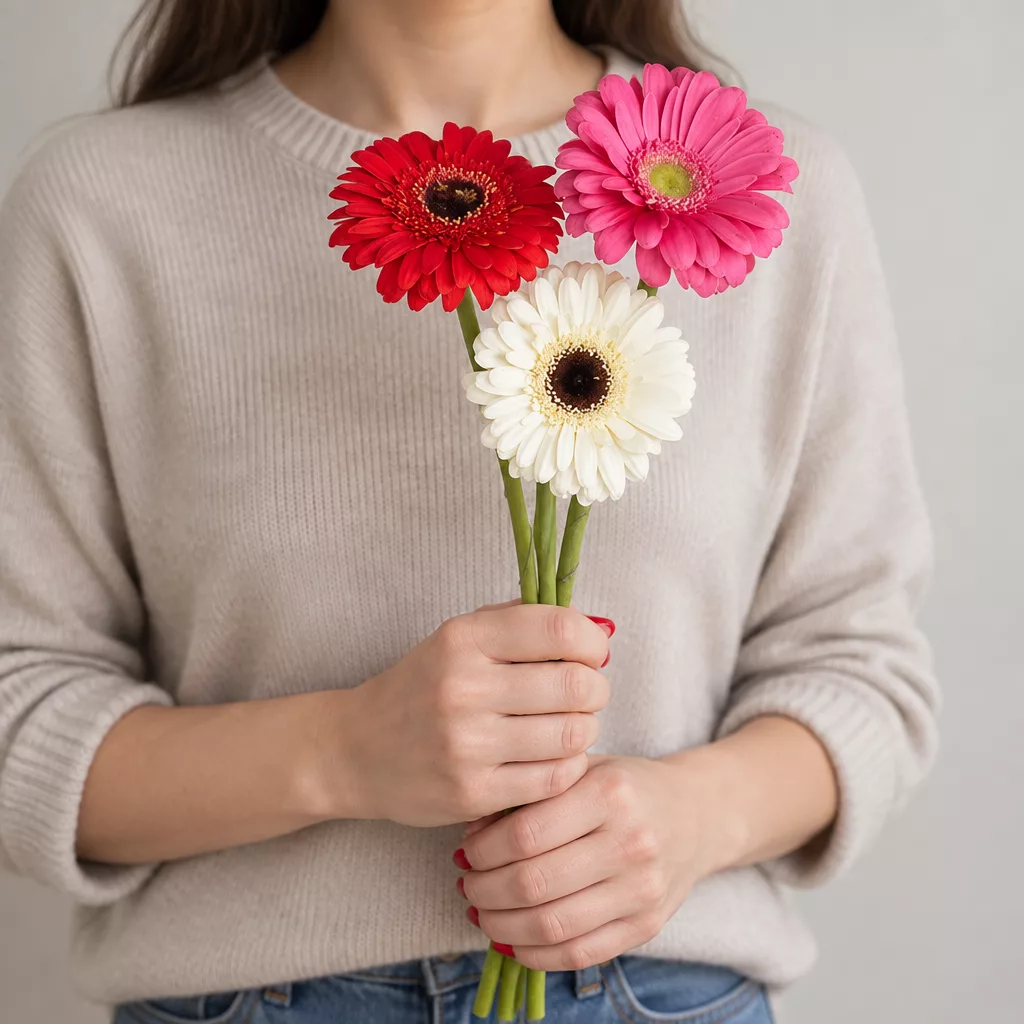
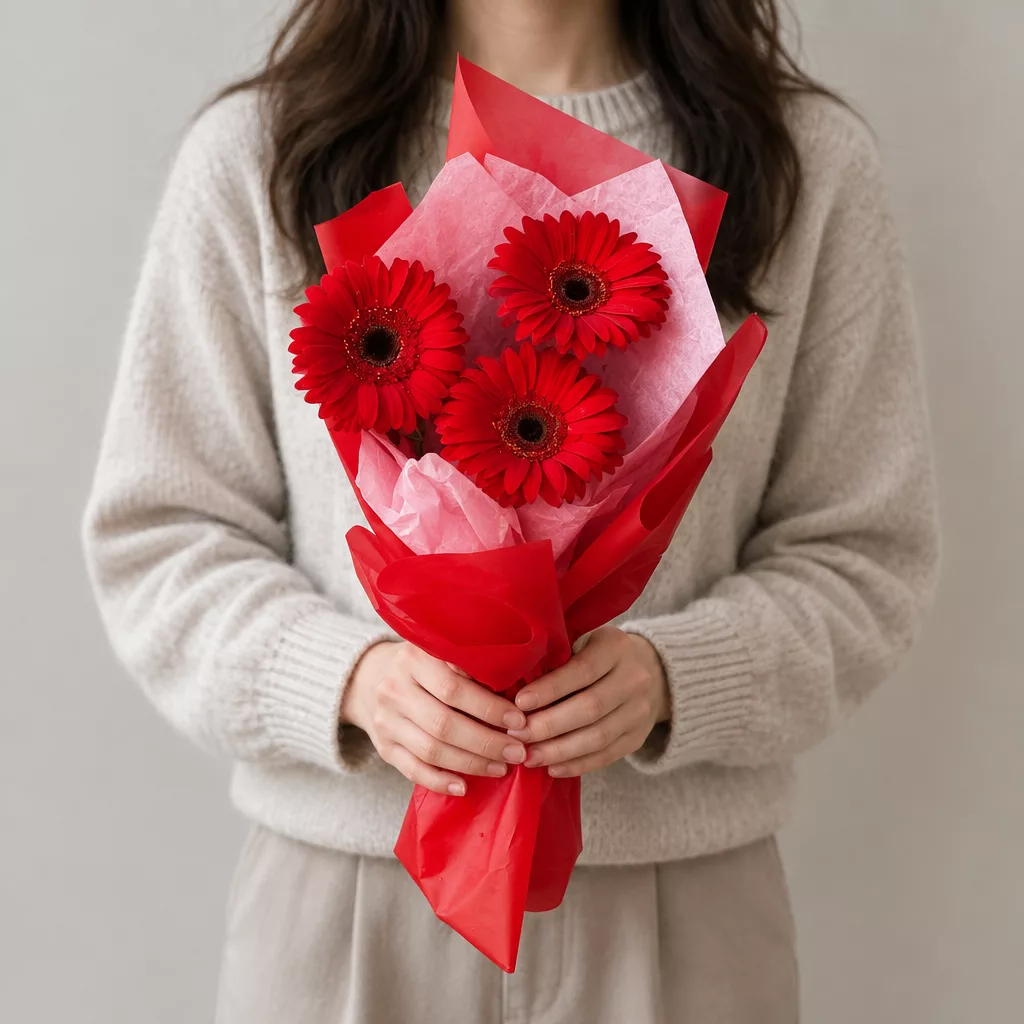
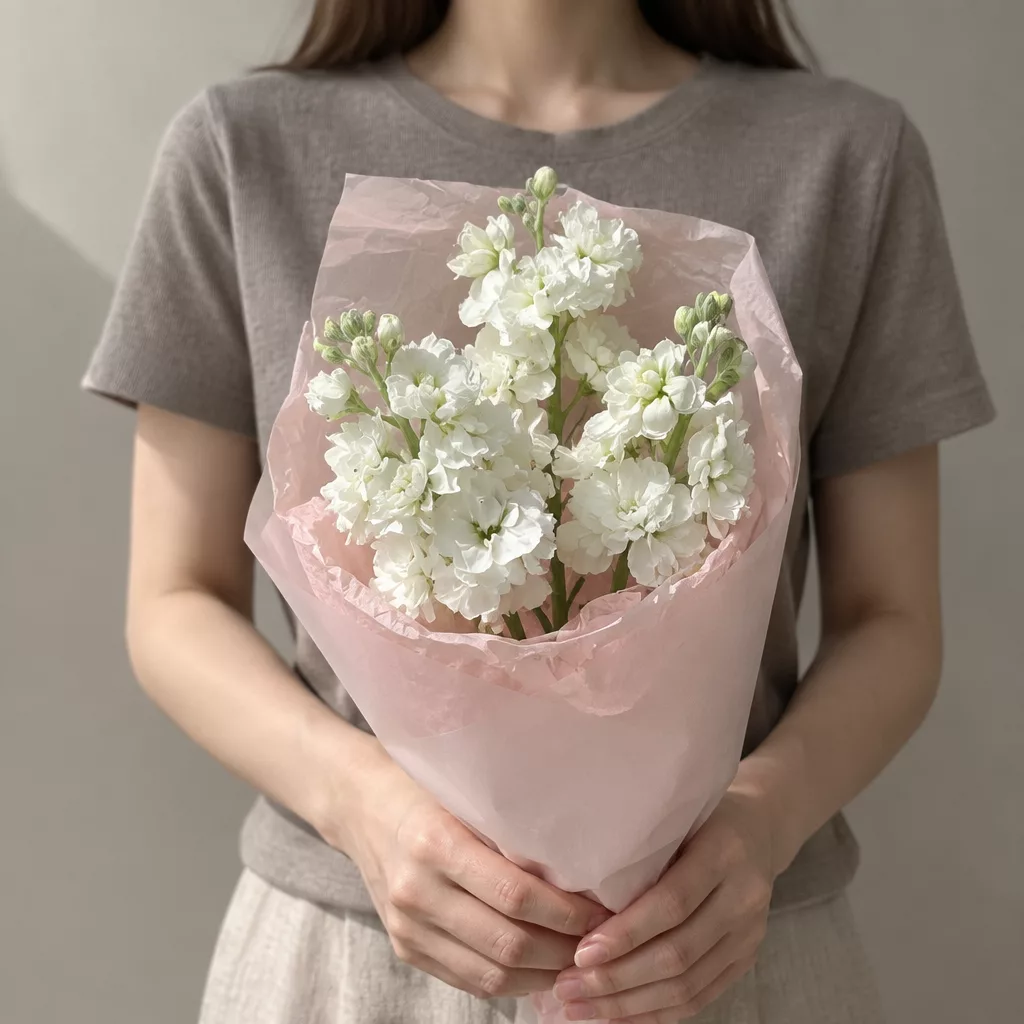
The One Rule That Surprises Most People: Count Your Stems
Before you think about which flowers to choose, you need to understand the most important rule in Russian flower-giving: even numbers of stems are for mourning, odd numbers are for celebration. This is not a vague cultural preference — it is observed consistently across generations and regions. Send eleven roses, not twelve. Send fifteen tulips, not sixteen.
This catches a lot of people off guard, especially if they are ordering from outside Russia or are used to buying flowers in even dozens. The habit of selling roses by the dozen does not translate here. A bouquet of twelve, no matter how beautiful, will feel wrong to a Russian recipient who notices the count — and many will count.
The good news is that odd numbers actually tend to look better in a hand-tied bouquet anyway. Fifteen or seventeen stems create a fuller, more dynamic spiral than an even number arranged in the same space. Nineteen roses in a round bouquet have a natural visual balance that twelve often lack.
At Turboflora, every birthday bouquet is assembled with this in mind automatically. But if you are giving specific instructions or building a custom order, keep the odd-number rule at the front of your mind. It is the single fastest way to show that you understand Russian custom — and the single fastest way to undermine an otherwise perfect gift if you ignore it.
Roses: Still the Most Requested Birthday Flower in Russia
Roses dominate Russian birthday orders, and for good reason. They carry unmistakable prestige, they last well — typically seven to ten days in a cool apartment with fresh water — and they come in enough variety to suit almost any personality. The challenge is choosing the right ones.
For a birthday, red roses signal passion and deep feeling, which is appropriate for a romantic partner but can feel too intense for a colleague or a grandmother. Pink roses — particularly the large-headed garden varieties like Keira or Juliet from the David Austin range, when available — read as warm, feminine, and celebratory without the romantic weight of red. Cream and ivory roses feel sophisticated and work beautifully for milestone birthdays like a fiftieth or sixtieth.
Spray roses, which produce several small blooms on a single branching stem, add texture and volume to a bouquet without increasing cost proportionally. Varieties like Lydia or Chablis mix well with larger-headed roses to create depth.
Seasonal availability matters here. Ecuador and Kenya supply the Russian market year-round, so roses are reliably available in January as well as July. What changes is the price during peak demand — around February 14 and March 8, lead times get tight. For a birthday at any other time of year, roses are among the most straightforward flowers to source fresh and deliver in excellent condition, even across the distances involved in Russia's geography.
Peonies, Tulips, and the Flowers That Feel Unmistakably Russian
If roses are the universal choice, peonies are the emotional one. Russians have a deep affection for peonies — their fullness, their scent, and the way they open slowly over several days make them feel generous and unhurried in a way that suits a birthday perfectly. The catch is seasonality: fresh peonies are available in Russia primarily from late May through July, with the peak window being June. Outside that window, you will find imported peonies at a premium, and the quality can be inconsistent.
When peonies are in season, a bouquet of fifteen to nineteen coral or soft pink peonies tied with ribbon is one of the most beloved gifts you can send a Russian woman of almost any age. Paired with eucalyptus or soft green foliage, they look abundant and romantic without being over-styled.
Tulips are the flower of early spring — March and April — and are closely associated with International Women's Day on March 8, which falls right in the middle of tulip season. A birthday in March or April is a perfect occasion for tulips. Dutch varieties like Strong Love or Purple Flag hold their shape well in transit and open beautifully at room temperature over two to three days.
Chrysanthemums deserve a mention here. In some Western countries they carry funeral associations, but in Russia, large-headed chrysanthemums in white, yellow, or bronze are considered perfectly appropriate for birthdays, especially for older recipients. They last exceptionally well — up to two weeks — which makes them practical as well as beautiful.
Color Symbolism: What Each Shade Communicates to a Russian Recipient
Color in Russian flower-giving is read with more intention than in many other cultures, so it is worth thinking through before you order. Yellow flowers have a complicated reputation: an older generation sometimes associates yellow with separation or bad luck in a relationship, though this belief is fading among younger Russians. If you are sending to someone over fifty and you are uncertain about their views, it is safer to mix yellow with other colors rather than sending a purely yellow bouquet.
White flowers are elegant and appropriate for birthdays, but an all-white bouquet can read as overly formal or even somber to some recipients. White works best when mixed with other colors — white roses with blush pink, or white lisianthus with deep purple — where it adds brightness rather than standing alone.
Red reads as passionate and celebratory. Orange and coral feel energetic and modern — a coral rose or a burnt-orange ranunculus is a good choice for someone with a bold personality. Purple and violet tones, particularly in lisianthus or irises, feel rich and slightly dramatic, which suits a milestone birthday well.
Pink in its many shades is the safest and most universally appreciated choice for a birthday bouquet in Russia. From pale blush to deep fuchsia, pink reads as warm, celebratory, and appropriate across almost all relationships and ages. If you are genuinely unsure what to send, a well-composed pink bouquet is rarely wrong.
Choosing by Relationship: Romantic Partner, Parent, Friend, or Colleague
The relationship between giver and recipient should shape the bouquet as much as the occasion itself. For a romantic partner, you have the most latitude — red roses, deep burgundy dahlias in season, or a lush arrangement of garden roses with ranunculus all communicate intimacy and care. Scale matters here: a larger bouquet signals more investment, and Russians do notice the difference between nineteen stems and thirty-one.
For a parent — particularly a mother — peonies in season or a soft, full arrangement of pink and cream roses with some greenery tends to feel respectful and warm. Avoid anything that looks too trendy or architectural; classic abundance is more appreciated than conceptual minimalism in this context.
For a female friend, you have room to be more playful. A mix of seasonal flowers — ranunculus, sweet peas in spring, anemones in autumn, or sunflowers in summer — with interesting texture and a less formal structure will feel thoughtful and personal rather than generic.
For a male colleague or a male friend, Russians do give flowers to men on birthdays, though the bouquet is usually simpler and less overtly decorative. A structured arrangement of tropical flowers like anthuriums or birds of paradise, or a clean bunch of large-headed white or yellow chrysanthemums, works well. The key is confidence in the selection rather than hedging with a small, uncertain arrangement.
Keeping the Bouquet Fresh After Delivery: What to Tell the Recipient
A birthday bouquet delivered in peak condition can last anywhere from five days to nearly two weeks depending on the flowers and how they are cared for. Passing on a few simple instructions makes a real difference — and it is worth including a care note with the order.
The first step is cutting the stems at an angle, about two centimeters from the bottom, before placing them in water. This increases the surface area for water uptake. Roses and tulips in particular benefit from being re-cut every two days. The vase should be clean — bacteria in the water are the main reason flowers die early — and filled with cool, not warm, water. Russian apartments in winter are often very warm and dry, which shortens vase life noticeably. Placing the bouquet away from radiators and direct sunlight adds two to three days of life.
Lisianthus, chrysanthemums, and alstroemeria are the longest-lasting cut flowers and are worth including in a bouquet if longevity matters. Peonies, once they begin to open, are best enjoyed for their four to six days of peak bloom rather than expected to last as long as roses.
Flower food sachets — the small packets sometimes included with bouquets — do make a measurable difference. They lower the pH of the water and provide a small amount of sugar that keeps petals firm. If the recipient does not have one, a small pinch of sugar and a drop of bleach in the vase water achieves a similar effect and is a florist trick that genuinely works.
Sending birthday flowers in Russia is one of the most personal things you can do from a distance. Get the stem count right, choose colors that suit the relationship, and think about the moment of opening as much as the flowers themselves. Whether you go with a classic arrangement of roses, a seasonal armful of peonies, or something more personal built around the recipient's taste, the bouquet you send will be remembered — flowers in Russia are not background detail, they are the celebration itself. We deliver bouquets across Russia in 1–2 hours.
Frequently asked questions
Is it true that you should never send an even number of flowers in Russia?
Yes, this is a firmly held custom. Even numbers of flowers are associated with mourning and funerals, while odd numbers mark celebrations. Always send eleven, fifteen, nineteen, or twenty-one stems for a birthday — never ten, twelve, or twenty. Most Russians will count, and the wrong number can quietly undermine an otherwise thoughtful gift.
Are yellow flowers really considered bad luck in Russia?
Among older generations, yellow flowers — especially yellow roses — are sometimes linked to separation or misfortune in a relationship. Younger Russians are less likely to hold this belief, but it is still common enough that a purely yellow bouquet carries risk. Mixing yellow with other colors, such as orange or white, sidesteps the concern entirely while keeping the brightness.
What birthday flowers work best in winter when many blooms are out of season?
Roses, lisianthus, chrysanthemums, alstroemeria, and anthuriums are all reliably available and arrive in excellent condition during Russian winters. Spray roses add texture and volume without seasonal limitations. For a warmer, more romantic feel in cold months, a full arrangement of blush and cream roses with eucalyptus is one of the most consistently beautiful winter birthday choices.
Can you send flowers to a man for his birthday in Russia?
Absolutely — it is common and appreciated. The bouquet is usually simpler and less overtly decorative than one sent to a woman. Anthuriums, birds of paradise, large chrysanthemums, or a clean arrangement of tropical foliage all work well. The important thing is to choose with confidence rather than sending something small and uncertain, which can feel like an afterthought.
How far in advance should I order a birthday bouquet for delivery across Russia?
For same-day delivery in Saint Petersburg, ordering by early afternoon is usually sufficient. For deliveries to other cities across Russia, placing your order the day before gives the best guarantee of timing and flower quality. During high-demand periods — particularly around March 8 — ordering two to three days ahead is strongly recommended to secure the varieties you want.
Ready to send flowers?
Pick the city, choose the bouquet, and a local florist takes it from there.
Choose a city →