Flowers for a Russian Board Meeting or Shareholders' Assembly
A boardroom says something before anyone speaks. The flowers on that table speak first — and in a formal Russian corporate setting, what they say must be measured, confident, and entirely free of distraction. Whether you are preparing a shareholders' assembly in a hotel conference hall or a board meeting in a private office, the right arrangement signals that the occasion has been taken seriously. This guide walks you through exactly how to choose, order, and present flowers that support the room rather than compete with it.
Why Flowers Matter at Formal Corporate Events in Russia
In Russian business culture, attention to physical surroundings is read as a sign of respect — for the guests, for the agenda, and for the institution itself. A bare table at a shareholders' assembly can feel careless. An overly festive arrangement feels frivolous. Flowers occupy the careful middle ground: they signal that someone thought ahead, that the event was prepared with intention.
This is especially true at governance events — board meetings, annual general assemblies, strategy sessions with external stakeholders. These are not celebrations, but they are not routine office days either. They carry weight, and the décor should reflect that without becoming theatrical.
Russian corporate guests tend to notice understatement more than excess. A single, well-executed centerpiece on a long conference table reads as taste. A row of mismatched vases looks improvised. The goal is cohesion: the flowers should look like they belong to the same decision that chose the venue, the catering, and the agenda format.
It also helps to understand that in Russia, flowers carry social meaning that goes beyond decoration. Presenting a room with flowers is a form of hospitality, and hospitality at a governance event communicates that the organization values its participants. Getting this right does not require an extravagant budget — it requires the right choices made early enough to execute properly.
Bouquets we can deliver


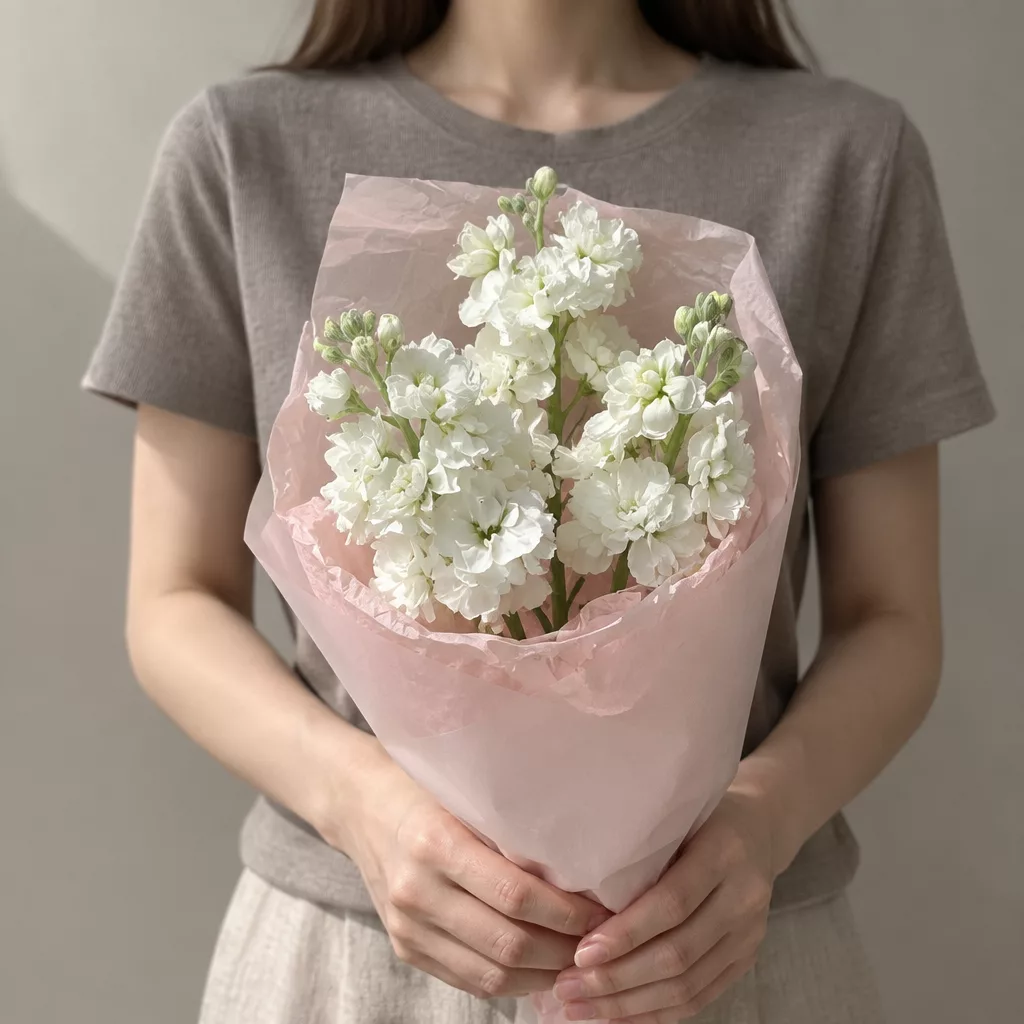
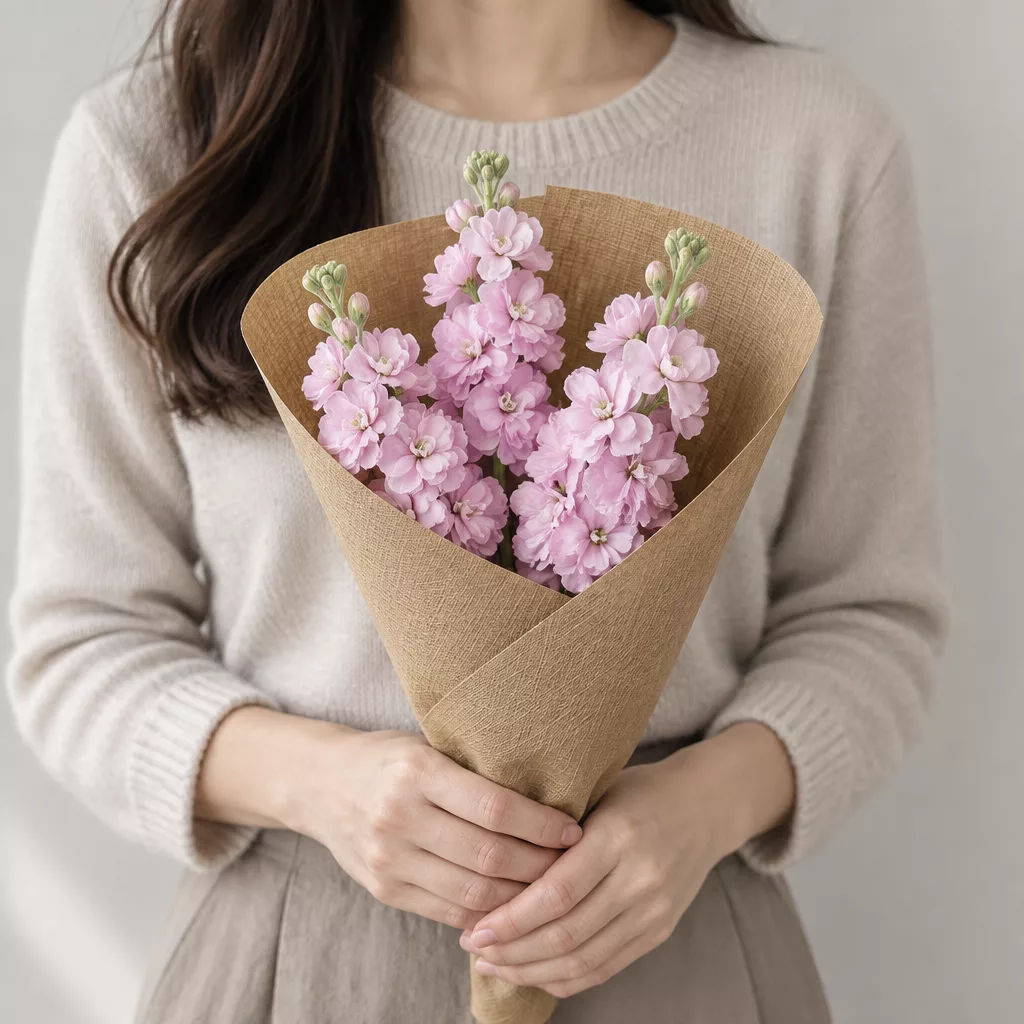
The Tone You Are Aiming For — and What Disrupts It
The word to keep in mind is composure. A board meeting arrangement should feel composed — controlled in color, moderate in height, quiet in fragrance. If a participant has to look around a vase to see a colleague across the table, the flowers have failed their job. If the scent is strong enough to notice during a presentation, they have also failed.
Strong fragrance is one of the most common mistakes in corporate floristry. Lilies, hyacinths, and gardenias are beautiful flowers, but they release fragrance that fills a room quickly, particularly in a closed conference space with climate control running. For a two-hour meeting, this becomes uncomfortable. For a half-day assembly, it becomes a genuine distraction.
Height is the second issue. Arrangements taller than about 30 centimeters interrupt sightlines across a rectangular table. For round tables, a taller central piece can work if the table diameter is large enough, but the rule of thumb is: if anyone has to move the vase to have a conversation, it is too tall.
Color is the third consideration. Bright, saturated colors — hot pink, vivid orange, intense red — carry an energy that suits celebrations and product launches. For governance events, they read as slightly off-key. The palette should lean toward whites, creams, soft greens, cool lavenders, and dusty roses. These tones are authoritative without being aggressive, and they photograph well in the minutes and press materials that sometimes follow these events.
Varieties That Work Well in a Conference Room Setting
White and ivory spray roses are a reliable foundation for corporate arrangements. They are compact, long-lasting, and carry no strong fragrance. A cluster of spray roses combined with eucalyptus stems creates a clean, modern look that suits both traditional boardrooms and contemporary glass-and-steel offices.
Eustoma, also called lisianthus, is underused in corporate contexts but performs exceptionally well. Its layered petals give it visual complexity, it holds its shape for five to seven days in a cool room, and it comes in white, pale purple, and soft pink — all appropriate for formal settings. It pairs naturally with veronica spicata, which adds vertical texture without adding height in an uncontrolled way.
White or pale green chrysanthemums are practical and elegant when used thoughtfully. Single-stem varieties — particularly santini — have a graphic quality that looks intentional in a low, wide arrangement. They are extremely hardy in air-conditioned rooms, which is important because conference rooms are often kept cool.
Amaranthus, used as a trailing element in small quantities, adds a sense of considered design without drawing attention to itself. Dusty miller and ruscus provide foliage that is structured and formal rather than wild or romantic.
What to avoid: sunflowers read as casual and summery; tropical flowers like anthuriums feel too bold; peonies, while beautiful, drop petals quickly in warm rooms and carry a moderate fragrance. Tulips are lovely but wilt fast in heated or air-conditioned spaces unless the room is kept consistently cool.
Arrangement Formats for Different Table Configurations
The shape and size of the conference table determines the arrangement format more than almost anything else. Getting this match right is what separates a professional result from a well-intentioned but awkward one.
For a long rectangular table seating eight to sixteen people, a series of low identical arrangements placed at even intervals works best. Three arrangements on a table seating twelve creates a rhythm that feels deliberate. Each piece should be identical — same variety, same vessel, same height. Variation between them suggests that the flowers were assembled from whatever was available, which undermines the effect.
For a round table, a single central arrangement is appropriate, but the diameter of the arrangement should not exceed one-third of the table's diameter. A compact dome of spray roses and eucalyptus in a low glass vessel sits cleanly in the center without crowding documents or water glasses.
For a U-shaped or horseshoe configuration — common at shareholders' assemblies where a presidium faces the room — arrangements belong at the presidium table only, not scattered around the outer edge. The presidium is the focal point, and the flowers should reinforce that without creating visual clutter elsewhere in the room.
Vessel choice matters considerably. Clear glass cylinders and low rectangular containers in white or grey read as contemporary and neutral. Ceramic vases in earth tones can work in traditionally furnished boardrooms. Avoid anything ornate, gilded, or novelty-shaped — the vessel should disappear into the arrangement, not become a conversation piece of its own.
Timing the Order and Delivery for a Corporate Event
Corporate events have fixed start times, and flowers need to be in place before the first participant arrives — ideally thirty to forty-five minutes before the room opens. This means delivery timing is not flexible, and it needs to be planned with that precision in mind.
For a morning assembly starting at ten o'clock, flowers should be delivered and arranged no later than nine fifteen. If the venue requires a security check-in or has a loading dock process, add another fifteen to twenty minutes. These details are worth confirming with the venue coordinator in advance, because a delivery that arrives during the event itself cannot be placed without disrupting proceedings.
Order at least forty-eight hours ahead for standard arrangements, and seventy-two hours ahead if you need a specific color palette or identical multiples. Corporate events often require three, five, or seven matching pieces, and sourcing identical stems in sufficient quantity takes time. Last-minute orders can be fulfilled, but the variety selection becomes limited.
Temperature matters at the delivery stage. Flowers that travel in an unrefrigerated vehicle in summer, then sit in a warm room for two hours before the event begins, will look tired by the time the meeting starts. Ask specifically about cold-chain delivery. Arrangements should arrive at the venue in cool conditions and be placed in the room as close to the event start as the schedule allows.
If the event runs more than four hours, consider whether a mid-event refresh is practical. For most board meetings, it is not necessary. For full-day assemblies, it can make a visible difference.
Choosing by Budget Without Compromising the Effect
Corporate flower budgets vary enormously, and the good news is that a composed, professional result does not require the highest price point. The key is knowing where restraint produces elegance and where cutting corners becomes visible.
At a modest budget, a single variety done well outperforms a mixed arrangement done poorly. Three identical low arrangements of white spray roses in clear glass cylinders, placed at measured intervals on a long table, look considered and clean. The uniformity signals intention. This approach requires fewer stems and less assembly time, which keeps costs down without sacrificing the overall impression.
At a mid-range budget, you can add textural interest — eucalyptus, veronica, dusty miller — while keeping the palette tight. Two anchor varieties, one foliage element, and one vessel type is a reliable formula. The arrangements become slightly more complex visually, which suits a larger or more prestigious room.
At a higher budget, the investment goes into stem quality, vessel upgrades, and quantity. Premium spray roses have tighter, more uniform heads. Low rectangular containers in frosted glass or matte ceramic cost more than standard cylinders but elevate the presentation significantly. For a shareholders' assembly with press attendance or external stakeholders, this level of finish is worth the investment because the room will be photographed.
What never pays off regardless of budget is mixing too many varieties without a clear logic. Four or five different flowers in a small arrangement look busy and unresolved. Two varieties executed with discipline always look more professional than five varieties assembled in haste.
Care Instructions and What to Tell the Venue Team
Even the best arrangement needs minimal maintenance to hold its appearance through a long event. Whoever is responsible for the room — a venue coordinator, an executive assistant, or a facilities team member — should know a few simple things before the meeting begins.
First, water levels matter. Low arrangements in glass vessels should have enough water to cover the lower third of the stems. If the event runs more than six hours, someone should check the water level at a break and top it up if needed. Stems absorb water faster than most people expect, particularly in air-conditioned rooms.
Second, keep the arrangements away from direct sunlight and heating vents. A vase placed directly under a ceiling air duct will dry out and wilt faster than one positioned away from airflow. This sounds like a small detail, but in a room where the climate control runs continuously, it makes a meaningful difference to vase life.
Third, do not remove foliage that falls below the waterline after the arrangement is placed. This is already handled during preparation, and touching the arrangement risks displacing stems that have been positioned deliberately.
After the event, spray roses, eustoma, and chrysanthemums will continue to look good for three to five days if moved to a cooler space and given fresh water. This means the flowers from a Monday board meeting can reasonably be used to brighten a reception area or executive office through the rest of the week — a practical detail worth mentioning to the client.
For venues that handle their own setup, providing these instructions in writing alongside the delivery is a small gesture that protects the quality of the work.
A board meeting or shareholders' assembly is not the occasion for flowers that make a statement — it is the occasion for flowers that make the room feel ready. When the palette is restrained, the arrangements are low and uniform, the fragrance is absent, and the delivery is precisely timed, the flowers disappear into the background in exactly the right way. They do their job without anyone discussing them. That is the standard to aim for, and it is entirely achievable with the right planning. Turboflora delivers fresh arrangements across Saint Petersburg and across Russia within one to two hours, and the team is available to advise on the right format for your specific room and event before you place the order.
Frequently asked questions
How far in advance should I order flowers for a board meeting?
Order at least forty-eight hours ahead for standard arrangements, and seventy-two hours if you need identical multiples or a specific color palette. Corporate events often require several matching pieces, and sourcing uniform stems in sufficient quantity takes preparation time. Last-minute orders are possible but limit your variety choices considerably.
Which flowers should I avoid in a closed conference room?
Avoid strongly fragrant varieties such as lilies, hyacinths, and gardenias — their scent fills enclosed, climate-controlled spaces quickly and becomes distracting during long meetings. Tulips wilt fast in air-conditioned rooms, and peonies drop petals. Bright tropical flowers like anthuriums carry a visual energy that suits launches and parties rather than governance events.
What is the right height for a conference table arrangement?
Keep arrangements at or below 30 centimeters for rectangular tables where participants face each other across the surface. Anything taller interrupts sightlines and forces people to shift the vase during conversation. For round tables with a large diameter, a slightly taller central piece can work, but the same principle applies: no one should have to move the flowers to see a colleague.
Is it appropriate to have flowers at a shareholders' assembly in Russia?
Yes, and it is expected at formal governance events. In Russian business culture, attention to the physical environment signals respect for participants and for the occasion itself. A bare table can read as careless preparation. Understated, well-executed arrangements communicate that the event was organized with care — which reflects positively on the hosting organization.
Can the same flowers be reused after the event?
Spray roses, eustoma, and chrysanthemums typically last three to five additional days after an event if moved to a cooler space and given fresh water. Flowers from a Monday board meeting can reasonably brighten a reception area or executive office through the rest of the week, making the arrangement a practical investment beyond the event itself.
Ready to send flowers?
Pick the city, choose the bouquet, and a local florist takes it from there.
Choose a city →