Flowers for a Russian Business Partner: What to Send and When
Sending flowers to a business contact in Russia can open a door, mark a milestone, or quietly say that you notice what matters to them. Done well, it feels considered and warm. Done carelessly — wrong colour, wrong count, wrong moment — it can create awkward silence instead. This guide walks you through the customs, the timing, and the arrangements that land as genuinely professional rather than accidentally personal.
When Sending Flowers to a Business Contact Is Appropriate in Russia
Russia has a strong culture of marking occasions with flowers, and the business world is no exception. The most natural moments are a company anniversary, the opening of a new office, a signed contract worth celebrating, a colleague or partner's birthday, and International Women's Day on the eighth of March. That last date is genuinely significant: in Russia, almost every woman in a professional setting expects to receive flowers on that day, and skipping it when you have an established relationship can feel like a deliberate slight rather than an oversight.
Graduation from a professional programme, a promotion, or the arrival of a new leadership role are also well-accepted occasions. What you want to avoid is sending flowers with no occasion at all, especially to someone you have only just met. In Russian professional culture, a gift without context raises questions about your intentions rather than conveying goodwill.
If you are sending from abroad or from another Russian city, timing matters enormously. Flowers that arrive a day late for a birthday or, worse, the day after Women's Day, lose almost all of their impact. Same-day or next-morning delivery is the standard to aim for, and it is the standard Turboflora is built around, covering Saint Petersburg and delivering fresh arrangements across Russia within one to two hours of ordering.
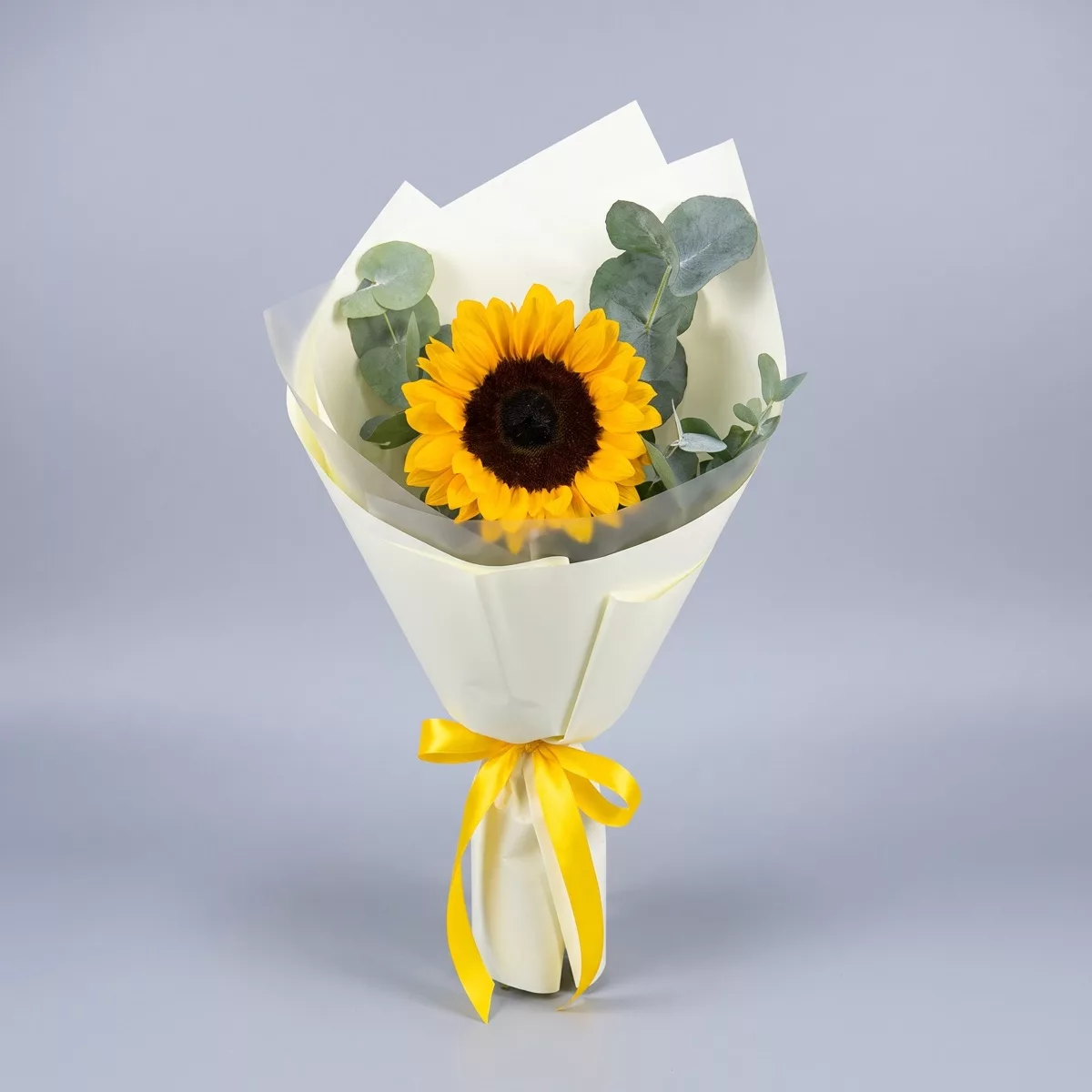
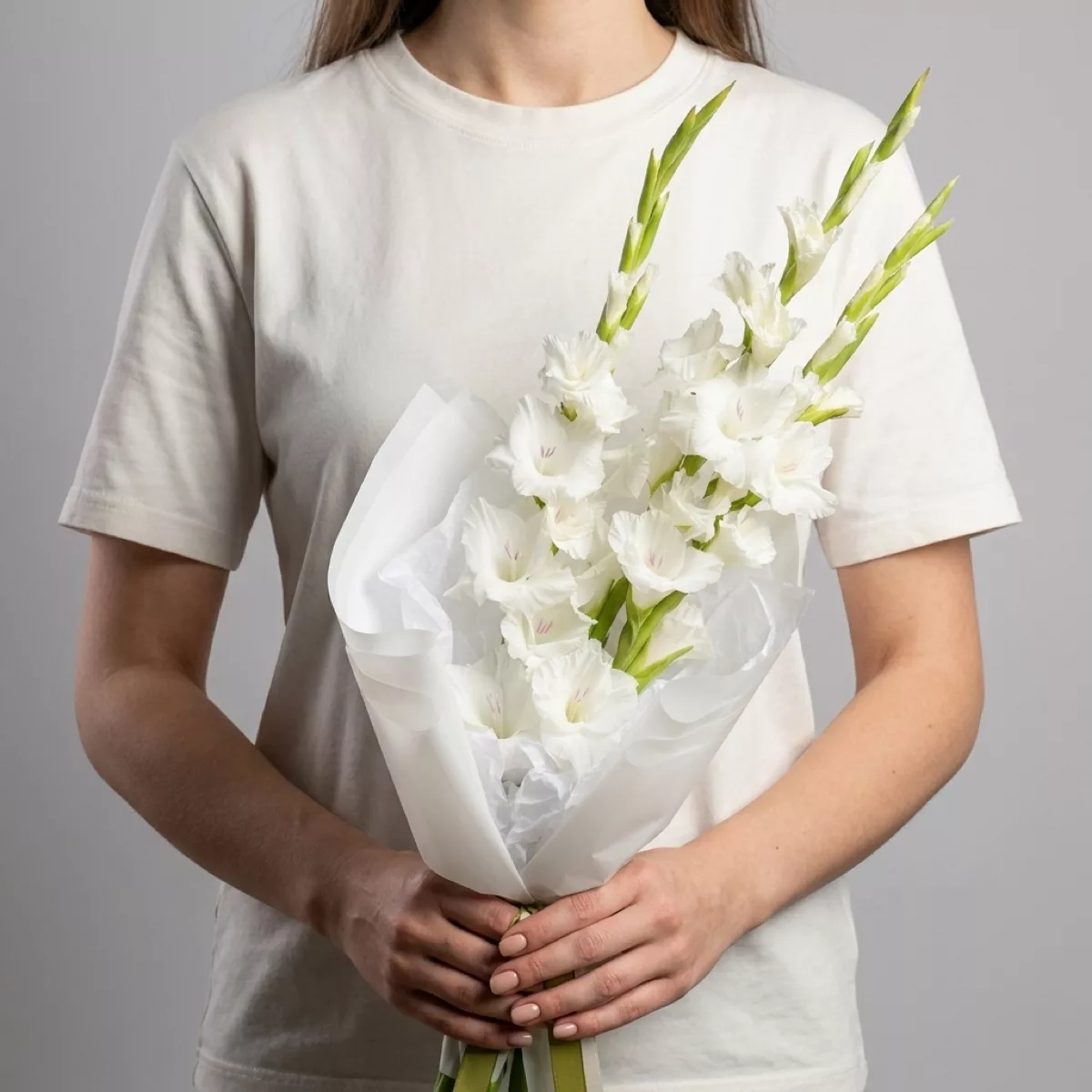
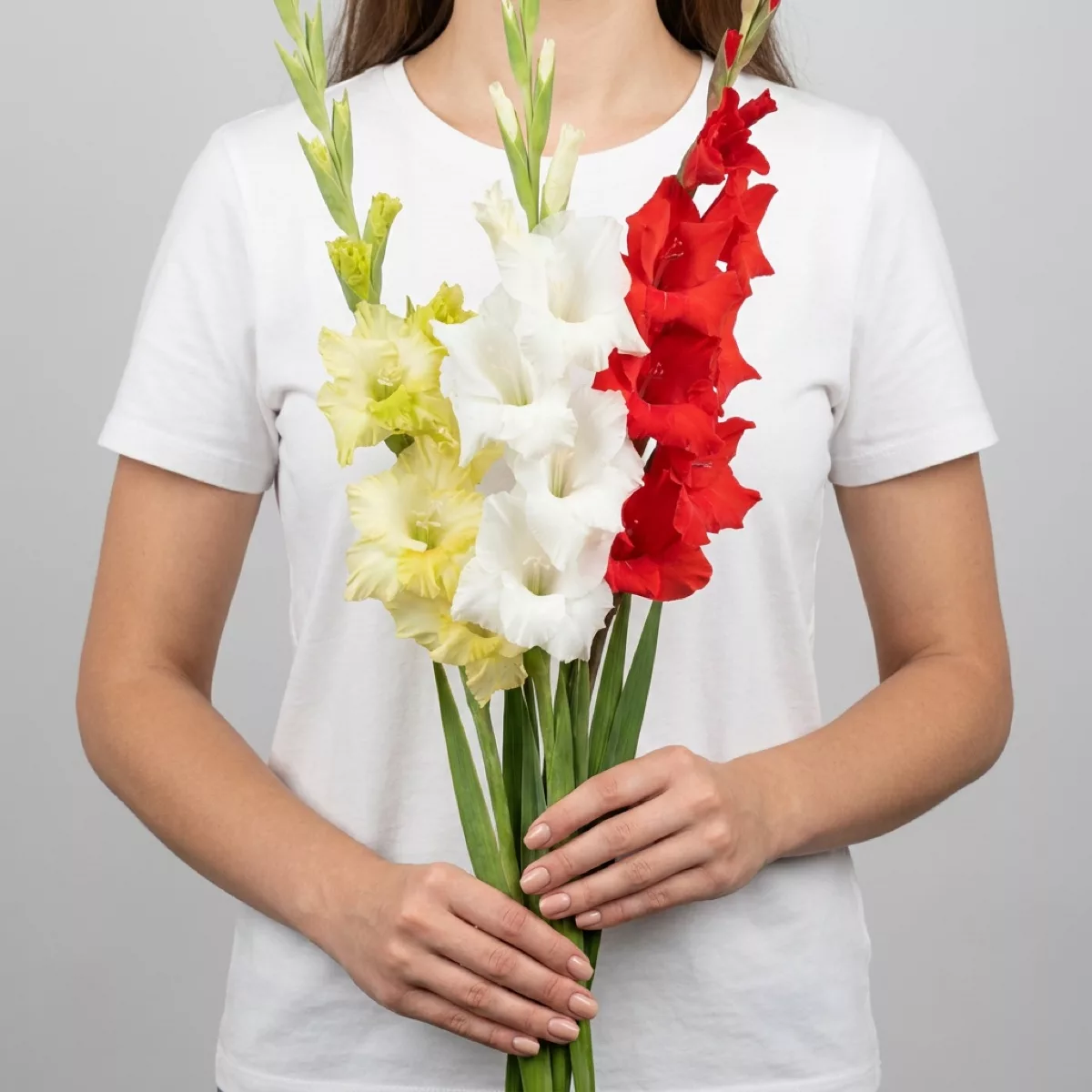
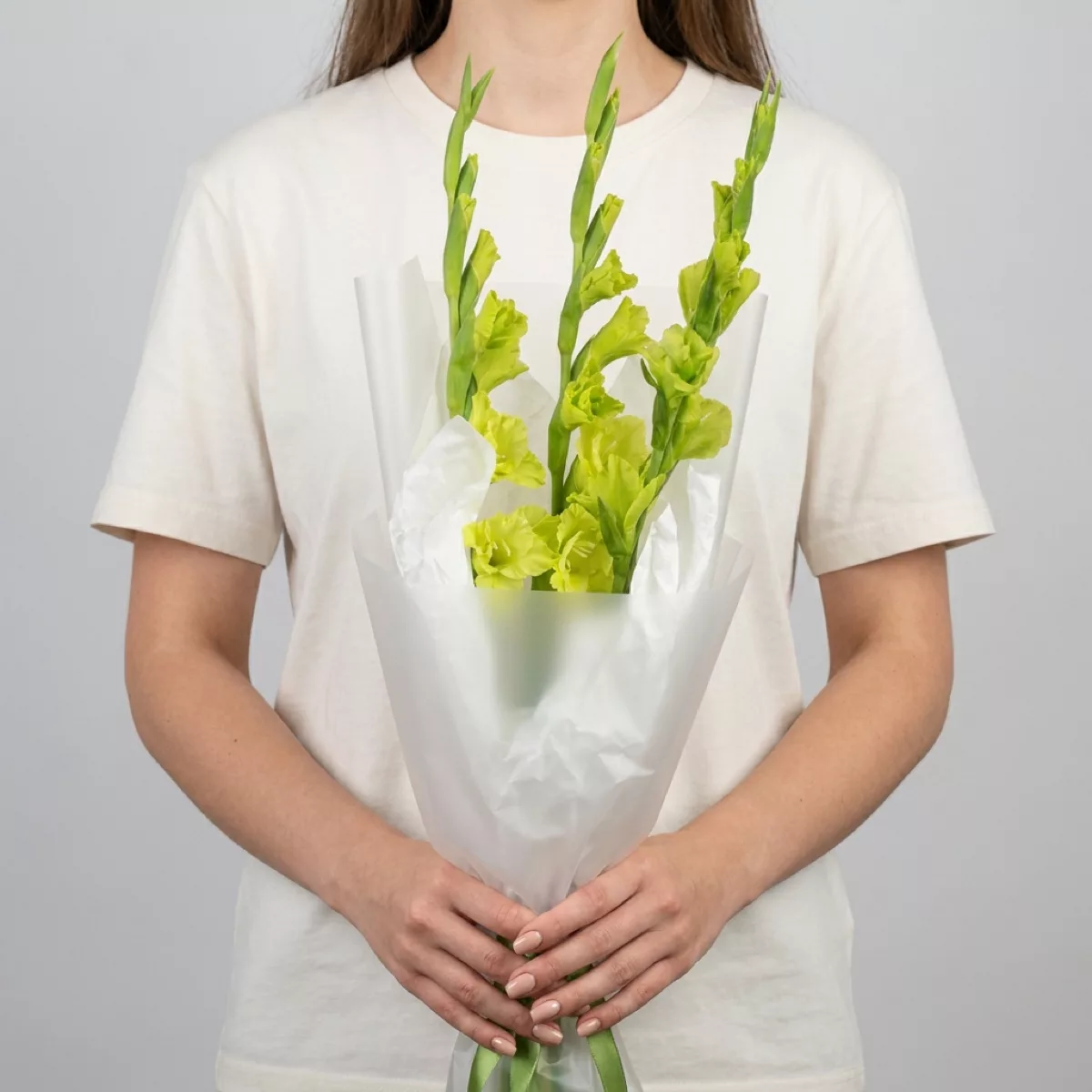
Bouquets we can deliver
Reading the Relationship Before You Choose an Arrangement
Before you decide on a single stem, think about where you actually stand with this person. A long-term partner you have worked alongside for five years can receive something warmer and more expressive than a contact you met at a conference two months ago. The arrangement should reflect the depth of the relationship, not jump ahead of it.
For a relatively new contact, restraint is a virtue. A compact, structured bouquet in neutral or cool tones — think white or cream roses, eucalyptus, and a single accent flower — reads as respectful and tasteful without suggesting anything beyond professional regard. For a closer partner, you have more room to be generous with scale and to include flowers that have a richer presence, such as peonies in season or garden roses with fuller heads.
Gender also shapes the choice in Russia more openly than in some other cultures. Men in business settings rarely receive bouquets in the Western sense; a potted plant, a single statement stem such as a large-headed chrysanthemum or an orchid in a ceramic pot, or a small architectural arrangement in a box tends to feel more appropriate. For women, a full bouquet is entirely normal and expected on key dates. Ignoring this distinction can make an otherwise thoughtful gesture feel slightly off, so it is worth thinking about before you place the order.
Colours and Numbers: The Rules That Actually Matter
Two rules about flowers in Russia are not superstition — they are social facts that your recipient will notice. The first is the count. Even numbers of flowers are associated with mourning and funerals. Always send an odd number: three, five, seven, eleven, or fifteen. A bouquet of ten roses, however beautiful, will read as a funeral gesture to a Russian recipient, and no amount of ribbon will change that reading. Florists at Turboflora count stems as a matter of course, but if you are specifying a number in your order notes, keep it odd.
The second rule is colour. White flowers are fine in a professional context when mixed with other tones, but an entirely white arrangement can feel funereal in isolation. Red roses, while popular, carry strong romantic connotations in Russia and are best avoided for a business contact unless the relationship has moved well beyond the professional. Yellow flowers have a complicated reputation in some parts of Russian culture — associated in folk tradition with separation or infidelity — though this association is weaker among younger and urban audiences. When in doubt, choose pink, coral, lavender, or a mixed palette that feels celebratory without being romantic.
Cream, blush, and dusty rose tones work especially well for professional arrangements because they feel refined and intentional. Pair them with greenery such as ruscus or eucalyptus and you have something that looks considered rather than grabbed off a shelf.
Arrangements That Read as Professional, Not Personal
The format of the arrangement says as much as the flowers inside it. A loose, romantic hand-tied bouquet in kraft paper looks beautiful for a friend but can feel too casual, even too intimate, for a business context. For a professional setting, structured formats work better: a box arrangement, a hat-box design, or flowers presented in a low ceramic vessel all signal that thought and craft went into the presentation.
Monochromatic or two-tone arrangements tend to feel more formal than wildly mixed bouquets. A composition of white and blush spray roses with silvery eucalyptus, or a collection of lavender lisianthus with white waxflower, has a polished quality that suits an office delivery. These flowers also have reasonable vase life — lisianthus and spray roses both hold well for seven to ten days in a cool room with clean water, which matters when the recipient is in a busy office and may not tend to the vase immediately.
If the contact is male, a single large orchid plant in a glazed pot is an excellent choice. It lasts weeks rather than days, requires almost no maintenance, and reads as a considered, high-quality gift rather than a romantic gesture. Phalaenopsis orchids are the most reliable choice: they are widely understood as elegant, they are not associated with any particular personal meaning in Russian culture, and they survive office environments far better than cut flowers. A quality ceramic pot rather than a plastic nursery container makes all the difference to how the gift is received.
Choosing by the Occasion: From Office Opening to Contract Signing
Different professional milestones call for slightly different approaches, and matching the arrangement to the moment shows that you understand the context.
For an office or showroom opening, scale matters. This is a public moment, and a generous arrangement — something architectural and full, perhaps tall branches of white or blush alstroemeria combined with large-headed roses and eucalyptus — makes a visual statement that suits the occasion. It should be impressive enough to sit on a reception desk and be noticed by visitors.
For a contract signing or a successful deal, something celebratory but contained is more fitting. A beautiful box arrangement in warm tones — coral roses, peach ranunculus if they are in season, accented with soft greenery — says congratulations without overpowering the professional context. Keep the palette warm rather than cool for this kind of occasion; warmth reads as enthusiasm and shared success.
For a birthday, you have the most freedom. Here the personal and professional can blend comfortably, and you can ask the florist to incorporate a favourite colour or flower if you know it. A generous bouquet of garden roses or peonies in season, wrapped cleanly and delivered at the start of the working day so the recipient sees them first thing, is a gesture that will be remembered. Peonies are available from late spring through early summer; outside that window, garden roses or large-headed standard roses make an excellent substitute with a similar sense of abundance.
The Message Card: What to Write and What to Skip
In Russian professional culture, the card that accompanies flowers is read carefully. It is not just a formality. A card that is too effusive, too personal, or too vague can undermine an otherwise well-chosen arrangement. Keep it warm but measured.
A good formula is: acknowledge the occasion, express a genuine wish, and sign with your name and company. Something like: 'Congratulations on the opening of your new office. Wishing you and your team continued success. With respect, [Name], [Company].' That tone — respectful, specific, and human — lands well across most professional relationships in Russia.
Avoid generic phrases that could have been written by anyone, and avoid anything that sounds like marketing copy. Do not write 'With best compliments from our entire team' unless you genuinely mean it and the relationship warrants it; it can feel hollow. If you are writing in Russian, have a native speaker review it — small grammatical errors in Russian carry more social weight than they might in English, and a poorly phrased card can distract from the flowers themselves.
If you are ordering remotely and writing the card in English for a Russian recipient, that is entirely acceptable for an international business relationship. The gesture of sending flowers at all will be understood and appreciated; the language of the card is secondary. What matters most is that the message is specific to the occasion and to this person, not a copy-paste from a previous order.
Delivery Timing and Keeping Flowers Fresh in an Office
Timing a business flower delivery requires more thought than a home delivery. Offices have receptions, security desks, and meeting schedules. A delivery that arrives at nine in the morning on a birthday is a delight; one that arrives during a board meeting or after the recipient has left for the day misses its moment entirely.
Aim to deliver in the first half of the working day, ideally between nine and eleven in the morning. This gives the recipient the pleasure of the flowers throughout their day and allows time to put them in water before they have been out of the box for too long. Turboflora delivers across Russia within one to two hours of ordering, so same-morning delivery is entirely achievable if you place the order the evening before or early on the day.
Once the flowers arrive in an office, they face challenges that a home environment does not: air conditioning running at full power, dry heated air in winter, and the likelihood that no one will trim the stems for the first day or two. Choose flowers with resilience. Spray roses, alstroemeria, lisianthus, and chrysanthemums all handle office conditions better than, say, sweet peas or garden anemones. If you are sending in summer, note that flowers sitting in a warm reception area without air conditioning will fade faster; request a note on the card reminding the recipient to find a cool spot away from direct sunlight. A small practical note like that is not intrusive — it shows you thought about what happens after the delivery.
Sending flowers to a Russian business partner is one of the more personal gestures you can make within a professional relationship, and it lands best when it feels specific rather than automatic. Odd numbers, considered colours, a format that suits an office, and a card that actually says something — these details are not complicated once you know them, and getting them right makes the difference between a gift that is remembered and one that is quietly forgotten. If you are not sure of the occasion, the arrangement, or the timing, the team at Turboflora is used to helping with exactly these decisions, and same-day delivery across Russia means you are never too late to make the gesture count.
Frequently asked questions
Is it acceptable to send flowers to a male business partner in Russia?
Yes, but the format matters. A full bouquet reads as feminine in Russian culture, so for a male contact choose a potted orchid, a single architectural stem, or a structured box arrangement rather than a traditional hand-tied bouquet. The gesture is appreciated; it is the presentation that needs to be adjusted to feel appropriate and respectful rather than awkward.
Why does the number of flowers matter so much in Russia?
Even numbers of cut flowers are strongly associated with funeral traditions in Russian culture. This is not a minor superstition — your recipient will notice, and a bouquet of ten or twelve stems will create the wrong impression regardless of how beautiful the flowers are. Always confirm that your arrangement contains an odd number of stems before the order is placed.
Can I send red roses to a female business partner for Women's Day?
Red roses carry romantic meaning in Russia, so they can feel too personal for a professional relationship, even on the eighth of March. Pink, coral, blush, or white roses mixed with other flowers are a much safer choice. They feel celebratory and generous without crossing the line from professional warmth into something that could be misread as a personal statement.
How far in advance should I order for a business delivery in Russia?
For a specific time on a specific date — a birthday morning, the start of an office opening — placing the order the evening before gives the best result. Turboflora delivers within one to two hours of ordering across Russia, so same-day orders are possible, but giving a few hours of lead time ensures the arrangement is made fresh and delivered at exactly the right moment.
Which flowers last longest in a typical Russian office environment?
Spray roses, alstroemeria, lisianthus, and standard chrysanthemums are the most resilient choices for office conditions, where air conditioning and dry air shorten vase life considerably. Avoid delicate flowers like sweet peas or anemones for office deliveries. Fresh water every two days and a position away from direct sunlight or heating vents will extend the life of any arrangement noticeably.
Ready to send flowers?
Pick the city, choose the bouquet, and a local florist takes it from there.
Choose a city →