Flowers for a Russian Child's Birthday: What Parents Expect
You have been invited to a child's birthday party in Russia, or you are sending a gift from another city, and now you are wondering whether flowers belong in the picture at all. The short answer is yes — but with some thought behind the choice. Russian families genuinely welcome flowers at children's celebrations, though the gesture lands very differently depending on what you pick, how it is arranged, and what you pair it with. This guide walks you through the unspoken expectations so your delivery feels warm and considered rather than generic.
Are Flowers Even Expected at a Child's Birthday in Russia?
In Russia, bringing flowers to a birthday is deeply ingrained across almost every age group, and children are no exception. When guests arrive at a child's party, it is common to hand a small bouquet to the birthday boy or girl directly — not just to the parents. The child receives it, holds it, and feels celebrated. That moment matters to Russian families in a way that might surprise senders from countries where flowers are considered strictly adult gifts.
That said, the expectation is not that flowers replace a toy or a book. They are seen as part of the occasion rather than the main event. A family will almost never judge you for bringing flowers alongside a small gift, but they might quietly notice if the bouquet looks like something pulled from a hospital gift shop — stiff, colorless, and impersonal.
The tone of the flowers should match the tone of the party. A seven-year-old's birthday calls for something playful and bright. A teenager's celebration can handle something a little more composed. When you order a delivery to a family in Saint Petersburg or anywhere else across Russia, think of the bouquet as setting the mood the moment it arrives at the door. It is the first thing everyone sees, and Russian parents pay attention to that first impression more than you might expect.
Bouquets we can deliver

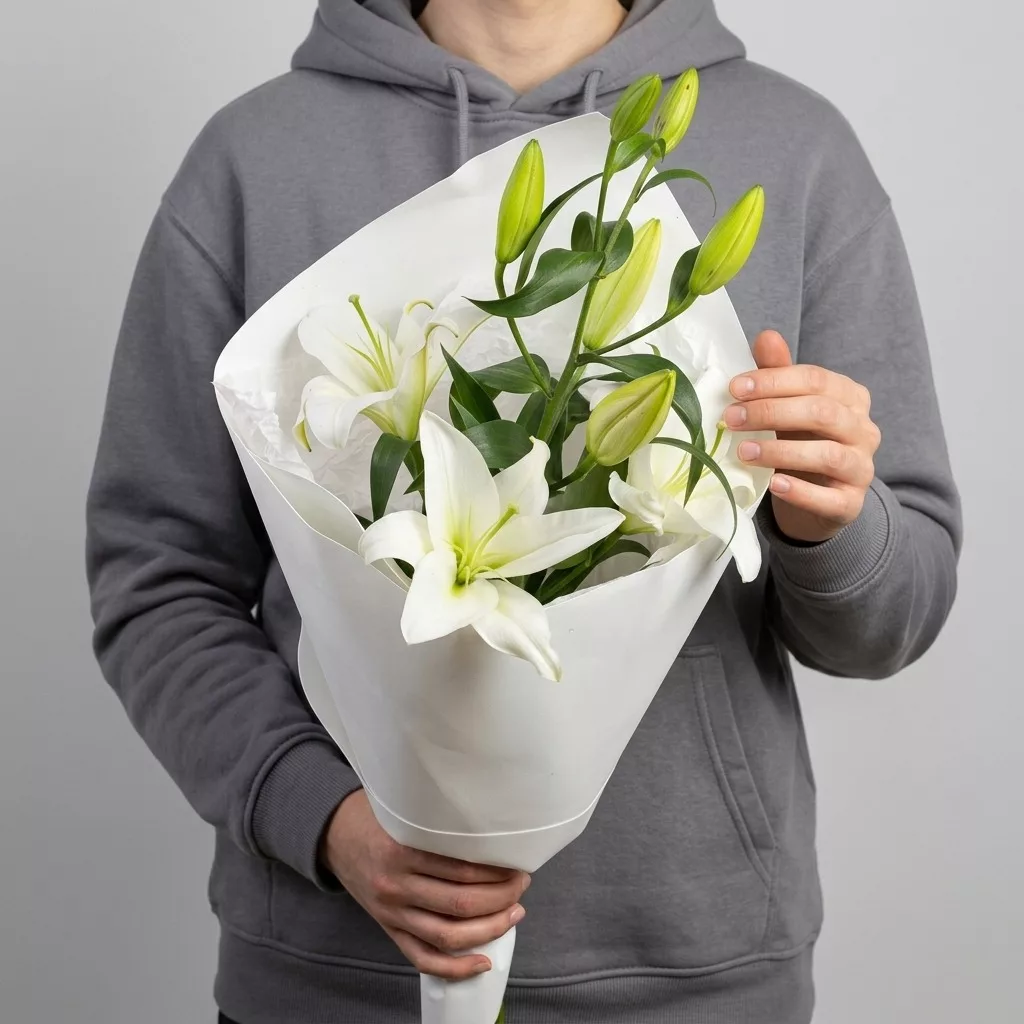
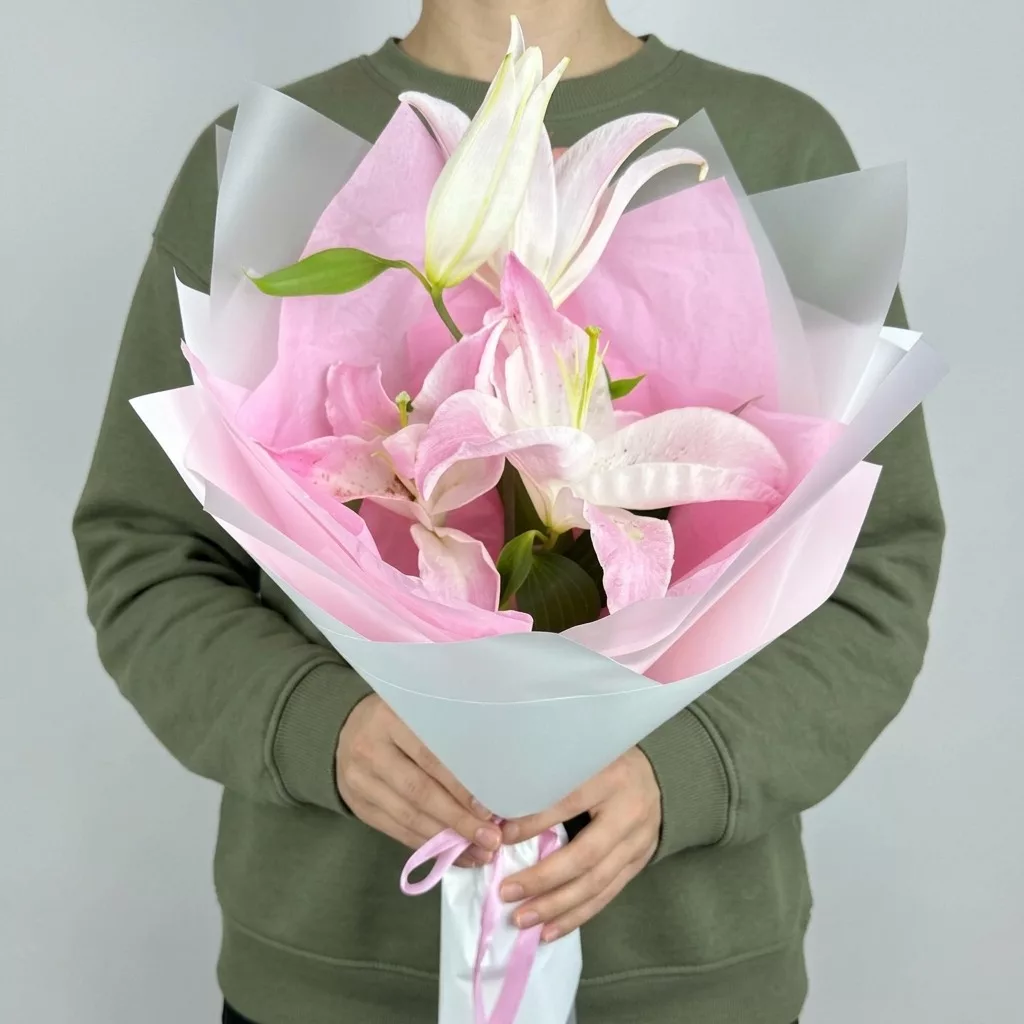
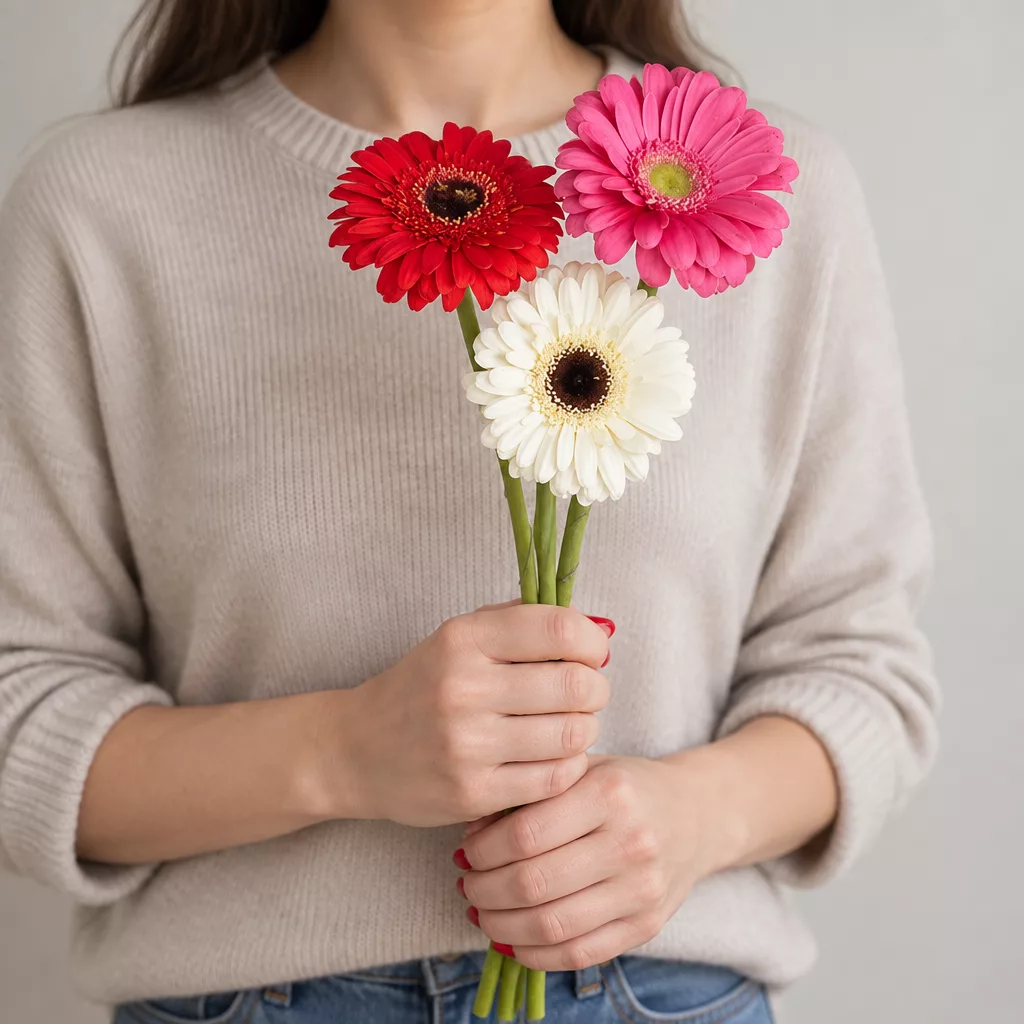
Choosing Flowers That Feel Right for the Child's Age
Age shapes everything here. For children under eight, the bouquet should feel almost like a toy — round, dense, full of color, and small enough for little hands to hold without dropping. Spray chrysanthemums in yellow, orange, and white work beautifully at this age. Ranunculus add a soft, layered look that children find genuinely delightful. Gerbera daisies in bold reds and pinks are a classic choice for young birthdays because they are cheerful without being overpowering, and they hold their shape well even if a child squeezes the stems a little too hard.
For children between eight and twelve, you can introduce slightly more structured arrangements. Alstroemeria in mixed colors carries a festive quality and lasts well in a vase, which means the child gets to enjoy it for days after the party. Lisianthus in lavender or pale purple adds a touch of elegance without feeling grown-up. Avoid roses at this stage — they carry a romantic association in Russian culture that can feel awkward at a child's party, and thorns are a genuine safety concern.
Teenagers are a different matter entirely. A fifteen or sixteen-year-old often has strong aesthetic preferences, and a generic mixed bouquet can feel dismissive. For older girls, a monochromatic arrangement — all white or all blush — shows real thought. For teenage boys, flowers are less common but not unheard of; a small, structured bunch of sunflowers or green trick dianthus reads as cool rather than fussy. Always keep the scale appropriate: a towering arrangement meant for a dining table overwhelms a child's bedroom.
Colors, Combinations, and What Russian Parents Notice
Russian parents are observant about color choices, and certain combinations carry meaning. White flowers alone are associated with mourning in Russian culture, so avoid an all-white bouquet for any celebratory occasion. This does not mean white is off-limits — white spray roses mixed with yellow solidago and orange gerberas read as festive and fresh. The key is that white should support other colors rather than stand alone.
Yellow flowers have no negative connotation in the context of children's birthdays, despite an older superstition about yellow meaning separation. That belief has faded significantly among younger Russian families, and a bright yellow sunflower arrangement or a mix of yellow ranunculus and orange alstroemeria is genuinely celebrated. If you are uncertain, mixing yellow with pink or red eliminates any ambiguity entirely.
Green accents matter more than most senders realize. Eucalyptus, ruscus, or pittosporum woven through a children's bouquet give it texture and make the whole thing feel considered rather than assembled. Russian parents who appreciate flowers will notice the difference between a bouquet where greenery was used thoughtfully and one where stems were simply bundled together.
Presentation also signals care. A ribbon tied around the stems in a color that echoes the flowers, or a kraft paper wrap with a simple bow, tells the family that someone took time with this. Cellophane alone feels commercial. For a child's birthday delivery, ask for the wrapping to be cheerful — warm tones, soft textures, nothing clinical.
What to Pair with Flowers for a Child's Birthday Gift
Flowers alone are a complete and respected gift in Russian tradition, but pairing them with something small elevates the gesture significantly. The most natural companion for a children's bouquet is a balloon — a single large foil balloon in a shape the child will love, tied to the bouquet's stems, transforms the delivery into something that feels like an event. Children remember the balloon as much as the flowers, and parents appreciate that the sender thought about the child's actual joy rather than just the formality of the occasion.
A small box of quality chocolates is another pairing that works across all ages. Russian families have a genuine culture around sweets at celebrations, and a box of chocolates placed alongside the bouquet signals that the sender understands this. Choose something in a proper box rather than a loose bag — presentation counts here just as it does with the flowers.
For younger children, a small stuffed animal tucked into the bouquet wrap is a memorable touch. It does not need to be large or expensive. A soft bear or a plush rabbit nestled among gerberas and spray chrysanthemums creates a combination that photographs beautifully and delights the child immediately upon opening the door.
Avoid pairing flowers with alcohol, even as a separate gift for the parents — it shifts the tone of a children's celebration in a direction most Russian families would find uncomfortable. Keep the pairing focused on the child, and the gesture will land exactly as warmly as you intend it to.
Timing the Delivery and Keeping Flowers Fresh on Arrival
Timing a flower delivery to a child's birthday requires a little coordination. The ideal moment is just before the party begins or right as guests are arriving — flowers sitting in a hot hallway for two hours before anyone notices them is a waste of both the gesture and the blooms. When you order, aim for delivery thirty to forty-five minutes before the party's listed start time. That window gives the family a moment to arrange things without the flowers becoming a distraction during the celebration itself.
Temperature matters enormously for delivery quality. In Saint Petersburg and most of Russia, summers can bring heat that wilts delicate flowers within an hour if they are not transported properly. Gerberas and ranunculus are particularly sensitive to heat and should always travel in cool conditions. In winter, the opposite problem appears — flowers exposed to frost even briefly can develop translucent, damaged petals that never recover. A good delivery service keeps flowers at a stable temperature throughout the journey, which is why same-city, same-day delivery within one to two hours is so much safer than long-distance courier shipping.
When the flowers arrive, the family should trim the stems at an angle, remove any leaves that would sit below the waterline, and place the bouquet in cool, clean water immediately. Spray chrysanthemums and alstroemeria can last seven to ten days with basic care. Gerberas prefer shallow water — no more than five centimeters — and do best away from direct sunlight and fruit bowls, which release ethylene gas that shortens vase life.
Mistakes Senders Make and How to Avoid Them
The most common mistake is ordering an arrangement designed for adults and hoping it will feel festive enough for a child. A tall vase arrangement of red roses and white lilies is beautiful in the right context, but it communicates nothing joyful to a six-year-old and can feel oddly formal to Russian parents expecting something age-appropriate. Lilies also carry a strong scent that many families find overwhelming in a home already full of party guests, and the pollen stains clothing permanently — a real concern when children are involved.
Another frequent error is ordering too late. Flowers for a birthday party need to arrive on time, not two hours after the cake has been cut. If you are ordering from outside Russia, factor in the time difference and place your order the evening before rather than the morning of the party. A florist who delivers within one to two hours of ordering can accommodate same-day requests, but only if the order arrives with enough lead time to prepare the arrangement properly.
Sending flowers without any note is also a missed opportunity. Russian birthday culture places real value on the written word — even a short handwritten card matters. If you are ordering remotely, include a message with the delivery. Keep it warm and specific to the child rather than generic. "Happy birthday, Masha — may this year be full of adventures" lands far better than "Congratulations."
Finally, do not let uncertainty about customs stop you from sending flowers at all. Russian families are genuinely pleased when someone from abroad makes the effort to mark a celebration with a real bouquet. Getting it slightly wrong is always better than sending nothing.
A child's birthday in Russia is a full celebration, and flowers belong in it — not as an afterthought but as a genuine part of the occasion. When you choose something bright, age-appropriate, and thoughtfully paired with a small companion gift, the family notices the care behind it. The bouquet does not need to be large or elaborate. It needs to feel like it was chosen for this particular child on this particular day. That is what Russian parents remember, and that is what makes the delivery worth every detail you put into it.
Frequently asked questions
Is it appropriate to give flowers directly to a child at a Russian birthday party?
Yes, absolutely. In Russian tradition, the birthday child — regardless of age — receives the flowers personally. Handing the bouquet to the child rather than the parents is considered the correct and warm thing to do. It makes the child feel genuinely celebrated, which is exactly the intention behind the gesture.
Which flowers should I avoid for a child's birthday in Russia?
Avoid all-white bouquets, as white alone is associated with mourning in Russian culture. Skip lilies around young children — the pollen stains and the scent is intense in enclosed spaces. Roses with thorns are a safety concern for small children. Single-stem flowers can also feel too sparse for a birthday celebration.
Can I send flowers to a child's birthday from outside Russia?
Yes. Order through a service that delivers directly in the destination city rather than relying on long courier chains. Place your order the evening before the party to account for time zones and preparation time. Include a personal note with the delivery — Russian families value the written message as much as the flowers themselves.
How long will the birthday bouquet last in a vase?
Spray chrysanthemums and alstroemeria typically last seven to ten days with proper care — trimmed stems, clean water changed every two days, and a cool spot away from sunlight. Gerberas last five to seven days and prefer shallow water. Ranunculus are shorter-lived at around five days but look spectacular for the party itself.
What is a good budget-friendly flower choice that still looks festive for a child?
Spray chrysanthemums in mixed bright colors are affordable, long-lasting, and genuinely cheerful. Combine them with a few stems of solidago for golden texture and some ruscus for green depth. The result looks full and celebratory without requiring expensive focal flowers. Adding a single foil balloon keeps costs low while making the delivery feel like an event.
Ready to send flowers?
Pick the city, choose the bouquet, and a local florist takes it from there.
Choose a city →