Flowers for a Russian Friend's Birthday: How Much Is Enough?
You want to send flowers to a friend in Russia for their birthday, and you are already second-guessing yourself. Is a small bouquet too casual? Is a large one too much for someone who is not a romantic partner? These are exactly the right questions to ask, and the answers are more practical and less mysterious than you might expect.
What a Birthday Bouquet Says Between Friends in Russia
In Russia, flowers carry a lot of social weight, but the rules between close friends are actually more relaxed than they are for formal occasions or romantic gestures. A birthday bouquet from a friend is read as warmth and attention, not as a declaration of anything. The size and cost signal how well you know the person and how much thought you put in, rather than your feelings in a romantic sense.
That said, arriving with a single stem is unusual in Russian culture. A single flower is more common as an impulse gesture or a small addition to a gift, not as a standalone birthday present. Most florists in Saint Petersburg would say that five stems is a comfortable minimum for a friend, and that anything from seven to fifteen reads as genuinely celebratory without crossing into over-the-top territory.
The odd-number rule is real and worth following. Russians traditionally give even numbers of flowers at funerals, so an odd count, five, seven, nine, eleven, is the standard for happy occasions. This is not superstition you need to stress about, but it is a small detail that your Russian friend will notice and appreciate. When in doubt, ask your florist to count before the bouquet is wrapped.
Bouquets we can deliver

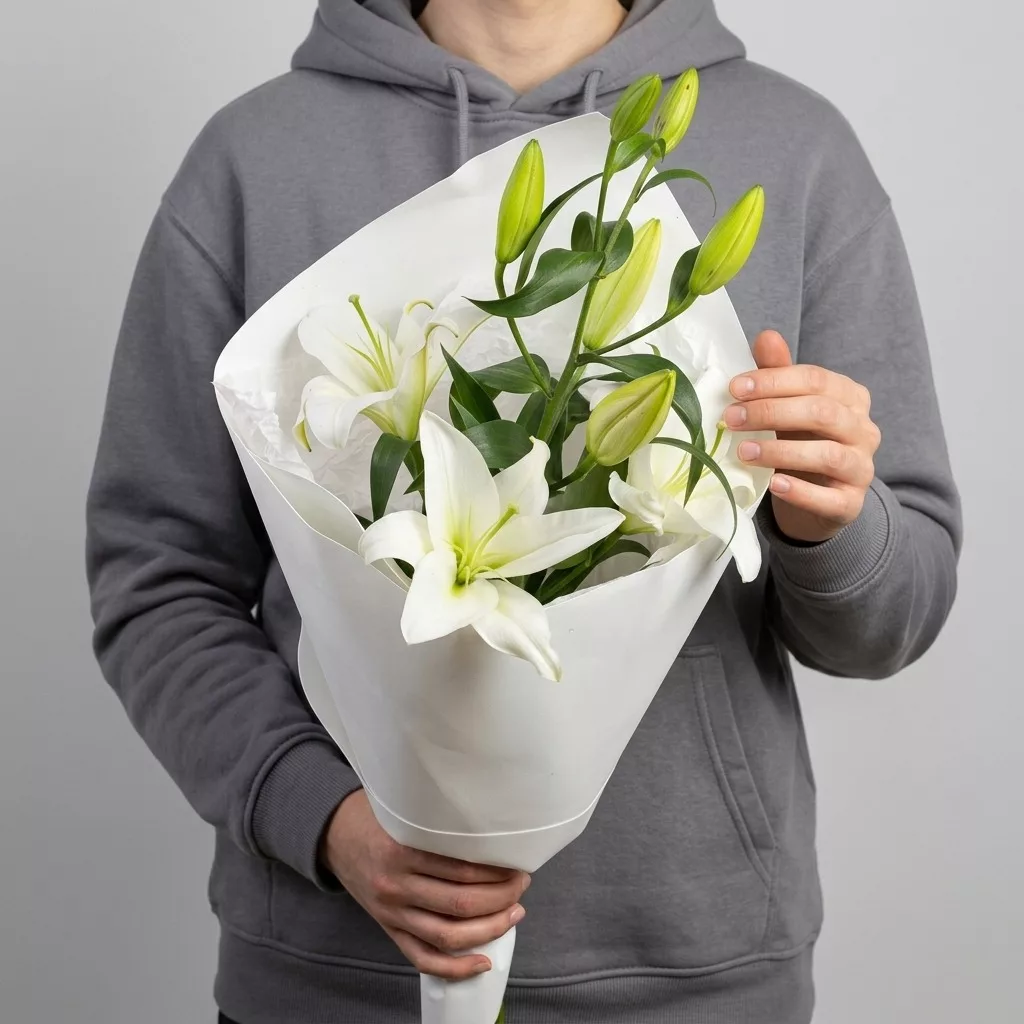
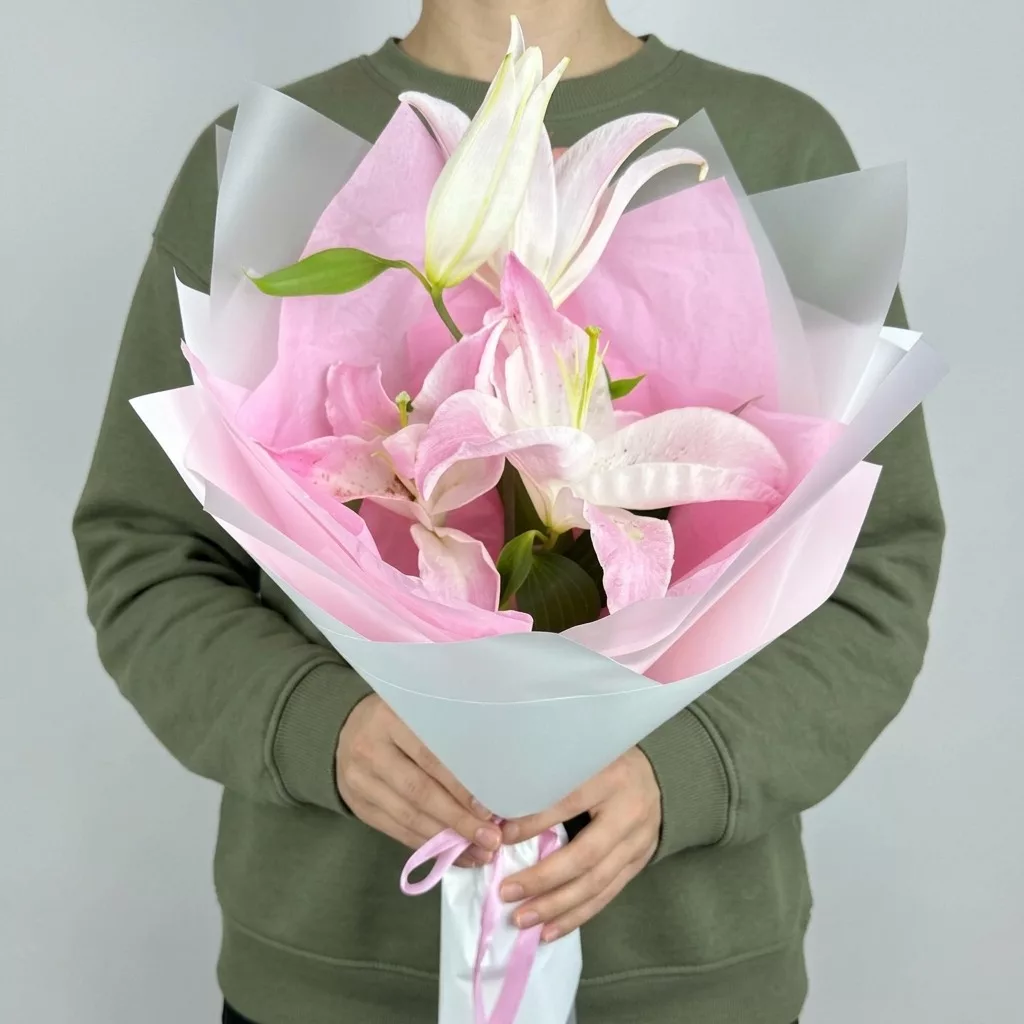
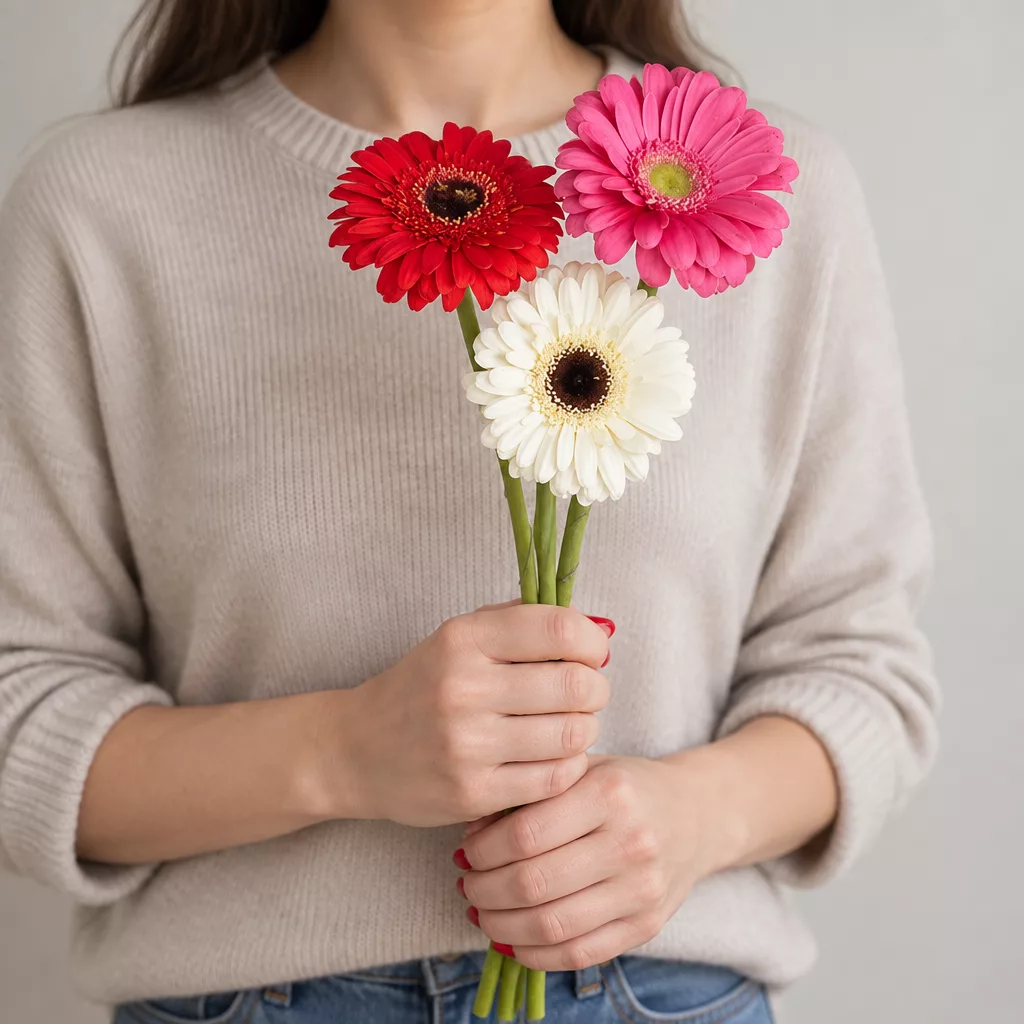
Choosing the Right Flowers for the Person, Not Just the Occasion
A birthday bouquet for a close friend is one of the best opportunities to personalise a flower order, because you actually know this person. Think about what their home looks like, whether they prefer bold colour or something softer, and whether they have mentioned any flowers by name. A friend who grows herbs on her windowsill might love a bouquet built around fragrant stock and garden roses rather than a formal arrangement of red anthuriums.
For friends in their twenties and thirties, ranunculus, spray roses, and lisianthus are popular choices right now. They look abundant without being stiff, and they photograph well, which matters when your friend will almost certainly share the delivery on social media. For a friend who prefers something more classic, a tight cluster of garden roses in cream or blush, mixed with eucalyptus, is never wrong.
If your friend has a favourite colour, build the bouquet around it rather than around a single variety. A florist can mix alstroemeria, carnations, and chrysanthemums in a single shade of coral or violet and create something that feels cohesive and intentional. Asking for a monochromatic palette is one of the most effective briefs you can give, because it gives the florist creative room while keeping the result focused on what you know your friend loves.
Bouquet Size by Situation: Casual, Close, and Best Friend
Not all friendships are the same, and the bouquet should reflect the actual closeness of the relationship. For a colleague you are also genuinely friendly with outside work, a compact bouquet of seven stems in a single colour is thoughtful without being excessive. It says you remembered and made an effort, which is exactly what that kind of friendship calls for.
For a close friend you see regularly, fifteen stems with some variety in texture, perhaps roses combined with waxflower or gypsophila, feels proportionate. This is the range where a florist can start adding interesting details: a trailing ribbon, a sprig of seasonal greenery, or a few stems of something fragrant like freesia. The bouquet becomes an experience to unwrap, not just a bunch of flowers.
For a best friend, someone who has been there through major life events, there is room to go larger and more expressive. A bouquet of twenty-one stems or a mixed arrangement with peonies in season, garden roses, and lush foliage makes a real impression. It is also worth thinking about presentation at this level. A bouquet wrapped in kraft paper with a fabric ribbon feels different from one in cellophane, and your best friend will notice that difference. Turboflora's couriers deliver to addresses across Russia within one to two hours, so timing the arrival for the morning of the birthday is entirely possible.
Budgeting Without Undershooting or Overdoing It
The honest answer to how much is enough is that the bouquet should feel like it took some thought, not some sacrifice. Between friends, a gesture that is clearly considered lands better than one that is clearly expensive. A well-chosen seven-stem bouquet of seasonal flowers, put together with care, reads as more generous than a large arrangement of out-of-season blooms that arrived looking tired.
Seasonal availability makes a real difference to what you get for your budget. In late spring and early summer, peonies and garden roses are at their best and their most affordable in Russia. In winter, tulips from Dutch imports are widely available and hold up well in transit. Asking your florist what is looking particularly good this week is one of the most useful questions you can ask, because the answer changes constantly.
A common mistake is spending more on packaging than on flowers. Elaborate boxes and preserved arrangements can look impressive in a photograph but do not have the same immediate emotional impact as a fresh bouquet that fills a room with scent. For a birthday between friends, fresh always wins. If you want to add something to the bouquet, a handwritten card tucked inside the wrapping does more work than any decorative box, and it costs almost nothing.
Colours That Work and Combinations to Avoid
Colour is where a lot of people freeze when ordering flowers for a friend, because the options feel endless. The most reliable approach is to think about the recipient's personality first. A friend who dresses in neutrals and has a minimalist home will probably love a bouquet in white, cream, and soft sage green. A friend who is loud and warm and loves a party will be delighted by something in hot pink, orange, and yellow.
White flowers deserve a specific note. In some cultures, white blooms are associated with mourning, and some people worry about this when sending to a Russian recipient. In modern Russian culture, white flowers at a birthday are perfectly acceptable, especially when mixed with green foliage or other colours. A bouquet of white lisianthus with eucalyptus and a few stems of blush spray roses is a lovely, contemporary choice.
The combination to be cautious about is yellow and white together without any other colour, as this pairing carries some older associations with parting or ill feeling in Russian folk tradition. Most younger Russians are not concerned by this, but if your friend is more traditional or older, it is worth knowing. Adding a third colour, even a few stems of purple statice or orange alstroemeria, breaks the association completely and gives the florist more to work with anyway. When in doubt, ask for the florist's recommendation on what is currently popular.
Delivery Timing and What Happens When the Flowers Arrive
The moment of arrival matters as much as the bouquet itself. A birthday delivery that shows up at nine in the morning before your friend has left for work creates a completely different experience from one that arrives at seven in the evening when they are back from dinner. Think about your friend's schedule and what kind of moment you want to create.
Morning deliveries work well when your friend works from home or has a slower start to their day. The flowers greet them before the birthday has properly begun, which feels festive and intentional. Evening deliveries work better if your friend is out during the day, because there is no risk of the bouquet sitting in a warm hallway for hours. Fresh flowers can handle a range of temperatures, but leaving them in a hot apartment with no water for more than two hours will shorten their vase life noticeably.
Turboflora delivers across Russia within one to two hours, which means you can time the order precisely once you know your friend's plans. If you are sending from abroad or from another city, coordinate the delivery window around when someone will actually be home to receive it. A bouquet handed directly to the recipient always makes more impact than one left with a neighbour or a building concierge. If the recipient will be out, it is worth letting the florist know so they can advise on the best approach.
Keeping the Flowers Fresh After Delivery: What to Tell Your Friend
A beautiful bouquet deserves to last, and a few simple steps make a significant difference. The first thing your friend should do when the flowers arrive is trim the stems at an angle, about two centimetres from the bottom, using sharp scissors or a knife. Cutting at an angle increases the surface area for water absorption, and doing it immediately after delivery gives the flowers the best start.
The water in the vase should be changed every two days, and the stems should be re-trimmed each time. This sounds like more effort than most people put in, but it genuinely extends vase life by three to five days for most varieties. Roses, lisianthus, and alstroemeria all respond well to this treatment. Tulips are slightly different: they continue to grow after cutting and will lean toward light, so turning the vase regularly keeps them looking even.
Temperature is the other major factor. Flowers last significantly longer away from direct sunlight, radiators, and fruit bowls. Ethylene gas released by ripening fruit accelerates wilting in cut flowers, particularly in roses and carnations. A cool spot on a windowsill that does not get afternoon sun is ideal in most Russian apartments. If your friend lives somewhere warm, even moving the vase to a cooler room overnight can add a day or two to the arrangement's life. Sharing these tips in the card message is a thoughtful touch that shows you thought about the flowers beyond the moment of delivery.
Sending flowers to a Russian friend for their birthday does not require you to master a complicated set of rules. It requires you to think about the actual person: what they love, what their home is like, and what kind of moment you want to create when the bouquet arrives. The size and budget matter less than the thought behind them, and a well-chosen seven-stem bouquet of seasonal flowers in your friend's favourite colour will always land better than a generic large arrangement. Start with the person, not the catalogue, and the rest falls into place.
Frequently asked questions
Is it appropriate to send flowers to a Russian friend rather than giving a physical gift?
Absolutely. Flowers are a completely standard birthday gift in Russia, both on their own and alongside something else. Between close friends, a well-chosen bouquet is considered thoughtful and personal. You do not need to add a separate present unless you want to.
Does the odd-number rule really matter when sending flowers in Russia?
It does, and most Russians will notice. Even numbers of flowers are traditionally associated with mourning occasions, so always order an odd count for a birthday: five, seven, nine, eleven, and so on. It is a small detail that signals cultural awareness and genuine care.
What flowers are in season in Russia and worth ordering in winter?
Tulips, roses, chrysanthemums, and alstroemeria are reliably available and good quality throughout the Russian winter. Freesia and lisianthus are also strong choices. Peonies and garden roses are better saved for late spring and early summer when they are at their freshest and most affordable.
Can I send flowers to a Russian city if I am ordering from abroad?
Yes. You can place an order online and specify the delivery address anywhere Turboflora covers. Make sure you have the recipient's full address including the apartment number, and coordinate the delivery window so someone is home to receive the bouquet directly rather than leaving it unattended.
How long will a delivered bouquet stay fresh if my friend takes care of it properly?
Most fresh bouquets last seven to ten days with proper care: trimming stems at an angle, changing the water every two days, and keeping the vase away from direct sun, heat sources, and fruit. Roses and alstroemeria tend to last longest; tulips and ranunculus are slightly shorter-lived but equally beautiful.
Ready to send flowers?
Pick the city, choose the bouquet, and a local florist takes it from there.
Choose a city →