Flowers for a Russian Housewarming: What to Bring and Why It Matters
A Russian housewarming — called novoselye — is one of the warmest occasions in the calendar. The hosts have just crossed a threshold that took years of saving, planning, and probably a great deal of stress to reach. You arrive, bread and salt in hand by tradition, and a bouquet under your arm. That bouquet is not decoration. It is the first living thing to fill the new space with colour and scent, and the hosts will remember it every time they walk past the vase for the next week. Choosing it well is worth a few minutes of thought.
What a Housewarming Means in Russian Culture — and Why Flowers Fit So Well
In Russia, moving into a new home carries a particular emotional weight. The tradition of bringing bread and salt dates back centuries: bread so the household never goes hungry, salt so life stays full of flavour. Guests are expected to arrive with something that signals abundance and goodwill, not just a practical gift off a registry.
Flowers slot into this tradition naturally because they speak the same language — generosity, freshness, a new beginning. A bouquet at a novoselye is not a neutral gesture. It says the giver noticed the moment and wanted to mark it with something alive.
The key difference from a birthday bouquet is the setting. At a housewarming, the flowers will almost certainly sit in a public room — the living room or kitchen — where every guest will see them. They need to hold their own against bare walls, unpacked boxes, and the general beautiful chaos of a new home. That means scale matters, colour matters, and longevity matters more than at almost any other occasion.
Bouquets we can deliver


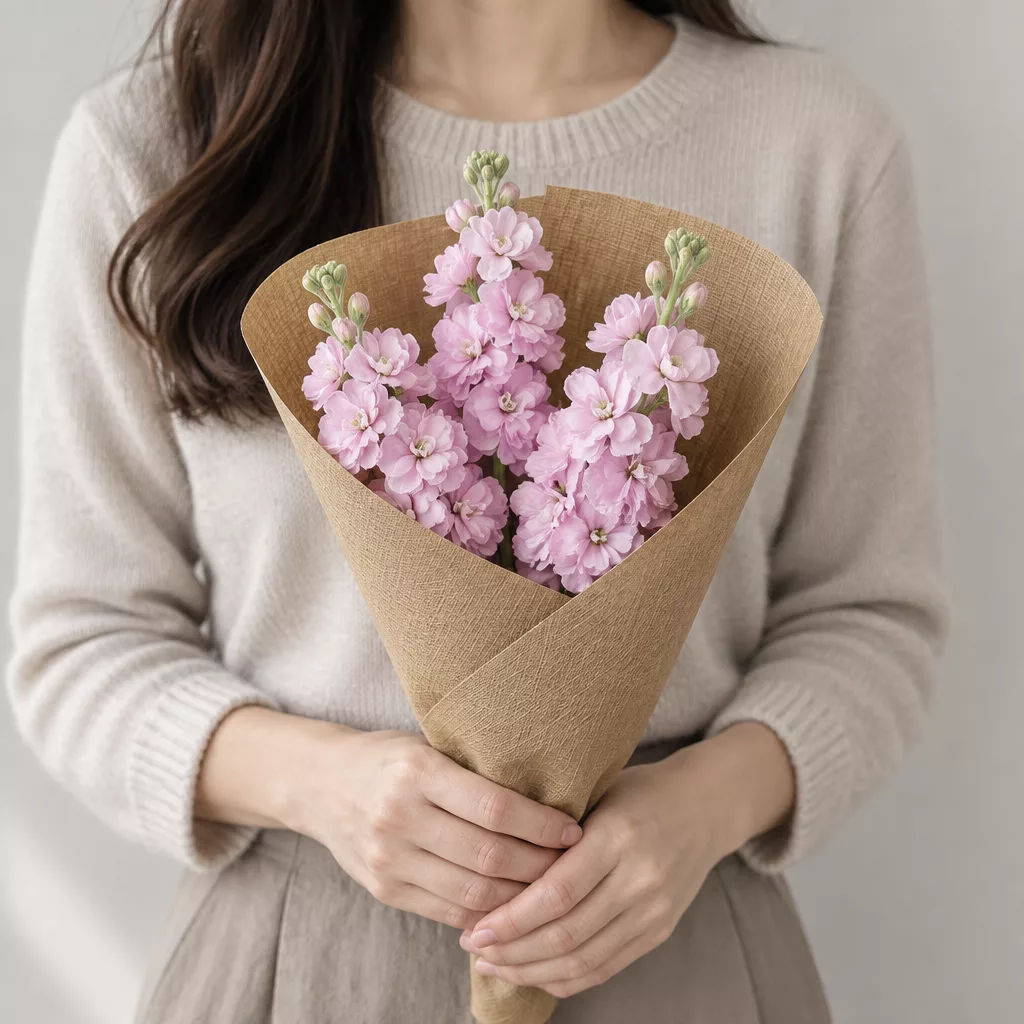
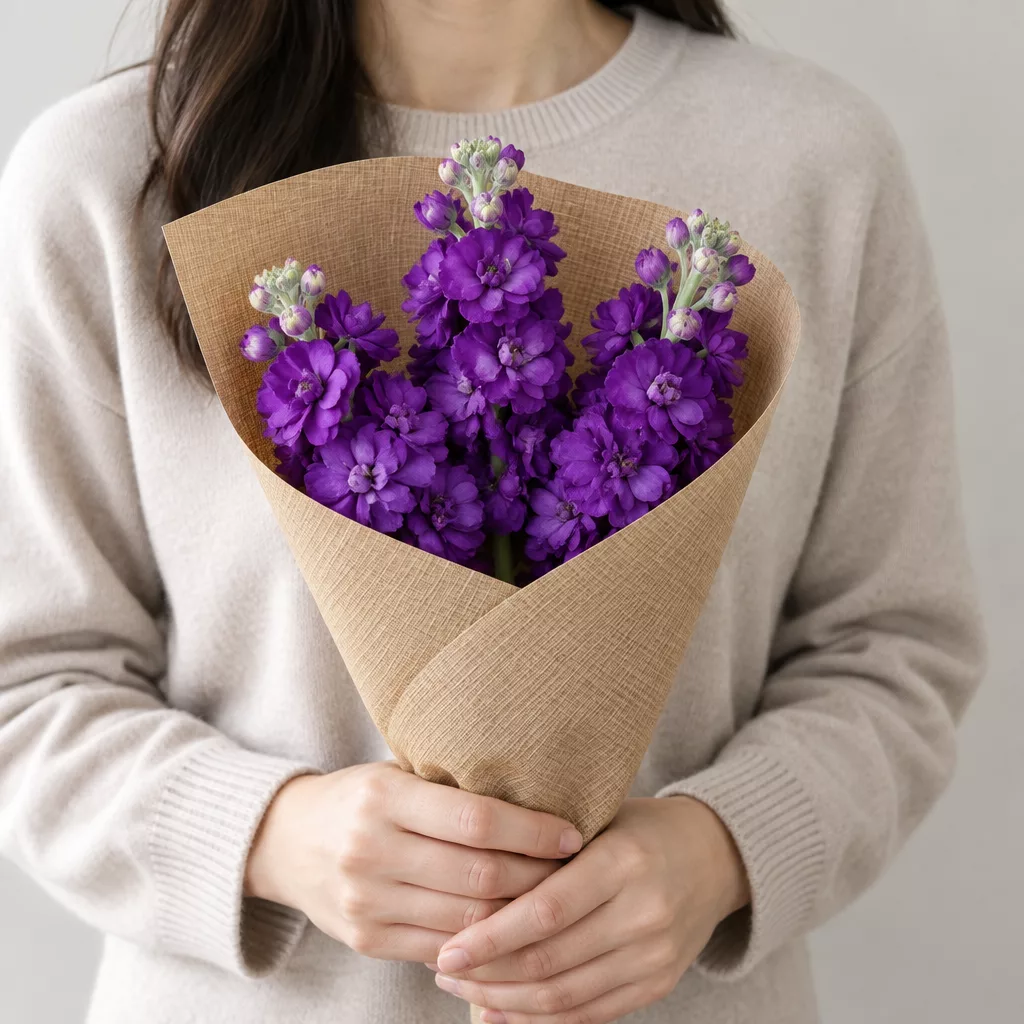
Reading the Room: Choosing by the Hosts' Style and the Space
Before you order, think about the people, not just the occasion. A couple moving into a minimalist apartment with white walls will love a tight, monochrome bouquet — all-white roses or a single-variety arrangement of white lisianthus — because it will not compete with their aesthetic. A family moving into a warm, eclectic flat with coloured rugs and wooden furniture will be delighted by something richer: sunflowers, orange gerberas, deep-red carnations, or a mixed garden-style bouquet with eucalyptus and seasonal foliage.
If you genuinely do not know their taste, lean toward warm neutral palettes — creams, soft yellows, dusty pinks — rather than very bright primaries. These read as celebratory without being loud, and they photograph well against almost any interior, which matters because new homeowners take a lot of photos on moving day.
Also consider the season. In Russian winters, when the street outside is grey and temperatures drop well below freezing, a bouquet of bright yellow mimosa or cheerful gerberas does something that a summer arrangement simply does not: it brings light into a space that needs it. In summer, peonies, garden roses, and lavender feel right with open windows and the smell of fresh paint finally fading.
The Best Flower Varieties to Give at a Housewarming
Certain flowers simply perform better in a new-home context, and as a florist it is worth being direct about which ones.
Sunflowers are close to ideal. They are generous in scale, unambiguously cheerful, and last seven to ten days in a cool room with fresh water. They also carry no complicated symbolism in Russian culture — they are straightforwardly joyful. A mixed bouquet anchored by three or five sunflowers with spray roses and solidago reads as abundant without being expensive.
Chrysanthemums deserve more credit than they get. Modern spray chrysanthemums in white, bronze, or soft yellow are long-lasting — often ten to fourteen days — and they hold their shape even in a warm flat that has just had the heating turned up for the first time. They are not old-fashioned; they are reliable, and reliability is exactly what a new homeowner needs from a gift that has to survive moving week.
Gerberas bring colour without the price of roses. They last five to eight days and come in a range from pale peach to deep coral to vivid orange. They are particularly effective in a glass vase where the stems are visible, which is often the only vessel a newly moved family can find quickly.
Lisianthus — sometimes called eustoma — is the florist's quiet recommendation for people who want something that looks like a luxury flower without the fragility. The blooms are layered and ruffled, they come in white, purple, and pale pink, and they hold for up to two weeks with basic care.
Options Across Different Budgets Without Cutting Quality
A thoughtful housewarming bouquet does not require a large spend. What it requires is intention — the right combination of varieties, a good colour story, and proper conditioning before delivery.
At a modest budget, a hand-tied bouquet of five to seven stems works well when the varieties are chosen carefully. Spray chrysanthemums with eucalyptus and two or three garden roses, for example, creates a bouquet that looks considered and fills a medium vase properly. The eucalyptus adds scent and volume without adding much cost, and its grey-green tone makes almost any flower colour look more sophisticated.
At a mid-range budget, you gain scale and variety. This is where sunflowers, lisianthus, and spray roses can be combined into a genuinely generous arrangement. Adding seasonal foliage — ruscus, pittosporum, or even simple salal — gives the bouquet structure and makes it look designed rather than assembled.
At a higher budget, the most impressive choice for a housewarming is often not a single large bouquet but a composition: a domed arrangement of garden roses and peonies in season, or a tall vase arrangement of branches with roses and lisianthus that immediately becomes a focal point in any room. These arrangements say that the giver thought about how the home would look, not just what the hosts would receive.
Colours That Work in a New Russian Home — and One Combination to Avoid
Colour choice at a housewarming is worth a specific conversation because the flowers are going into an uncertain environment. The hosts may not have curtains up yet. The walls may be freshly painted in a colour you have never seen. The furniture may be covered in moving blankets. The bouquet needs to look good regardless.
Warm yellows and creams are the safest and most universally flattering palette. They suggest sunlight and warmth, they complement both light and dark interiors, and they read as celebratory across every age group. A cream and soft yellow bouquet of roses, lisianthus, and chamomile is almost impossible to get wrong.
Bright, mixed-colour bouquets — what florists call a rainbow mix — work well for younger, more casual households but can feel overwhelming in a space that is already chaotic from the move. If you want colour, a two-tone palette is more elegant: coral and white, yellow and purple, or pink and green.
The one combination to be careful about in Russian culture is an all-yellow bouquet without any other colour. Yellow flowers on their own are sometimes associated with separation or bad luck in Russian popular belief, though this superstition varies by region and generation. Adding white or cream flowers alongside yellow removes any concern entirely. It is a small detail, but it is the kind of thing a florist who works in Russia knows to mention.
Delivery Timing and How to Keep the Bouquet Fresh on Moving Day
Moving day in Russia is reliably hectic. Boxes arrive late, the elevator breaks, someone forgets the kettle, and the hosts have been awake since six in the morning. If you are sending flowers rather than bringing them yourself, timing the delivery thoughtfully is one of the kindest things you can do.
The ideal window is not the first hour of the party, when hosts are still directing furniture, but the second or third hour, when the heaviest work is done and people are beginning to settle. A bouquet arriving at this point gets proper attention — someone finds a vase, the water is changed, and the flowers are placed where they will actually be seen.
In winter, which in Saint Petersburg can mean temperatures of minus fifteen or colder, flowers need protection during transit. Roses and gerberas are particularly sensitive to cold shock: exposure to freezing air for even a few minutes can cause the petals to bruise or the stems to go limp. A professional delivery in a climate-controlled vehicle prevents this entirely, but if you are carrying flowers yourself, keep them inside your coat or a bag — never in the boot of a cold car for more than a few minutes.
Once inside the new home, cut the stems at an angle under running water, remove any leaves that would sit below the waterline, and place the bouquet in a cool spot away from radiators. A new flat with the heating running at full power can shorten vase life by two or three days.
Care Instructions to Pass Along — So the Flowers Last the Full Week
Part of giving a good bouquet is making sure it survives past the first evening. New homeowners are distracted and tired, and flowers are easy to neglect when you are trying to find your toothbrush in a sea of boxes. A few simple instructions, either spoken or written on a small card, make a real difference.
Change the water every two days. This is the single most important step. Bacteria build up in the water and block the stems, which is the primary reason flowers wilt prematurely. Fresh water, re-cut stems, and a clean vase add three to five days of vase life to almost any arrangement.
Keep the bouquet away from fruit bowls. Ripening fruit releases ethylene gas, which accelerates flower ageing. A bowl of apples or bananas on the kitchen counter will shorten the life of nearby roses or lisianthus noticeably. It is an unusual piece of advice, but it is true and practical.
Avoid direct sunlight and heat sources. A windowsill in winter sunlight looks like a perfect spot but can dry out petals quickly. The best position is a cool, bright room — not in a draught, not above a radiator, not in direct afternoon sun.
For sunflowers specifically, they drink a great deal of water and may need topping up daily rather than every two days. Chrysanthemums are the most forgiving variety in a new home context: they tolerate slightly warmer rooms and slightly less attentive care better than most other flowers, which is another reason they are a genuinely practical housewarming gift.
A housewarming bouquet in Russia is not a formality. It is the first piece of beauty in a space that is still finding its shape, and it will be looked at every morning for the next week by people who are slowly turning a new place into a home. Choose for their personality, not just for the occasion. Think about colour, scale, and how long the flowers will last. And if in doubt, warm yellows and creams, generous foliage, and varieties that hold well — sunflowers, lisianthus, chrysanthemums — will never disappoint. The bread and salt are tradition. The flowers are the feeling. We deliver bouquets across Russia in 1–2 hours.
Frequently asked questions
Is it appropriate to bring flowers to a Russian housewarming, or is it considered an odd gift?
Flowers are entirely appropriate and widely given at Russian housewarmings. They complement the traditional bread-and-salt gift rather than replacing it. Most hosts are genuinely pleased to receive a bouquet because it immediately makes the new space feel warmer and more lived-in, even before the furniture is fully arranged.
Should I avoid any specific flower colours at a Russian housewarming?
An all-yellow bouquet is sometimes considered unlucky in Russian popular belief, though this varies by region and generation. The simple solution is to combine yellow flowers with white or cream blooms, which removes any concern. Otherwise, colour choice is guided by the hosts' taste and the general feel of the occasion rather than strict rules.
Which flowers last the longest in a new flat where the heating may be running very high?
Chrysanthemums and lisianthus are the most heat-tolerant cut flowers. Chrysanthemums in particular can last ten to fourteen days even in a warm room with basic care. Roses and gerberas are more sensitive to high temperatures and will fade faster if placed near radiators or in rooms above twenty-two degrees Celsius.
How far in advance should I order housewarming flowers for same-day delivery?
Ordering two to three hours before the desired delivery window gives the florist time to condition the flowers properly. For a housewarming, timing the delivery for the second or third hour of the gathering works better than the very start of the event, when hosts are busiest and least able to find a vase.
Can I send flowers to a new address if I do not know the exact flat number yet?
Yes — provide the building address and a contact phone number for the recipient when you order. The delivery courier will call ahead to confirm the exact flat or entrance. For a housewarming, this is common since guests often learn the precise address only a day or two before the event.
Ready to send flowers?
Pick the city, choose the bouquet, and a local florist takes it from there.
Choose a city →