Moving Into a New Home in Russia? Choose Your Flowers Carefully
A housewarming in Russia is one of those occasions where the flowers you bring say far more than the card attached to them. The new residents are starting a chapter, and every guest who crosses the threshold is, in a small way, blessing that beginning. Get the choice right and your bouquet becomes part of the memory of the day. Get it wrong — even accidentally — and the gift can feel off in a way that is hard to explain but impossible to ignore. This guide will walk you through what Russian tradition actually expects, what it quietly forbids, and how to put together something genuinely beautiful for the people moving in.
What a Housewarming Means in Russian Culture
In Russian the celebration is called novoselye, which translates literally as new settlement. It is not simply a party to show off the new flat or house. It is a ritual moment of crossing a threshold together, of filling the space with warmth and good wishes before the routines of daily life set in. The first guests to arrive are considered especially important — their energy, according to folk belief, sets the tone for the home going forward.
Flowers fit naturally into this because they carry living energy. A fresh, full bouquet signals abundance, health, and growth — exactly what you want to wish on a new home. The hosts are usually exhausted from moving, so the gift should feel generous without requiring effort from them. A beautifully arranged composition that simply needs water is always more welcome than loose stems that need sorting.
The occasion also tends to be more intimate than a birthday or a wedding. The guest list is usually close friends and family, which means your flowers will be seen up close, held, and placed somewhere central in the new home. Think of the bouquet as something that will sit on a table or windowsill for the next week, seen every morning over coffee. That is the standard it should meet.
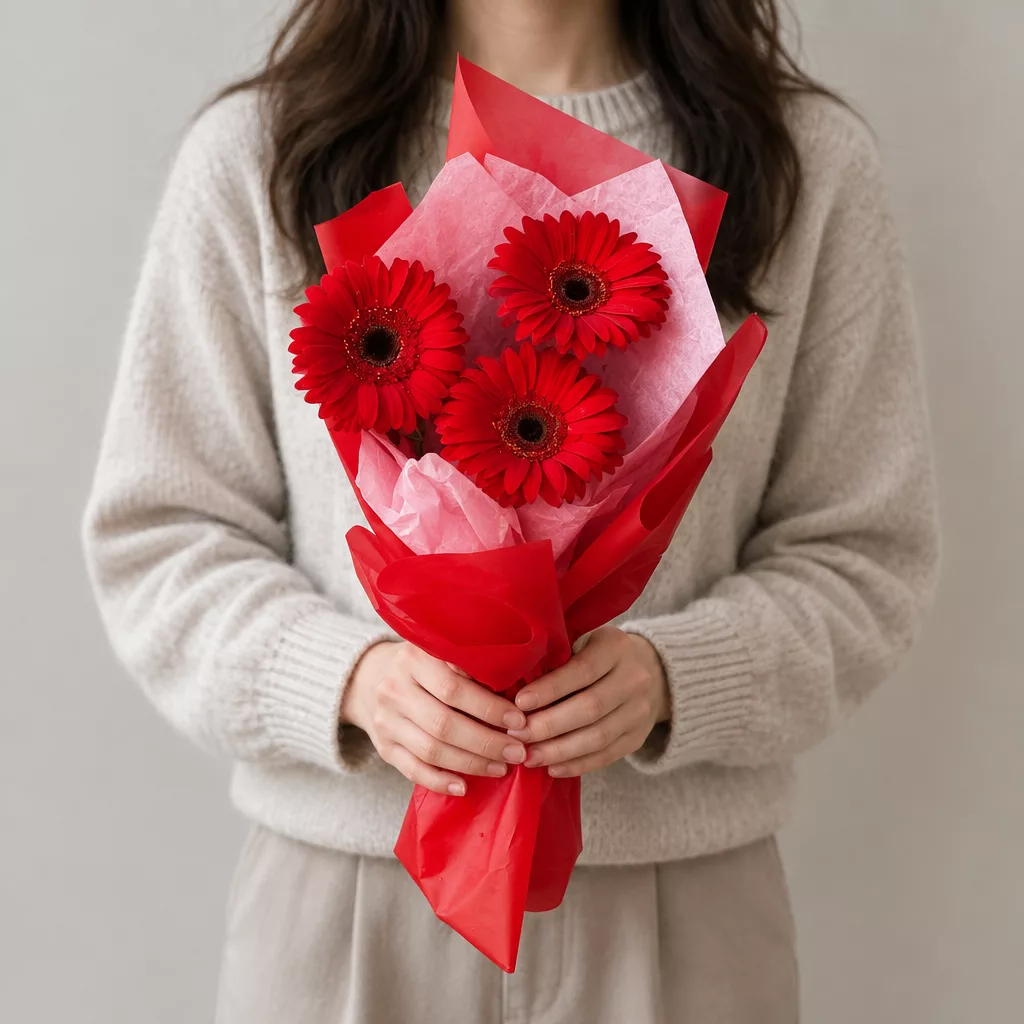
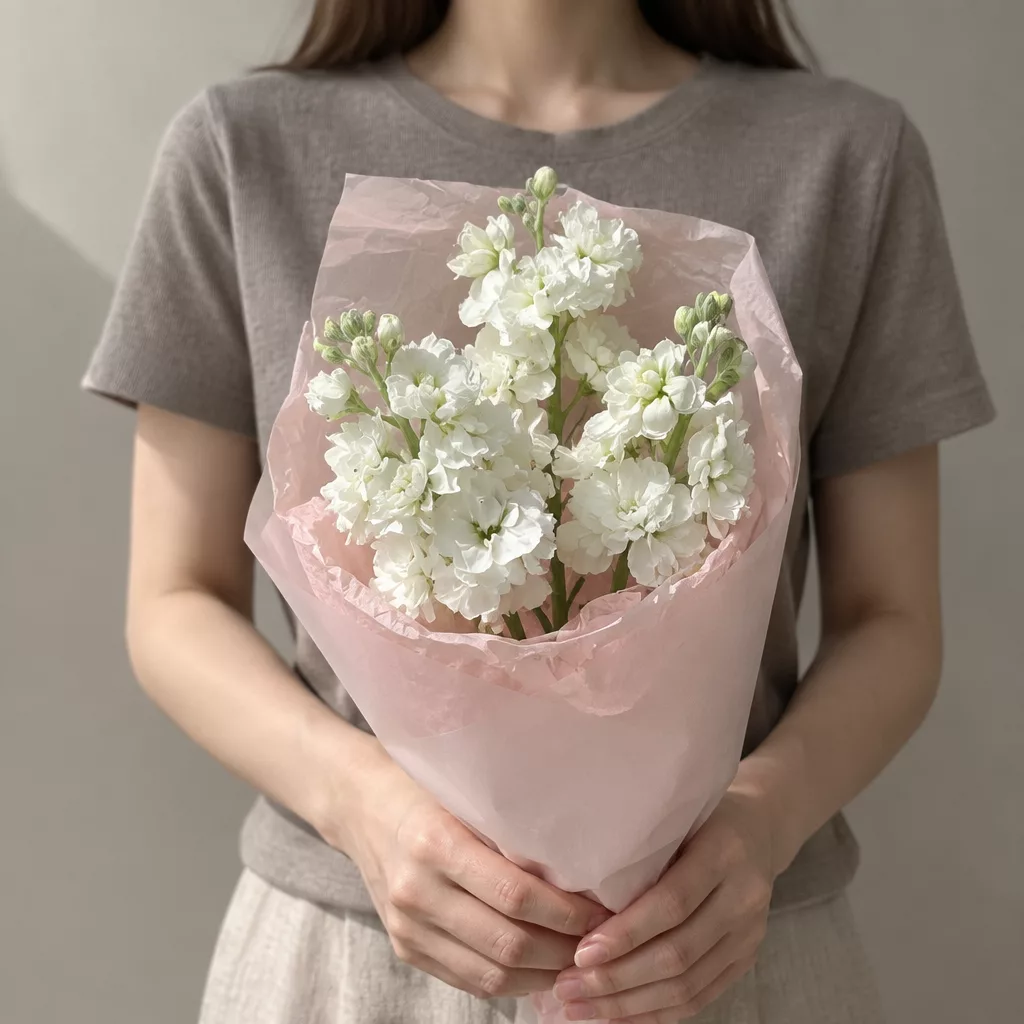
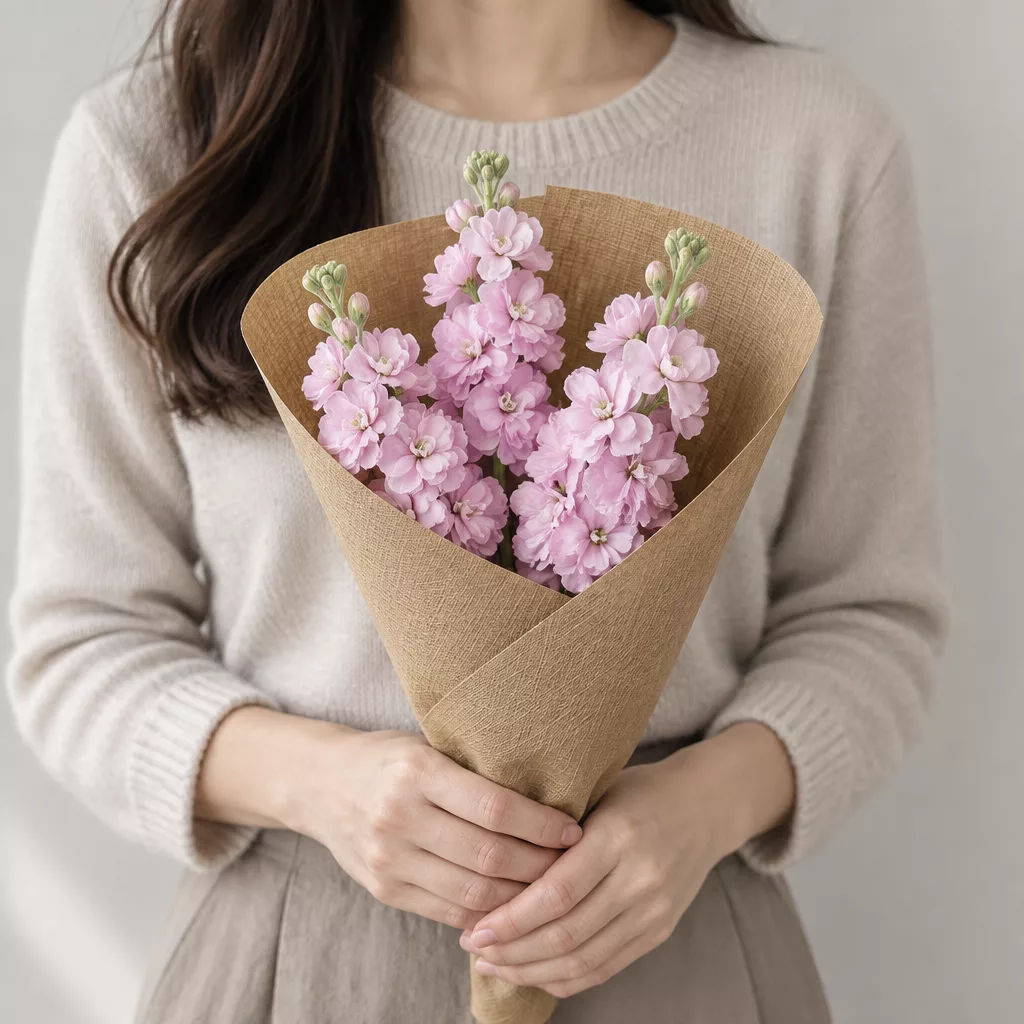
Bouquets we can deliver

The Flowers That Are Considered Lucky for a New Home
Certain flowers carry genuinely positive associations in Russian tradition, and florists who work regularly with housewarming orders know which ones land well every time. Chrysanthemums in warm tones — amber, terracotta, pale gold — are considered symbols of long life and domestic stability. They also last exceptionally well in a vase, sometimes ten to fourteen days with clean water and a cool room, which feels like a quiet metaphor for the home itself.
Peonies, when in season, are almost universally loved and carry no negative folklore. Their full, layered blooms suggest abundance and softness. For a housewarming in late spring or early summer, a peony arrangement in blush, cream, or coral is one of the safest and most beautiful choices you can make. Roses in warm shades — deep red, burnt orange, peachy pink — are appropriate in odd numbers as always in Russian gifting culture.
Sunflowers deserve a mention because they are associated with light, warmth, and the south-facing window every Russian homeowner hopes for. A small cluster of sunflowers mixed with green eucalyptus or solidago creates something cheerful and unpretentious that suits almost any interior. Alstroemeria is another reliable choice — long-lasting, varied in colour, and inexpensive enough to allow a generous volume without straining the budget. Potted plants such as a healthy ficus or a flowering anthurium are also welcomed as symbols of a living, thriving household.
The Taboos: What Not to Bring to a Housewarming
Russian flower etiquette has genuine taboos, and a housewarming is one of the occasions where they are felt most strongly. The clearest one is this: do not bring yellow flowers alone. Yellow flowers given without other colours mixed in are widely associated in Russian culture with separation and bad luck in relationships. A pure yellow bouquet — even beautiful sunflowers or yellow roses — can land awkwardly at a housewarming if the hosts are a couple. Mix yellow with orange, white, or green and the association dissolves entirely.
Even numbers of stems are traditionally reserved for mourning in Russia. This is not a superstition that every Russian follows strictly, but at a housewarming, where the mood should feel celebratory and forward-looking, it is simply not worth the risk. Order odd numbers: five, seven, nine, or eleven stems if you are giving a smaller bouquet.
Cactus and thorny plants as gifts carry the idea of a prickly household — not what you want to suggest. Sharp-thorned roses should have their thorns stripped before gifting, which any careful florist will do as a matter of course. Hollow stems and wilting flowers are an obvious practical problem but also feel symbolically wrong for an occasion about new beginnings. If you are ordering for same-day delivery in warm weather, make sure the florist uses gel sachets or a water tube on the stems so they arrive in perfect condition. A housewarming bouquet that droops within hours is a small but real disappointment.
Choosing by the Mood and Size of the Celebration
A small, intimate novoselye — perhaps six or eight people in a new flat — calls for something warm and personal rather than grand. A compact hand-tied bouquet of garden roses, lisianthus, and a few stems of wax flower in cream and blush works beautifully in a smaller space and will not overwhelm a table that is already covered with food and dishes. The scale of the arrangement should feel proportionate to the room.
For a larger celebration, or when you want the flowers to make a real impression, volume matters. A tall arrangement of chrysanthemums, spray roses, and eucalyptus branches in an amber and green palette fills a corner or a hallway shelf with presence. If the hosts have mentioned a colour scheme for the new home, even loosely, try to echo it. Florists who know the occasion well will often ask about the interior before building an arrangement.
Timing is worth thinking about practically. Housewarming parties in Russia often run long into the evening and can start late in the afternoon. If you are sending flowers ahead of the guests arriving, order delivery for two to three hours before the stated start time. This gives the hosts a chance to arrange the bouquet, find a vase, and have the flowers open slightly in the warmth of the flat. Flowers delivered in the middle of a party, when the hosts are busy, tend to get put down somewhere and forgotten — a waste of a beautiful arrangement.
Combinations and Presentation That Work for This Occasion
The most memorable housewarming bouquets tend to combine textures rather than just colours. Smooth, full blooms like roses or peonies paired with something feathery — astilbe, wax flower, or dried pampas grass — give depth that reads as considered and generous. A single flower type, even in large quantity, can feel a little flat for an occasion that is about abundance and celebration.
Green is underused in housewarming arrangements and should not be. Ruscus, eucalyptus, and pittosporum not only extend the vase life of surrounding flowers by reducing ethylene competition but also give the bouquet a fresh, living quality that suits a home rather than a formal event. A predominantly green and white arrangement — white spray roses, white lisianthus, and generous greenery — is elegant in any interior and carries no awkward associations.
Wrapping and presentation matter more than people realise. Kraft paper with a linen ribbon feels warm and artisanal. Cellophane alone can look commercial. If the bouquet is being delivered, ask for it to be wrapped in a way that protects the blooms in transit — especially in winter, when temperatures in Saint Petersburg and across much of Russia can drop well below zero. Flowers should be wrapped in insulating paper for any outdoor journey over ten minutes in temperatures below five degrees Celsius, or the outer petals will blacken and the gift will lose its effect immediately on unwrapping.
Keeping the Flowers Fresh in a New Home
New homes are often warmer than expected, especially in the first days after moving in when heating is turned up and windows are kept closed. Heat is the primary enemy of cut flower vase life. Roses will last four to five days in a warm room but seven to nine days in a cool one. Chrysanthemums are more forgiving and can handle mild warmth, but even they prefer to sit away from radiators and direct sunlight.
The hosts will likely be too busy to think about flower care in the first hours of the party. A small card with two or three simple instructions is genuinely useful: trim the stems at an angle before placing them in water, change the water every two days, keep the vase away from the fruit bowl. Ethylene gas from ripening fruit is one of the most common causes of premature wilting, and most people do not know this.
Vase choice affects everything. A narrow-necked vase supports stems and keeps the arrangement upright without any additional structure. A wide bowl requires either floral foam — which many florists now avoid for environmental reasons — or a grid of tape across the mouth to hold stems in place. If you are sending flowers to someone who has just moved in, they may not have a vase unpacked yet. A bouquet delivered in its own water-holding wrap, or accompanied by a simple glass vase, is a thoughtful practical touch that the recipient will notice and appreciate long after the flowers themselves are gone.
A housewarming is one of the few occasions in Russian life where the flowers you bring are genuinely part of the ritual, not just a polite addition to it. Choose warm colours, odd numbers, full and living textures, and steer clear of the combinations that carry uncomfortable associations. Think about the size of the space, the timing of the delivery, and the practical reality of a household that is still finding its feet. A bouquet that arrives in perfect condition, suits the home, and lasts well into the week ahead is one of the most quietly generous gifts a new home can receive.
Frequently asked questions
Is it acceptable to bring potted plants to a Russian housewarming instead of cut flowers?
Yes, and many Russians genuinely prefer them. A healthy potted plant — a ficus, a peace lily, or a flowering anthurium — is seen as a living symbol of a thriving household. Avoid cacti or heavily thorned plants, which carry prickly associations. Choose something lush, green, and easy to care for.
Why do Russians avoid even numbers of flowers as gifts?
Even numbers of stems are traditionally associated with mourning in Russian culture, where funeral arrangements follow that convention. For any celebratory occasion, including a housewarming, odd numbers — five, seven, nine, eleven — are the correct choice. This is one of the most consistent etiquette rules across generations and regions.
Can I send yellow flowers to a Russian housewarming?
Yellow flowers on their own carry an association with separation and bad luck in Russian tradition. However, yellow mixed with other colours — orange, white, or green — loses that association entirely. A bouquet of sunflowers with eucalyptus and orange spray roses is a warm, cheerful choice that will be very well received.
How far in advance should I order flowers for a housewarming party?
Order for delivery two to three hours before the party begins. This gives the hosts time to find a vase, trim the stems, and let the flowers open slightly before guests arrive. Flowers delivered mid-party often get set aside in the chaos. Same-day delivery within one to two hours is available through Turboflora across Russia.
What should I do if the flowers are being delivered in cold winter weather?
Ask specifically for cold-weather wrapping — insulating paper around the bouquet for any outdoor transit below five degrees Celsius. Without it, outer petals on roses and lisianthus can blacken within minutes of exposure to frost. Turboflora accounts for seasonal temperatures when preparing deliveries, but it is always worth mentioning if conditions are extreme.
Ready to send flowers?
Pick the city, choose the bouquet, and a local florist takes it from there.
Choose a city →