Flowers for a Russian Name Day: Is It Different from a Birthday?
You have been invited to celebrate someone's name day, or you want to send flowers to a friend in Russia who just mentioned it is their imeniny — and now you are wondering whether the rules are different from a regular birthday. They are, a little. The feeling behind the occasion is quieter and more personal, which changes what the bouquet should say before it even reaches the door.
What a Name Day Actually Is in Russian Culture
A name day, or imeniny, is the feast day of the Christian saint whose name a person carries. In the Orthodox calendar, almost every day of the year is dedicated to one or more saints, so if your friend is named Tatiana, her name day falls on January 25th, the feast of Saint Tatiana. If she is named Nikolai, he celebrates on several possible dates tied to Saint Nicholas.
For centuries in Russia, imeniny were actually considered more important than a birthday. Birthdays track the body; name days track something closer to identity and spiritual belonging. The Soviet era pushed both celebrations into a more secular shape, and today most Russians treat their birthday as the bigger event. But name days have never disappeared, and in many families — particularly religious ones or those with strong regional roots — they are still marked with real warmth.
The person receiving your flowers on their name day is likely to feel a particular kind of touched. It means you remembered something specific about them, something beyond the date on their passport. That quiet intimacy is what your bouquet should reflect. A loud, dramatic arrangement built for a crowd can feel slightly off. Something considered and personal lands much better.
Bouquets we can deliver

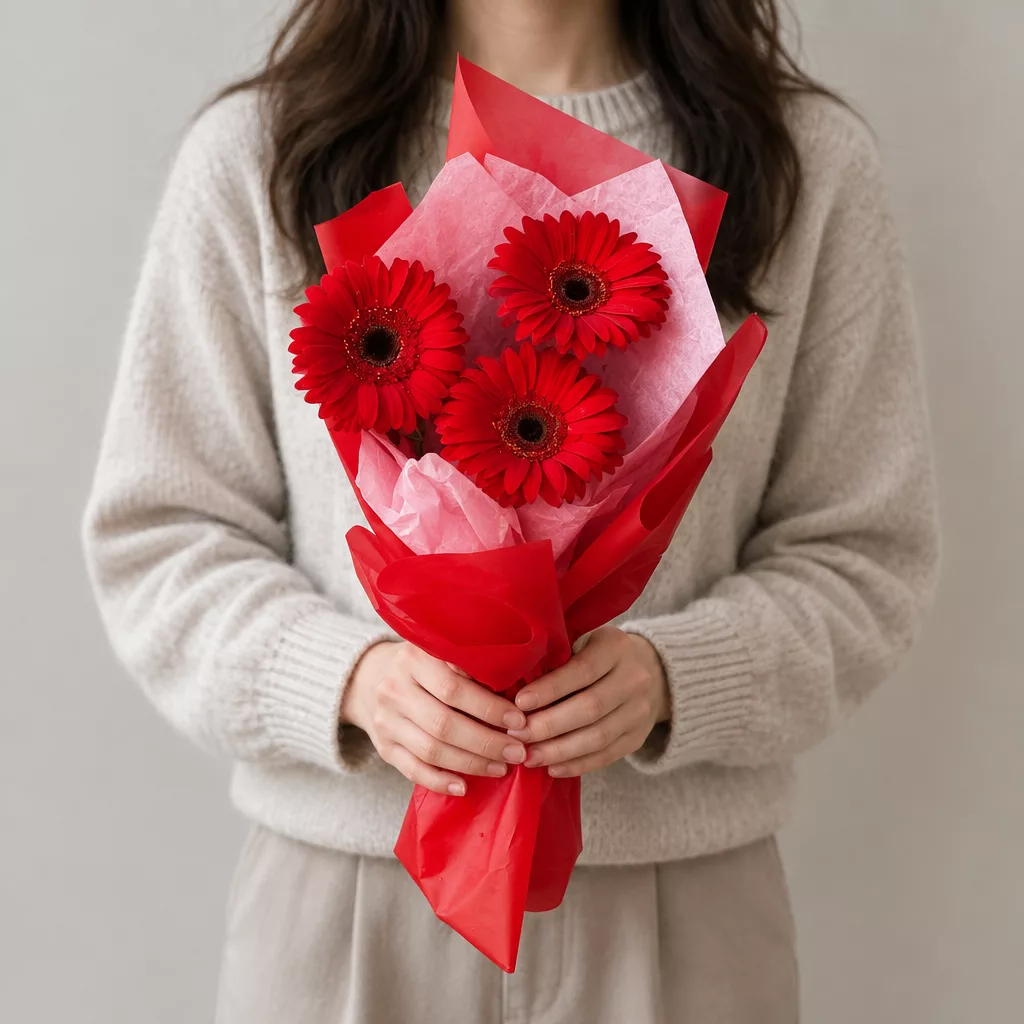
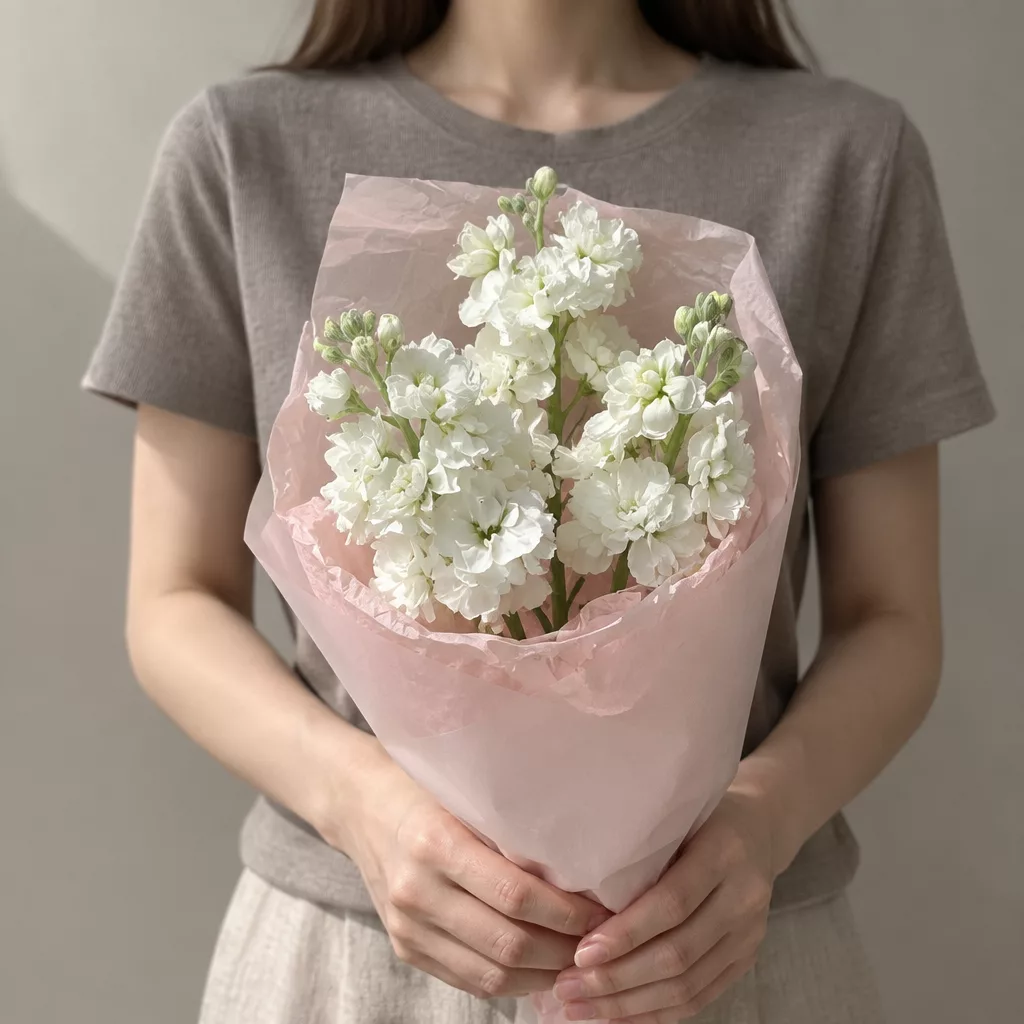
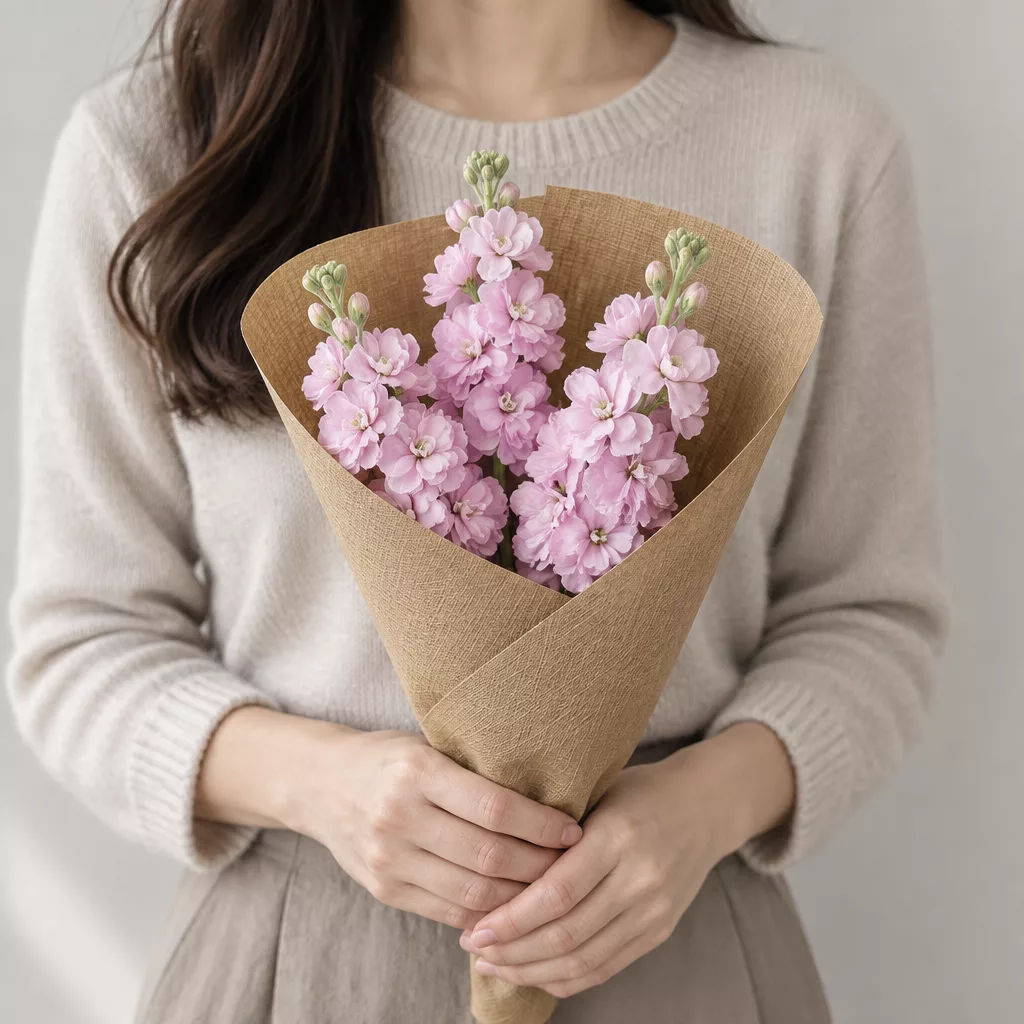
Where the Flower Etiquette Overlaps and Where It Diverges
For both birthdays and name days, the core Russian flower rules apply: always bring an odd number of stems, because even numbers are associated with mourning. White flowers are perfectly acceptable for living celebrations in Russia, despite what some outdated advice suggests — white roses, white tulips, and white peonies are all common and welcome. Red roses remain the most popular choice across every occasion in the country.
Where name days differ is in tone rather than strict rules. A birthday bouquet can afford to be bold and celebratory — a large mixed arrangement, bright sunflowers, dramatic dahlias. A name day gift tends to suit something a little more refined. Think of it the way you might think of the difference between a surprise party and a quiet dinner. Both are celebrations, but they ask for different kinds of attention.
The recipient's saint also gives you a creative thread to pull. Some florists and thoughtful senders choose flowers that echo the saint's traditional symbols or colours. Saint Tatiana's day falls in January, so winter-appropriate flowers — anemones, hyacinths, ranunculus — feel seasonally right. For a summer name day like that of Saint Olga in July, garden roses or lisianthus make natural sense. You are not required to follow any of this, but it gives the bouquet a story, and stories are what people remember.
Choosing the Right Bouquet for the Person and the Moment
Start with who the recipient is before you think about which flowers to order. A name day bouquet for a grandmother who attends church regularly might lean toward classic, dignified choices: long-stemmed roses in cream or deep pink, perhaps with a few stems of white alstroemeria for longevity. The arrangement should feel respectful and warm rather than playful.
For a younger recipient — a colleague, a university friend, a sister — you have more room to be creative. Soft garden-style bouquets work beautifully here: a mix of spray roses, eucalyptus, and a few stems of matthiola for fragrance. Matthiola, sometimes called stock, has a sweet, slightly spiced scent that fills a room within an hour of unwrapping, and it makes a strong impression without being overpowering.
If the person is celebrating a name day that falls on a significant saint's feast — one that is widely observed in their family or community — consider adding a small personal element to the arrangement. A single stem of an unusual flower tucked into an otherwise classic bouquet signals that you chose this with thought. Hellebores in late winter, sweet peas in early summer, or a branch of flowering quince in spring can all play this role.
Avoid arrangements that look corporate or generic. A name day is intimate by nature, and a bouquet that could have been sent to anyone defeats the whole point of the occasion.
Budget Ranges and What Each One Gets You
At a modest budget, a single-variety bouquet is your best move. Seven or nine stems of a good rose — varieties like Mondial in creamy white or Explorer in deep red — wrapped simply with kraft paper and a ribbon deliver genuine elegance. Single-variety bouquets look intentional rather than economical, which matters when the occasion is personal.
With a mid-range budget, you can build a mixed bouquet that has texture and movement. A base of garden roses paired with two or three complementary varieties — perhaps lisianthus for its ruffled, peony-like blooms, and a few stems of waxflower for delicate filler — creates something that looks considered and generous without tipping into excess. This range also allows for a small upgrade in packaging: a quality box arrangement or a wrapped bouquet with a water source so the flowers arrive fresh regardless of travel time.
At a higher budget, the options open up considerably. Peonies when in season, garden roses from specialty growers, or an arrangement built around David Austin varieties all carry a sense of occasion that matches a meaningful name day. You can also request a larger stem count, which gives the recipient a bouquet substantial enough to fill a vase and keep the room beautiful for the better part of a week.
Whatever the budget, prioritise stem quality over stem count. Five perfectly conditioned roses outlast fifteen tired ones, and on a name day, the bouquet will be looked at closely.
Timing, Delivery, and the Temperature Problem
Name days in Russia are often celebrated at home rather than at a restaurant or event venue, which means delivery to a residential address is the norm. The recipient is likely to be there, which makes timing easier — but it also means the flowers will be seen immediately and put straight into a vase, so condition matters enormously.
In Saint Petersburg, temperatures vary dramatically by season. In January and February, outdoor temperatures can drop below minus fifteen degrees Celsius, and flowers left in an unheated vehicle or a cold entrance hall for even twenty minutes can suffer. Roses and tulips are particularly vulnerable: their petals bruise in the cold and fail to open properly once inside. A reputable florist will pack cold-weather orders with insulating material and time the route carefully.
In summer, the opposite problem applies. Temperatures above twenty-five degrees Celsius shorten vase life significantly, and flowers that travel in a warm car for more than thirty minutes begin to wilt before they arrive. Hydrangeas and sweet peas are the most sensitive; roses and chrysanthemums handle heat somewhat better.
For a name day, try to have the bouquet arrive in the morning or early afternoon. This gives the recipient time to arrange the flowers properly, and it means the bouquet is present throughout the celebration rather than arriving after the guests. If the name day falls on a weekday, a morning delivery to the person's workplace is also a lovely gesture — it announces the occasion to their colleagues and makes the day feel special from the start.
Keeping the Flowers Beautiful After They Arrive
The care instructions matter more on a name day than on many other occasions, because the recipient will want the bouquet to last through the celebration and beyond. Pass along a few simple notes when you order, or include a small card with the flowers.
Cut the stems at an angle under running water before placing them in a clean vase — this removes any air pockets that block water uptake. The vase water should be cool, not cold, and changed every two days. Keep the bouquet away from direct sunlight, radiators, and fruit bowls: ripening fruit releases ethylene gas, which accelerates wilting in roses, tulips, and lisianthus.
Different flowers in a mixed bouquet have different vase lives, and knowing this helps the recipient manage the arrangement as it ages. Chrysanthemums and alstroemeria typically last ten to fourteen days. Roses and lisianthus give you seven to ten days with good care. Tulips and anemones are shorter-lived at five to seven days, but they are so striking in their prime that the trade-off is worth it.
If the bouquet includes hyacinths or narcissi, keep them in a separate vase for the first day. These bulb flowers release compounds that shorten the life of roses and other cut stems when placed together. After twenty-four hours the effect diminishes and they can be combined safely.
A bouquet that lasts well past the name day itself becomes a small continuing reminder of the person who sent it — which is exactly the kind of impression worth making.
A Russian name day is one of those occasions where the thought genuinely shows in the choice. Because it is quieter than a birthday, because it is tied to something personal and longstanding in the recipient's identity, a bouquet that feels considered lands with real warmth. You do not need to know Orthodox theology to get this right — you just need to think about the person first and the flowers second. Choose varieties that suit the season, match the tone to the intimacy of the occasion, and make sure the stems arrive in perfect condition. That combination, more than any particular flower or colour rule, is what makes the gift memorable.
Frequently asked questions
Do Russians celebrate name days the same way they celebrate birthdays?
Not quite. Birthdays tend to be larger, louder celebrations with more guests and gifts. Name days are often quieter — a family dinner, close friends, a phone call from relatives. The occasion is more personal and reflective, which is why a thoughtful, understated bouquet often fits better than a grand floral statement.
Is it appropriate to send flowers if I am not Russian and do not share the same faith?
Completely appropriate. Sending flowers for a name day is simply a way of acknowledging something meaningful to the recipient. You do not need to share their religion or cultural background to make the gesture. Most Russians will find it touching that a non-Russian friend took the time to remember the occasion at all.
Which flowers should I avoid for a name day gift?
Avoid even numbers of stems, as this is associated with mourning in Russian tradition. Beyond that, there are no firm prohibitions. Chrysanthemums, sometimes avoided in Western European gifting contexts, are perfectly normal in Russia. The main thing to avoid is anything that looks impersonal or mass-produced — the occasion deserves a bouquet with some thought behind it.
Can I send a name day bouquet to someone in another Russian city?
Yes. Turboflora delivers across Russia, so you can send flowers to a friend or family member regardless of which city they are in. The same attention to stem condition and delivery timing applies — we pack and route orders to ensure the flowers arrive in the same quality they left our studio.
How far in advance should I order flowers for a name day?
Ordering the evening before or on the morning of the name day is usually fine for same-day delivery. If the name day falls on a major saint's feast that many people share — such as Saint Tatiana's Day on January 25th — it is worth ordering a day ahead, as demand for delivery slots increases significantly on those dates.
Ready to send flowers?
Pick the city, choose the bouquet, and a local florist takes it from there.
Choose a city →