Keeping Every Birthday Remembered: Flowers for Your Russian Team All Year
There is a particular moment that every employee remembers — the day the company noticed it was their birthday and did something real about it. Not an automated email, not a voucher code, but flowers arriving at the office before lunch. For HR teams managing dozens or hundreds of staff across Russia, making that moment happen consistently is less about sentiment and more about system. This article shows you exactly how to build one.
Why Flowers Land Differently Than Other Birthday Gestures in Russia
In Russian workplace culture, a birthday is treated as a genuinely significant personal occasion, not just a calendar note. Colleagues often gather briefly to congratulate the person, and arriving to work already holding flowers from the company sets a warm tone for the whole day. The gesture signals that leadership sees the individual, not just the role.
Flowers carry particular weight because they are a traditional gift for almost every celebratory occasion in Russia — graduations, promotions, name days, and birthdays alike. Receiving them from an employer feels personal rather than corporate, which is exactly the effect you want when building loyalty.
For international companies operating in Russia, this is worth understanding plainly: a gift card or a mug feels transactional here in a way that a fresh bouquet simply does not. The physical presence of flowers in someone's workspace for several days also keeps the recognition visible, which reinforces the feeling of being valued long after the morning congratulations have ended.
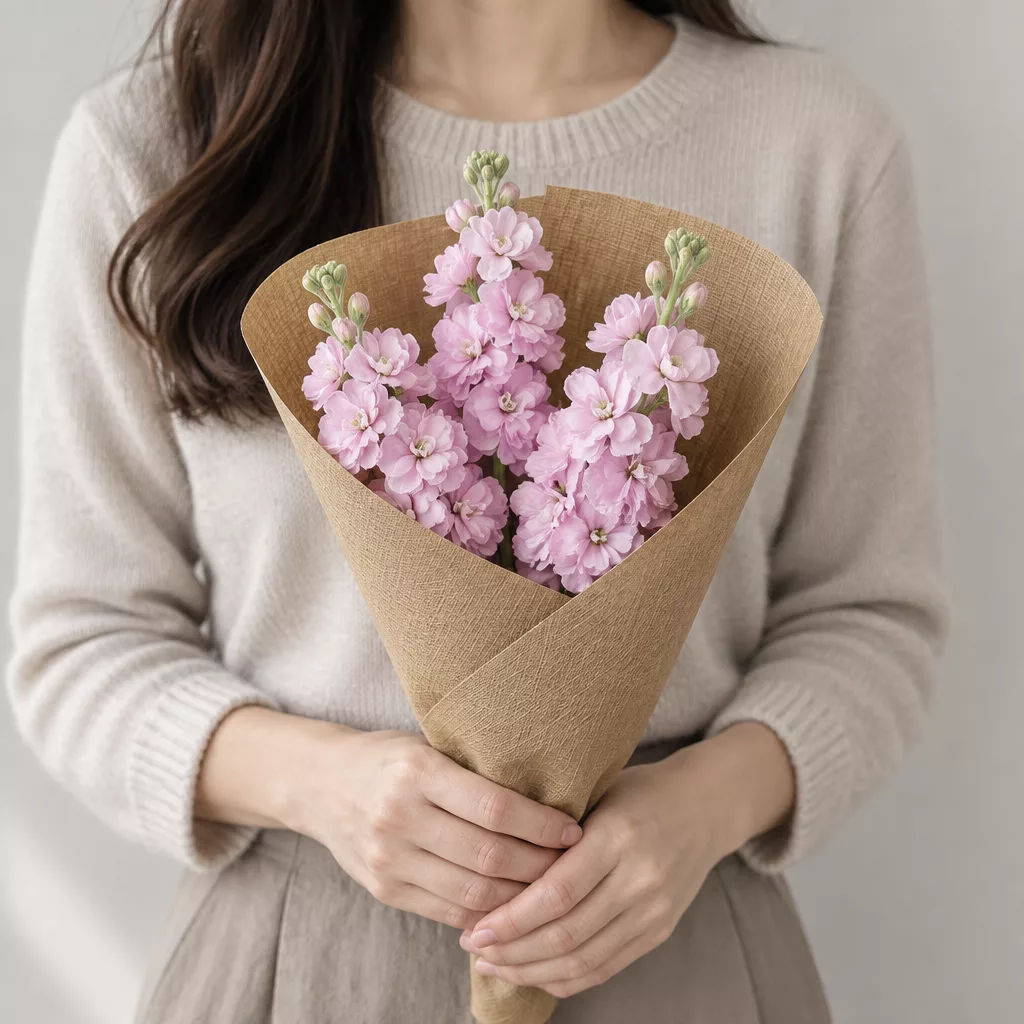
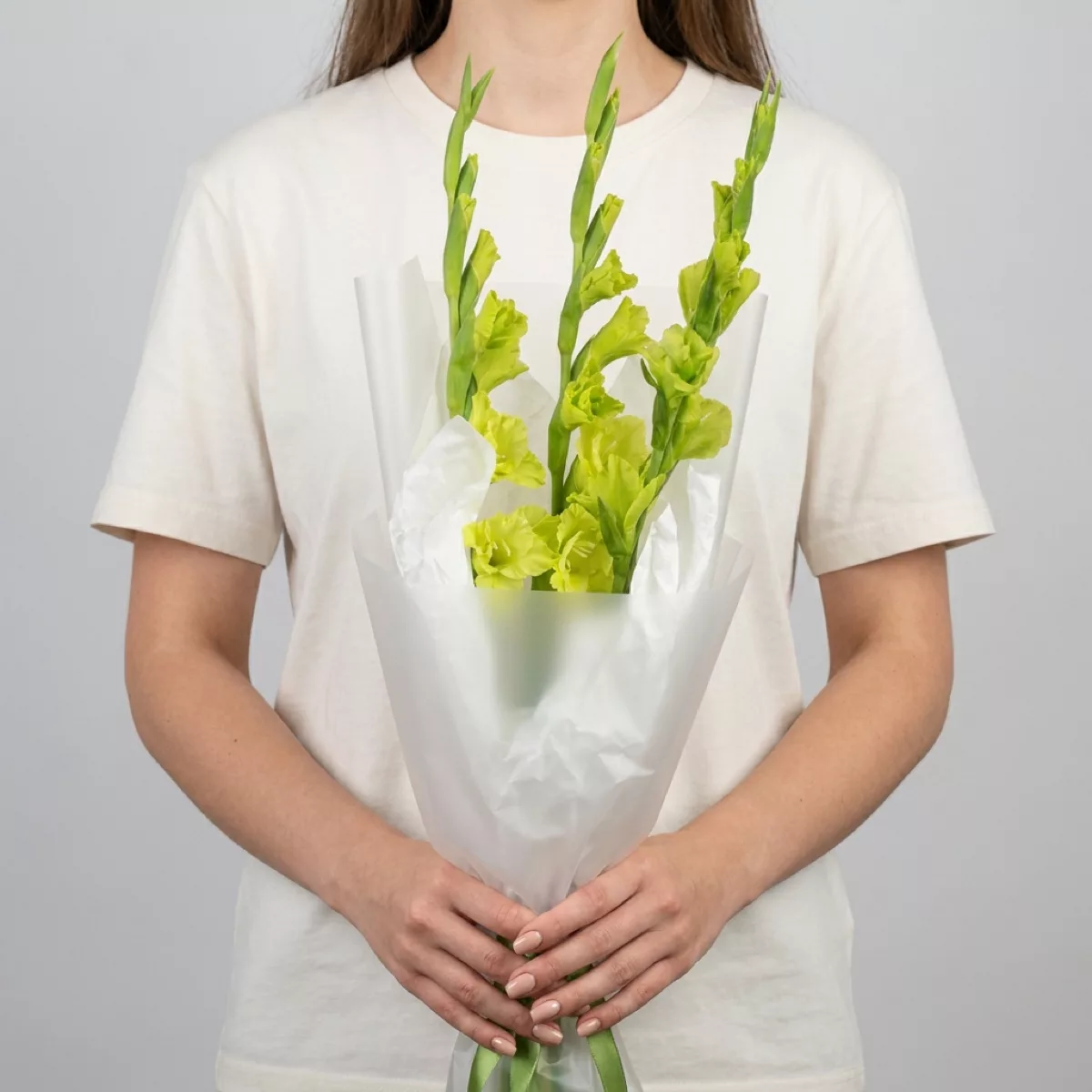
The style of bouquet matters too. A tightly wrapped, ribbon-tied arrangement reads as thoughtful and deliberate. A loose handful of stems, however fresh, can feel casual to the point of careless. When you set up a programme with a florist, specifying presentation — wrapping, colour palette, size — ensures the gesture lands consistently well across every delivery.
Bouquets we can deliver


Building Your Staff Birthday List: What Information to Gather
A reliable birthday flower programme starts with clean data. You need each employee's full name, their birthday (day and month is sufficient — year is unnecessary), their usual work location or office address, and a note on whether they work remotely or in the office on most days. That last detail is critical: flowers delivered to an empty desk are a wasted gesture and a logistical headache.
For remote employees, a home delivery address is the most personal option and tends to create the strongest impression. Make sure you have consent to share this address with the delivery service, especially under Russian personal data regulations. A simple internal form asking employees to opt in and provide a preferred delivery address solves this neatly.
Once you have the list, export it into a simple spreadsheet with columns for name, birthday date, delivery address, department, and any known preferences such as allergies or a dislike of strong scents. Lilies, for instance, are beautiful and long-lasting but have a powerful fragrance that some people find overwhelming in enclosed office spaces. Knowing this in advance lets you substitute with roses, lisianthus, or spray chrysanthemums — all of which hold their shape well in heated Russian office environments.
Update the list at least twice a year — when new employees join and when people leave. A bouquet arriving for someone who left three months ago is the kind of detail that quietly damages confidence in the programme. Treat the list as a live document, not a one-time setup task.
Choosing Flowers for the Season: Russia's Climate Changes Everything
Russia's seasons are extreme, and they affect both which flowers are available at their best and how bouquets survive the journey from shop to recipient. Understanding this helps you set realistic expectations and make smarter choices for each quarter of the year.
In winter, from November through February, the outside temperature in Saint Petersburg and many Russian cities can drop well below minus ten degrees Celsius. Flowers in transit are protected, but arrangements with delicate petals — garden roses with many open layers, for example — can bruise or wilt faster during cold-weather deliveries. Compact, sturdy flowers work best: spray roses, alstroemeria, and waxflower hold up well and look polished. Deep jewel tones — burgundy, plum, cobalt blue — suit the season visually.
Spring brings tulips, ranunculus, and hyacinths in abundance, and these feel genuinely celebratory after a long Russian winter. If several birthdays fall in March or April, a tulip-forward bouquet in soft pinks and creams is almost universally well received. Note that tulips continue to grow after cutting and will lean toward light, so advise recipients to rotate their vase.
Summer allows for the widest range — garden roses, peonies in June, sunflowers, and lush greenery all travel well in moderate temperatures. Autumn is the season for dahlias, echinacea, and warm amber tones that complement the changing light. Planning your colour palette and flower families by season, rather than choosing the same bouquet year-round, makes each birthday feel considered rather than automated.
Setting Up Reminders: Automating Without Losing the Personal Touch
The most common reason birthday flower programmes fail is not budget — it is timing. An order placed the morning of the birthday, or worse the day after, defeats the purpose entirely. Building a reminder system that gives you at least three to five working days of lead time is the single most important operational decision you will make.
Start with your internal calendar. Export birthday dates from your staff list into a shared HR calendar, then set recurring reminders fourteen days before each date. This gives you time to confirm the delivery address, check that the employee is actually in on that day, and place the order with enough lead time for the florist to source anything specific you have requested.
For teams with more than fifty employees, a simple spreadsheet with a formula that flags upcoming birthdays within the next thirty days — updated each Monday — is more reliable than relying on calendar notifications alone. Assign one person as the programme coordinator and a backup for when that person is on leave. A programme that depends entirely on one individual is fragile.
When you submit orders to Turboflora, you can provide advance delivery dates so the arrangement is prepared and dispatched to arrive at the right time. For office deliveries, mid-morning — between ten and noon — tends to work best. The recipient is usually at their desk, colleagues are around to see the moment, and there is still the whole working day ahead to enjoy the flowers. Avoid scheduling deliveries during known all-hands meetings or lunch hours when offices empty out.
Bouquet Options by Company Budget: What Each Level Delivers
A well-run birthday programme does not require an identical bouquet for every employee, but it does require a consistent standard within whatever tier you choose. Inconsistency — where some staff receive a generous arrangement and others get something noticeably smaller — creates exactly the opposite of the intended effect.
For smaller budgets, a single-variety bouquet is your best friend. Fifteen stems of alstroemeria in a unified colour, wrapped neatly with kraft paper and a ribbon, looks intentional and generous. Alstroemeria is one of the longest-lasting cut flowers available — properly cared for, it will stay fresh for ten to fourteen days — which means the recipient has a visible reminder of the gesture for almost two weeks.
Mid-range budgets open up mixed arrangements. A combination of spray roses, lisianthus, and eucalyptus has a full, layered look that reads as genuinely luxurious without requiring the most expensive stems. Lisianthus in particular is often mistaken for peonies by people unfamiliar with it, which means it delivers a high-end impression at a more accessible cost. Add a few stems of ruscus or pittosporum for volume and the bouquet looks twice its actual size.
For senior leadership birthdays or milestone anniversaries — a tenth year with the company, for example — a larger arrangement anchored by garden roses or peonies in season, with complementary texture from waxflower or veronica, signals genuine appreciation. Brief a card with a personal note from the director or CEO. The flowers carry the visual weight; the card carries the meaning. Together they create a moment that employees talk about.
Handling Edge Cases: Allergies, Remote Workers and Missed Dates
No programme survives contact with real people without encountering exceptions. Planning for them in advance keeps the programme running smoothly rather than creating embarrassing situations.
Allergies are the most common concern. A small number of people have genuine sensitivities to pollen — most commonly from lilies, which produce large, dusty anthers. The simple solution is to request that lily anthers be removed before delivery, which most florists do as standard for office bouquets. For employees with documented sensitivities, substitute with pollen-free varieties: roses, lisianthus, and anthurium are all safe choices. Keep a note in your staff list so the same substitution applies every year without you needing to remember it.
Remote workers deserve the same quality of experience as office-based staff, but home deliveries require more precise timing coordination. Confirm the delivery window with the employee in advance — a brief message the day before asking if they will be home between certain hours prevents a missed delivery. In Russia, it is entirely normal and appreciated for a company to send flowers to an employee's home; it feels warm rather than intrusive when handled with a simple heads-up.
Missed dates happen, especially around public holidays. Russia has several extended holiday periods — the New Year break in early January and the May holidays — when offices close for multiple consecutive days. Check your birthday calendar against the Russian public holiday schedule at the start of each year and flag any birthdays that fall within these windows. Arrange delivery for the last working day before the break, with a note acknowledging that the timing is slightly early. Employees appreciate the forethought.
Vase Life and Care: What to Tell Your Employees
Part of making the birthday flower programme feel premium is ensuring the flowers actually last. A bouquet that wilts within three days reflects poorly on the gesture, even if the flowers were fresh at the time of delivery. Sharing simple care instructions — either on a card with the bouquet or in a follow-up message — makes a real difference.
The most important step is the first one: a clean, diagonal cut across each stem, made with a sharp knife rather than scissors, before placing them in water. Scissors crush the stem cells that draw water, shortening vase life noticeably. A diagonal cut increases the surface area for water uptake. This one action alone can add two to three days to the life of the arrangement.
Water temperature matters more than most people realise. Lukewarm water encourages most cut flowers to hydrate quickly, while very cold water slows the process. Change the water every two days and rinse the vase each time to prevent bacterial build-up, which is the main cause of premature wilting. Remove any leaves that sit below the waterline — they rot quickly and contaminate the water.
Office environments in Russia are typically heated to comfortable indoor temperatures in winter, which is fine for most flowers. However, placing a vase directly above a radiator or in direct sunlight from a south-facing window will shorten vase life significantly. A spot on a desk away from heat sources and out of draughts is ideal. Alstroemeria and spray chrysanthemums will last the longest under office conditions — up to two weeks with proper care — while garden roses and tulips are shorter-lived but more visually dramatic in their peak days.
A birthday flower programme works because it is consistent, not because it is complicated. Once your staff list is clean, your reminder system is running, and your seasonal choices are mapped out, the whole thing takes very little time to maintain — and the return in employee goodwill is genuine and lasting. The flowers themselves do the work. Your job is simply to make sure they arrive on the right day, at the right place, looking exactly as considered and generous as you intended. We deliver bouquets across Russia in 1–2 hours.
Frequently asked questions
How far in advance should HR place birthday flower orders?
Placing orders three to five working days ahead gives the best results. This allows time to source specific flowers, confirm the delivery address, and check that the employee will actually be present. For large teams with many birthdays in a single month, submitting a batch of advance orders at the start of the month is the most efficient approach and avoids last-minute rushes.
Can flowers be delivered to employee home addresses in Russia?
Yes, and for remote workers this is often the most appreciated option. Turboflora delivers across Russia with a one-to-two hour window. Simply collect home addresses through an internal opt-in form to ensure employees are comfortable with the arrangement. A brief message the day before confirming the delivery window prevents missed deliveries and makes the gesture feel coordinated rather than unexpected.
Which flowers last longest in a typical Russian office environment?
Alstroemeria and spray chrysanthemums are the strongest performers, lasting ten to fourteen days with basic care. Lisianthus and spray roses also hold well in heated interiors. Avoid placing any arrangement above a radiator or in direct sunlight, both of which shorten vase life considerably. Sharing a simple care card with each delivery helps employees get the most from their bouquet.
What should we do if a birthday falls during Russian public holidays?
Check your birthday calendar against the Russian public holiday schedule at the start of each year — particularly the extended New Year break in January and the May holidays. For birthdays falling within these periods, arrange delivery on the last working day before the break and include a note acknowledging the early timing. Employees consistently appreciate the forethought more than a perfectly timed but delayed gesture.
Is it appropriate to send the same bouquet to every employee regardless of seniority?
A consistent standard within each tier is more important than identical bouquets across all levels. Many companies use a single-variety arrangement as the baseline for all staff and reserve larger mixed bouquets for milestone anniversaries or senior roles. What matters most is that no employee receives something noticeably smaller or less considered than a colleague — perceived inconsistency undermines the programme's goodwill entirely.
Ready to send flowers?
Pick the city, choose the bouquet, and a local florist takes it from there.
Choose a city →