Sending Anniversary Flowers in Russia? Choose With This in Mind
A wedding anniversary in Russia is treated as something close to a second wedding day — the couple remembers the ceremony, the flowers on the table, the dress, the weather. When you send flowers to mark that date, you are stepping into a moment already full of meaning. Getting the choice right is less about following a rigid rulebook and more about reading the couple, the year they are celebrating, and what the bouquet should say when it arrives at the door.
Why the Anniversary Year Changes Everything
In Russian tradition, different anniversary years carry their own symbolic weight, and flowers are one of the clearest ways to honour that symbolism. The first anniversary is sometimes called the cotton or calico anniversary, representing something delicate and new. The fifth is wooden — solid but still growing. The tenth is tin or aluminium, the twenty-fifth is silver, and the fiftieth is golden. These labels are not just decorative; they shape what people expect to receive.
For early anniversaries, light and airy arrangements feel right — think white ranunculus, pale peach spray roses, or soft lilac freesia. The bouquet should feel like the beginning of something, not the grand finale. For a tenth or fifteenth anniversary, the flowers can afford to be bolder: garden roses in deep cream or blush, perhaps with eucalyptus or ruscus to add structure and suggest something more established.
For silver and golden anniversaries, the flower choice should feel genuinely ceremonial. White and ivory peonies in season, long-stemmed roses in classic red or white, or chrysanthemums — which in Russia carry positive associations for mature celebrations — all work well. The presentation matters as much as the species: a tightly arranged round bouquet reads as formal and respectful, which suits a significant milestone far better than a loosely tied garden bunch.
Bouquets we can deliver

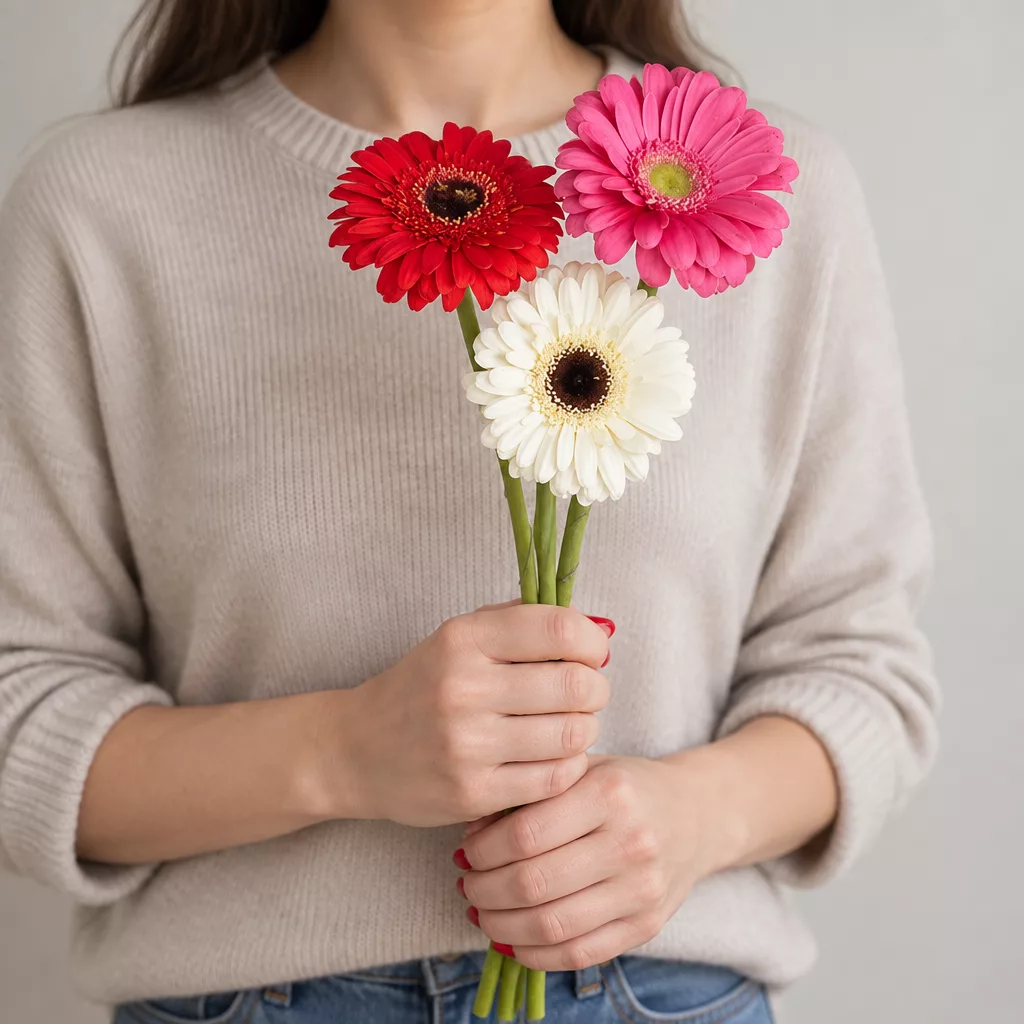
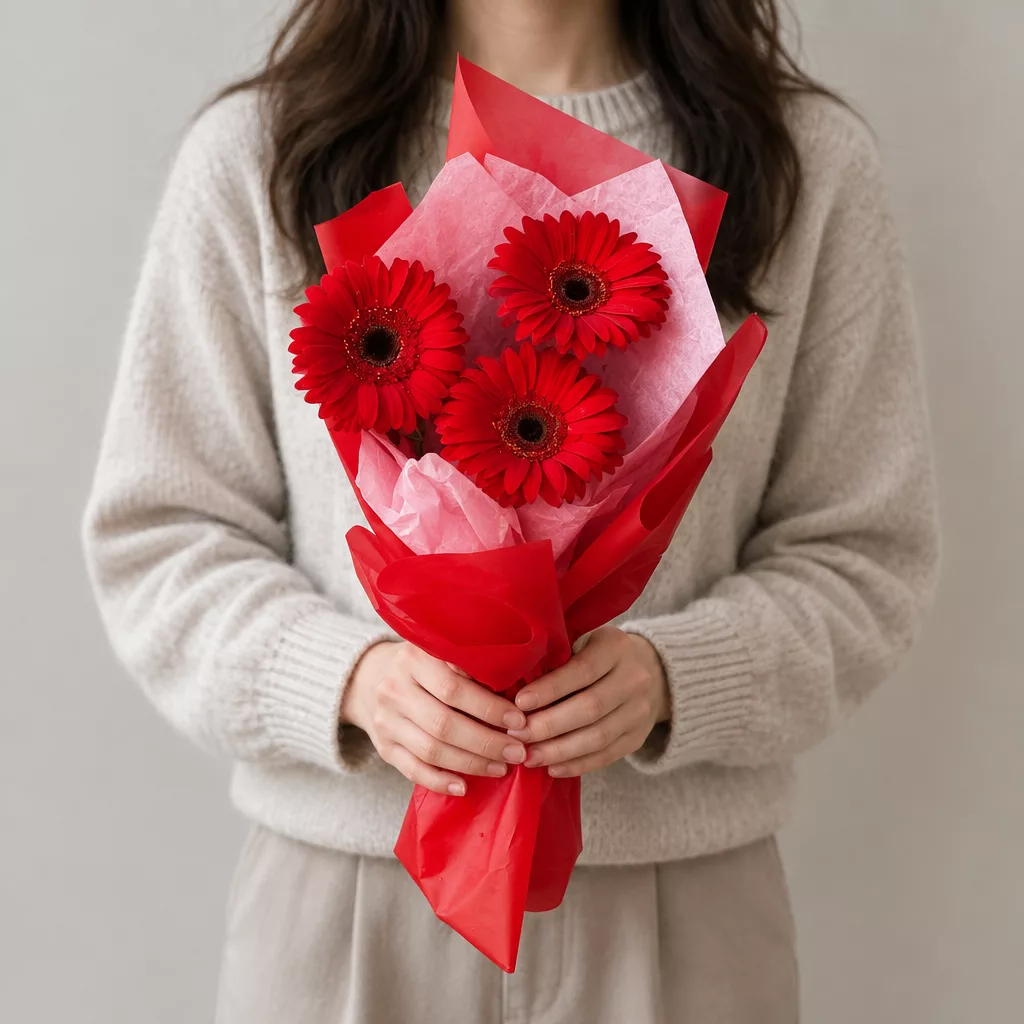
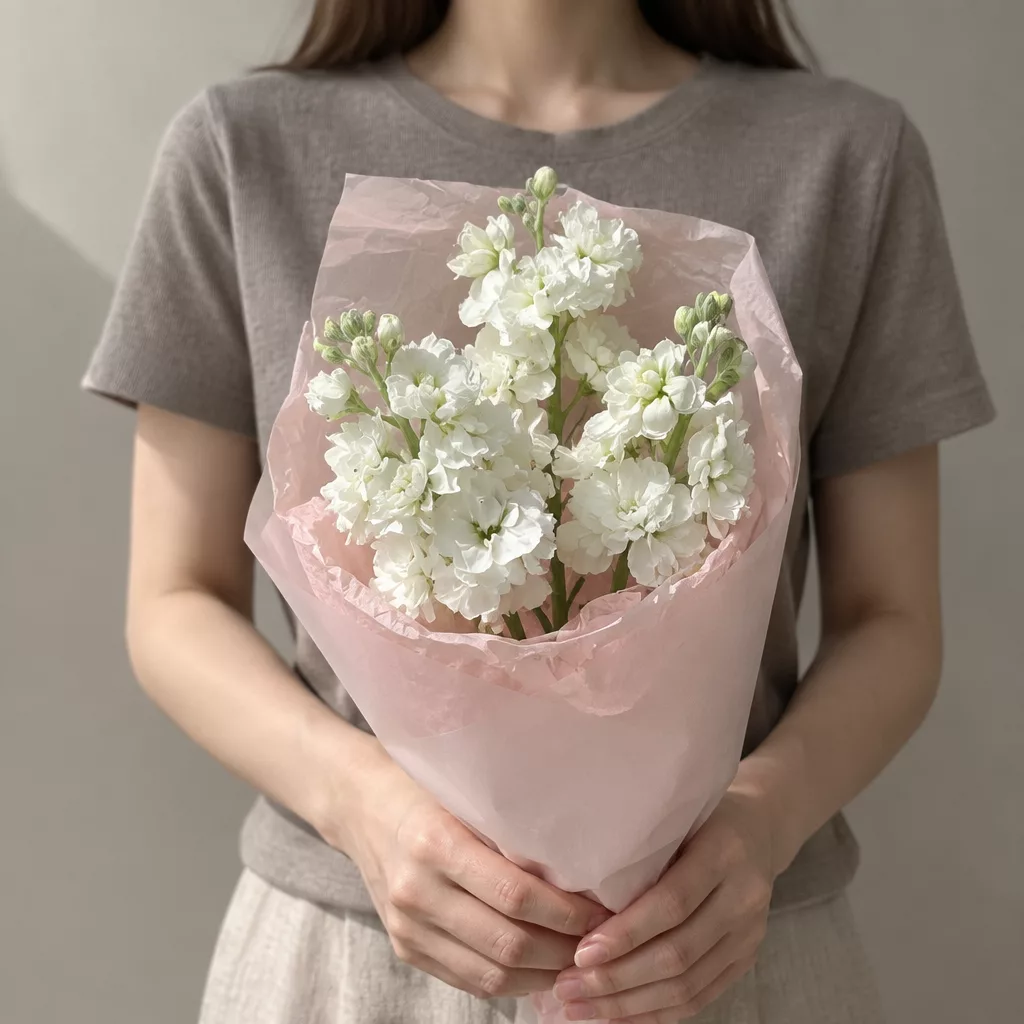
Red Roses Are Classic — But There Is a Catch
Red roses are the default romantic choice across Russia, and for an anniversary they are almost never wrong in terms of sentiment. However, there are two things worth knowing before you order a simple red rose bouquet. First, the number of flowers carries meaning in Russian culture: even numbers of blooms are associated with mourning, so always choose an odd count — eleven, nineteen, twenty-five, or fifty-one for a major milestone. This is not superstition to be dismissed; it is a genuine social norm that the recipient will notice immediately.
Second, not all red roses are equal. Varieties like Red Naomi and Explorer hold their shape and colour for seven to ten days when kept in cool water, while cheaper market roses can begin drooping within two days. If you are ordering delivery to another city and the flowers will travel even a short distance in a warm car, variety selection and proper conditioning matter enormously. A good florist will cut the stems at an angle, strip lower leaves, and wrap the bouquet in insulating paper before dispatch.
If you want to move beyond plain red, consider combining deep red roses with white lisianthus, which softens the arrangement without losing the romantic register. White lisianthus has a ruffled, peony-like bloom that photographs beautifully and adds texture without competing with the roses for attention. This combination reads as thoughtful rather than formulaic, which is exactly the impression you want for someone who has been married long enough to have received plain red roses before.
Peonies, Ranunculus, and the Flowers Russians Actually Love
Beyond roses, Russian buyers have a genuine affection for peonies, and for good reason. A fully open Sarah Bernhardt peony — pale pink, heavily petalled, with a light sweet scent — is one of the most universally welcomed flowers you can send to a Russian home. Peonies are strongly associated with femininity, abundance, and celebration in Russian visual culture, appearing on everything from embroidery to lacquerware. For a summer anniversary, they are an obvious first choice.
The practical limitation is seasonality. Peonies peak in Russia from late May through July. Outside those months, what you find in shops is either imported at significant cost or simply unavailable at good quality. A florist who tells you peonies are fine in November without explaining they are imported from Ecuador or Kenya is not giving you the full picture. The blooms will be technically correct but may lack the scent and fullness of in-season flowers.
Ranunculus are a strong alternative for spring and autumn anniversaries. The Cloni and Pon-Pon varieties in particular have a layered, almost architectural beauty that holds up well in a vase for five to seven days. They come in a wide range of colours — from pure white to deep burgundy — and mix naturally with other flowers without dominating the arrangement. For a couple who appreciates something less expected than roses, a bouquet built around coral or dusty rose ranunculus with touches of white waxflower is genuinely striking and feels personal rather than off-the-shelf.
Colour Language for Anniversary Bouquets
Colour carries meaning in any culture, but in Russia a few conventions are particularly strong. White flowers are associated with purity and new beginnings — perfectly appropriate for a first or fifth anniversary, and also used at significant milestone celebrations for older couples as a mark of respect and elegance. Red signals passion and commitment, which makes it the natural choice for anniversaries where the sender wants to underline the enduring romantic nature of the relationship.
Pink sits between the two and is enormously popular precisely because of that flexibility. Soft blush pink reads as tender and affectionate; deeper cerise or hot pink reads as joyful and energetic. For a couple celebrating their fifteenth or twentieth anniversary, a bouquet in graduated pinks — from pale blush at the centre to deeper rose at the edges — creates visual depth and suggests a relationship that has grown richer over time.
Yellow and orange flowers deserve a specific mention because they are sometimes avoided in Russia based on an older folk belief that yellow signals separation or unfaithfulness. This belief is not universal and is less observed among younger generations in cities, but it is worth being cautious if you do not know the recipient's background well. If you want warmth and brightness without the risk, peach tones — peach spray roses, apricot ranunculus, or salmon-toned tulips in season — deliver the same visual energy as orange without carrying any of the potential misreading. When in doubt, a florist can advise on what is reading as celebratory in the current season.
Choosing by Budget Without Losing the Feeling
A smaller budget does not mean a smaller impact — it means smarter construction. The key principle is to build around one or two hero flowers and let the supporting elements do the work. A bouquet of seven garden roses in deep blush, surrounded by white gypsophila and two or three stems of eucalyptus, costs far less than a lavish mixed arrangement but photographs beautifully and feels considered. The gypsophila adds volume and a soft, romantic texture; the eucalyptus grounds the whole composition with its muted green and faint herbal scent.
At a mid-range budget, you can move into mixed bouquets with more variety. Consider combining cream spray roses with purple statice, white alstroemeria, and a few stems of blue or violet delphinium. This combination covers a wide tonal range and creates a bouquet that looks genuinely generous without requiring the most expensive single-stem flowers. Alstroemeria in particular is excellent value — it has multiple blooms per stem, lasts ten to fourteen days in a vase, and comes in a range of colours that blend naturally with other flowers.
At a more generous budget, the opportunity is not just to add more flowers but to improve the quality of each one. Long-stemmed roses above sixty centimetres, fully double peonies, or garden roses like David Austin varieties — Juliet, Keira, or Miranda — have a presence that shorter-stemmed commercial roses simply cannot match. The bouquet becomes an event in itself when it arrives. Presentation at this level should include a premium wrapping and a handwritten note, because the physical experience of receiving the flowers is part of the gift.
Practical Mistakes That Ruin a Good Bouquet
The most common mistake is ordering flowers to arrive too early in the day when no one is home, or too late when the couple is already at dinner. For an anniversary delivery in Russia, mid-morning arrival — between ten and noon — tends to work well for recipients who are at home, while an early evening delivery around six works for those who are out during the day. Always confirm the recipient's schedule if you can; a bouquet left in a warm hallway for four hours loses a day of vase life before it has even been seen.
The second common mistake is choosing a bouquet that suits the sender's taste rather than the recipient's home. A very large, dramatic arrangement is wonderful in a house with high ceilings and wide surfaces. In a typical Russian apartment, where space is more limited, a generous but vertically focused bouquet — tall roses or gladioli — works better than a wide, sprawling design that has nowhere to sit comfortably.
Temperature during transit is genuinely important and often overlooked. Flowers should travel at between four and eight degrees Celsius to slow respiration and prevent wilting. In summer, a bouquet transported in a car without air conditioning for thirty minutes can arrive visibly stressed — petals beginning to drop, leaves yellowing at the edges. A professional delivery service manages this actively, not by chance. When you receive the flowers, cut two centimetres from each stem at an angle under running water and place them immediately in a clean vase with room-temperature water. Change the water every two days and keep the bouquet away from direct sunlight and radiators.
What to Write and How to Present the Moment
The flowers arrive, and then there is the card. In Russia, anniversary messages tend to be warm and direct rather than poetic or abstract. Something like 'To many more years together' or 'You have made every year better than the last' lands more naturally than an elaborate literary quotation. If you are sending from abroad or are not a native Russian speaker, a simple and sincere message in Russian — even if translated — will be received with genuine warmth. The effort of writing in the recipient's language is noticed.
Presentation beyond the card matters for anniversaries in a way it might not for a birthday. Consider whether the bouquet should arrive with a small accompanying item — a box of good chocolates, a candle, or a bottle of something celebratory. In Russian gift culture, a bouquet alone is a complete and proper gift, but an accompanying item signals that you thought about the moment in more detail. It shifts the delivery from 'I remembered' to 'I wanted to make this feel special.'
For couples celebrating a significant milestone — twenty-five years or more — the presentation of the bouquet itself can carry ceremony. A round, tightly structured bouquet in white and gold tones, wrapped in premium matte paper and tied with a wide satin ribbon, reads as genuinely formal and honouring. This is a couple who has built something lasting together, and the flowers should look like they understand that. Loose, casual arrangements, however beautiful in other contexts, can feel slightly mismatched with the weight of what a long marriage anniversary represents.
Choosing anniversary flowers well is really about paying attention — to the year being celebrated, to what the couple values, to the season, and to the small details that turn a delivery into a memory. Russia has a rich culture of giving flowers, and an anniversary is one of the moments when that tradition is at its most meaningful. Whether you are sending a first-anniversary bouquet of soft white ranunculus or a golden anniversary arrangement of long-stemmed roses and white chrysanthemums, the thought behind the choice is what the recipient will feel when the door opens. We deliver bouquets across Russia in 1–2 hours.
Frequently asked questions
Is it true that yellow flowers are bad luck for anniversaries in Russia?
The belief that yellow flowers signal unfaithfulness or separation exists in Russian folk tradition and is still observed by some, particularly older generations. It is not universal, and many younger couples think nothing of it. If you are unsure of the recipient's background, playing it safe with peach or blush tones gives you the same warmth and brightness without any risk of misreading.
How many flowers should I include in an anniversary bouquet?
Always choose an odd number of blooms. In Russian culture, even numbers of flowers are associated with mourning and are placed at graves. Eleven, fifteen, nineteen, or twenty-five are all appropriate counts for an anniversary bouquet. This is one of the most consistently observed customs across Russia and is something the recipient will genuinely notice.
What flowers work best for a winter anniversary when peonies are out of season?
Winter anniversaries are well served by garden roses, lisianthus, and spray roses, all of which are available year-round from reliable growers. Ranunculus are often available in early winter and late autumn. White or cream tones with touches of deep green foliage create a clean, elegant arrangement that suits the season without trying to imitate summer flowers.
How long will anniversary flowers last in a Russian apartment?
Most well-conditioned roses and lisianthus last seven to ten days with proper care. Alstroemeria can reach twelve to fourteen days. The key steps are cutting stems at an angle under water on arrival, using a clean vase, changing water every two days, and keeping the bouquet away from radiators and direct sunlight — both very relevant in Russian apartments during the heating season.
Can I order anniversary flowers for delivery to another Russian city from abroad?
Yes. Turboflora delivers fresh flowers across Russia within one to two hours of order confirmation. You can place your order online, specify the delivery address and preferred time window, and add a personalised message in any language. The bouquet is prepared and dispatched by our own team, so quality and timing are managed directly from Saint Petersburg.
Ready to send flowers?
Pick the city, choose the bouquet, and a local florist takes it from there.
Choose a city →