Flowers for a Russian Wedding: What Guests and Couples Choose
A Russian wedding without flowers is almost unthinkable. From the moment the bride steps out of her home to the last dance of the evening, blooms are everywhere — in her hands, on the tables, in the arms of arriving guests. If you are attending a Russian wedding for the first time, or if you are planning one from abroad and want to get the details right, understanding the flower traditions will help you avoid awkward moments and make a genuinely beautiful impression.
What Flowers Guests Typically Bring to a Russian Wedding
In Russia, arriving at a wedding empty-handed is simply not done. Guests are expected to bring a bouquet for the couple — most often for the bride — and this custom is taken seriously regardless of whether the ceremony is a modest civil registration or a grand banquet for two hundred people. The bouquet is handed over personally, usually right after congratulations are spoken, and the bride accumulates a growing collection of arrangements throughout the evening.
The most popular choices among guests are roses, peonies, and spray chrysanthemums. Roses remain the classic option: red roses signal deep respect and celebration, while white or cream roses feel elegant without being funereal. Peonies are enormously loved in Russia during late spring and early summer when they are in season, roughly May through June, and their full, generous heads photograph beautifully. Spray chrysanthemums are a practical choice for autumn weddings because they hold up well even in heated reception halls where temperatures can climb above twenty-two degrees Celsius.
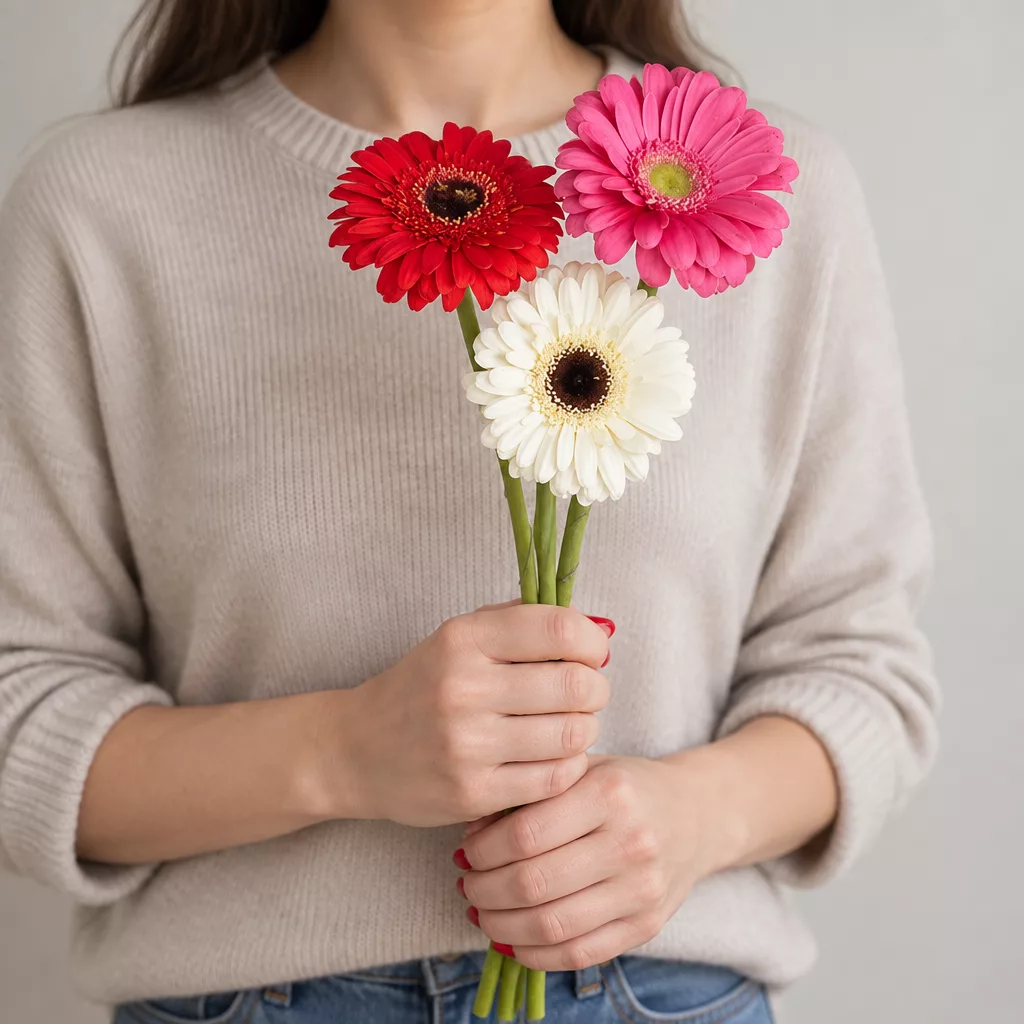
One common mistake guests make is choosing flowers that wilt quickly in warm indoor spaces. Gerberas, for instance, look stunning but need cool conditions to stay upright. Tulips are another risky choice for late-evening events — they continue to grow after cutting and can droop awkwardly within a few hours. A good rule of thumb: the sturdier the stem, the better it survives a long celebration. Lisianthus, alstroemeria, and standard carnations all hold beautifully and are widely available in Saint Petersburg year-round.
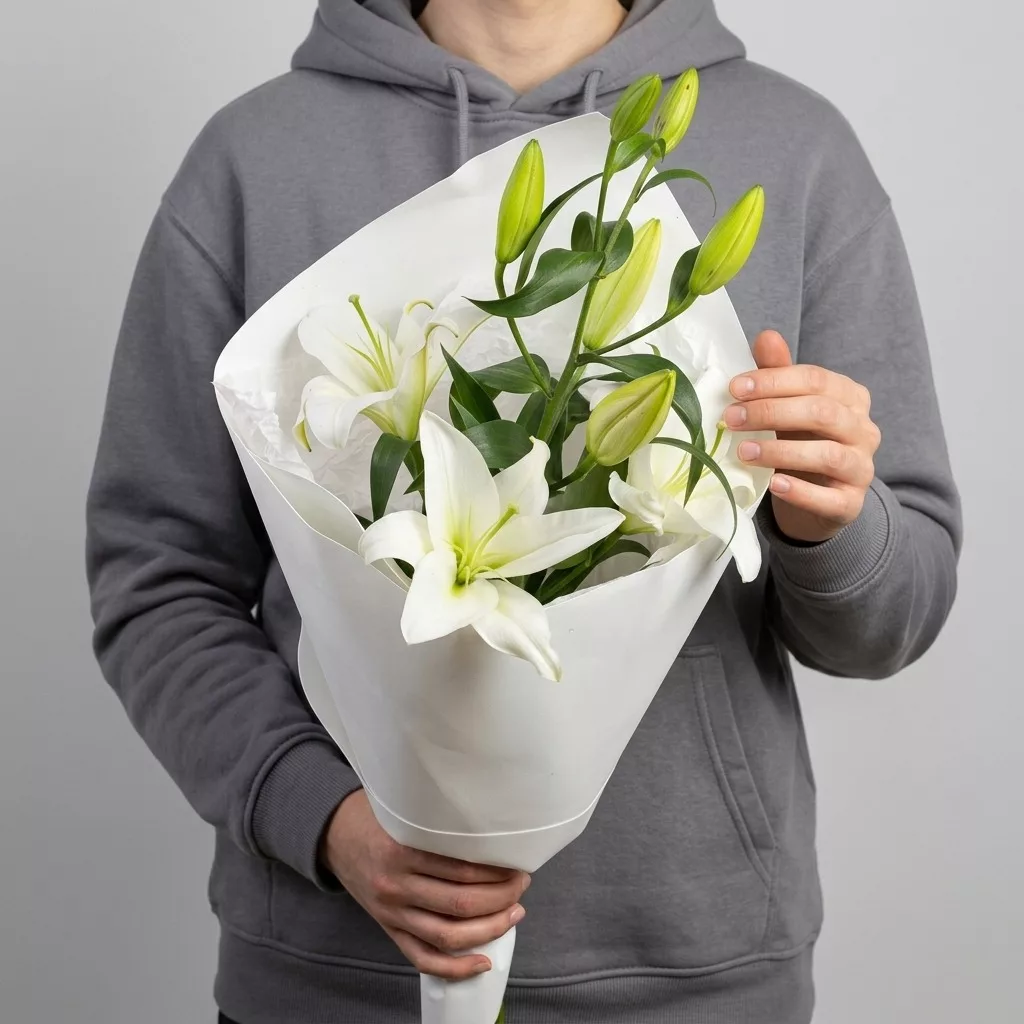
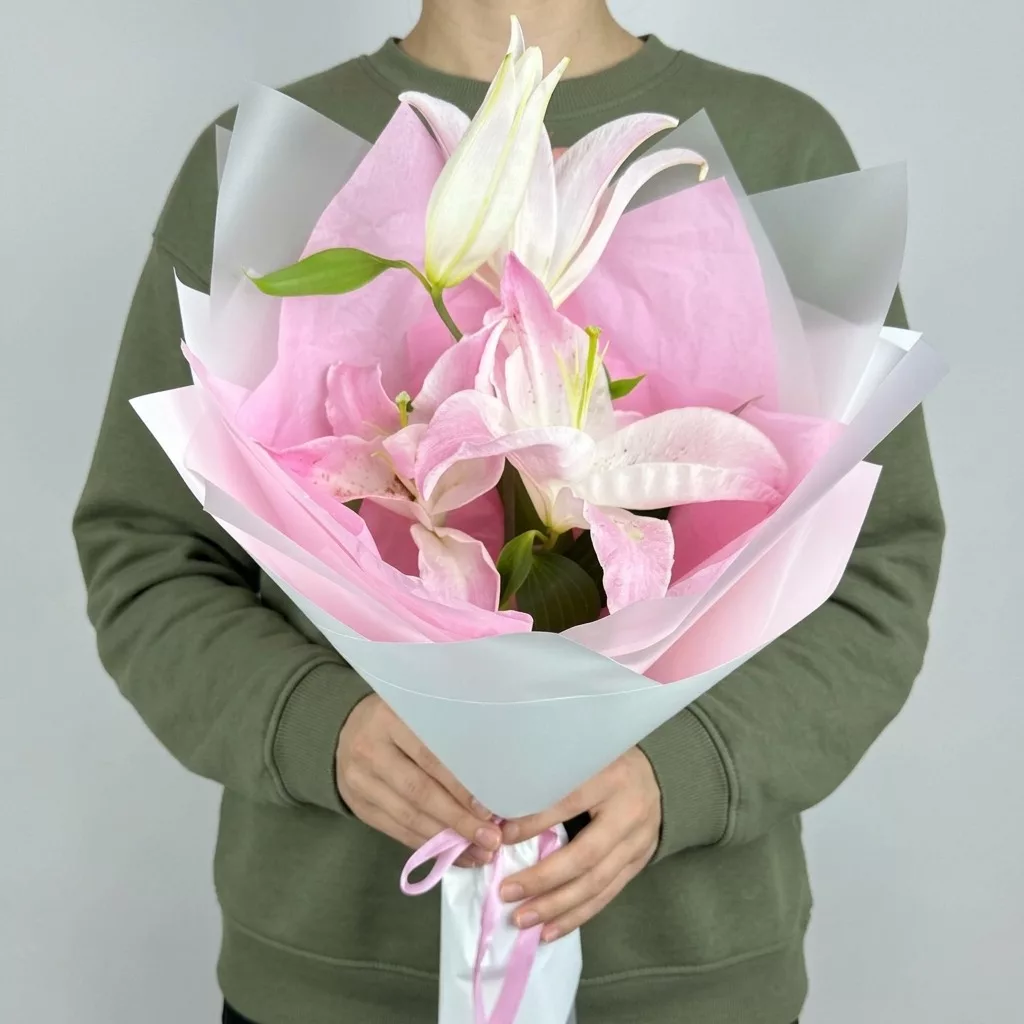
Bouquets we can deliver

The Russian Bridal Bouquet: Tradition and Modern Choices
The bridal bouquet in Russia carries a great deal of symbolic weight. Traditionally, white flowers dominated — white roses, white freesias, white lilies — because white was associated with purity and celebration. That tradition has softened considerably over the past decade, and today's Russian brides choose with a much freer hand. Blush pink garden roses, dusty miller for silvery texture, eucalyptus for a modern trailing effect, and even deep burgundy dahlias in autumn have all become fashionable bridal choices.
One tradition that surprises many international guests is the bouquet toss. At Russian weddings it works much the same way as in Western Europe or North America: the bride turns her back to the unmarried women, counts to three, and throws the bouquet over her shoulder. Whoever catches it is said to be the next to marry. Because the bouquet goes through this moment of flight and then a good deal of handling, florists who work on Russian weddings consistently recommend round, compact designs rather than loose, open cascades. A tight dome of garden roses, ranunculus, and wax flower, bound with a satin ribbon, survives the toss and the rest of the evening far better than a flowing hand-tied bunch.
Timing matters enormously. A bridal bouquet assembled more than twenty-four hours before the ceremony needs refrigerated storage at four to six degrees Celsius. Many couples order the bouquet for morning delivery on the wedding day itself, which is the safest approach and the one professional florists always recommend.
Table Arrangements and Venue Décor at Russian Weddings
Beyond personal bouquets, Russian weddings typically feature elaborate table centrepieces and entrance arrangements. The scale varies by budget, but even modest celebrations usually include at least small vase arrangements on each guest table. Tall centrepieces in cylindrical glass vases filled with roses or hydrangeas are currently the most requested style in Saint Petersburg, particularly for banquets held in hotel ballrooms.
Hydrangeas deserve special mention here. A single large hydrangea head can fill a significant amount of space in an arrangement, which makes them cost-effective for covering many tables. They come in white, cream, soft green, lavender, and deep blue-violet, giving couples a wide palette to work with. The important caveat: hydrangeas are thirsty flowers. Centrepieces assembled the morning of the wedding and placed on tables in a heated hall need fresh water in their vases and ideally a light misting of the petals before guests arrive.
Russian couples also frequently request a decorated arch or floral backdrop for the ceremony and for photographs. Gypsophila — commonly called baby's breath — remains a staple filler for these large installations because it is light, airy, and holds its shape well out of water for several hours. Mixed with white spray roses and eucalyptus branches, it creates the soft, romantic aesthetic that remains the dominant style at Russian weddings today. For autumn weddings, dahlias, hypericum berries, and dried pampas grass have grown increasingly popular, giving a warmer, textured look that suits the season.
Flower Colours and What They Communicate in Russian Culture
Colour symbolism matters in Russia, and getting it wrong can cause unintended offence — or at least raised eyebrows. The single most important rule for wedding flowers is to avoid yellow. In Russian popular belief, yellow flowers are associated with separation, infidelity, and the end of relationships. This is a deeply ingrained cultural feeling rather than a formal rule, but it is taken seriously enough that most professional florists will gently steer clients away from yellow blooms for wedding gifts without being asked.
White, as mentioned, is celebratory and appropriate. Red is bold and passionate — perfectly acceptable for weddings, though some older guests associate deep red with funerals, so mixing red with cream or blush softens the overall impression. Pink in all its shades is universally safe and loved. Lavender and lilac tones have grown fashionable recently, particularly with younger couples. Burgundy and deep plum work beautifully in autumn and winter weddings and carry no negative associations.
Green foliage used generously is considered a sign of abundance and growth, which makes it doubly appropriate for a wedding. Eucalyptus, ruscus, and Italian pittosporum are the most commonly used greens in Saint Petersburg wedding floristry right now. If you are sending a congratulatory arrangement and you are unsure about colour, a palette of white, blush pink, and soft green is the most universally appreciated combination and will be warmly received by any Russian couple regardless of their personal aesthetic preferences.
Common Mistakes When Choosing Wedding Flowers in Russia
Even experienced flower-buyers make avoidable errors when selecting wedding blooms. The first and most frequent mistake is choosing flowers purely by appearance in a photograph without considering the season. Peonies photographed in a summer wedding look spectacular, but if you are ordering flowers for an October wedding, peonies will be imported, expensive, and often disappointing in quality compared to their peak-season counterparts. Asking a florist what is locally fresh and abundant right now always produces better results than insisting on a specific variety out of season.
The second mistake is underestimating how heat affects flowers. Russian wedding banquets often take place in rooms where heating is on full blast, particularly from October through March. In those conditions, delicate open flowers like garden roses can fully bloom and begin to drop petals within four to five hours. Requesting flowers with buds that are half-open rather than fully open on delivery day gives the arrangement a longer life through the evening.
The third mistake, especially relevant for guests sending flowers from abroad, is leaving the order too late. Same-day delivery of a quality arrangement requires that the order be placed before noon Saint Petersburg time. Flowers need to be sourced, conditioned, arranged, and transported — that process cannot be safely compressed into less than two or three hours without quality suffering. Planning ahead by at least one full day is always the better approach, and ordering two or three days in advance for large or complex arrangements is strongly recommended by anyone who works seriously in wedding floristry.
How to Send Congratulatory Flowers to a Russian Wedding from Abroad
Sending flowers to a Russian wedding when you are outside the country is entirely possible and, done correctly, makes a deeply touching impression. The couple understands that you could not be there in person, and a fresh, beautiful arrangement delivered to the venue or to their home says far more than a card alone.
The first practical step is confirming the delivery address and the timing. Russian weddings typically begin with a civil registration ceremony at a registry office in the morning, followed by a restaurant banquet that starts in the early afternoon and continues into the night. If you want the flowers to be present at the banquet, delivery between noon and two in the afternoon local Saint Petersburg time works well. If you want the bride to have them before she leaves for the ceremony, a morning delivery before ten o'clock is the right window.
Turboflora delivers across Russia within one to two hours of order confirmation, which means you can place an order from London, Berlin, New York, or Tokyo and have fresh flowers in the couple's hands the same day. The key is placing the order early enough in the Saint Petersburg day. The shop's website and contact channels operate in English, so the language barrier is not an obstacle.
For a congratulatory arrangement sent from abroad, a generous round bouquet of white and blush roses with eucalyptus is the safest and most elegant choice. Including a handwritten-style card message in the order — even a few words in English — will be treasured by the couple as a personal touch from someone who thought of them across the distance.
Russian weddings are rich with flower traditions that have been shaped by decades of custom, seasonal abundance, and genuine cultural feeling. Whether you are a guest choosing a bouquet to bring in person, a couple designing your ceremony floristry, or a friend sending congratulations from the other side of the world, the same principles apply: choose fresh, seasonally appropriate flowers, respect the colour customs, think about how the blooms will behave in a warm room over a long evening, and plan your timing carefully. Flowers chosen with that level of thought do not just decorate a wedding — they become part of the memory of it.
Frequently asked questions
Is it rude to bring flowers to a Russian wedding as a guest?
Not at all — it is expected. Arriving with a bouquet for the couple, particularly for the bride, is a firm social custom at Russian weddings. Guests who do not bring flowers stand out in an uncomfortable way. A modest but fresh bouquet of roses or alstroemeria is entirely appropriate regardless of your relationship to the couple.
Why should I avoid yellow flowers at a Russian wedding?
In Russian popular culture, yellow flowers are strongly associated with parting, betrayal, and the breakdown of relationships. While younger urban Russians may not hold this belief as firmly as older generations, giving yellow flowers at a wedding is still widely considered bad luck or poor taste. Choosing white, pink, red, or lavender blooms is always the safer and more welcome decision.
What is the best time of year to have fresh peonies at a Russian wedding?
Peonies grown domestically or sourced from nearby European producers are at their best from mid-May through June. Outside that window they are available as imported flowers, which are often less fragrant and less full than peak-season blooms. If your wedding falls in autumn or winter, garden roses or ranunculus offer a similarly lush, romantic look without the seasonal compromise.
Can I order wedding flowers for delivery in Saint Petersburg if I live outside Russia?
Yes. Turboflora accepts international orders and delivers across Russia within one to two hours of confirmation. Place your order before noon Saint Petersburg time for same-day delivery. The process is straightforward through the website, and you can include a personal message in English to accompany the arrangement.
How far in advance should a bridal bouquet be ordered?
For a standard bridal bouquet, ordering one to two days ahead is ideal. This gives the florist time to source the freshest stems and condition them properly before assembly. For large or complex designs featuring specific varieties like garden roses or ranunculus, three to five days notice is safer, especially during peak wedding season in May, June, and early September.
Ready to send flowers?
Pick the city, choose the bouquet, and a local florist takes it from there.
Choose a city →